Compare commits
1
Commits
| Author | SHA1 | Date | |
|---|---|---|---|
 Nicolò Boschi Nicolò Boschi
|
444f5cde12 |
@@ -2,30 +2,11 @@
|
||||
# Copy this file to .env and fill in your values
|
||||
|
||||
# LLM Configuration (Required)
|
||||
# Supported providers: openai, groq, ollama, gemini, anthropic, lmstudio, vertexai
|
||||
HINDSIGHT_API_LLM_PROVIDER=openai
|
||||
HINDSIGHT_API_LLM_API_KEY=your-api-key-here
|
||||
HINDSIGHT_API_LLM_MODEL=o3-mini
|
||||
HINDSIGHT_API_LLM_BASE_URL=https://api.openai.com/v1
|
||||
|
||||
# Example: Anthropic Claude configuration
|
||||
# HINDSIGHT_API_LLM_PROVIDER=anthropic
|
||||
# HINDSIGHT_API_LLM_API_KEY=your-anthropic-api-key
|
||||
# HINDSIGHT_API_LLM_MODEL=claude-sonnet-4-20250514
|
||||
|
||||
# Example: Google Vertex AI configuration
|
||||
# HINDSIGHT_API_LLM_PROVIDER=vertexai
|
||||
# HINDSIGHT_API_LLM_MODEL=google/gemini-2.0-flash-001
|
||||
# HINDSIGHT_API_LLM_VERTEXAI_PROJECT_ID=your-gcp-project-id
|
||||
# HINDSIGHT_API_LLM_VERTEXAI_REGION=us-central1
|
||||
# HINDSIGHT_API_LLM_VERTEXAI_SERVICE_ACCOUNT_KEY=/path/to/service-account-key.json # Optional, uses ADC if not set
|
||||
|
||||
# Example: LM Studio local configuration (Qwen 2.5 32B recommended)
|
||||
# HINDSIGHT_API_LLM_PROVIDER=lmstudio
|
||||
# HINDSIGHT_API_LLM_API_KEY=lmstudio
|
||||
# HINDSIGHT_API_LLM_BASE_URL=http://localhost:1234/v1
|
||||
# HINDSIGHT_API_LLM_MODEL=qwen2.5-32b-instruct
|
||||
|
||||
# API Configuration (Optional)
|
||||
HINDSIGHT_API_HOST=0.0.0.0
|
||||
HINDSIGHT_API_PORT=8888
|
||||
@@ -33,7 +14,6 @@ HINDSIGHT_API_LOG_LEVEL=info
|
||||
|
||||
# Database (Optional - uses embedded pg0 by default)
|
||||
# HINDSIGHT_API_DATABASE_URL=postgresql://user:pass@host:5432/db
|
||||
# HINDSIGHT_API_DATABASE_SCHEMA=public # PostgreSQL schema name (default: public)
|
||||
|
||||
# Embeddings Configuration (Optional - uses local by default)
|
||||
# Provider: "local" (default) or "tei" (HuggingFace Text Embeddings Inference)
|
||||
@@ -50,18 +30,3 @@ HINDSIGHT_API_LOG_LEVEL=info
|
||||
# HINDSIGHT_API_RERANKER_LOCAL_MODEL=cross-encoder/ms-marco-MiniLM-L-6-v2
|
||||
# For TEI provider:
|
||||
# HINDSIGHT_API_RERANKER_TEI_URL=http://localhost:8081
|
||||
|
||||
# Observability & Tracing (Optional - disabled by default)
|
||||
# Enable OpenTelemetry tracing for LLM calls (GenAI semantic conventions)
|
||||
# HINDSIGHT_API_OTEL_TRACES_ENABLED=true
|
||||
#
|
||||
# Local development with Grafana LGTM stack (recommended - see scripts/dev/grafana/README.md)
|
||||
# HINDSIGHT_API_OTEL_EXPORTER_OTLP_ENDPOINT=http://localhost:4318
|
||||
#
|
||||
# Cloud backends (Grafana Cloud, Langfuse, DataDog, etc.)
|
||||
# HINDSIGHT_API_OTEL_EXPORTER_OTLP_ENDPOINT=https://your-backend-url
|
||||
# HINDSIGHT_API_OTEL_EXPORTER_OTLP_HEADERS="Authorization=Bearer your-token"
|
||||
#
|
||||
# Custom service name and environment (optional, defaults: hindsight-api, development)
|
||||
# HINDSIGHT_API_OTEL_SERVICE_NAME=hindsight-production
|
||||
# HINDSIGHT_API_OTEL_DEPLOYMENT_ENVIRONMENT=production
|
||||
|
||||
@@ -1,27 +0,0 @@
|
||||
#!/bin/bash
|
||||
# Pre-commit hook - runs all scripts in scripts/hooks/
|
||||
|
||||
set -e
|
||||
|
||||
REPO_ROOT="$(git rev-parse --show-toplevel)"
|
||||
HOOKS_DIR="$REPO_ROOT/scripts/hooks"
|
||||
|
||||
if [ ! -d "$HOOKS_DIR" ]; then
|
||||
exit 0
|
||||
fi
|
||||
|
||||
echo ""
|
||||
echo "=== Running pre-commit hooks ==="
|
||||
echo ""
|
||||
|
||||
# Run all executable scripts in hooks directory
|
||||
for hook in "$HOOKS_DIR"/*.sh; do
|
||||
if [ -x "$hook" ]; then
|
||||
echo "[hook] $(basename "$hook")"
|
||||
(cd "$REPO_ROOT" && "$hook")
|
||||
fi
|
||||
done
|
||||
|
||||
echo ""
|
||||
echo "=== Pre-commit hooks completed ==="
|
||||
echo ""
|
||||
@@ -1,71 +0,0 @@
|
||||
name: Bug Report
|
||||
description: Report a bug or unexpected behavior
|
||||
labels: ["bug", "triage"]
|
||||
body:
|
||||
- type: markdown
|
||||
attributes:
|
||||
value: |
|
||||
Thanks for taking the time to report a bug! Please fill out the sections below.
|
||||
|
||||
- type: textarea
|
||||
id: description
|
||||
attributes:
|
||||
label: Bug Description
|
||||
description: A clear and concise description of the bug
|
||||
placeholder: What happened?
|
||||
validations:
|
||||
required: true
|
||||
|
||||
- type: textarea
|
||||
id: reproduction
|
||||
attributes:
|
||||
label: Steps to Reproduce
|
||||
description: Steps to reproduce the behavior
|
||||
placeholder: |
|
||||
1. Configure '...'
|
||||
2. Call '...'
|
||||
3. See error
|
||||
validations:
|
||||
required: true
|
||||
|
||||
- type: textarea
|
||||
id: expected
|
||||
attributes:
|
||||
label: Expected Behavior
|
||||
description: What did you expect to happen?
|
||||
validations:
|
||||
required: true
|
||||
|
||||
- type: textarea
|
||||
id: actual
|
||||
attributes:
|
||||
label: Actual Behavior
|
||||
description: What actually happened?
|
||||
validations:
|
||||
required: true
|
||||
|
||||
- type: input
|
||||
id: version
|
||||
attributes:
|
||||
label: Version
|
||||
description: What version are you using?
|
||||
placeholder: e.g., 0.1.0 or commit hash
|
||||
validations:
|
||||
required: false
|
||||
|
||||
- type: dropdown
|
||||
id: llm-provider
|
||||
attributes:
|
||||
label: LLM Provider
|
||||
description: Which LLM provider are you using?
|
||||
options:
|
||||
- OpenAI
|
||||
- Anthropic
|
||||
- Gemini
|
||||
- Groq
|
||||
- Ollama
|
||||
- LM Studio
|
||||
- Other
|
||||
validations:
|
||||
required: false
|
||||
|
||||
@@ -1,8 +0,0 @@
|
||||
blank_issues_enabled: false
|
||||
contact_links:
|
||||
- name: Questions & Help
|
||||
url: https://github.com/vectorize-io/hindsight/discussions/categories/q-a
|
||||
about: Please ask questions and get help in Discussions instead of opening an issue.
|
||||
- name: Ideas & Feedback
|
||||
url: https://github.com/vectorize-io/hindsight/discussions/categories/ideas
|
||||
about: Share ideas or give feedback in Discussions.
|
||||
@@ -1,82 +0,0 @@
|
||||
name: Feature Request
|
||||
description: Suggest a new feature or enhancement
|
||||
labels: ["enhancement", "triage"]
|
||||
body:
|
||||
- type: markdown
|
||||
attributes:
|
||||
value: |
|
||||
Thanks for suggesting a feature! Please describe what you'd like to see added.
|
||||
|
||||
- type: textarea
|
||||
id: use-case
|
||||
attributes:
|
||||
label: Use Case
|
||||
description: Describe your specific use case. What are you building? What's your goal?
|
||||
placeholder: |
|
||||
I'm building an AI agent that needs to...
|
||||
My application handles...
|
||||
validations:
|
||||
required: true
|
||||
|
||||
- type: textarea
|
||||
id: problem
|
||||
attributes:
|
||||
label: Problem Statement
|
||||
description: What problem are you facing? What's missing or difficult today?
|
||||
placeholder: Currently I have to... which causes...
|
||||
validations:
|
||||
required: true
|
||||
|
||||
- type: textarea
|
||||
id: benefit
|
||||
attributes:
|
||||
label: How This Feature Would Help
|
||||
description: Explain how this feature would improve your workflow or solve your problem
|
||||
placeholder: With this feature, I would be able to...
|
||||
validations:
|
||||
required: true
|
||||
|
||||
- type: textarea
|
||||
id: solution
|
||||
attributes:
|
||||
label: Proposed Solution
|
||||
description: Describe your ideal solution (optional - we may have ideas too!)
|
||||
placeholder: It would be great if Hindsight could...
|
||||
validations:
|
||||
required: false
|
||||
|
||||
- type: textarea
|
||||
id: alternatives
|
||||
attributes:
|
||||
label: Alternatives Considered
|
||||
description: Have you considered any alternative solutions or workarounds?
|
||||
validations:
|
||||
required: false
|
||||
|
||||
- type: dropdown
|
||||
id: priority
|
||||
attributes:
|
||||
label: Priority
|
||||
description: How important is this feature to you?
|
||||
options:
|
||||
- Nice to have
|
||||
- Important - affects my workflow
|
||||
- Critical - blocking my use case
|
||||
validations:
|
||||
required: true
|
||||
|
||||
- type: textarea
|
||||
id: additional
|
||||
attributes:
|
||||
label: Additional Context
|
||||
description: Any other context, mockups, or examples?
|
||||
validations:
|
||||
required: false
|
||||
|
||||
- type: checkboxes
|
||||
id: checklist
|
||||
attributes:
|
||||
label: Checklist
|
||||
options:
|
||||
- label: I would be willing to contribute this feature
|
||||
required: false
|
||||
@@ -27,9 +27,7 @@ jobs:
|
||||
node-version: 20
|
||||
cache: npm
|
||||
cache-dependency-path: package-lock.json
|
||||
- uses: astral-sh/setup-uv@v4
|
||||
- run: npm ci --workspace=hindsight-docs
|
||||
- run: uv run generate-llms-full
|
||||
- run: npm run build --workspace=hindsight-docs
|
||||
- uses: actions/upload-pages-artifact@v3
|
||||
with:
|
||||
|
||||
@@ -42,10 +42,6 @@ jobs:
|
||||
working-directory: ./hindsight-integrations/litellm
|
||||
run: uv build --out-dir dist
|
||||
|
||||
- name: Build hindsight-embed
|
||||
working-directory: ./hindsight-embed
|
||||
run: uv build --out-dir dist
|
||||
|
||||
# Publish in order (client and api first, then hindsight-all which depends on them)
|
||||
- name: Publish hindsight-client to PyPI
|
||||
uses: pypa/gh-action-pypi-publish@release/v1
|
||||
@@ -71,12 +67,6 @@ jobs:
|
||||
packages-dir: ./hindsight-integrations/litellm/dist
|
||||
skip-existing: true
|
||||
|
||||
- name: Publish hindsight-embed to PyPI
|
||||
uses: pypa/gh-action-pypi-publish@release/v1
|
||||
with:
|
||||
packages-dir: ./hindsight-embed/dist
|
||||
skip-existing: true
|
||||
|
||||
# Upload artifacts for GitHub release
|
||||
- name: Upload artifacts
|
||||
uses: actions/upload-artifact@v4
|
||||
@@ -87,7 +77,6 @@ jobs:
|
||||
hindsight-api/dist/*
|
||||
hindsight/dist/*
|
||||
hindsight-integrations/litellm/dist/*
|
||||
hindsight-embed/dist/*
|
||||
retention-days: 1
|
||||
|
||||
release-typescript-client:
|
||||
@@ -113,18 +102,7 @@ jobs:
|
||||
|
||||
- name: Publish to npm
|
||||
working-directory: ./hindsight-clients/typescript
|
||||
run: |
|
||||
set +e
|
||||
OUTPUT=$(npm publish --access public 2>&1)
|
||||
EXIT_CODE=$?
|
||||
echo "$OUTPUT"
|
||||
if [ $EXIT_CODE -ne 0 ]; then
|
||||
if echo "$OUTPUT" | grep -q "cannot publish over"; then
|
||||
echo "Package version already published, skipping..."
|
||||
exit 0
|
||||
fi
|
||||
exit $EXIT_CODE
|
||||
fi
|
||||
run: npm publish --access public
|
||||
env:
|
||||
NODE_AUTH_TOKEN: ${{ secrets.NPM_TOKEN }}
|
||||
|
||||
@@ -139,163 +117,6 @@ jobs:
|
||||
path: hindsight-clients/typescript/*.tgz
|
||||
retention-days: 1
|
||||
|
||||
release-openclaw-integration:
|
||||
runs-on: ubuntu-latest
|
||||
environment: npm
|
||||
|
||||
steps:
|
||||
- uses: actions/checkout@v4
|
||||
|
||||
- name: Set up Node.js
|
||||
uses: actions/setup-node@v4
|
||||
with:
|
||||
node-version: '22'
|
||||
registry-url: 'https://registry.npmjs.org'
|
||||
|
||||
- name: Install dependencies
|
||||
working-directory: ./hindsight-integrations/openclaw
|
||||
run: npm ci
|
||||
|
||||
- name: Build
|
||||
working-directory: ./hindsight-integrations/openclaw
|
||||
run: npm run build
|
||||
|
||||
- name: Publish to npm
|
||||
working-directory: ./hindsight-integrations/openclaw
|
||||
run: |
|
||||
set +e
|
||||
OUTPUT=$(npm publish --access public 2>&1)
|
||||
EXIT_CODE=$?
|
||||
echo "$OUTPUT"
|
||||
if [ $EXIT_CODE -ne 0 ]; then
|
||||
if echo "$OUTPUT" | grep -q "cannot publish over"; then
|
||||
echo "Package version already published, skipping..."
|
||||
exit 0
|
||||
fi
|
||||
exit $EXIT_CODE
|
||||
fi
|
||||
env:
|
||||
NODE_AUTH_TOKEN: ${{ secrets.NPM_TOKEN }}
|
||||
|
||||
- name: Pack for GitHub release
|
||||
working-directory: ./hindsight-integrations/openclaw
|
||||
run: npm pack
|
||||
|
||||
- name: Upload artifacts
|
||||
uses: actions/upload-artifact@v4
|
||||
with:
|
||||
name: openclaw-integration
|
||||
path: hindsight-integrations/openclaw/*.tgz
|
||||
retention-days: 1
|
||||
|
||||
release-ai-sdk-integration:
|
||||
runs-on: ubuntu-latest
|
||||
environment: npm
|
||||
|
||||
steps:
|
||||
- uses: actions/checkout@v4
|
||||
|
||||
- name: Set up Node.js
|
||||
uses: actions/setup-node@v4
|
||||
with:
|
||||
node-version: '22'
|
||||
registry-url: 'https://registry.npmjs.org'
|
||||
|
||||
- name: Install dependencies
|
||||
working-directory: ./hindsight-integrations/ai-sdk
|
||||
run: npm ci
|
||||
|
||||
- name: Build
|
||||
working-directory: ./hindsight-integrations/ai-sdk
|
||||
run: npm run build
|
||||
|
||||
- name: Publish to npm
|
||||
working-directory: ./hindsight-integrations/ai-sdk
|
||||
run: |
|
||||
set +e
|
||||
OUTPUT=$(npm publish --access public 2>&1)
|
||||
EXIT_CODE=$?
|
||||
echo "$OUTPUT"
|
||||
if [ $EXIT_CODE -ne 0 ]; then
|
||||
if echo "$OUTPUT" | grep -q "cannot publish over"; then
|
||||
echo "Package version already published, skipping..."
|
||||
exit 0
|
||||
fi
|
||||
exit $EXIT_CODE
|
||||
fi
|
||||
env:
|
||||
NODE_AUTH_TOKEN: ${{ secrets.NPM_TOKEN }}
|
||||
|
||||
- name: Pack for GitHub release
|
||||
working-directory: ./hindsight-integrations/ai-sdk
|
||||
run: npm pack
|
||||
|
||||
- name: Upload artifacts
|
||||
uses: actions/upload-artifact@v4
|
||||
with:
|
||||
name: ai-sdk-integration
|
||||
path: hindsight-integrations/ai-sdk/*.tgz
|
||||
retention-days: 1
|
||||
|
||||
release-control-plane:
|
||||
runs-on: ubuntu-latest
|
||||
environment: npm
|
||||
|
||||
steps:
|
||||
- uses: actions/checkout@v4
|
||||
|
||||
- name: Set up Node.js
|
||||
uses: actions/setup-node@v4
|
||||
with:
|
||||
node-version: '20'
|
||||
registry-url: 'https://registry.npmjs.org'
|
||||
cache: 'npm'
|
||||
cache-dependency-path: package-lock.json
|
||||
|
||||
- name: Install dependencies
|
||||
run: npm ci
|
||||
|
||||
- name: Build TypeScript client (dependency)
|
||||
run: npm run build --workspace=hindsight-clients/typescript
|
||||
|
||||
- name: Fix platform-specific native modules
|
||||
run: |
|
||||
# npm ci installs from lockfile which may have wrong platform binaries
|
||||
# Delete hoisted native modules and reinstall for current platform
|
||||
rm -rf node_modules/lightningcss node_modules/@tailwindcss
|
||||
npm install lightningcss @tailwindcss/postcss @tailwindcss/node
|
||||
|
||||
- name: Build
|
||||
run: npm run build --workspace=hindsight-control-plane
|
||||
|
||||
- name: Publish to npm
|
||||
working-directory: ./hindsight-control-plane
|
||||
run: |
|
||||
set +e
|
||||
OUTPUT=$(npm publish --access public 2>&1)
|
||||
EXIT_CODE=$?
|
||||
echo "$OUTPUT"
|
||||
if [ $EXIT_CODE -ne 0 ]; then
|
||||
if echo "$OUTPUT" | grep -q "cannot publish over"; then
|
||||
echo "Package version already published, skipping..."
|
||||
exit 0
|
||||
fi
|
||||
exit $EXIT_CODE
|
||||
fi
|
||||
env:
|
||||
NODE_AUTH_TOKEN: ${{ secrets.NPM_TOKEN }}
|
||||
|
||||
- name: Pack for GitHub release
|
||||
working-directory: ./hindsight-control-plane
|
||||
run: npm pack
|
||||
|
||||
- name: Upload artifacts
|
||||
uses: actions/upload-artifact@v4
|
||||
with:
|
||||
name: control-plane
|
||||
path: hindsight-control-plane/*.tgz
|
||||
retention-days: 1
|
||||
|
||||
release-rust-cli:
|
||||
runs-on: ${{ matrix.os }}
|
||||
strategy:
|
||||
@@ -340,7 +161,6 @@ jobs:
|
||||
retention-days: 1
|
||||
|
||||
release-docker-images:
|
||||
name: Release Docker (${{ matrix.image_name }}${{ matrix.tag_suffix }})
|
||||
runs-on: ubuntu-latest
|
||||
permissions:
|
||||
contents: read
|
||||
@@ -350,28 +170,10 @@ jobs:
|
||||
include:
|
||||
- target: api-only
|
||||
image_name: hindsight-api
|
||||
tag_suffix: ""
|
||||
build_args: ""
|
||||
- target: api-only
|
||||
image_name: hindsight-api
|
||||
tag_suffix: "-slim"
|
||||
build_args: |
|
||||
INCLUDE_LOCAL_MODELS=false
|
||||
PRELOAD_ML_MODELS=false
|
||||
- target: cp-only
|
||||
image_name: hindsight-control-plane
|
||||
tag_suffix: ""
|
||||
build_args: ""
|
||||
- target: standalone
|
||||
image_name: hindsight
|
||||
tag_suffix: ""
|
||||
build_args: ""
|
||||
- target: standalone
|
||||
image_name: hindsight
|
||||
tag_suffix: "-slim"
|
||||
build_args: |
|
||||
INCLUDE_LOCAL_MODELS=false
|
||||
PRELOAD_ML_MODELS=false
|
||||
|
||||
steps:
|
||||
- uses: actions/checkout@v4
|
||||
@@ -379,7 +181,7 @@ jobs:
|
||||
- name: Free Disk Space
|
||||
uses: jlumbroso/free-disk-space@main
|
||||
with:
|
||||
tool-cache: true
|
||||
tool-cache: false
|
||||
android: true
|
||||
dotnet: true
|
||||
haskell: true
|
||||
@@ -404,49 +206,23 @@ jobs:
|
||||
id: get_version
|
||||
run: echo "VERSION=${GITHUB_REF#refs/tags/v}" >> $GITHUB_OUTPUT
|
||||
|
||||
- name: Extract metadata for release tags
|
||||
- name: Extract metadata
|
||||
id: meta
|
||||
uses: docker/metadata-action@v5
|
||||
with:
|
||||
images: ghcr.io/${{ github.repository_owner }}/${{ matrix.image_name }}
|
||||
flavor: |
|
||||
latest=auto
|
||||
suffix=${{ matrix.tag_suffix }}
|
||||
tags: |
|
||||
type=semver,pattern={{version}},value=${{ steps.get_version.outputs.VERSION }}
|
||||
type=semver,pattern={{major}}.{{minor}},value=${{ steps.get_version.outputs.VERSION }}
|
||||
type=semver,pattern={{major}},value=${{ steps.get_version.outputs.VERSION }}
|
||||
type=raw,value=latest
|
||||
|
||||
# TODO: Re-enable smoke test when disk space issue is resolved
|
||||
# # Step 1: Build for local testing (single platform, no push)
|
||||
# # This creates an identical image to what will be released, just for one platform
|
||||
# - name: Build image for testing
|
||||
# uses: docker/build-push-action@v6
|
||||
# with:
|
||||
# context: .
|
||||
# file: docker/standalone/Dockerfile
|
||||
# target: ${{ matrix.target }}
|
||||
# push: false
|
||||
# load: true
|
||||
# tags: ${{ matrix.image_name }}:test
|
||||
# cache-from: type=gha
|
||||
# cache-to: type=gha,mode=max
|
||||
|
||||
# # Step 2: Test the image before pushing anything
|
||||
# - name: Smoke test - verify container starts
|
||||
# env:
|
||||
# GROQ_API_KEY: ${{ secrets.GROQ_API_KEY }}
|
||||
# run: ./docker/test-image.sh "${{ matrix.image_name }}:test" "${{ matrix.target }}"
|
||||
|
||||
# Build multi-platform and push to release tags
|
||||
- name: Build and push release images
|
||||
- name: Build and push
|
||||
uses: docker/build-push-action@v6
|
||||
with:
|
||||
context: .
|
||||
file: docker/standalone/Dockerfile
|
||||
target: ${{ matrix.target }}
|
||||
build-args: ${{ matrix.build_args }}
|
||||
push: true
|
||||
platforms: linux/amd64,linux/arm64
|
||||
tags: ${{ steps.meta.outputs.tags }}
|
||||
@@ -487,7 +263,7 @@ jobs:
|
||||
|
||||
create-github-release:
|
||||
runs-on: ubuntu-latest
|
||||
needs: [release-python-packages, release-typescript-client, release-openclaw-integration, release-ai-sdk-integration, release-control-plane, release-rust-cli, release-docker-images, release-helm-chart]
|
||||
needs: [release-python-packages, release-typescript-client, release-rust-cli, release-docker-images, release-helm-chart]
|
||||
permissions:
|
||||
contents: write
|
||||
|
||||
@@ -510,24 +286,6 @@ jobs:
|
||||
name: typescript-client
|
||||
path: ./artifacts/typescript-client
|
||||
|
||||
- name: Download OpenClaw Integration
|
||||
uses: actions/download-artifact@v4
|
||||
with:
|
||||
name: openclaw-integration
|
||||
path: ./artifacts/openclaw-integration
|
||||
|
||||
- name: Download AI SDK Integration
|
||||
uses: actions/download-artifact@v4
|
||||
with:
|
||||
name: ai-sdk-integration
|
||||
path: ./artifacts/ai-sdk-integration
|
||||
|
||||
- name: Download Control Plane
|
||||
uses: actions/download-artifact@v4
|
||||
with:
|
||||
name: control-plane
|
||||
path: ./artifacts/control-plane
|
||||
|
||||
- name: Download Rust CLI (Linux)
|
||||
uses: actions/download-artifact@v4
|
||||
with:
|
||||
@@ -560,15 +318,8 @@ jobs:
|
||||
cp artifacts/python-packages/hindsight-api/dist/* release-assets/ || true
|
||||
cp artifacts/python-packages/hindsight/dist/* release-assets/ || true
|
||||
cp artifacts/python-packages/hindsight-integrations/litellm/dist/* release-assets/ || true
|
||||
cp artifacts/python-packages/hindsight-embed/dist/* release-assets/ || true
|
||||
# TypeScript client
|
||||
cp artifacts/typescript-client/*.tgz release-assets/ || true
|
||||
# OpenClaw Integration
|
||||
cp artifacts/openclaw-integration/*.tgz release-assets/ || true
|
||||
# AI SDK Integration
|
||||
cp artifacts/ai-sdk-integration/*.tgz release-assets/ || true
|
||||
# Control Plane
|
||||
cp artifacts/control-plane/*.tgz release-assets/ || true
|
||||
# Rust CLI binaries
|
||||
cp artifacts/rust-cli-linux/hindsight-linux-amd64 release-assets/ || true
|
||||
cp artifacts/rust-cli-darwin-amd64/hindsight-darwin-amd64 release-assets/ || true
|
||||
|
||||
+22
-712
@@ -9,11 +9,17 @@ concurrency:
|
||||
cancel-in-progress: true
|
||||
|
||||
jobs:
|
||||
build-api-python-versions:
|
||||
build-python-packages:
|
||||
runs-on: ubuntu-latest
|
||||
strategy:
|
||||
matrix:
|
||||
python-version: ['3.11', '3.12', '3.13', '3.14']
|
||||
include:
|
||||
- name: hindsight-all
|
||||
path: hindsight
|
||||
- name: hindsight-api
|
||||
path: hindsight-api
|
||||
- name: hindsight-client
|
||||
path: hindsight-clients/python
|
||||
|
||||
steps:
|
||||
- uses: actions/checkout@v4
|
||||
@@ -23,13 +29,13 @@ jobs:
|
||||
with:
|
||||
enable-cache: true
|
||||
|
||||
- name: Set up Python ${{ matrix.python-version }}
|
||||
- name: Set up Python
|
||||
uses: actions/setup-python@v5
|
||||
with:
|
||||
python-version: ${{ matrix.python-version }}
|
||||
python-version-file: ".python-version"
|
||||
|
||||
- name: Build hindsight-api
|
||||
working-directory: ./hindsight-api
|
||||
- name: Build ${{ matrix.name }}
|
||||
working-directory: ./${{ matrix.path }}
|
||||
run: uv build
|
||||
|
||||
build-typescript-client:
|
||||
@@ -51,104 +57,6 @@ jobs:
|
||||
- name: Build TypeScript client
|
||||
run: npm run build --workspace=hindsight-clients/typescript
|
||||
|
||||
build-openclaw-integration:
|
||||
runs-on: ubuntu-latest
|
||||
|
||||
steps:
|
||||
- uses: actions/checkout@v4
|
||||
|
||||
- name: Set up Node.js
|
||||
uses: actions/setup-node@v4
|
||||
with:
|
||||
node-version: '22'
|
||||
|
||||
- name: Install dependencies
|
||||
working-directory: ./hindsight-integrations/openclaw
|
||||
run: npm ci
|
||||
|
||||
- name: Run tests
|
||||
working-directory: ./hindsight-integrations/openclaw
|
||||
run: npm test
|
||||
|
||||
- name: Build
|
||||
working-directory: ./hindsight-integrations/openclaw
|
||||
run: npm run build
|
||||
|
||||
build-ai-sdk-integration:
|
||||
runs-on: ubuntu-latest
|
||||
|
||||
steps:
|
||||
- uses: actions/checkout@v4
|
||||
|
||||
- name: Set up Node.js
|
||||
uses: actions/setup-node@v4
|
||||
with:
|
||||
node-version: '22'
|
||||
|
||||
- name: Install dependencies
|
||||
working-directory: ./hindsight-integrations/ai-sdk
|
||||
run: npm ci
|
||||
|
||||
- name: Run tests
|
||||
working-directory: ./hindsight-integrations/ai-sdk
|
||||
run: npm test
|
||||
|
||||
- name: Build
|
||||
working-directory: ./hindsight-integrations/ai-sdk
|
||||
run: npm run build
|
||||
|
||||
build-control-plane:
|
||||
runs-on: ubuntu-latest
|
||||
|
||||
steps:
|
||||
- uses: actions/checkout@v4
|
||||
|
||||
- name: Set up Node.js
|
||||
uses: actions/setup-node@v4
|
||||
with:
|
||||
node-version: '20'
|
||||
cache: 'npm'
|
||||
cache-dependency-path: package-lock.json
|
||||
|
||||
- name: Install SDK dependencies
|
||||
run: npm ci --workspace=hindsight-clients/typescript
|
||||
|
||||
- name: Build SDK
|
||||
run: npm run build --workspace=hindsight-clients/typescript
|
||||
|
||||
# Install control plane deps and fix hoisted lightningcss binary
|
||||
# lightningcss gets hoisted to root node_modules, so we need to reinstall it there
|
||||
- name: Install Control Plane dependencies
|
||||
run: |
|
||||
npm install --workspace=hindsight-control-plane
|
||||
rm -rf node_modules/lightningcss node_modules/@tailwindcss
|
||||
npm install lightningcss @tailwindcss/postcss @tailwindcss/node
|
||||
|
||||
- name: Build Control Plane
|
||||
run: npm run build --workspace=hindsight-control-plane
|
||||
|
||||
- name: Verify standalone build
|
||||
run: |
|
||||
test -f hindsight-control-plane/standalone/server.js || exit 1
|
||||
test -d hindsight-control-plane/standalone/node_modules || exit 1
|
||||
node hindsight-control-plane/bin/cli.js --help
|
||||
|
||||
- name: Smoke test - verify server starts
|
||||
run: |
|
||||
cd hindsight-control-plane
|
||||
node bin/cli.js --port 9999 &
|
||||
SERVER_PID=$!
|
||||
sleep 5
|
||||
if curl -sf http://localhost:9999 > /dev/null 2>&1; then
|
||||
echo "Server started successfully"
|
||||
kill $SERVER_PID 2>/dev/null || true
|
||||
exit 0
|
||||
else
|
||||
echo "Server failed to respond"
|
||||
kill $SERVER_PID 2>/dev/null || true
|
||||
exit 1
|
||||
fi
|
||||
|
||||
build-docs:
|
||||
runs-on: ubuntu-latest
|
||||
|
||||
@@ -168,15 +76,8 @@ jobs:
|
||||
- name: Build docs
|
||||
run: npm run build --workspace=hindsight-docs
|
||||
|
||||
test-rust-cli:
|
||||
build-rust-cli:
|
||||
runs-on: ubuntu-latest
|
||||
env:
|
||||
HINDSIGHT_API_LLM_PROVIDER: groq
|
||||
HINDSIGHT_API_LLM_API_KEY: ${{ secrets.GROQ_API_KEY }}
|
||||
HINDSIGHT_API_LLM_MODEL: openai/gpt-oss-20b
|
||||
HINDSIGHT_API_URL: http://localhost:8888
|
||||
GITHUB_TOKEN: ${{ secrets.GITHUB_TOKEN }}
|
||||
UV_INDEX: pytorch=https://download.pytorch.org/whl/cpu
|
||||
|
||||
steps:
|
||||
- uses: actions/checkout@v4
|
||||
@@ -193,75 +94,10 @@ jobs:
|
||||
hindsight-cli/target
|
||||
key: ${{ runner.os }}-cargo-${{ hashFiles('**/Cargo.lock') }}
|
||||
|
||||
- name: Run unit tests
|
||||
working-directory: hindsight-cli
|
||||
run: cargo test
|
||||
|
||||
- name: Build CLI
|
||||
working-directory: hindsight-cli
|
||||
run: cargo build --release
|
||||
|
||||
- name: Upload CLI artifact
|
||||
uses: actions/upload-artifact@v4
|
||||
with:
|
||||
name: hindsight-cli
|
||||
path: hindsight-cli/target/release/hindsight
|
||||
retention-days: 1
|
||||
|
||||
- name: Install uv
|
||||
uses: astral-sh/setup-uv@v5
|
||||
with:
|
||||
enable-cache: true
|
||||
prune-cache: false
|
||||
|
||||
- name: Set up Python
|
||||
uses: actions/setup-python@v5
|
||||
with:
|
||||
python-version-file: ".python-version"
|
||||
|
||||
- name: Build API
|
||||
working-directory: ./hindsight-api
|
||||
run: uv build
|
||||
|
||||
- name: Install API dependencies
|
||||
working-directory: ./hindsight-api
|
||||
run: uv sync --frozen --no-install-project --index-strategy unsafe-best-match
|
||||
|
||||
- name: Create .env file
|
||||
run: |
|
||||
cat > .env << EOF
|
||||
HINDSIGHT_API_LLM_PROVIDER=${{ env.HINDSIGHT_API_LLM_PROVIDER }}
|
||||
HINDSIGHT_API_LLM_API_KEY=${{ env.HINDSIGHT_API_LLM_API_KEY }}
|
||||
HINDSIGHT_API_LLM_MODEL=${{ env.HINDSIGHT_API_LLM_MODEL }}
|
||||
EOF
|
||||
|
||||
- name: Start API server
|
||||
run: |
|
||||
./scripts/dev/start-api.sh > /tmp/api-server.log 2>&1 &
|
||||
echo "Waiting for API server to be ready..."
|
||||
for i in {1..60}; do
|
||||
if curl -sf http://localhost:8888/health > /dev/null 2>&1; then
|
||||
echo "API server is ready after ${i}s"
|
||||
break
|
||||
fi
|
||||
if [ $i -eq 60 ]; then
|
||||
echo "API server failed to start after 60s"
|
||||
cat /tmp/api-server.log
|
||||
exit 1
|
||||
fi
|
||||
sleep 1
|
||||
done
|
||||
|
||||
- name: Run CLI smoke test
|
||||
run: |
|
||||
HINDSIGHT_CLI=hindsight-cli/target/release/hindsight ./hindsight-cli/smoke-test.sh
|
||||
|
||||
- name: Show API server logs
|
||||
if: always()
|
||||
run: |
|
||||
echo "=== API Server Logs ==="
|
||||
cat /tmp/api-server.log || echo "No API server log found"
|
||||
|
||||
lint-helm-chart:
|
||||
runs-on: ubuntu-latest
|
||||
|
||||
@@ -277,35 +113,16 @@ jobs:
|
||||
run: helm lint helm/hindsight
|
||||
|
||||
build-docker-images:
|
||||
name: Build Docker (${{ matrix.name }})
|
||||
runs-on: ubuntu-latest
|
||||
strategy:
|
||||
matrix:
|
||||
include:
|
||||
- target: api-only
|
||||
name: api
|
||||
variant: full
|
||||
build_args: ""
|
||||
- target: api-only
|
||||
name: api-slim
|
||||
variant: slim
|
||||
build_args: |
|
||||
INCLUDE_LOCAL_MODELS=false
|
||||
PRELOAD_ML_MODELS=false
|
||||
- target: cp-only
|
||||
name: control-plane
|
||||
variant: full
|
||||
build_args: ""
|
||||
- target: standalone
|
||||
name: standalone
|
||||
variant: full
|
||||
build_args: ""
|
||||
- target: standalone
|
||||
name: standalone-slim
|
||||
variant: slim
|
||||
build_args: |
|
||||
INCLUDE_LOCAL_MODELS=false
|
||||
PRELOAD_ML_MODELS=false
|
||||
|
||||
steps:
|
||||
- uses: actions/checkout@v4
|
||||
@@ -313,7 +130,7 @@ jobs:
|
||||
- name: Free Disk Space
|
||||
uses: jlumbroso/free-disk-space@main
|
||||
with:
|
||||
tool-cache: true
|
||||
tool-cache: false
|
||||
android: true
|
||||
dotnet: true
|
||||
haskell: true
|
||||
@@ -324,31 +141,13 @@ jobs:
|
||||
- name: Set up Docker Buildx
|
||||
uses: docker/setup-buildx-action@v3
|
||||
|
||||
- name: Build ${{ matrix.name }} image (${{ matrix.variant }})
|
||||
- name: Build ${{ matrix.name }} image
|
||||
uses: docker/build-push-action@v6
|
||||
with:
|
||||
context: .
|
||||
file: docker/standalone/Dockerfile
|
||||
target: ${{ matrix.target }}
|
||||
build-args: ${{ matrix.build_args }}
|
||||
push: false
|
||||
load: ${{ matrix.variant == 'slim' }}
|
||||
tags: hindsight-${{ matrix.name }}:test
|
||||
# Removed GitHub Actions cache (type=gha) - it frequently returns 502 errors
|
||||
# causing buildx to fail with "failed to parse error response 502"
|
||||
# Build will be slower but more reliable
|
||||
|
||||
# Only test slim variants to save disk space (they're much smaller)
|
||||
# Slim variants require external embedding providers
|
||||
- name: Smoke test - verify container starts
|
||||
if: matrix.variant == 'slim'
|
||||
env:
|
||||
GROQ_API_KEY: ${{ secrets.GROQ_API_KEY }}
|
||||
HINDSIGHT_API_EMBEDDINGS_PROVIDER: openai
|
||||
HINDSIGHT_API_EMBEDDINGS_OPENAI_API_KEY: ${{ secrets.OPENAI_API_KEY }}
|
||||
HINDSIGHT_API_RERANKER_PROVIDER: cohere
|
||||
HINDSIGHT_API_COHERE_API_KEY: ${{ secrets.COHERE_API_KEY }}
|
||||
run: ./docker/test-image.sh "hindsight-${{ matrix.name }}:test" "${{ matrix.target }}"
|
||||
|
||||
test-api:
|
||||
runs-on: ubuntu-latest
|
||||
@@ -358,8 +157,6 @@ jobs:
|
||||
GROQ_API_KEY: ${{ secrets.GROQ_API_KEY }}
|
||||
GEMINI_API_KEY: ${{ secrets.GEMINI_API_KEY }}
|
||||
OPENAI_API_KEY: ${{ secrets.OPENAI_API_KEY }}
|
||||
COHERE_API_KEY: ${{ secrets.COHERE_API_KEY }}
|
||||
HINDSIGHT_API_EMBEDDINGS_OPENAI_API_KEY: ${{ secrets.OPENAI_API_KEY }}
|
||||
HINDSIGHT_API_LLM_MODEL: openai/gpt-oss-20b
|
||||
GITHUB_TOKEN: ${{ secrets.GITHUB_TOKEN }}
|
||||
# Prefer CPU-only PyTorch in CI (but keep PyPI for everything else)
|
||||
@@ -385,7 +182,7 @@ jobs:
|
||||
|
||||
- name: Install dependencies
|
||||
working-directory: ./hindsight-api
|
||||
run: uv sync --frozen --extra test --no-install-project --index-strategy unsafe-best-match
|
||||
run: uv sync --extra test --no-install-project --index-strategy unsafe-best-match
|
||||
|
||||
- name: Cache HuggingFace models
|
||||
uses: actions/cache@v4
|
||||
@@ -446,11 +243,11 @@ jobs:
|
||||
|
||||
- name: Install client test dependencies
|
||||
working-directory: ./hindsight-clients/python
|
||||
run: uv sync --frozen --extra test --index-strategy unsafe-best-match
|
||||
run: uv sync --extra test --index-strategy unsafe-best-match
|
||||
|
||||
- name: Install API dependencies
|
||||
working-directory: ./hindsight-api
|
||||
run: uv sync --frozen --no-install-project --index-strategy unsafe-best-match
|
||||
run: uv sync --no-install-project --index-strategy unsafe-best-match
|
||||
|
||||
- name: Create .env file
|
||||
run: |
|
||||
@@ -523,7 +320,7 @@ jobs:
|
||||
|
||||
- name: Install API dependencies
|
||||
working-directory: ./hindsight-api
|
||||
run: uv sync --frozen --no-install-project --index-strategy unsafe-best-match
|
||||
run: uv sync --no-install-project --index-strategy unsafe-best-match
|
||||
|
||||
- name: Install TypeScript client dependencies
|
||||
working-directory: ./hindsight-clients/typescript
|
||||
@@ -611,7 +408,7 @@ jobs:
|
||||
|
||||
- name: Install API dependencies
|
||||
working-directory: ./hindsight-api
|
||||
run: uv sync --frozen --no-install-project --index-strategy unsafe-best-match
|
||||
run: uv sync --no-install-project --index-strategy unsafe-best-match
|
||||
|
||||
- name: Create .env file
|
||||
run: |
|
||||
@@ -648,97 +445,6 @@ jobs:
|
||||
echo "=== API Server Logs ==="
|
||||
cat /tmp/api-server.log || echo "No API server log found"
|
||||
|
||||
test-integration:
|
||||
runs-on: ubuntu-latest
|
||||
env:
|
||||
HINDSIGHT_API_LLM_PROVIDER: groq
|
||||
HINDSIGHT_API_LLM_API_KEY: ${{ secrets.GROQ_API_KEY }}
|
||||
HINDSIGHT_API_LLM_MODEL: openai/gpt-oss-20b
|
||||
HINDSIGHT_API_URL: http://localhost:8888
|
||||
GITHUB_TOKEN: ${{ secrets.GITHUB_TOKEN }}
|
||||
UV_INDEX: pytorch=https://download.pytorch.org/whl/cpu
|
||||
|
||||
steps:
|
||||
- uses: actions/checkout@v4
|
||||
|
||||
- name: Install uv
|
||||
uses: astral-sh/setup-uv@v5
|
||||
with:
|
||||
enable-cache: true
|
||||
prune-cache: false
|
||||
|
||||
- name: Set up Python
|
||||
uses: actions/setup-python@v5
|
||||
with:
|
||||
python-version-file: ".python-version"
|
||||
|
||||
- name: Build API
|
||||
working-directory: ./hindsight-api
|
||||
run: uv build
|
||||
|
||||
- name: Install API dependencies
|
||||
working-directory: ./hindsight-api
|
||||
run: uv sync --frozen --no-install-project --index-strategy unsafe-best-match
|
||||
|
||||
- name: Install integration test dependencies
|
||||
working-directory: ./hindsight-integration-tests
|
||||
run: uv sync --frozen
|
||||
|
||||
- name: Cache HuggingFace models
|
||||
uses: actions/cache@v4
|
||||
with:
|
||||
path: ~/.cache/huggingface
|
||||
key: ${{ runner.os }}-huggingface-${{ hashFiles('hindsight-api/pyproject.toml') }}
|
||||
restore-keys: |
|
||||
${{ runner.os }}-huggingface-
|
||||
|
||||
- name: Pre-download models
|
||||
working-directory: ./hindsight-api
|
||||
run: |
|
||||
uv run python -c "
|
||||
from sentence_transformers import SentenceTransformer, CrossEncoder
|
||||
print('Downloading embedding model...')
|
||||
SentenceTransformer('BAAI/bge-small-en-v1.5')
|
||||
print('Downloading cross-encoder model...')
|
||||
CrossEncoder('cross-encoder/ms-marco-MiniLM-L-6-v2')
|
||||
print('Models downloaded successfully')
|
||||
"
|
||||
|
||||
- name: Create .env file
|
||||
run: |
|
||||
cat > .env << EOF
|
||||
HINDSIGHT_API_LLM_PROVIDER=${{ env.HINDSIGHT_API_LLM_PROVIDER }}
|
||||
HINDSIGHT_API_LLM_API_KEY=${{ env.HINDSIGHT_API_LLM_API_KEY }}
|
||||
HINDSIGHT_API_LLM_MODEL=${{ env.HINDSIGHT_API_LLM_MODEL }}
|
||||
EOF
|
||||
|
||||
- name: Start API server
|
||||
run: |
|
||||
./scripts/dev/start-api.sh > /tmp/api-server.log 2>&1 &
|
||||
echo "Waiting for API server to be ready..."
|
||||
for i in {1..60}; do
|
||||
if curl -sf http://localhost:8888/health > /dev/null 2>&1; then
|
||||
echo "API server is ready after ${i}s"
|
||||
break
|
||||
fi
|
||||
if [ $i -eq 60 ]; then
|
||||
echo "API server failed to start after 60s"
|
||||
cat /tmp/api-server.log
|
||||
exit 1
|
||||
fi
|
||||
sleep 1
|
||||
done
|
||||
|
||||
- name: Run integration tests
|
||||
working-directory: ./hindsight-integration-tests
|
||||
run: uv run pytest tests/ -v
|
||||
|
||||
- name: Show API server logs
|
||||
if: always()
|
||||
run: |
|
||||
echo "=== API Server Logs ==="
|
||||
cat /tmp/api-server.log || echo "No API server log found"
|
||||
|
||||
test-litellm-integration:
|
||||
runs-on: ubuntu-latest
|
||||
|
||||
@@ -762,404 +468,8 @@ jobs:
|
||||
|
||||
- name: Install dependencies
|
||||
working-directory: ./hindsight-integrations/litellm
|
||||
run: uv sync --frozen --extra dev
|
||||
run: uv sync --extra dev
|
||||
|
||||
- name: Run tests
|
||||
working-directory: ./hindsight-integrations/litellm
|
||||
run: uv run pytest tests -v
|
||||
|
||||
test-embed:
|
||||
runs-on: ubuntu-latest
|
||||
env:
|
||||
HINDSIGHT_API_LLM_PROVIDER: groq
|
||||
HINDSIGHT_API_LLM_API_KEY: ${{ secrets.GROQ_API_KEY }}
|
||||
HINDSIGHT_API_LLM_MODEL: openai/gpt-oss-20b
|
||||
# Prefer CPU-only PyTorch in CI
|
||||
UV_INDEX: pytorch=https://download.pytorch.org/whl/cpu
|
||||
|
||||
steps:
|
||||
- uses: actions/checkout@v4
|
||||
|
||||
- name: Install uv
|
||||
uses: astral-sh/setup-uv@v5
|
||||
with:
|
||||
enable-cache: true
|
||||
prune-cache: false
|
||||
|
||||
- name: Set up Python
|
||||
uses: actions/setup-python@v5
|
||||
with:
|
||||
python-version-file: ".python-version"
|
||||
|
||||
- name: Install dependencies
|
||||
working-directory: ./hindsight-embed
|
||||
run: uv sync --frozen --index-strategy unsafe-best-match
|
||||
|
||||
- name: Cache HuggingFace models
|
||||
uses: actions/cache@v4
|
||||
with:
|
||||
path: ~/.cache/huggingface
|
||||
key: ${{ runner.os }}-huggingface-embed-${{ hashFiles('hindsight-embed/pyproject.toml') }}
|
||||
restore-keys: |
|
||||
${{ runner.os }}-huggingface-embed-
|
||||
${{ runner.os }}-huggingface-
|
||||
|
||||
- name: Run unit and integration tests
|
||||
working-directory: ./hindsight-embed
|
||||
run: uv run pytest tests/ -v
|
||||
|
||||
- name: Run smoke test
|
||||
working-directory: ./hindsight-embed
|
||||
run: ./test.sh
|
||||
|
||||
test-hindsight-all:
|
||||
runs-on: ubuntu-latest
|
||||
env:
|
||||
HINDSIGHT_API_LLM_PROVIDER: groq
|
||||
HINDSIGHT_API_LLM_API_KEY: ${{ secrets.GROQ_API_KEY }}
|
||||
HINDSIGHT_API_LLM_MODEL: openai/gpt-oss-20b
|
||||
# For test_server_integration.py compatibility
|
||||
HINDSIGHT_LLM_PROVIDER: groq
|
||||
HINDSIGHT_LLM_API_KEY: ${{ secrets.GROQ_API_KEY }}
|
||||
HINDSIGHT_LLM_MODEL: openai/gpt-oss-20b
|
||||
# Prefer CPU-only PyTorch in CI
|
||||
UV_INDEX: pytorch=https://download.pytorch.org/whl/cpu
|
||||
|
||||
steps:
|
||||
- uses: actions/checkout@v4
|
||||
|
||||
- name: Install uv
|
||||
uses: astral-sh/setup-uv@v5
|
||||
with:
|
||||
enable-cache: true
|
||||
prune-cache: false
|
||||
|
||||
- name: Set up Python
|
||||
uses: actions/setup-python@v5
|
||||
with:
|
||||
python-version-file: ".python-version"
|
||||
|
||||
- name: Build hindsight-all
|
||||
working-directory: ./hindsight
|
||||
run: uv build
|
||||
|
||||
- name: Install dependencies
|
||||
working-directory: ./hindsight
|
||||
run: uv sync --frozen --extra test --index-strategy unsafe-best-match
|
||||
|
||||
- name: Cache HuggingFace models
|
||||
uses: actions/cache@v4
|
||||
with:
|
||||
path: ~/.cache/huggingface
|
||||
key: ${{ runner.os }}-huggingface-all-${{ hashFiles('hindsight/pyproject.toml') }}
|
||||
restore-keys: |
|
||||
${{ runner.os }}-huggingface-all-
|
||||
${{ runner.os }}-huggingface-
|
||||
|
||||
- name: Run unit tests
|
||||
working-directory: ./hindsight
|
||||
run: uv run pytest tests/ -v
|
||||
|
||||
test-doc-examples:
|
||||
runs-on: ubuntu-latest
|
||||
needs: test-rust-cli
|
||||
env:
|
||||
HINDSIGHT_API_LLM_PROVIDER: groq
|
||||
HINDSIGHT_API_LLM_API_KEY: ${{ secrets.GROQ_API_KEY }}
|
||||
HINDSIGHT_API_LLM_MODEL: openai/gpt-oss-20b
|
||||
HINDSIGHT_API_URL: http://localhost:8888
|
||||
GITHUB_TOKEN: ${{ secrets.GITHUB_TOKEN }}
|
||||
UV_INDEX: pytorch=https://download.pytorch.org/whl/cpu
|
||||
|
||||
steps:
|
||||
- uses: actions/checkout@v4
|
||||
|
||||
- name: Download CLI artifact
|
||||
uses: actions/download-artifact@v4
|
||||
with:
|
||||
name: hindsight-cli
|
||||
path: /usr/local/bin
|
||||
|
||||
- name: Make CLI executable
|
||||
run: chmod +x /usr/local/bin/hindsight
|
||||
|
||||
- name: Install uv
|
||||
uses: astral-sh/setup-uv@v5
|
||||
with:
|
||||
enable-cache: true
|
||||
prune-cache: false
|
||||
|
||||
- name: Set up Python
|
||||
uses: actions/setup-python@v5
|
||||
with:
|
||||
python-version-file: ".python-version"
|
||||
|
||||
- name: Set up Node.js
|
||||
uses: actions/setup-node@v4
|
||||
with:
|
||||
node-version: '20'
|
||||
cache: 'npm'
|
||||
cache-dependency-path: package-lock.json
|
||||
|
||||
- name: Build and install API
|
||||
working-directory: ./hindsight-api
|
||||
run: |
|
||||
uv build
|
||||
uv sync --frozen --no-install-project --index-strategy unsafe-best-match
|
||||
|
||||
- name: Install Python client dependencies
|
||||
working-directory: ./hindsight-clients/python
|
||||
run: uv sync --frozen --extra test --index-strategy unsafe-best-match
|
||||
|
||||
- name: Install TypeScript client
|
||||
run: |
|
||||
npm ci --workspace=hindsight-clients/typescript
|
||||
npm run build --workspace=hindsight-clients/typescript
|
||||
|
||||
- name: Create .env file
|
||||
run: |
|
||||
cat > .env << EOF
|
||||
HINDSIGHT_API_LLM_PROVIDER=${{ env.HINDSIGHT_API_LLM_PROVIDER }}
|
||||
HINDSIGHT_API_LLM_API_KEY=${{ env.HINDSIGHT_API_LLM_API_KEY }}
|
||||
HINDSIGHT_API_LLM_MODEL=${{ env.HINDSIGHT_API_LLM_MODEL }}
|
||||
EOF
|
||||
|
||||
- name: Start API server
|
||||
run: |
|
||||
./scripts/dev/start-api.sh > /tmp/api-server.log 2>&1 &
|
||||
echo "Waiting for API server to be ready..."
|
||||
for i in {1..60}; do
|
||||
if curl -sf http://localhost:8888/health > /dev/null 2>&1; then
|
||||
echo "API server is ready after ${i}s"
|
||||
break
|
||||
fi
|
||||
if [ $i -eq 60 ]; then
|
||||
echo "API server failed to start after 60s"
|
||||
cat /tmp/api-server.log
|
||||
exit 1
|
||||
fi
|
||||
sleep 1
|
||||
done
|
||||
|
||||
- name: Run Python doc examples
|
||||
working-directory: ./hindsight-clients/python
|
||||
run: |
|
||||
for f in ../../hindsight-docs/examples/api/*.py; do
|
||||
echo "Running $f..."
|
||||
uv run python "$f"
|
||||
done
|
||||
|
||||
- name: Run Node.js doc examples
|
||||
run: |
|
||||
for f in hindsight-docs/examples/api/*.mjs; do
|
||||
echo "Running $f..."
|
||||
node "$f"
|
||||
done
|
||||
|
||||
- name: Configure CLI
|
||||
run: hindsight configure --api-url http://localhost:8888
|
||||
|
||||
- name: Run CLI doc examples
|
||||
run: |
|
||||
for f in hindsight-docs/examples/api/*.sh; do
|
||||
echo "Running $f..."
|
||||
bash "$f"
|
||||
done
|
||||
|
||||
- name: Show API server logs
|
||||
if: always()
|
||||
run: |
|
||||
echo "=== API Server Logs ==="
|
||||
cat /tmp/api-server.log || echo "No API server log found"
|
||||
|
||||
test-upgrade:
|
||||
runs-on: ubuntu-latest
|
||||
env:
|
||||
HINDSIGHT_API_LLM_PROVIDER: groq
|
||||
HINDSIGHT_API_LLM_API_KEY: ${{ secrets.GROQ_API_KEY }}
|
||||
HINDSIGHT_API_LLM_MODEL: openai/gpt-oss-20b
|
||||
GITHUB_TOKEN: ${{ secrets.GITHUB_TOKEN }}
|
||||
UV_INDEX: pytorch=https://download.pytorch.org/whl/cpu
|
||||
|
||||
steps:
|
||||
- uses: actions/checkout@v4
|
||||
with:
|
||||
fetch-depth: 0 # Full history needed for git clone of tags
|
||||
|
||||
- name: Fetch tags
|
||||
run: git fetch --tags
|
||||
|
||||
- name: Install uv
|
||||
uses: astral-sh/setup-uv@v5
|
||||
with:
|
||||
enable-cache: true
|
||||
prune-cache: false
|
||||
|
||||
- name: Set up Python
|
||||
uses: actions/setup-python@v5
|
||||
with:
|
||||
python-version-file: ".python-version"
|
||||
|
||||
- name: Cache HuggingFace models
|
||||
uses: actions/cache@v4
|
||||
with:
|
||||
path: ~/.cache/huggingface
|
||||
key: ${{ runner.os }}-huggingface-${{ hashFiles('hindsight-api/pyproject.toml') }}
|
||||
restore-keys: |
|
||||
${{ runner.os }}-huggingface-
|
||||
|
||||
- name: Install hindsight-dev dependencies
|
||||
working-directory: ./hindsight-dev
|
||||
run: uv sync --frozen --extra test --index-strategy unsafe-best-match
|
||||
|
||||
- name: Install current hindsight-api
|
||||
working-directory: ./hindsight-api
|
||||
run: uv sync --frozen --index-strategy unsafe-best-match
|
||||
|
||||
- name: Pre-download models
|
||||
working-directory: ./hindsight-api
|
||||
run: |
|
||||
uv run python -c "
|
||||
from sentence_transformers import SentenceTransformer, CrossEncoder
|
||||
print('Downloading embedding model...')
|
||||
SentenceTransformer('BAAI/bge-small-en-v1.5')
|
||||
print('Downloading cross-encoder model...')
|
||||
CrossEncoder('cross-encoder/ms-marco-MiniLM-L-6-v2')
|
||||
print('Models downloaded successfully')
|
||||
"
|
||||
|
||||
- name: Run upgrade tests
|
||||
working-directory: ./hindsight-dev
|
||||
run: uv run pytest upgrade_tests/ -v --tb=short
|
||||
|
||||
- name: Show upgrade test logs
|
||||
if: always()
|
||||
run: |
|
||||
echo "=== Upgrade Test Server Logs ==="
|
||||
for log in /tmp/upgrade-test-*.log; do
|
||||
if [ -f "$log" ]; then
|
||||
echo ""
|
||||
echo "--- $log ---"
|
||||
tail -500 "$log"
|
||||
fi
|
||||
done
|
||||
|
||||
verify-generated-files:
|
||||
runs-on: ubuntu-latest
|
||||
env:
|
||||
UV_INDEX: pytorch=https://download.pytorch.org/whl/cpu
|
||||
|
||||
steps:
|
||||
- uses: actions/checkout@v4
|
||||
|
||||
- name: Install uv
|
||||
uses: astral-sh/setup-uv@v5
|
||||
with:
|
||||
enable-cache: true
|
||||
|
||||
- name: Set up Python
|
||||
uses: actions/setup-python@v5
|
||||
with:
|
||||
python-version-file: ".python-version"
|
||||
|
||||
- name: Set up Node.js
|
||||
uses: actions/setup-node@v4
|
||||
with:
|
||||
node-version: '20'
|
||||
cache: 'npm'
|
||||
cache-dependency-path: package-lock.json
|
||||
|
||||
- name: Install Rust
|
||||
uses: dtolnay/rust-toolchain@stable
|
||||
|
||||
- name: Cache cargo
|
||||
uses: actions/cache@v4
|
||||
with:
|
||||
path: |
|
||||
~/.cargo/registry
|
||||
~/.cargo/git
|
||||
key: ${{ runner.os }}-cargo-gen-${{ hashFiles('**/Cargo.lock') }}
|
||||
|
||||
- name: Install Node dependencies
|
||||
run: npm ci
|
||||
|
||||
- name: Install Python dependencies
|
||||
run: |
|
||||
cd hindsight-dev && uv sync --frozen --index-strategy unsafe-best-match
|
||||
cd ../hindsight-api && uv sync --frozen --index-strategy unsafe-best-match
|
||||
cd ../hindsight-embed && uv sync --frozen --index-strategy unsafe-best-match
|
||||
|
||||
- name: Run generate-openapi
|
||||
run: ./scripts/generate-openapi.sh
|
||||
|
||||
- name: Run generate-clients
|
||||
run: ./scripts/generate-clients.sh
|
||||
|
||||
- name: Run lint
|
||||
run: ./scripts/hooks/lint.sh
|
||||
|
||||
- name: Verify no uncommitted changes
|
||||
run: |
|
||||
if [ -n "$(git status --porcelain)" ]; then
|
||||
echo "❌ Error: Generated files are out of sync with committed files."
|
||||
echo ""
|
||||
echo "The following files have changed after running generation scripts:"
|
||||
git status --porcelain
|
||||
echo ""
|
||||
echo "Please run the following commands locally and commit the changes:"
|
||||
echo " ./scripts/generate-openapi.sh"
|
||||
echo " ./scripts/generate-clients.sh"
|
||||
echo " ./scripts/hooks/lint.sh"
|
||||
echo ""
|
||||
git diff --stat
|
||||
exit 1
|
||||
fi
|
||||
echo "✓ All generated files are up to date"
|
||||
|
||||
check-openapi-compatibility:
|
||||
runs-on: ubuntu-latest
|
||||
env:
|
||||
UV_INDEX: pytorch=https://download.pytorch.org/whl/cpu
|
||||
|
||||
steps:
|
||||
- uses: actions/checkout@v4
|
||||
with:
|
||||
fetch-depth: 0 # Fetch full git history to access base branch
|
||||
|
||||
- name: Install uv
|
||||
uses: astral-sh/setup-uv@v5
|
||||
with:
|
||||
enable-cache: true
|
||||
|
||||
- name: Set up Python
|
||||
uses: actions/setup-python@v5
|
||||
with:
|
||||
python-version-file: ".python-version"
|
||||
|
||||
- name: Install hindsight-dev dependencies
|
||||
run: |
|
||||
cd hindsight-dev && uv sync --frozen --index-strategy unsafe-best-match
|
||||
|
||||
- name: Check OpenAPI compatibility with base branch
|
||||
run: |
|
||||
# Get the base branch (usually main)
|
||||
BASE_BRANCH="${{ github.base_ref }}"
|
||||
|
||||
if [ -z "$BASE_BRANCH" ]; then
|
||||
echo "⚠️ Warning: No base branch found (not a PR?). Skipping compatibility check."
|
||||
exit 0
|
||||
fi
|
||||
|
||||
echo "Checking OpenAPI compatibility against base branch: $BASE_BRANCH"
|
||||
|
||||
# Extract the old OpenAPI spec from base branch
|
||||
git show "origin/$BASE_BRANCH:hindsight-docs/static/openapi.json" > /tmp/old-openapi.json
|
||||
|
||||
if [ ! -s /tmp/old-openapi.json ]; then
|
||||
echo "⚠️ Warning: Could not find OpenAPI spec in base branch. Skipping compatibility check."
|
||||
exit 0
|
||||
fi
|
||||
|
||||
# Check compatibility using our tool
|
||||
cd hindsight-dev
|
||||
uv run check-openapi-compatibility /tmp/old-openapi.json ../hindsight-docs/static/openapi.json
|
||||
run: uv run pytest tests -v
|
||||
+3
-22
@@ -5,18 +5,15 @@ build/
|
||||
dist/
|
||||
wheels/
|
||||
*.egg-info
|
||||
.mcp.json
|
||||
.osgrep
|
||||
|
||||
# Virtual environments
|
||||
.venv
|
||||
|
||||
# Node
|
||||
node_modules/
|
||||
|
||||
# Environment variables and local config
|
||||
# Environment variables
|
||||
.env
|
||||
docker-compose.yml
|
||||
docker-compose.override.yml
|
||||
|
||||
# IDE
|
||||
.idea/
|
||||
@@ -27,10 +24,6 @@ docker-compose.override.yml
|
||||
# NLTK data (will be downloaded automatically)
|
||||
nltk_data/
|
||||
|
||||
# Monitoring stack (Prometheus/Grafana binaries and data)
|
||||
.monitoring/
|
||||
.pgbouncer/
|
||||
|
||||
# Large benchmark datasets (will be downloaded automatically)
|
||||
**/longmemeval_s_cleaned.json
|
||||
|
||||
@@ -39,20 +32,8 @@ logs/
|
||||
|
||||
.DS_Store
|
||||
|
||||
# Generated docs files
|
||||
hindsight-docs/static/llms-full.txt
|
||||
|
||||
|
||||
hindsight-dev/benchmarks/locomo/results/
|
||||
hindsight-dev/benchmarks/longmemeval/results/
|
||||
hindsight-dev/benchmarks/consolidation/results/
|
||||
benchmarks/results/
|
||||
hindsight-cli/target
|
||||
hindsight-clients/rust/target
|
||||
.claude
|
||||
whats-next.md
|
||||
TASK.md
|
||||
# Changelog is now tracked in hindsight-docs/src/pages/changelog.md
|
||||
# CHANGELOG.md
|
||||
|
||||
blog-post*
|
||||
hindsight-clients/rust/target
|
||||
@@ -1,3 +1,151 @@
|
||||
# AGENTS.md
|
||||
|
||||
See [CLAUDE.md](./CLAUDE.md) for project documentation and coding conventions.
|
||||
This document captures architectural decisions and coding conventions for the Hindsight project.
|
||||
|
||||
## Documentation
|
||||
|
||||
- **Main documentation**: [hindsight-docs/docs/developer/](./hindsight-docs/docs/developer/)
|
||||
- **Use case patterns**: [hindsight-docs/docs/cookbook/](./hindsight-docs/docs/cookbook/)
|
||||
- **API reference**: Auto-generated from OpenAPI spec
|
||||
|
||||
## Project Structure
|
||||
|
||||
```
|
||||
hindsight/ # Python package for embedded usage
|
||||
hindsight-api/ # FastAPI server (core memory engine)
|
||||
hindsight-cli/ # Rust CLI client
|
||||
hindsight-control-plane/ # Next.js admin UI
|
||||
hindsight-docs/ # Docusaurus documentation site
|
||||
hindsight-dev/ # Development tools and benchmarks
|
||||
hindsight-integrations/ # Framework integrations (LangChain, etc.)
|
||||
hindsight-clients/ # Generated API clients (Python, TypeScript, Rust)
|
||||
```
|
||||
|
||||
## Core Concepts
|
||||
|
||||
### Memory Banks
|
||||
- Each bank is an isolated memory store (like a "brain" for one user/agent)
|
||||
- Banks contain: memory units (facts), entities, documents, entity links
|
||||
- Banks have a **disposition** (personality traits) and **background** (context)
|
||||
- Bank isolation is strict - no cross-bank data leakage
|
||||
|
||||
### Memory Types
|
||||
- **World facts**: General knowledge ("The sky is blue")
|
||||
- **Experience facts**: Personal experiences ("I visited Paris in 2023")
|
||||
- **Opinion facts**: Beliefs with confidence scores ("Paris is beautiful" - 0.9 confidence)
|
||||
|
||||
### Operations
|
||||
- **Retain**: Store new memories (extracts facts, entities, relationships)
|
||||
- **Recall**: Retrieve memories (semantic, BM25, graph, temporal search)
|
||||
- **Reflect**: Deep analysis to form new insights/opinions
|
||||
|
||||
## API Design Decisions
|
||||
|
||||
### Single Bank Per Request
|
||||
- All API endpoints (`recall`, `reflect`, `retain`) operate on a single bank
|
||||
- Multi-bank queries are the **client/agent's responsibility** to orchestrate
|
||||
- This keeps the API simple and the isolation model clear
|
||||
|
||||
### Disposition Traits (3-trait system)
|
||||
- **Skepticism** (1-5): How skeptical vs trusting when forming opinions
|
||||
- **Literalism** (1-5): How literally to interpret information
|
||||
- **Empathy** (1-5): How much to consider emotional context
|
||||
- These influence the `reflect` operation, not `recall`
|
||||
- Background info also only affects `reflect` (opinion formation)
|
||||
|
||||
## Multi-Bank Architecture Patterns
|
||||
|
||||
See [hindsight-docs/docs/cookbook/](./hindsight-docs/docs/cookbook/) for detailed guides:
|
||||
|
||||
- **Per-User Memory**: One bank per user, simplest pattern
|
||||
- **Support Agent + Shared Knowledge**: User bank + shared docs bank, client orchestrates
|
||||
|
||||
## Developer Guide
|
||||
|
||||
### Running the API Server
|
||||
|
||||
```bash
|
||||
# From project root
|
||||
./scripts/dev/start-api.sh
|
||||
|
||||
# With options
|
||||
./scripts/dev/start-api.sh --reload --port 8888 --log-level debug
|
||||
```
|
||||
|
||||
### Running Tests
|
||||
|
||||
```bash
|
||||
# API tests
|
||||
cd hindsight-api
|
||||
uv run pytest tests/
|
||||
|
||||
# Specific test
|
||||
uv run pytest tests/test_http_api_integration.py -v
|
||||
```
|
||||
|
||||
### Generating OpenAPI Spec
|
||||
|
||||
After changing API endpoints, regenerate the OpenAPI spec and docs:
|
||||
|
||||
```bash
|
||||
./scripts/generate-openapi.sh
|
||||
```
|
||||
|
||||
This will:
|
||||
1. Generate `openapi.json` at project root
|
||||
2. Copy to `hindsight-docs/openapi.json`
|
||||
3. Regenerate API reference documentation
|
||||
|
||||
### Generating API Clients
|
||||
|
||||
After updating the OpenAPI spec, regenerate all clients:
|
||||
|
||||
```bash
|
||||
./scripts/generate-clients.sh
|
||||
```
|
||||
|
||||
This generates:
|
||||
- **Rust client**: `hindsight-clients/rust/` (via progenitor in build.rs)
|
||||
- **Python client**: `hindsight-clients/python/` (via openapi-generator Docker)
|
||||
- **TypeScript client**: `hindsight-clients/typescript/` (via @hey-api/openapi-ts)
|
||||
|
||||
Note: The maintained wrapper `hindsight_client.py` and `README.md` are preserved during regeneration.
|
||||
|
||||
### Running the Documentation Site
|
||||
|
||||
```bash
|
||||
./scripts/dev/start-docs.sh
|
||||
```
|
||||
|
||||
### Running the Control Plane
|
||||
|
||||
```bash
|
||||
./scripts/dev/start-control-plane.sh
|
||||
```
|
||||
|
||||
## Code Style
|
||||
|
||||
### Python (hindsight-api)
|
||||
- Use `uv` for package management
|
||||
- Async throughout (asyncpg, async FastAPI endpoints)
|
||||
- Pydantic models for request/response validation
|
||||
- No py files at project root - maintain clean directory structure
|
||||
|
||||
### TypeScript (control-plane, clients)
|
||||
- Next.js with App Router for control plane
|
||||
- Tailwind CSS with shadcn/ui components
|
||||
|
||||
### Rust (CLI)
|
||||
- Async with tokio
|
||||
- reqwest for HTTP client
|
||||
- progenitor for API client generation
|
||||
|
||||
## Database
|
||||
|
||||
- PostgreSQL with pgvector extension
|
||||
- Schema managed via Alembic migrations in `hindsight-api/alembic/`, db migrations happen during api startup, no manual commands
|
||||
- Key tables: `banks`, `memory_units`, `documents`, `entities`, `entity_links`
|
||||
|
||||
# Branding
|
||||
## Colors
|
||||
- Primary: gradient from #0074d9 to #009296
|
||||
|
||||
@@ -1,283 +0,0 @@
|
||||
# CLAUDE.md
|
||||
|
||||
This file provides guidance to Claude Code (claude.ai/code) when working with code in this repository.
|
||||
|
||||
## Project Overview
|
||||
|
||||
Hindsight is an agent memory system that provides long-term memory for AI agents using biomimetic data structures. Memories are organized as:
|
||||
- **World facts**: General knowledge ("The sky is blue")
|
||||
- **Experience facts**: Personal experiences ("I visited Paris in 2023")
|
||||
- **Mental models**: Consolidated knowledge synthesized from facts ("User prefers functional programming patterns")
|
||||
|
||||
## Development Commands
|
||||
|
||||
### API Server (Python/FastAPI)
|
||||
```bash
|
||||
# Start API server (loads .env automatically)
|
||||
./scripts/dev/start-api.sh
|
||||
|
||||
# Run all tests (parallelized with pytest-xdist)
|
||||
cd hindsight-api && uv run pytest tests/
|
||||
|
||||
# Run specific test file
|
||||
cd hindsight-api && uv run pytest tests/test_http_api_integration.py -v
|
||||
|
||||
# Run single test function
|
||||
cd hindsight-api && uv run pytest tests/test_retain.py::test_retain_simple -v
|
||||
|
||||
# Lint and format
|
||||
cd hindsight-api && uv run ruff check .
|
||||
cd hindsight-api && uv run ruff format .
|
||||
|
||||
# Type checking (uses ty - extremely fast type checker from Astral)
|
||||
cd hindsight-api && uv run ty check hindsight_api/
|
||||
```
|
||||
|
||||
### Control Plane (Next.js)
|
||||
```bash
|
||||
./scripts/dev/start-control-plane.sh
|
||||
# Or manually:
|
||||
cd hindsight-control-plane && npm run dev
|
||||
```
|
||||
|
||||
### Documentation Site (Docusaurus)
|
||||
```bash
|
||||
./scripts/dev/start-docs.sh
|
||||
```
|
||||
|
||||
|
||||
### Generating Clients/OpenAPI
|
||||
```bash
|
||||
# Regenerate OpenAPI spec after API changes (REQUIRED after changing endpoints)
|
||||
./scripts/generate-openapi.sh
|
||||
|
||||
# Regenerate all client SDKs (Python, TypeScript, Rust)
|
||||
./scripts/generate-clients.sh
|
||||
```
|
||||
|
||||
### Benchmarks
|
||||
```bash
|
||||
./scripts/benchmarks/run-longmemeval.sh
|
||||
./scripts/benchmarks/run-locomo.sh
|
||||
./scripts/benchmarks/start-visualizer.sh # View results at localhost:8001
|
||||
```
|
||||
|
||||
## Architecture
|
||||
|
||||
### Monorepo Structure
|
||||
- **hindsight-api/**: Core FastAPI server with memory engine (Python, uv)
|
||||
- **hindsight/**: Embedded Python bundle (hindsight-all package)
|
||||
- **hindsight-control-plane/**: Admin UI (Next.js, npm)
|
||||
- **hindsight-cli/**: CLI tool (Rust, cargo, uses progenitor for API client)
|
||||
- **hindsight-clients/**: Generated SDK clients (Python, TypeScript, Rust)
|
||||
- **hindsight-docs/**: Docusaurus documentation site
|
||||
- **hindsight-integrations/**: Framework integrations (LiteLLM, OpenAI)
|
||||
- **hindsight-dev/**: Development tools and benchmarks
|
||||
|
||||
### Core Engine (hindsight-api/hindsight_api/engine/)
|
||||
- `memory_engine.py`: Main orchestrator (~170KB) for retain/recall/reflect operations
|
||||
- `llm_wrapper.py`: LLM abstraction supporting OpenAI, Anthropic, Gemini, Groq, Ollama, LM Studio
|
||||
- `embeddings.py`: Embedding generation (local sentence-transformers or TEI)
|
||||
- `cross_encoder.py`: Reranking (local or TEI)
|
||||
- `entity_resolver.py`: Entity extraction and normalization
|
||||
- `query_analyzer.py`: Query intent analysis
|
||||
|
||||
**retain/**: Memory ingestion pipeline
|
||||
- `orchestrator.py`: Coordinates the retain flow
|
||||
- `fact_extraction.py`: LLM-based fact extraction from content
|
||||
- `link_utils.py`: Entity link creation and management
|
||||
|
||||
**search/**: Multi-strategy retrieval
|
||||
- `retrieval.py`: Main retrieval orchestrator
|
||||
- `graph_retrieval.py`: Entity/relationship graph traversal
|
||||
- `mpfp_retrieval.py`: Multi-Path Fact Propagation retrieval
|
||||
- `fusion.py`: Reciprocal rank fusion for combining results
|
||||
- `reranking.py`: Cross-encoder reranking
|
||||
|
||||
### API Layer (hindsight-api/hindsight_api/api/)
|
||||
- `http.py`: FastAPI HTTP routers (~80KB) for all REST endpoints
|
||||
- `mcp.py`: Model Context Protocol server implementation
|
||||
|
||||
Main operations:
|
||||
- **Retain**: Store memories, extracts facts/entities/relationships
|
||||
- **Recall**: Retrieve memories via 4 parallel strategies (semantic, BM25, graph, temporal) + reranking
|
||||
- **Reflect**: Disposition-aware reasoning using memories and mental models.
|
||||
|
||||
### Database
|
||||
PostgreSQL with pgvector. Schema managed via Alembic migrations in `hindsight-api/hindsight_api/alembic/`. Migrations run automatically on API startup.
|
||||
|
||||
Key tables: `banks`, `memory_units`, `documents`, `entities`, `entity_links`
|
||||
|
||||
### Adding Database Migrations
|
||||
|
||||
1. **Create a new migration file** in `hindsight-api/hindsight_api/alembic/versions/`:
|
||||
- File name format: `<revision_id>_<description>.py` (e.g., `f1a2b3c4d5e6_add_new_index.py`)
|
||||
- Use a unique hex revision ID (12 chars)
|
||||
- Set `down_revision` to the previous migration's revision ID
|
||||
|
||||
2. **Migration template**:
|
||||
```python
|
||||
"""Description of the migration
|
||||
|
||||
Revision ID: f1a2b3c4d5e6
|
||||
Revises: <previous_revision_id>
|
||||
Create Date: YYYY-MM-DD
|
||||
"""
|
||||
from collections.abc import Sequence
|
||||
from alembic import context, op
|
||||
|
||||
revision: str = "f1a2b3c4d5e6"
|
||||
down_revision: str | Sequence[str] | None = "<previous_revision_id>"
|
||||
branch_labels: str | Sequence[str] | None = None
|
||||
depends_on: str | Sequence[str] | None = None
|
||||
|
||||
def _get_schema_prefix() -> str:
|
||||
"""Get schema prefix for table names (required for multi-tenant support)."""
|
||||
schema = context.config.get_main_option("target_schema")
|
||||
return f'"{schema}".' if schema else ""
|
||||
|
||||
def upgrade() -> None:
|
||||
schema = _get_schema_prefix()
|
||||
op.execute(f"CREATE INDEX ... ON {schema}table_name(...)")
|
||||
|
||||
def downgrade() -> None:
|
||||
schema = _get_schema_prefix()
|
||||
op.execute(f"DROP INDEX IF EXISTS {schema}index_name")
|
||||
```
|
||||
|
||||
3. **Run migrations locally**:
|
||||
```bash
|
||||
# Set database URL and run migrations
|
||||
uv run hindsight-admin run-db-migration
|
||||
|
||||
# Run on a specific tenant schema
|
||||
uv run hindsight-admin run-db-migration --schema tenant_xyz
|
||||
```
|
||||
|
||||
## Key Conventions
|
||||
|
||||
### Code Quality
|
||||
**Always run the lint script after making Python or TypeScript/Node changes:**
|
||||
```bash
|
||||
./scripts/hooks/lint.sh
|
||||
```
|
||||
This runs the same checks as the pre-commit hook (Ruff for Python, ESLint/Prettier for TypeScript).
|
||||
|
||||
### Memory Banks
|
||||
- Each bank is an isolated memory store (like a "brain" for one user/agent)
|
||||
- Banks have dispositions (skepticism, literalism, empathy traits 1-5) affecting reflect
|
||||
- Banks can have background context
|
||||
- Bank isolation is strict - no cross-bank data leakage
|
||||
|
||||
### API Design
|
||||
- All endpoints operate on a single bank per request
|
||||
- Multi-bank queries are client responsibility to orchestrate
|
||||
- Disposition traits only affect reflect, not recall
|
||||
|
||||
### Control Plane API Routes
|
||||
|
||||
When adding or modifying parameters in the dataplane API (hindsight-api), you must also update the control plane routes that proxy to it:
|
||||
|
||||
1. **API Routes** (`hindsight-control-plane/src/app/api/`):
|
||||
- `recall/route.ts` - proxies to `/v1/default/banks/{bank_id}/memories/recall`
|
||||
- `reflect/route.ts` - proxies to `/v1/default/banks/{bank_id}/reflect`
|
||||
- `memories/retain/route.ts` - proxies to `/v1/default/banks/{bank_id}/memories/retain`
|
||||
- Other routes follow the same pattern
|
||||
|
||||
2. **Client types** (`hindsight-control-plane/src/lib/api.ts`):
|
||||
- Update the TypeScript type definitions for `recall()`, `reflect()`, `retain()` etc.
|
||||
|
||||
3. **Checklist when adding new API parameters**:
|
||||
- Add parameter extraction in the route handler (destructure from `body`)
|
||||
- Pass the parameter to the SDK call
|
||||
- Update the client type definition in `lib/api.ts`
|
||||
- Update any UI components that need to use the new parameter
|
||||
|
||||
### Python Style
|
||||
- Python 3.11+, type hints required
|
||||
- Async throughout (asyncpg, async FastAPI)
|
||||
- Pydantic models for request/response
|
||||
- Ruff for linting (line-length 120)
|
||||
- No Python files at project root - maintain clean directory structure
|
||||
- **Never use multi-item tuple return values** - prefer dataclass or Pydantic model for structured returns
|
||||
|
||||
### Type Safety with Pydantic Models
|
||||
**NEVER use raw `dict` types for structured data.** Always use Pydantic models:
|
||||
- Use Pydantic `BaseModel` for all data structures passed between functions
|
||||
- Add `@field_validator` for type coercion (e.g., ensuring datetimes are timezone-aware)
|
||||
- Avoid `dict.get()` patterns - use typed model attributes instead
|
||||
- Parse external data (JSON, API responses) into Pydantic models at the boundary
|
||||
- This catches type errors at parse time, not deep in business logic
|
||||
|
||||
```python
|
||||
# BAD - error-prone dict access
|
||||
def process(data: dict) -> str:
|
||||
return data.get("name", "") # No validation, silent failures
|
||||
|
||||
# GOOD - typed and validated
|
||||
class UserData(BaseModel):
|
||||
name: str
|
||||
created_at: datetime
|
||||
|
||||
@field_validator("created_at", mode="before")
|
||||
@classmethod
|
||||
def ensure_tz_aware(cls, v):
|
||||
if isinstance(v, str):
|
||||
v = datetime.fromisoformat(v.replace("Z", "+00:00"))
|
||||
if v.tzinfo is None:
|
||||
return v.replace(tzinfo=timezone.utc)
|
||||
return v
|
||||
|
||||
def process(data: UserData) -> str:
|
||||
return data.name # Type-safe, validated at construction
|
||||
```
|
||||
|
||||
### TypeScript Style
|
||||
- Next.js App Router for control plane
|
||||
- Tailwind CSS with shadcn/ui components
|
||||
|
||||
### Adding New API Configuration Flags
|
||||
|
||||
When adding a new environment variable configuration:
|
||||
|
||||
1. **config.py** (`hindsight-api/hindsight_api/config.py`):
|
||||
- Add `ENV_*` constant for the environment variable name
|
||||
- Add `DEFAULT_*` constant for the default value
|
||||
- Add field to `HindsightConfig` dataclass
|
||||
- Add initialization in `from_env()` method
|
||||
|
||||
2. **main.py** (`hindsight-api/hindsight_api/main.py`):
|
||||
- Add field to the manual `HindsightConfig()` constructor call (search for "CLI override")
|
||||
|
||||
3. **Use the config** in code:
|
||||
```python
|
||||
from ...config import get_config
|
||||
config = get_config()
|
||||
value = config.your_new_field
|
||||
```
|
||||
|
||||
4. **Documentation** (`hindsight-docs/docs/developer/configuration.md`):
|
||||
- Add to appropriate section table with Variable, Description, Default
|
||||
|
||||
## Environment Setup
|
||||
|
||||
```bash
|
||||
cp .env.example .env
|
||||
# Edit .env with LLM API key
|
||||
|
||||
# Python deps
|
||||
uv sync --directory hindsight-api/
|
||||
|
||||
# Node deps (uses npm workspaces)
|
||||
npm install
|
||||
```
|
||||
|
||||
Required env vars:
|
||||
- `HINDSIGHT_API_LLM_PROVIDER`: openai, anthropic, gemini, groq, ollama, lmstudio
|
||||
- `HINDSIGHT_API_LLM_API_KEY`: Your API key
|
||||
- `HINDSIGHT_API_LLM_MODEL`: Model name (e.g., o3-mini, claude-sonnet-4-20250514)
|
||||
|
||||
Optional (uses local models by default):
|
||||
- `HINDSIGHT_API_EMBEDDINGS_PROVIDER`: local (default) or tei
|
||||
- `HINDSIGHT_API_RERANKER_PROVIDER`: local (default) or tei
|
||||
- `HINDSIGHT_API_DATABASE_URL`: External PostgreSQL (uses embedded pg0 by default)
|
||||
+1
-58
@@ -51,36 +51,7 @@ cd hindsight-api
|
||||
uv run pytest tests/
|
||||
```
|
||||
|
||||
### Code Style
|
||||
|
||||
We use [Ruff](https://docs.astral.sh/ruff/) for Python linting and formatting, and ESLint/Prettier for TypeScript.
|
||||
|
||||
#### Setting up git hooks (recommended)
|
||||
|
||||
Set up git hooks to automatically lint and format code before each commit:
|
||||
|
||||
```bash
|
||||
./scripts/setup-hooks.sh
|
||||
```
|
||||
|
||||
This configures git to use the hooks in `.githooks/`, which run all scripts in `scripts/hooks/` on commit. The lint hook runs in parallel:
|
||||
- **Python**: `ruff check --fix`, `ruff format`, `ty check`
|
||||
- **TypeScript**: `eslint --fix`, `prettier`
|
||||
|
||||
#### Manual linting and formatting
|
||||
|
||||
```bash
|
||||
# Run all lints (same as pre-commit)
|
||||
./scripts/hooks/lint.sh
|
||||
|
||||
# Or run individually for Python:
|
||||
cd hindsight-api
|
||||
uv run ruff check --fix . # Lint and auto-fix
|
||||
uv run ruff format . # Format code
|
||||
uv run ty check hindsight_api # Type check
|
||||
```
|
||||
|
||||
#### Style guidelines
|
||||
### Code style
|
||||
|
||||
- Use Python type hints
|
||||
- Follow existing code patterns
|
||||
@@ -93,34 +64,6 @@ uv run ty check hindsight_api # Type check
|
||||
3. Run tests to ensure nothing breaks
|
||||
4. Submit a PR with a clear description of changes
|
||||
|
||||
## Release Process
|
||||
|
||||
The project uses `scripts/release.sh` for creating releases. This script automates the entire release workflow:
|
||||
|
||||
1. Bumps version in all components (API, clients, CLI, control plane, Helm)
|
||||
2. **Regenerates OpenAPI spec and client SDKs** (Python, TypeScript, Rust)
|
||||
3. Updates documentation versioning
|
||||
4. Creates a commit and git tag
|
||||
5. Pushes to GitHub (triggers CI/CD to publish packages)
|
||||
|
||||
### Usage
|
||||
|
||||
```bash
|
||||
./scripts/release.sh <version>
|
||||
```
|
||||
|
||||
**Example:**
|
||||
```bash
|
||||
./scripts/release.sh 0.5.0
|
||||
```
|
||||
|
||||
### Important for Developers
|
||||
|
||||
- During development, version bumps in `__init__.py` do NOT require client regeneration
|
||||
- Clients are only regenerated during releases
|
||||
- Do not manually run `./scripts/generate-clients.sh` unless testing generation changes
|
||||
- Client version comments will reflect the API version from the latest release
|
||||
|
||||
## Reporting Issues
|
||||
|
||||
Open an issue on GitHub with:
|
||||
|
||||
@@ -1,14 +1,15 @@
|
||||
<div align="center">
|
||||
|
||||

|
||||

|
||||
|
||||
[Documentation](https://hindsight.vectorize.io) • [Paper](https://arxiv.org/abs/2512.12818) • [Cookbook](https://hindsight.vectorize.io/cookbook) • [Hindsight Cloud](https://vectorize.io/hindsight/cloud)
|
||||
[Documentation](https://vectorize-io.github.io/hindsight) • [Paper](#coming-soon) • [Examples](https://github.com/vectorize-io/hindsight-cookbook)
|
||||
|
||||
[](https://github.com/vectorize-io/hindsight/actions/workflows/release.yml)
|
||||
[](https://join.slack.com/t/hindsight-space/shared_invite/zt-3nhbm4w29-LeSJ5Ixi6j8PdiYOCPlOgg)
|
||||
[](https://opensource.org/licenses/MIT)
|
||||

|
||||

|
||||
[](https://pypi.org/project/hindsight-api/)
|
||||
[](https://pypi.org/project/hindsight-client/)
|
||||
[](https://www.npmjs.com/package/@vectorize-io/hindsight-client)
|
||||
[](https://join.slack.com/t/hindsight-space/shared_invite/zt-3klo21kua-VUCC_zHP5rIcXFB1_5yw6A)
|
||||
|
||||
|
||||
</div>
|
||||
@@ -17,76 +18,53 @@
|
||||
|
||||
## What is Hindsight?
|
||||
|
||||
Hindsight™ is an agent memory system built to create smarter agents that learn over time. Most agent memory systems focus on recalling conversation history. Hindsight is focused on making agents that learn, not just remember.
|
||||
Hindsight™ is an agent memory system built to create smarter agents that learn over time. It eliminates the shortcomings of alternative techniques such as RAG and knowledge graph.
|
||||
|
||||
Hindsight addresses common challenges that have frustrated AI engineers building agents to automate tasks and assist users with conversational interfaces. Many of these challenges stem directly from a lack of memory.
|
||||
|
||||
<video src="https://github.com/user-attachments/assets/923b798d-3581-4897-bb62-9cfa5a931682" controls></video>
|
||||
- **Inconsistency:** Agents complete tasks successfully one time, then fail when asked to complete the same task again. Memory gives the agent a mechanism to remember what worked and what didn't and to use that information to reduce errors and improve consistency.
|
||||
- **Hallucinations:** Long term memory can be seeded with external knowledge to ground agent behavior in reliable sources to augment training data.
|
||||
- **Cognitive Overload:** As workflows get complex, retrievals, tool calls, user messages and agent responses can grow to fill the context window leading to context rot. Short term memory optimization allows agents to reduce tokens and focus context by removing irrelevant details.
|
||||
|
||||
It eliminates the shortcomings of alternative techniques such as RAG and knowledge graph and delivers state-of-the-art performance on long term memory tasks.
|
||||
## How Hindsight Works
|
||||
|
||||
## Memory Performance & Accuracy
|
||||

|
||||
|
||||
Hindsight is the most accurate agent memory system ever tested according to benchmark performance. It has achieved state-of-the-art performance on the LongMemEval benchmark, widely used to assess memory system performance across a variety of conversational AI scenarios. The current reported performance of Hindsight and other agent memory solutions as of January 2026 is shown here:
|
||||
Hindsight organizes memory into four networks to mimic the way human memory works:
|
||||
|
||||

|
||||
- **World:** Facts about the world ("The stove gets hot")
|
||||
- **Experiences:** Agent's own experiences ("I touched the stove and it really hurt")
|
||||
- **Opinion:** Beliefs with confidence scores ("I shouldn't touch the stove again" - .99 confidence)
|
||||
- **Observation:** Complex mental models derived by reflecting on facts and experiences ("Curling irons, ovens, and fire are also hot. I shouldn't touch those either.")
|
||||
|
||||
The benchmark performance data for Hindsight has been independently reproduced by research collaborators at the Virginia Tech [Sanghani Center for Artificial Intelligence and Data Analytics](https://sanghani.cs.vt.edu/) and The Washington Post. Other scores are self-reported by software vendors.
|
||||
Hindsight provides three simple methods to interact with the system:
|
||||
|
||||
Hindsight is being used in production at Fortune 500 enterprises and by a growing number of AI startups.
|
||||
- **Retain:** Provide information to Hindsight that you want it to remember
|
||||
- **Recall:** Retrieve memories from Hindsight
|
||||
- **Reflect:** Reflect on memories and experiences to generate new observations and insights from existing memories.
|
||||
|
||||
## Adding Hindsight to Your AI Agents
|
||||
|
||||
The easiest way use Hindsight with an existing agent is with the LLM Wrapper. You can add memory to your agent with 2 lines of code. That will swap your current LLM client out with the Hindsight wrapper. After that, memories will be stored and retrieved automatically as you make LLM calls.
|
||||
|
||||
If you need more control over how and when your agent stores and recalls memories, there's also a simple API you can integrate with using the SDKs or directly via HTTP.
|
||||
|
||||

|
||||
Memories in Hindsight are stored in banks (e.g. memory banks). When memories are retained, they are transformed to construct a series of search indexes, time series data, and entity/relationship graphs.
|
||||
|
||||
---
|
||||
|
||||
> 🤖 **Using a coding agent?** Install the Hindsight documentation skill for instant access to docs while you code:
|
||||
> ```bash
|
||||
> npx skills add https://github.com/vectorize-io/hindsight --skill hindsight-docs
|
||||
> ```
|
||||
> Works with Claude Code, Cursor, and other AI coding assistants.
|
||||
|
||||
---
|
||||
|
||||
|
||||
## Quick Start
|
||||
|
||||
### Docker (recommended)
|
||||
|
||||
```bash
|
||||
export OPENAI_API_KEY=sk-xxx
|
||||
export OPENAI_API_KEY=your-key
|
||||
|
||||
docker run --rm -it --pull always -p 8888:8888 -p 9999:9999 \
|
||||
-e HINDSIGHT_API_LLM_API_KEY=$OPENAI_API_KEY \
|
||||
-e HINDSIGHT_API_LLM_MODEL=o3-mini \
|
||||
-v $HOME/.hindsight-docker:/home/hindsight/.pg0 \
|
||||
ghcr.io/vectorize-io/hindsight:latest
|
||||
```
|
||||
|
||||
>API: http://localhost:8888
|
||||
>UI: http://localhost:9999
|
||||
API: http://localhost:8888
|
||||
UI: http://localhost:9999
|
||||
|
||||
You can modify the LLM provider by setting `HINDSIGHT_API_LLM_PROVIDER`. Valid options are `openai`, `anthropic`, `gemini`, `groq`, `ollama`, and `lmstudio`. The documentation provides more details on [supported models](https://hindsight.vectorize.io/developer/models).
|
||||
|
||||
|
||||
|
||||
### Docker (external PostgreSQL)
|
||||
|
||||
```bash
|
||||
export OPENAI_API_KEY=sk-xxx
|
||||
export HINDSIGHT_DB_PASSWORD=choose-a-password
|
||||
cd docker/docker-compose
|
||||
docker compose up
|
||||
```
|
||||
|
||||
|
||||
>API: http://localhost:8888
|
||||
>UI: http://localhost:9999
|
||||
|
||||
### Client
|
||||
Install client:
|
||||
|
||||
```bash
|
||||
pip install hindsight-client -U
|
||||
@@ -94,7 +72,7 @@ pip install hindsight-client -U
|
||||
npm install @vectorize-io/hindsight-client
|
||||
```
|
||||
|
||||
#### Python
|
||||
Python example:
|
||||
|
||||
```python
|
||||
from hindsight_client import Hindsight
|
||||
@@ -111,29 +89,7 @@ client.recall(bank_id="my-bank", query="What does Alice do?")
|
||||
client.reflect(bank_id="my-bank", query="Tell me about Alice")
|
||||
```
|
||||
|
||||
#### Node.js / TypeScript
|
||||
|
||||
```bash
|
||||
npm install @vectorize-io/hindsight-client
|
||||
```
|
||||
|
||||
```javascript
|
||||
const { HindsightClient } = require('@vectorize-io/hindsight-client');
|
||||
|
||||
const main = async () => {
|
||||
const client = new HindsightClient({ baseUrl: 'http://localhost:8888' });
|
||||
|
||||
await client.retain('my-bank', 'Alice loves hiking in Yosemite');
|
||||
|
||||
const results = await client.recall('my-bank', 'What does Alice like?');
|
||||
console.log(results);
|
||||
}
|
||||
|
||||
main();
|
||||
```
|
||||
|
||||
|
||||
### Python Embedded (no server required)
|
||||
### Python (embedded, no Docker)
|
||||
|
||||
```bash
|
||||
pip install hindsight-all -U
|
||||
@@ -153,48 +109,25 @@ with HindsightServer(
|
||||
results = client.recall(bank_id="my-bank", query="Where does Alice work?")
|
||||
```
|
||||
|
||||
### Node.js / TypeScript
|
||||
|
||||
---
|
||||
```bash
|
||||
npm install @vectorize-io/hindsight-client
|
||||
```
|
||||
|
||||
## Use Cases
|
||||
```javascript
|
||||
const { HindsightClient } = require('@vectorize-io/hindsight-client');
|
||||
|
||||
const client = new HindsightClient({ baseUrl: 'http://localhost:8888' });
|
||||
|
||||
Hindsight is built to support conversational AI agents as well as agents that are intended to perform tasks autonomously. The ideal use case for Hindsight are agents that require a blend of these features such as AI employees that need to handle open-ended tasks, change behavior based on user feedback, and learn to perform complex tasks to automate work at a level that approximates a human work. Hindsight can be used with simple AI workflows like those built with n8n and other similar tools, but may be overkill for such applications.
|
||||
|
||||
### Per-User Memories and Chat History
|
||||
|
||||
One of the simpler use cases you can use Hindsight for is to personalize AI chatbots and other conversational agents by storing and recalling memories associated with individual users.
|
||||
|
||||
The requirements for this use case usually look something like this:
|
||||
|
||||

|
||||
|
||||
<video src="https://github.com/user-attachments/assets/4805e8e1-e7d1-47c6-a4f8-2344a5ec8906" controls></video>
|
||||
|
||||
Satisfying these requirements in Hindsight is straightforward. When new user inputs and tool calls are ingested into Hindsight using the retain operation, custom metadata can be used to enrich the new memories. Metadata provides a convenient way to isolate memories that need to be restricted to a given user. Once these are fed into the retain operation, any raw memories and mental models that get created can be filtered when retrieving relevant memories.
|
||||
|
||||

|
||||
await client.retain('my-bank', 'Alice loves hiking in Yosemite');
|
||||
await client.recall('my-bank', 'What does Alice like?');
|
||||
```
|
||||
|
||||
---
|
||||
|
||||
## Architecture & Operations
|
||||
|
||||

|
||||
|
||||
Most agent memory implementation rely on basic vector search or sometimes use a knowledge graph. Hindsight uses biomimetic data structures to organize agent memories in a way that is more like how human memory works:
|
||||
|
||||
- **World:** Facts about the world ("The stove gets hot")
|
||||
- **Experiences:** Agent's own experiences ("I touched the stove and it really hurt")
|
||||
- **Mental Models:** Learned understanding of the agent's world formed by reflecting on raw memories and experiences.
|
||||
|
||||
Memories in Hindsight are stored in banks (i.e. memory banks). When memories are added to Hindsight, they are pushed into either the world facts or experiences memory pathway. They are then represented as a combination of entities, relationships, and time series with sparse/dense vector representations to aid in later recall.
|
||||
|
||||
Hindsight provides three simple methods to interact with the system:
|
||||
|
||||
- **Retain:** Provide information to Hindsight that you want it to remember
|
||||
- **Recall:** Retrieve memories from Hindsight
|
||||
- **Reflect:** Reflect on memories and experiences to generate new observations and insights from existing memories.
|
||||
|
||||
### Retain
|
||||
|
||||
The `retain` operation is used to push new memories into Hindsight. It tells Hindsight to _retain_ the information you pass in as an input.
|
||||
@@ -253,7 +186,7 @@ The final output is trimmed as needed to fit within the token limit.
|
||||
|
||||
### Reflect
|
||||
|
||||
The reflect operation is used to perform a more thorough analysis of existing memories. This allows the agent to form new connections between memories and build a more thorough understanding of its world.
|
||||
The reflect operation is used to perform a more thorough analysis of existing memories. This allows the agent to form new connections between memories which are then persisted as opinions and/or observations. When building agents, the reflect operation is a key capability to enable the agent to learn from its experiences.
|
||||
|
||||
For example, the `reflect` operation can be used to support use cases such as:
|
||||
|
||||
@@ -287,13 +220,9 @@ client.reflect(bank_id="my-bank", query="What should I know about Alice?")
|
||||
- [CLI](https://hindsight.vectorize.io/sdks/cli)
|
||||
|
||||
**Community:**
|
||||
- [Slack](https://join.slack.com/t/hindsight-space/shared_invite/zt-3nhbm4w29-LeSJ5Ixi6j8PdiYOCPlOgg)
|
||||
- [Slack](https://join.slack.com/t/hindsight-space/shared_invite/zt-3klo21kua-VUCC_zHP5rIcXFB1_5yw6A)
|
||||
- [GitHub Issues](https://github.com/vectorize-io/hindsight/issues)
|
||||
|
||||
---
|
||||
## Star History
|
||||
|
||||
[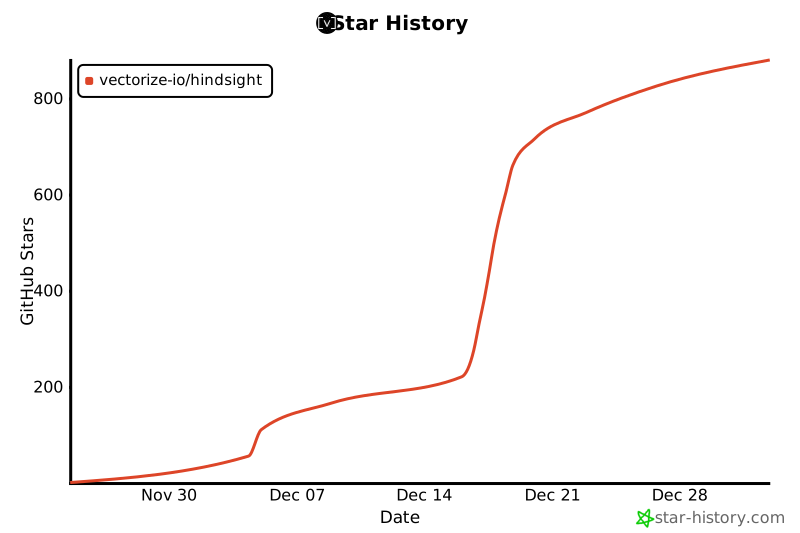](https://www.star-history.com/#vectorize-io/hindsight&type=date&legend=top-left)
|
||||
---
|
||||
|
||||
## Contributing
|
||||
|
||||
@@ -1,54 +0,0 @@
|
||||
# Docker Compose file for Hindsight with PostgreSQL and pgvector
|
||||
#
|
||||
# Make sure to set the required environment variables before running:
|
||||
# - HINDSIGHT_DB_PASSWORD: Password for the PostgreSQL user
|
||||
# - Configure LLM provider variables as needed (see below in the hindsight service)
|
||||
#
|
||||
# Usage:
|
||||
# docker compose up -d
|
||||
#
|
||||
# Optional environment variables with defaults:
|
||||
# - HINDSIGHT_VERSION: Hindsight application version (default: latest)
|
||||
# - HINDSIGHT_DB_USER: PostgreSQL user (default: hindsight_user)
|
||||
# - HINDSIGHT_DB_NAME: PostgreSQL database name (default: hindsight_db)
|
||||
# - HINDSIGHT_DB_VERSION: PostgreSQL version (default: 18)
|
||||
|
||||
services:
|
||||
db:
|
||||
# Use a PostgreSQL-Image with pgvector extension pre-installed
|
||||
# see https://hub.docker.com/r/pgvector/pgvector
|
||||
image: pgvector/pgvector:pg${HINDSIGHT_DB_VERSION:-18}
|
||||
container_name: hindsight-db
|
||||
restart: always
|
||||
# Expose PostgreSQL port
|
||||
# ports:
|
||||
# - "5432:5432"
|
||||
environment:
|
||||
POSTGRES_USER: ${HINDSIGHT_DB_USER:-hindsight_user}
|
||||
POSTGRES_PASSWORD: ${HINDSIGHT_DB_PASSWORD:?Please set the HINDSIGHT_DB_PASSWORD env variable}
|
||||
POSTGRES_DB: ${HINDSIGHT_DB_NAME:-hindsight_db}
|
||||
volumes:
|
||||
- pg_data:/var/lib/postgresql/${HINDSIGHT_DB_VERSION:-18}/docker
|
||||
networks:
|
||||
- hindsight-net
|
||||
|
||||
hindsight:
|
||||
image: ghcr.io/vectorize-io/hindsight:${HINDSIGHT_VERSION:-latest}
|
||||
container_name: hindsight-app
|
||||
ports:
|
||||
- "8888:8888"
|
||||
- "9999:9999"
|
||||
environment:
|
||||
- HINDSIGHT_API_LLM_API_KEY=${OPENAI_API_KEY?Please set the OPENAI_API_KEY env variable}
|
||||
- HINDSIGHT_API_DATABASE_URL=postgresql://${HINDSIGHT_DB_USER:-hindsight_user}:${HINDSIGHT_DB_PASSWORD:?Please set the HINDSIGHT_DB_PASSWORD env variable}@db:5432/${HINDSIGHT_DB_NAME:-hindsight_db}
|
||||
depends_on:
|
||||
- db
|
||||
networks:
|
||||
- hindsight-net
|
||||
|
||||
networks:
|
||||
hindsight-net:
|
||||
driver: bridge
|
||||
|
||||
volumes:
|
||||
pg_data:
|
||||
+59
-172
@@ -2,25 +2,16 @@
|
||||
# Supports building API-only, Control Plane-only, or both
|
||||
#
|
||||
# Build args:
|
||||
# INCLUDE_API=true/false - Include API (default: true)
|
||||
# INCLUDE_CP=true/false - Include Control Plane (default: true)
|
||||
# INCLUDE_LOCAL_MODELS=true/false - Include local ML models for embeddings/reranking (default: true)
|
||||
# Set to false when using external providers (TEI, OpenAI, Cohere)
|
||||
# PRELOAD_ML_MODELS=true/false - Pre-download ML models during build (default: true)
|
||||
# Only effective when INCLUDE_LOCAL_MODELS=true
|
||||
# NOTE: tiktoken encodings are ALWAYS preloaded (required for air-gapped deployments)
|
||||
# INCLUDE_API=true/false - Include API (default: true)
|
||||
# INCLUDE_CP=true/false - Include Control Plane (default: true)
|
||||
#
|
||||
# Examples:
|
||||
# docker build -t hindsight . # Both (standalone)
|
||||
# docker build -t hindsight-api --build-arg INCLUDE_CP=false . # API only
|
||||
# docker build -t hindsight-cp --build-arg INCLUDE_API=false . # Control Plane only
|
||||
# docker build -t hindsight --build-arg PRELOAD_ML_MODELS=false . # Skip ML model preload
|
||||
# docker build -t hindsight --build-arg INCLUDE_LOCAL_MODELS=false . # Skip local ML deps (for external providers)
|
||||
# docker build -t hindsight . # Both (standalone)
|
||||
# docker build -t hindsight-api --build-arg INCLUDE_CP=false . # API only
|
||||
# docker build -t hindsight-cp --build-arg INCLUDE_API=false . # Control Plane only
|
||||
|
||||
ARG INCLUDE_API=true
|
||||
ARG INCLUDE_CP=true
|
||||
ARG PRELOAD_ML_MODELS=true
|
||||
ARG INCLUDE_LOCAL_MODELS=true
|
||||
|
||||
# =============================================================================
|
||||
# Stage: API Builder
|
||||
@@ -28,7 +19,6 @@ ARG INCLUDE_LOCAL_MODELS=true
|
||||
FROM python:3.11-slim AS api-builder
|
||||
|
||||
ARG INCLUDE_API
|
||||
ARG INCLUDE_LOCAL_MODELS
|
||||
RUN if [ "$INCLUDE_API" != "true" ]; then echo "Skipping API build" && exit 0; fi
|
||||
|
||||
WORKDIR /app
|
||||
@@ -47,15 +37,6 @@ COPY hindsight-api/README.md ./api/
|
||||
|
||||
WORKDIR /app/api
|
||||
|
||||
# Remove local ML model dependencies if INCLUDE_LOCAL_MODELS=false
|
||||
# This creates a smaller image when using external providers (TEI, OpenAI, Cohere)
|
||||
RUN if [ "$INCLUDE_LOCAL_MODELS" != "true" ]; then \
|
||||
echo "Removing local-models dependencies (sentence-transformers, torch, transformers)..." && \
|
||||
sed -i '/"sentence-transformers/d' pyproject.toml && \
|
||||
sed -i '/"transformers/d' pyproject.toml && \
|
||||
sed -i '/"torch/d' pyproject.toml; \
|
||||
fi
|
||||
|
||||
# Sync dependencies (will create lock file if needed)
|
||||
RUN uv sync
|
||||
|
||||
@@ -79,8 +60,8 @@ WORKDIR /app
|
||||
COPY package.json package-lock.json ./
|
||||
COPY hindsight-clients/typescript/ ./hindsight-clients/typescript/
|
||||
|
||||
# Install and build SDK using workspace (--ignore-scripts skips git hooks setup)
|
||||
RUN npm ci --ignore-scripts -w @vectorize-io/hindsight-client
|
||||
# Install and build SDK using workspace
|
||||
RUN npm ci -w @vectorize-io/hindsight-client
|
||||
RUN npm run build -w @vectorize-io/hindsight-client
|
||||
|
||||
# =============================================================================
|
||||
@@ -91,48 +72,30 @@ FROM node:20-slim AS cp-builder
|
||||
ARG INCLUDE_CP
|
||||
RUN if [ "$INCLUDE_CP" != "true" ]; then echo "Skipping CP build" && exit 0; fi
|
||||
|
||||
# Create directory structure matching the monorepo layout
|
||||
# This is required because build:standalone script expects .next/standalone/memory-poc/hindsight-control-plane
|
||||
WORKDIR /app/memory-poc/hindsight-control-plane
|
||||
WORKDIR /app
|
||||
|
||||
# Copy built SDK
|
||||
COPY --from=sdk-builder /app/hindsight-clients/typescript /app/sdk
|
||||
|
||||
# Install Control Plane dependencies
|
||||
# Only copy package.json (not package-lock.json) to ensure npm installs
|
||||
# correct platform-specific native bindings for lightningcss/tailwindcss
|
||||
COPY hindsight-control-plane/package.json ./
|
||||
# Remove the file: dependency on SDK (we'll copy it directly later)
|
||||
RUN sed -i '/"@vectorize-io\/hindsight-client":/d' package.json
|
||||
RUN npm install
|
||||
|
||||
# Copy Control Plane source (excluding node_modules via .dockerignore)
|
||||
COPY hindsight-control-plane/ ./
|
||||
# Remove package-lock.json to avoid conflicts with installed native bindings
|
||||
# Also remove the file: dependency from package.json (restored by COPY above)
|
||||
RUN rm -f package-lock.json && sed -i '/"@vectorize-io\/hindsight-client":/d' package.json
|
||||
RUN rm -f package-lock.json
|
||||
|
||||
# Copy built SDK directly into node_modules (more reliable than npm link in Docker)
|
||||
COPY --from=sdk-builder /app/hindsight-clients/typescript ./node_modules/@vectorize-io/hindsight-client
|
||||
# Link SDK (temporary for build)
|
||||
RUN cd /app/sdk && npm link && cd /app && npm link @vectorize-io/hindsight-client
|
||||
|
||||
# Build Control Plane - run next build first, then custom standalone copy
|
||||
# (The build:standalone script expects a specific path structure that differs in Docker)
|
||||
RUN npm exec -- next build
|
||||
# Build Control Plane
|
||||
RUN npm run build
|
||||
|
||||
# Create standalone directory structure manually
|
||||
# Note: Must exclude node_modules from find to avoid wrong server.js from next/dist/experimental/testmode/
|
||||
# Note: Must explicitly copy .next since glob * doesn't match hidden directories
|
||||
RUN STANDALONE_ROOT=$(find .next/standalone -path '*/node_modules' -prune -o -name 'server.js' -print | head -1 | xargs dirname) && \
|
||||
mkdir -p standalone && \
|
||||
cp -r "$STANDALONE_ROOT"/* standalone/ && \
|
||||
cp -r "$STANDALONE_ROOT"/.next standalone/.next && \
|
||||
# Copy node_modules if separate from app dir (monorepo structure)
|
||||
if [ -d ".next/standalone/node_modules" ] && [ "$STANDALONE_ROOT" != ".next/standalone" ]; then \
|
||||
cp -r .next/standalone/node_modules standalone/node_modules; \
|
||||
fi && \
|
||||
cp -r .next/static standalone/.next/static && \
|
||||
mkdir -p standalone/public && \
|
||||
cp -r public/* standalone/public/ 2>/dev/null || true && \
|
||||
# Verify required files exist
|
||||
test -f standalone/server.js || (echo "ERROR: server.js missing!" && exit 1) && \
|
||||
test -f standalone/.next/BUILD_ID || (echo "ERROR: BUILD_ID missing!" && exit 1)
|
||||
# Create public directory if it doesn't exist
|
||||
RUN mkdir -p public
|
||||
|
||||
# =============================================================================
|
||||
# Stage: Final Image - API Only
|
||||
@@ -141,18 +104,18 @@ FROM python:3.11-slim AS api-only
|
||||
|
||||
WORKDIR /app
|
||||
|
||||
# Note: libicu version varies by Debian version - try common versions in order
|
||||
# Install pg0 dependencies
|
||||
RUN apt-get update && apt-get install -y \
|
||||
curl \
|
||||
procps \
|
||||
libxml2 \
|
||||
libssl3 \
|
||||
libgssapi-krb5-2 \
|
||||
libossp-uuid16 \
|
||||
&& (apt-get install -y libicu72 2>/dev/null || apt-get install -y libicu74 2>/dev/null || apt-get install -y libicu76 2>/dev/null || true) \
|
||||
&& apt-get install -y libicu72 || apt-get install -y libicu74 || apt-get install -y libicu* \
|
||||
&& rm -rf /var/lib/apt/lists/* \
|
||||
&& pip install --no-cache-dir uv
|
||||
|
||||
# Create non-root user (PostgreSQL cannot run as root)
|
||||
RUN useradd -m -s /bin/bash hindsight
|
||||
|
||||
# Copy API with virtual environment from builder
|
||||
@@ -162,65 +125,28 @@ COPY --from=api-builder /app/api /app/api
|
||||
COPY docker/standalone/start-all.sh /app/start-all.sh
|
||||
RUN chmod +x /app/start-all.sh
|
||||
|
||||
RUN chown -R hindsight:hindsight /app
|
||||
# Create data directory for pg0 and set ownership
|
||||
RUN mkdir -p /app/data && chown -R hindsight:hindsight /app
|
||||
|
||||
# Switch to non-root user
|
||||
USER hindsight
|
||||
|
||||
# Set PATH for hindsight user
|
||||
ENV PATH="/app/api/.venv/bin:${PATH}"
|
||||
|
||||
# Pre-download tiktoken encoding (ALWAYS - required for token counting even in air-gapped envs)
|
||||
# Tiktoken is a core runtime dependency, not an optional ML model
|
||||
RUN MAX_RETRIES=3; \
|
||||
RETRY_DELAY=5; \
|
||||
for i in $(seq 1 $MAX_RETRIES); do \
|
||||
echo "Attempt $i/$MAX_RETRIES: Downloading tiktoken encoding..."; \
|
||||
/app/api/.venv/bin/python -c "\
|
||||
import tiktoken; \
|
||||
print('Downloading cl100k_base encoding...'); \
|
||||
tiktoken.get_encoding('cl100k_base'); \
|
||||
print('Tiktoken encoding cached successfully')" && break; \
|
||||
if [ $i -lt $MAX_RETRIES ]; then \
|
||||
echo "Attempt $i failed, retrying in ${RETRY_DELAY}s..."; \
|
||||
sleep $RETRY_DELAY; \
|
||||
RETRY_DELAY=$((RETRY_DELAY * 2)); \
|
||||
fi; \
|
||||
done; \
|
||||
if [ $i -eq $MAX_RETRIES ]; then \
|
||||
echo "ERROR: Failed to download tiktoken encoding after $MAX_RETRIES attempts"; \
|
||||
exit 1; \
|
||||
fi
|
||||
# Pre-cache PostgreSQL binaries by starting/stopping pg0-embedded
|
||||
ENV PG0_HOME=/home/hindsight/.pg0-cache
|
||||
|
||||
# Pre-download ML models to avoid runtime download (conditional)
|
||||
# Only runs if both PRELOAD_ML_MODELS=true AND INCLUDE_LOCAL_MODELS=true
|
||||
# Includes retry logic with exponential backoff for transient network failures
|
||||
ARG PRELOAD_ML_MODELS
|
||||
ARG INCLUDE_LOCAL_MODELS
|
||||
ENV HF_HUB_DOWNLOAD_TIMEOUT=600
|
||||
RUN if [ "$PRELOAD_ML_MODELS" = "true" ] && [ "$INCLUDE_LOCAL_MODELS" = "true" ]; then \
|
||||
MAX_RETRIES=3; \
|
||||
RETRY_DELAY=10; \
|
||||
for i in $(seq 1 $MAX_RETRIES); do \
|
||||
echo "Attempt $i/$MAX_RETRIES: Downloading ML models..."; \
|
||||
/app/api/.venv/bin/python -c "\
|
||||
import os; os.environ['HF_HUB_DOWNLOAD_TIMEOUT'] = '600'; \
|
||||
ENV PG0_HOME=/home/hindsight/.pg0
|
||||
|
||||
# Pre-download ML models to avoid runtime download
|
||||
RUN /app/api/.venv/bin/python -c "\
|
||||
from sentence_transformers import SentenceTransformer, CrossEncoder; \
|
||||
print('Downloading embedding model...'); \
|
||||
SentenceTransformer('BAAI/bge-small-en-v1.5'); \
|
||||
print('Downloading cross-encoder model...'); \
|
||||
CrossEncoder('cross-encoder/ms-marco-MiniLM-L-6-v2'); \
|
||||
print('Models cached successfully')" && break; \
|
||||
if [ $i -lt $MAX_RETRIES ]; then \
|
||||
echo "Attempt $i failed, retrying in ${RETRY_DELAY}s..."; \
|
||||
sleep $RETRY_DELAY; \
|
||||
RETRY_DELAY=$((RETRY_DELAY * 2)); \
|
||||
fi; \
|
||||
done; \
|
||||
if [ $i -eq $MAX_RETRIES ] && ! /app/api/.venv/bin/python -c "from sentence_transformers import SentenceTransformer; SentenceTransformer('BAAI/bge-small-en-v1.5')" 2>/dev/null; then \
|
||||
echo "ERROR: Failed to download models after $MAX_RETRIES attempts"; \
|
||||
exit 1; \
|
||||
fi; \
|
||||
elif [ "$INCLUDE_LOCAL_MODELS" != "true" ]; then echo "Skipping ML model preload (local-models not included)"; \
|
||||
else echo "Skipping ML model preload"; fi
|
||||
print('Models cached successfully')"
|
||||
|
||||
EXPOSE 8888
|
||||
|
||||
@@ -230,10 +156,6 @@ ENV HINDSIGHT_API_LOG_LEVEL=info
|
||||
ENV HINDSIGHT_ENABLE_API=true
|
||||
ENV HINDSIGHT_ENABLE_CP=false
|
||||
ENV PYTHONUNBUFFERED=1
|
||||
# Suppress verbose transformers/HuggingFace model loading warnings
|
||||
ENV TRANSFORMERS_VERBOSITY=error
|
||||
ENV HF_HUB_VERBOSITY=error
|
||||
ENV TOKENIZERS_PARALLELISM=false
|
||||
|
||||
CMD ["/app/start-all.sh"]
|
||||
|
||||
@@ -249,9 +171,9 @@ COPY --from=sdk-builder /app/hindsight-clients/typescript /app/sdk
|
||||
|
||||
# Copy Control Plane standalone build
|
||||
WORKDIR /app/control-plane
|
||||
COPY --from=cp-builder /app/memory-poc/hindsight-control-plane/standalone ./
|
||||
COPY --from=cp-builder /app/memory-poc/hindsight-control-plane/.next/static ./.next/static
|
||||
COPY --from=cp-builder /app/memory-poc/hindsight-control-plane/public ./public
|
||||
COPY --from=cp-builder /app/.next/standalone ./
|
||||
COPY --from=cp-builder /app/.next/static ./.next/static
|
||||
COPY --from=cp-builder /app/public ./public
|
||||
|
||||
WORKDIR /app
|
||||
|
||||
@@ -278,21 +200,20 @@ FROM python:3.11-slim AS standalone
|
||||
|
||||
WORKDIR /app
|
||||
|
||||
# Install Node.js, curl, uv, and system dependencies
|
||||
# Note: libicu version varies by Debian version - try common versions in order
|
||||
# Install Node.js, curl, uv, and pg0 dependencies
|
||||
RUN apt-get update && apt-get install -y \
|
||||
curl \
|
||||
procps \
|
||||
libxml2 \
|
||||
libssl3 \
|
||||
libgssapi-krb5-2 \
|
||||
libossp-uuid16 \
|
||||
&& (apt-get install -y libicu72 2>/dev/null || apt-get install -y libicu74 2>/dev/null || apt-get install -y libicu76 2>/dev/null || true) \
|
||||
&& apt-get install -y libicu72 || apt-get install -y libicu74 || apt-get install -y libicu* \
|
||||
&& curl -fsSL https://deb.nodesource.com/setup_20.x | bash - \
|
||||
&& apt-get install -y nodejs \
|
||||
&& rm -rf /var/lib/apt/lists/* \
|
||||
&& pip install --no-cache-dir uv
|
||||
|
||||
# Create non-root user (PostgreSQL cannot run as root)
|
||||
RUN useradd -m -s /bin/bash hindsight
|
||||
|
||||
# Copy API with virtual environment from builder
|
||||
@@ -303,9 +224,9 @@ COPY --from=sdk-builder /app/hindsight-clients/typescript /app/sdk
|
||||
|
||||
# Copy Control Plane standalone build
|
||||
WORKDIR /app/control-plane
|
||||
COPY --from=cp-builder /app/memory-poc/hindsight-control-plane/standalone ./
|
||||
COPY --from=cp-builder /app/memory-poc/hindsight-control-plane/.next/static ./.next/static
|
||||
COPY --from=cp-builder /app/memory-poc/hindsight-control-plane/public ./public
|
||||
COPY --from=cp-builder /app/.next/standalone ./
|
||||
COPY --from=cp-builder /app/.next/static ./.next/static
|
||||
COPY --from=cp-builder /app/public ./public
|
||||
|
||||
WORKDIR /app
|
||||
|
||||
@@ -313,65 +234,35 @@ WORKDIR /app
|
||||
COPY docker/standalone/start-all.sh /app/start-all.sh
|
||||
RUN chmod +x /app/start-all.sh
|
||||
|
||||
RUN chown -R hindsight:hindsight /app
|
||||
# Create data directory for pg0 and set ownership
|
||||
RUN mkdir -p /app/data && chown -R hindsight:hindsight /app
|
||||
|
||||
# Switch to non-root user
|
||||
USER hindsight
|
||||
|
||||
# Set PATH for hindsight user
|
||||
ENV PATH="/app/api/.venv/bin:${PATH}"
|
||||
|
||||
# Pre-download tiktoken encoding (ALWAYS - required for token counting even in air-gapped envs)
|
||||
# Tiktoken is a core runtime dependency, not an optional ML model
|
||||
RUN MAX_RETRIES=3; \
|
||||
RETRY_DELAY=5; \
|
||||
for i in $(seq 1 $MAX_RETRIES); do \
|
||||
echo "Attempt $i/$MAX_RETRIES: Downloading tiktoken encoding..."; \
|
||||
/app/api/.venv/bin/python -c "\
|
||||
import tiktoken; \
|
||||
print('Downloading cl100k_base encoding...'); \
|
||||
tiktoken.get_encoding('cl100k_base'); \
|
||||
print('Tiktoken encoding cached successfully')" && break; \
|
||||
if [ $i -lt $MAX_RETRIES ]; then \
|
||||
echo "Attempt $i failed, retrying in ${RETRY_DELAY}s..."; \
|
||||
sleep $RETRY_DELAY; \
|
||||
RETRY_DELAY=$((RETRY_DELAY * 2)); \
|
||||
fi; \
|
||||
done; \
|
||||
if [ $i -eq $MAX_RETRIES ]; then \
|
||||
echo "ERROR: Failed to download tiktoken encoding after $MAX_RETRIES attempts"; \
|
||||
exit 1; \
|
||||
fi
|
||||
# Pre-cache PostgreSQL binaries by starting/stopping pg0-embedded
|
||||
ENV PG0_HOME=/home/hindsight/.pg0-cache
|
||||
RUN /app/api/.venv/bin/python -c "\
|
||||
from pg0 import Pg0; \
|
||||
print('Pre-caching PostgreSQL binaries...'); \
|
||||
pg = Pg0(name='hindsight', port=5555, username='hindsight', password='hindsight', database='hindsight'); \
|
||||
pg.start(); \
|
||||
pg.stop(); \
|
||||
print('PostgreSQL pre-cached to PG0_HOME')" || echo "Pre-download skipped"
|
||||
|
||||
# Pre-download ML models to avoid runtime download (conditional)
|
||||
# Only runs if both PRELOAD_ML_MODELS=true AND INCLUDE_LOCAL_MODELS=true
|
||||
# Includes retry logic with exponential backoff for transient network failures
|
||||
ARG PRELOAD_ML_MODELS
|
||||
ARG INCLUDE_LOCAL_MODELS
|
||||
ENV HF_HUB_DOWNLOAD_TIMEOUT=600
|
||||
RUN if [ "$PRELOAD_ML_MODELS" = "true" ] && [ "$INCLUDE_LOCAL_MODELS" = "true" ]; then \
|
||||
MAX_RETRIES=3; \
|
||||
RETRY_DELAY=10; \
|
||||
for i in $(seq 1 $MAX_RETRIES); do \
|
||||
echo "Attempt $i/$MAX_RETRIES: Downloading ML models..."; \
|
||||
/app/api/.venv/bin/python -c "\
|
||||
import os; os.environ['HF_HUB_DOWNLOAD_TIMEOUT'] = '600'; \
|
||||
ENV PG0_HOME=/home/hindsight/.pg0
|
||||
|
||||
# Pre-download ML models to avoid runtime download
|
||||
RUN /app/api/.venv/bin/python -c "\
|
||||
from sentence_transformers import SentenceTransformer, CrossEncoder; \
|
||||
print('Downloading embedding model...'); \
|
||||
SentenceTransformer('BAAI/bge-small-en-v1.5'); \
|
||||
print('Downloading cross-encoder model...'); \
|
||||
CrossEncoder('cross-encoder/ms-marco-MiniLM-L-6-v2'); \
|
||||
print('Models cached successfully')" && break; \
|
||||
if [ $i -lt $MAX_RETRIES ]; then \
|
||||
echo "Attempt $i failed, retrying in ${RETRY_DELAY}s..."; \
|
||||
sleep $RETRY_DELAY; \
|
||||
RETRY_DELAY=$((RETRY_DELAY * 2)); \
|
||||
fi; \
|
||||
done; \
|
||||
if [ $i -eq $MAX_RETRIES ] && ! /app/api/.venv/bin/python -c "from sentence_transformers import SentenceTransformer; SentenceTransformer('BAAI/bge-small-en-v1.5')" 2>/dev/null; then \
|
||||
echo "ERROR: Failed to download models after $MAX_RETRIES attempts"; \
|
||||
exit 1; \
|
||||
fi; \
|
||||
elif [ "$INCLUDE_LOCAL_MODELS" != "true" ]; then echo "Skipping ML model preload (local-models not included)"; \
|
||||
else echo "Skipping ML model preload"; fi
|
||||
print('Models cached successfully')"
|
||||
|
||||
EXPOSE 8888 9999
|
||||
|
||||
@@ -383,10 +274,6 @@ ENV HINDSIGHT_CP_DATAPLANE_API_URL=http://localhost:8888
|
||||
ENV HINDSIGHT_ENABLE_API=true
|
||||
ENV HINDSIGHT_ENABLE_CP=true
|
||||
ENV PYTHONUNBUFFERED=1
|
||||
# Suppress verbose transformers/HuggingFace model loading warnings
|
||||
ENV TRANSFORMERS_VERBOSITY=error
|
||||
ENV HF_HUB_VERBOSITY=error
|
||||
ENV TOKENIZERS_PARALLELISM=false
|
||||
|
||||
CMD ["/app/start-all.sh"]
|
||||
|
||||
|
||||
@@ -5,70 +5,16 @@ set -e
|
||||
ENABLE_API="${HINDSIGHT_ENABLE_API:-true}"
|
||||
ENABLE_CP="${HINDSIGHT_ENABLE_CP:-true}"
|
||||
|
||||
# =============================================================================
|
||||
# Dependency waiting (opt-in via HINDSIGHT_WAIT_FOR_DEPS=true)
|
||||
#
|
||||
# Problem: When running with LM Studio, the LLM may take time to load models.
|
||||
# If Hindsight starts before LM Studio is ready, it fails on LLM verification.
|
||||
# This wait loop ensures dependencies are ready before starting.
|
||||
# =============================================================================
|
||||
if [ "${HINDSIGHT_WAIT_FOR_DEPS:-false}" = "true" ]; then
|
||||
LLM_BASE_URL="${HINDSIGHT_API_LLM_BASE_URL:-http://host.docker.internal:1234/v1}"
|
||||
MAX_RETRIES="${HINDSIGHT_RETRY_MAX:-0}" # 0 = infinite
|
||||
RETRY_INTERVAL="${HINDSIGHT_RETRY_INTERVAL:-10}"
|
||||
|
||||
# Check if external database is configured (skip check for embedded pg0)
|
||||
SKIP_DB_CHECK=false
|
||||
if [ -z "${HINDSIGHT_API_DATABASE_URL}" ]; then
|
||||
SKIP_DB_CHECK=true
|
||||
else
|
||||
DB_CHECK_HOST=$(echo "$HINDSIGHT_API_DATABASE_URL" | sed -E 's|.*@([^:/]+):([0-9]+)/.*|\1 \2|')
|
||||
# Copy pre-cached PostgreSQL data if runtime directory is empty (first run with volume)
|
||||
if [ "$ENABLE_API" = "true" ]; then
|
||||
PG0_CACHE="/home/hindsight/.pg0-cache"
|
||||
PG0_HOME="/home/hindsight/.pg0"
|
||||
if [ -d "$PG0_CACHE" ] && [ "$(ls -A $PG0_CACHE 2>/dev/null)" ]; then
|
||||
if [ ! "$(ls -A $PG0_HOME 2>/dev/null)" ]; then
|
||||
echo "📦 Copying pre-cached PostgreSQL data..."
|
||||
cp -r "$PG0_CACHE"/* "$PG0_HOME"/ 2>/dev/null || true
|
||||
fi
|
||||
fi
|
||||
|
||||
check_db() {
|
||||
if $SKIP_DB_CHECK; then
|
||||
return 0
|
||||
fi
|
||||
if command -v pg_isready &> /dev/null; then
|
||||
pg_isready -h $(echo $DB_CHECK_HOST | cut -d' ' -f1) -p $(echo $DB_CHECK_HOST | cut -d' ' -f2) &>/dev/null
|
||||
else
|
||||
python3 -c "import socket; s=socket.socket(); s.settimeout(5); exit(0 if s.connect_ex(('$(echo $DB_CHECK_HOST | cut -d' ' -f1)', $(echo $DB_CHECK_HOST | cut -d' ' -f2))) == 0 else 1)" 2>/dev/null
|
||||
fi
|
||||
}
|
||||
|
||||
check_llm() {
|
||||
curl -sf "${LLM_BASE_URL}/models" --connect-timeout 5 &>/dev/null
|
||||
}
|
||||
|
||||
echo "⏳ Waiting for dependencies to be ready..."
|
||||
attempt=1
|
||||
|
||||
while true; do
|
||||
db_ok=false
|
||||
llm_ok=false
|
||||
|
||||
if check_db; then
|
||||
db_ok=true
|
||||
fi
|
||||
|
||||
if check_llm; then
|
||||
llm_ok=true
|
||||
fi
|
||||
|
||||
if $db_ok && $llm_ok; then
|
||||
echo "✅ Dependencies ready!"
|
||||
break
|
||||
fi
|
||||
|
||||
if [ "$MAX_RETRIES" -ne 0 ] && [ "$attempt" -ge "$MAX_RETRIES" ]; then
|
||||
echo "❌ Max retries ($MAX_RETRIES) reached. Dependencies not available."
|
||||
exit 1
|
||||
fi
|
||||
|
||||
echo " Attempt $attempt: DB=$( $db_ok && echo 'ok' || echo 'waiting' ), LLM=$( $llm_ok && echo 'ok' || echo 'waiting' )"
|
||||
sleep "$RETRY_INTERVAL"
|
||||
((attempt++))
|
||||
done
|
||||
fi
|
||||
|
||||
# Track PIDs for wait
|
||||
@@ -77,8 +23,7 @@ PIDS=()
|
||||
# Start API if enabled
|
||||
if [ "$ENABLE_API" = "true" ]; then
|
||||
cd /app/api
|
||||
# Run API directly - Python's PYTHONUNBUFFERED=1 handles output buffering
|
||||
hindsight-api &
|
||||
hindsight-api 2>&1 | sed -u 's/^/[api] /' &
|
||||
API_PID=$!
|
||||
PIDS+=($API_PID)
|
||||
|
||||
@@ -97,7 +42,7 @@ fi
|
||||
if [ "$ENABLE_CP" = "true" ]; then
|
||||
echo "🎛️ Starting Control Plane..."
|
||||
cd /app/control-plane
|
||||
PORT=9999 node server.js &
|
||||
PORT=9999 node server.js 2>&1 | grep -v -E "^[[:space:]]*(▲|✓|-|$)" | sed -u 's/^/[control-plane] /' &
|
||||
CP_PID=$!
|
||||
PIDS+=($CP_PID)
|
||||
else
|
||||
|
||||
@@ -1,201 +0,0 @@
|
||||
#!/bin/bash
|
||||
#
|
||||
# Docker Smoke Test Script
|
||||
#
|
||||
# Tests that a Hindsight Docker image starts correctly and becomes healthy.
|
||||
# Can be run locally or in CI pipelines.
|
||||
#
|
||||
# Usage:
|
||||
# ./docker/test-image.sh <image> [target]
|
||||
#
|
||||
# Arguments:
|
||||
# image - Docker image to test (e.g., hindsight-api:test, ghcr.io/vectorize-io/hindsight:latest)
|
||||
# target - Optional: 'cp-only' for control plane, otherwise assumes API image (default: api)
|
||||
#
|
||||
# Environment variables:
|
||||
# GROQ_API_KEY - Required for API/standalone images (LLM verification)
|
||||
# HINDSIGHT_API_LLM_PROVIDER - LLM provider (default: groq)
|
||||
# HINDSIGHT_API_LLM_MODEL - LLM model (default: llama-3.3-70b-versatile)
|
||||
# HINDSIGHT_API_EMBEDDINGS_PROVIDER - Embeddings provider (optional, for slim images: openai, cohere, tei)
|
||||
# HINDSIGHT_API_EMBEDDINGS_OPENAI_API_KEY - OpenAI API key for embeddings (optional)
|
||||
# HINDSIGHT_API_RERANKER_PROVIDER - Reranker provider (optional, for slim images: cohere, tei)
|
||||
# HINDSIGHT_API_COHERE_API_KEY - Cohere API key for reranking (optional)
|
||||
# SMOKE_TEST_TIMEOUT - Timeout in seconds (default: 120)
|
||||
# SMOKE_TEST_CONTAINER_NAME - Container name (default: hindsight-smoke-test)
|
||||
#
|
||||
# Examples:
|
||||
# # Test a locally built full image
|
||||
# ./docker/test-image.sh hindsight-api:test
|
||||
#
|
||||
# # Test a released image
|
||||
# ./docker/test-image.sh ghcr.io/vectorize-io/hindsight:latest
|
||||
#
|
||||
# # Test control plane image
|
||||
# ./docker/test-image.sh hindsight-control-plane:test cp-only
|
||||
#
|
||||
# # Test slim image with external providers
|
||||
# export GROQ_API_KEY=gsk_xxx
|
||||
# export HINDSIGHT_API_EMBEDDINGS_PROVIDER=openai
|
||||
# export HINDSIGHT_API_EMBEDDINGS_OPENAI_API_KEY=sk-xxx
|
||||
# export HINDSIGHT_API_RERANKER_PROVIDER=cohere
|
||||
# export HINDSIGHT_API_COHERE_API_KEY=xxx
|
||||
# ./docker/test-image.sh hindsight-slim:test
|
||||
#
|
||||
# Exit codes:
|
||||
# 0 - Success (container healthy)
|
||||
# 1 - Failure (container not healthy within timeout)
|
||||
# 2 - Invalid arguments
|
||||
#
|
||||
|
||||
set -euo pipefail
|
||||
|
||||
# Colors for output
|
||||
RED='\033[0;31m'
|
||||
GREEN='\033[0;32m'
|
||||
YELLOW='\033[0;33m'
|
||||
NC='\033[0m' # No Color
|
||||
|
||||
# Configuration
|
||||
IMAGE="${1:-}"
|
||||
TARGET="${2:-api}"
|
||||
TIMEOUT="${SMOKE_TEST_TIMEOUT:-120}"
|
||||
CONTAINER_NAME="${SMOKE_TEST_CONTAINER_NAME:-hindsight-smoke-test}"
|
||||
LLM_PROVIDER="${HINDSIGHT_API_LLM_PROVIDER:-groq}"
|
||||
LLM_MODEL="${HINDSIGHT_API_LLM_MODEL:-llama-3.3-70b-versatile}"
|
||||
|
||||
# Validate arguments
|
||||
if [ -z "$IMAGE" ]; then
|
||||
echo -e "${RED}Error: Image argument is required${NC}"
|
||||
echo ""
|
||||
echo "Usage: $0 <image> [target]"
|
||||
echo ""
|
||||
echo "Examples:"
|
||||
echo " $0 hindsight-api:test"
|
||||
echo " $0 ghcr.io/vectorize-io/hindsight:latest"
|
||||
echo " $0 hindsight-control-plane:test cp-only"
|
||||
exit 2
|
||||
fi
|
||||
|
||||
# Determine health endpoint based on target
|
||||
if [ "$TARGET" = "cp-only" ]; then
|
||||
HEALTH_PORT=9999
|
||||
HEALTH_PATH="/api/health"
|
||||
NEEDS_LLM=false
|
||||
else
|
||||
HEALTH_PORT=8888
|
||||
HEALTH_PATH="/health"
|
||||
NEEDS_LLM=true
|
||||
fi
|
||||
|
||||
# Check for required environment variables
|
||||
if [ "$NEEDS_LLM" = true ] && [ -z "${GROQ_API_KEY:-}" ]; then
|
||||
echo -e "${RED}Error: GROQ_API_KEY environment variable is required for API/standalone images${NC}"
|
||||
echo "Set it with: export GROQ_API_KEY=your-api-key"
|
||||
exit 2
|
||||
fi
|
||||
|
||||
# Cleanup function
|
||||
cleanup() {
|
||||
echo "Cleaning up..."
|
||||
docker stop "$CONTAINER_NAME" 2>/dev/null || true
|
||||
docker rm "$CONTAINER_NAME" 2>/dev/null || true
|
||||
}
|
||||
|
||||
# Set trap to cleanup on exit
|
||||
trap cleanup EXIT
|
||||
|
||||
echo -e "${YELLOW}Starting smoke test for: ${IMAGE}${NC}"
|
||||
echo " Target: $TARGET"
|
||||
echo " Health endpoint: http://localhost:${HEALTH_PORT}${HEALTH_PATH}"
|
||||
echo " Timeout: ${TIMEOUT}s"
|
||||
echo ""
|
||||
|
||||
# Remove any existing container with the same name
|
||||
docker rm -f "$CONTAINER_NAME" 2>/dev/null || true
|
||||
|
||||
# Start container based on target type
|
||||
echo "Starting container..."
|
||||
if [ "$TARGET" = "cp-only" ]; then
|
||||
docker run -d --name "$CONTAINER_NAME" \
|
||||
-p "${HEALTH_PORT}:${HEALTH_PORT}" \
|
||||
"$IMAGE"
|
||||
else
|
||||
# Build docker run command with required and optional env vars
|
||||
DOCKER_CMD="docker run -d --name $CONTAINER_NAME"
|
||||
DOCKER_CMD="$DOCKER_CMD -e HINDSIGHT_API_LLM_PROVIDER=$LLM_PROVIDER"
|
||||
DOCKER_CMD="$DOCKER_CMD -e HINDSIGHT_API_LLM_API_KEY=${GROQ_API_KEY}"
|
||||
DOCKER_CMD="$DOCKER_CMD -e HINDSIGHT_API_LLM_MODEL=$LLM_MODEL"
|
||||
|
||||
# Add optional embeddings provider config
|
||||
if [ -n "${HINDSIGHT_API_EMBEDDINGS_PROVIDER:-}" ]; then
|
||||
DOCKER_CMD="$DOCKER_CMD -e HINDSIGHT_API_EMBEDDINGS_PROVIDER=${HINDSIGHT_API_EMBEDDINGS_PROVIDER}"
|
||||
fi
|
||||
if [ -n "${HINDSIGHT_API_EMBEDDINGS_OPENAI_API_KEY:-}" ]; then
|
||||
DOCKER_CMD="$DOCKER_CMD -e HINDSIGHT_API_EMBEDDINGS_OPENAI_API_KEY=${HINDSIGHT_API_EMBEDDINGS_OPENAI_API_KEY}"
|
||||
fi
|
||||
|
||||
# Add optional reranker provider config
|
||||
if [ -n "${HINDSIGHT_API_RERANKER_PROVIDER:-}" ]; then
|
||||
DOCKER_CMD="$DOCKER_CMD -e HINDSIGHT_API_RERANKER_PROVIDER=${HINDSIGHT_API_RERANKER_PROVIDER}"
|
||||
fi
|
||||
if [ -n "${HINDSIGHT_API_COHERE_API_KEY:-}" ]; then
|
||||
DOCKER_CMD="$DOCKER_CMD -e HINDSIGHT_API_COHERE_API_KEY=${HINDSIGHT_API_COHERE_API_KEY}"
|
||||
fi
|
||||
|
||||
DOCKER_CMD="$DOCKER_CMD -p ${HEALTH_PORT}:${HEALTH_PORT}"
|
||||
DOCKER_CMD="$DOCKER_CMD $IMAGE"
|
||||
|
||||
eval $DOCKER_CMD
|
||||
fi
|
||||
|
||||
# Wait for health endpoint
|
||||
echo "Waiting for health endpoint at http://localhost:${HEALTH_PORT}${HEALTH_PATH}..."
|
||||
start_time=$(date +%s)
|
||||
|
||||
for i in $(seq 1 "$TIMEOUT"); do
|
||||
if curl -sf "http://localhost:${HEALTH_PORT}${HEALTH_PATH}" > /dev/null 2>&1; then
|
||||
end_time=$(date +%s)
|
||||
duration=$((end_time - start_time))
|
||||
echo ""
|
||||
echo -e "${GREEN}Container is healthy after ${duration}s${NC}"
|
||||
echo ""
|
||||
echo "=== Health Response ==="
|
||||
curl -s "http://localhost:${HEALTH_PORT}${HEALTH_PATH}" | python3 -m json.tool 2>/dev/null || curl -s "http://localhost:${HEALTH_PORT}${HEALTH_PATH}"
|
||||
echo ""
|
||||
echo ""
|
||||
echo "=== Container Logs (last 50 lines) ==="
|
||||
docker logs "$CONTAINER_NAME" 2>&1 | tail -50
|
||||
echo ""
|
||||
echo -e "${GREEN}Smoke test PASSED${NC}"
|
||||
exit 0
|
||||
fi
|
||||
|
||||
# Show progress every 10 seconds
|
||||
if [ $((i % 10)) -eq 0 ]; then
|
||||
echo " Still waiting... (${i}s)"
|
||||
fi
|
||||
|
||||
# Check if container is still running
|
||||
if ! docker ps -q -f "name=$CONTAINER_NAME" | grep -q .; then
|
||||
echo ""
|
||||
echo -e "${RED}Container exited unexpectedly!${NC}"
|
||||
echo ""
|
||||
echo "=== Container Logs ==="
|
||||
docker logs "$CONTAINER_NAME" 2>&1
|
||||
echo ""
|
||||
echo -e "${RED}Smoke test FAILED${NC}"
|
||||
exit 1
|
||||
fi
|
||||
|
||||
sleep 1
|
||||
done
|
||||
|
||||
# Timeout reached
|
||||
echo ""
|
||||
echo -e "${RED}Container failed to become healthy after ${TIMEOUT}s${NC}"
|
||||
echo ""
|
||||
echo "=== Container Logs ==="
|
||||
docker logs "$CONTAINER_NAME" 2>&1
|
||||
echo ""
|
||||
echo -e "${RED}Smoke test FAILED${NC}"
|
||||
exit 1
|
||||
@@ -1,51 +0,0 @@
|
||||
#!/bin/bash
|
||||
#
|
||||
# Local Test Script for Slim Docker Images
|
||||
#
|
||||
# This script makes it easy to test slim images locally with external providers.
|
||||
# It expects API keys to be set in environment variables.
|
||||
#
|
||||
# Usage:
|
||||
# export GROQ_API_KEY=gsk_xxx
|
||||
# export OPENAI_API_KEY=sk-xxx
|
||||
# export COHERE_API_KEY=xxx
|
||||
# ./docker/test-slim-local.sh
|
||||
#
|
||||
# Or inline:
|
||||
# GROQ_API_KEY=gsk_xxx OPENAI_API_KEY=sk_xxx COHERE_API_KEY=xxx ./docker/test-slim-local.sh
|
||||
#
|
||||
|
||||
set -euo pipefail
|
||||
|
||||
# Check for required API keys
|
||||
if [ -z "${GROQ_API_KEY:-}" ]; then
|
||||
echo "❌ Error: GROQ_API_KEY environment variable is required"
|
||||
echo "Set it with: export GROQ_API_KEY=gsk_xxx"
|
||||
exit 1
|
||||
fi
|
||||
|
||||
if [ -z "${OPENAI_API_KEY:-}" ]; then
|
||||
echo "❌ Error: OPENAI_API_KEY environment variable is required"
|
||||
echo "Set it with: export OPENAI_API_KEY=sk-xxx"
|
||||
exit 1
|
||||
fi
|
||||
|
||||
if [ -z "${COHERE_API_KEY:-}" ]; then
|
||||
echo "❌ Error: COHERE_API_KEY environment variable is required"
|
||||
echo "Set it with: export COHERE_API_KEY=xxx"
|
||||
exit 1
|
||||
fi
|
||||
|
||||
# Configuration
|
||||
IMAGE="${1:-hindsight-slim:test}"
|
||||
echo "Testing image: $IMAGE"
|
||||
echo ""
|
||||
|
||||
# Set up external providers
|
||||
export HINDSIGHT_API_EMBEDDINGS_PROVIDER=openai
|
||||
export HINDSIGHT_API_EMBEDDINGS_OPENAI_API_KEY=$OPENAI_API_KEY
|
||||
export HINDSIGHT_API_RERANKER_PROVIDER=cohere
|
||||
export HINDSIGHT_API_COHERE_API_KEY=$COHERE_API_KEY
|
||||
|
||||
# Run the test
|
||||
exec "$(dirname "$0")/test-image.sh" "$IMAGE" standalone
|
||||
@@ -2,8 +2,8 @@ apiVersion: v2
|
||||
name: hindsight
|
||||
description: Hindsight helm chart
|
||||
type: application
|
||||
version: 0.4.10
|
||||
appVersion: "0.4.10"
|
||||
version: 0.1.5
|
||||
appVersion: "0.1.5"
|
||||
keywords:
|
||||
- ai
|
||||
- memory
|
||||
|
||||
@@ -80,22 +80,6 @@ Control plane selector labels
|
||||
app.kubernetes.io/component: control-plane
|
||||
{{- end }}
|
||||
|
||||
{{/*
|
||||
Worker labels
|
||||
*/}}
|
||||
{{- define "hindsight.worker.labels" -}}
|
||||
{{ include "hindsight.labels" . }}
|
||||
app.kubernetes.io/component: worker
|
||||
{{- end }}
|
||||
|
||||
{{/*
|
||||
Worker selector labels
|
||||
*/}}
|
||||
{{- define "hindsight.worker.selectorLabels" -}}
|
||||
{{ include "hindsight.selectorLabels" . }}
|
||||
app.kubernetes.io/component: worker
|
||||
{{- end }}
|
||||
|
||||
{{/*
|
||||
Create the name of the service account to use
|
||||
*/}}
|
||||
@@ -126,46 +110,3 @@ API URL for control plane
|
||||
{{- define "hindsight.apiUrl" -}}
|
||||
{{- printf "http://%s-api:%d" (include "hindsight.fullname" .) (.Values.api.service.port | int) }}
|
||||
{{- end }}
|
||||
|
||||
{{/*
|
||||
TEI reranker labels
|
||||
*/}}
|
||||
{{- define "hindsight.tei.reranker.labels" -}}
|
||||
{{ include "hindsight.labels" . }}
|
||||
app.kubernetes.io/component: tei-reranker
|
||||
{{- end }}
|
||||
|
||||
{{/*
|
||||
TEI reranker selector labels
|
||||
*/}}
|
||||
{{- define "hindsight.tei.reranker.selectorLabels" -}}
|
||||
{{ include "hindsight.selectorLabels" . }}
|
||||
app.kubernetes.io/component: tei-reranker
|
||||
{{- end }}
|
||||
|
||||
{{/*
|
||||
TEI embedding labels
|
||||
*/}}
|
||||
{{- define "hindsight.tei.embedding.labels" -}}
|
||||
{{ include "hindsight.labels" . }}
|
||||
app.kubernetes.io/component: tei-embedding
|
||||
{{- end }}
|
||||
|
||||
{{/*
|
||||
TEI embedding selector labels
|
||||
*/}}
|
||||
{{- define "hindsight.tei.embedding.selectorLabels" -}}
|
||||
{{ include "hindsight.selectorLabels" . }}
|
||||
app.kubernetes.io/component: tei-embedding
|
||||
{{- end }}
|
||||
|
||||
{{/*
|
||||
Get the name of the secret to use
|
||||
*/}}
|
||||
{{- define "hindsight.secretName" -}}
|
||||
{{- if .Values.existingSecret }}
|
||||
{{- .Values.existingSecret }}
|
||||
{{- else }}
|
||||
{{- printf "%s-secret" (include "hindsight.fullname" .) }}
|
||||
{{- end }}
|
||||
{{- end }}
|
||||
|
||||
@@ -15,9 +15,7 @@ spec:
|
||||
template:
|
||||
metadata:
|
||||
annotations:
|
||||
{{- if not .Values.existingSecret }}
|
||||
checksum/secret: {{ include (print $.Template.BasePath "/secret.yaml") . | sha256sum }}
|
||||
{{- end }}
|
||||
{{- with .Values.podAnnotations }}
|
||||
{{- toYaml . | nindent 8 }}
|
||||
{{- end }}
|
||||
@@ -33,62 +31,33 @@ spec:
|
||||
- name: api
|
||||
securityContext:
|
||||
{{- toYaml .Values.securityContext | nindent 10 }}
|
||||
image: "{{ .Values.api.image.repository }}:{{ .Values.api.image.tag | default .Values.version | default .Chart.AppVersion }}"
|
||||
image: "{{ .Values.api.image.repository }}:{{ .Values.api.image.tag | default .Values.version }}"
|
||||
imagePullPolicy: {{ .Values.api.image.pullPolicy }}
|
||||
ports:
|
||||
- name: http
|
||||
containerPort: {{ .Values.api.service.targetPort }}
|
||||
protocol: TCP
|
||||
{{- if .Values.existingSecret }}
|
||||
envFrom:
|
||||
- secretRef:
|
||||
name: {{ .Values.existingSecret }}
|
||||
{{- end }}
|
||||
env:
|
||||
{{- /* POSTGRES_PASSWORD must be defined before DATABASE_URL for $(VAR) interpolation */}}
|
||||
- name: HINDSIGHT_API_DATABASE_URL
|
||||
value: {{ include "hindsight.databaseUrl" . | quote }}
|
||||
{{- if not .Values.postgresql.enabled }}
|
||||
- name: POSTGRES_PASSWORD
|
||||
valueFrom:
|
||||
secretKeyRef:
|
||||
name: {{ include "hindsight.secretName" . }}
|
||||
name: {{ include "hindsight.fullname" . }}-secret
|
||||
key: postgres-password
|
||||
{{- end }}
|
||||
- name: HINDSIGHT_API_DATABASE_URL
|
||||
value: {{ include "hindsight.databaseUrl" . | quote }}
|
||||
{{- /* Disable internal worker when dedicated workers are enabled */}}
|
||||
{{- if .Values.worker.enabled }}
|
||||
- name: HINDSIGHT_API_WORKER_ENABLED
|
||||
value: "false"
|
||||
{{- end }}
|
||||
{{- /* Explicitly set port to override K8s service discovery env var (HINDSIGHT_API_PORT) */}}
|
||||
- name: HINDSIGHT_API_PORT
|
||||
value: {{ .Values.api.service.targetPort | quote }}
|
||||
{{- range $key, $value := .Values.api.env }}
|
||||
- name: {{ $key }}
|
||||
value: {{ $value | quote }}
|
||||
{{- end }}
|
||||
{{- if .Values.tei.reranker.enabled }}
|
||||
- name: HINDSIGHT_API_RERANKER_PROVIDER
|
||||
value: "tei"
|
||||
- name: HINDSIGHT_API_RERANKER_TEI_URL
|
||||
value: "http://{{ include "hindsight.fullname" . }}-tei-reranker:{{ .Values.tei.reranker.port }}"
|
||||
{{- end }}
|
||||
{{- if .Values.tei.embedding.enabled }}
|
||||
- name: HINDSIGHT_API_EMBEDDINGS_PROVIDER
|
||||
value: "tei"
|
||||
- name: HINDSIGHT_API_EMBEDDINGS_TEI_URL
|
||||
value: "http://{{ include "hindsight.fullname" . }}-tei-embedding:{{ .Values.tei.embedding.port }}"
|
||||
{{- end }}
|
||||
{{- /* Only use api.secrets when not using existingSecret (for chart-managed secrets) */}}
|
||||
{{- if not .Values.existingSecret }}
|
||||
{{- range $key, $value := .Values.api.secrets }}
|
||||
- name: {{ $key }}
|
||||
valueFrom:
|
||||
secretKeyRef:
|
||||
name: {{ include "hindsight.secretName" $ }}
|
||||
name: {{ include "hindsight.fullname" $ }}-secret
|
||||
key: {{ $key }}
|
||||
{{- end }}
|
||||
{{- end }}
|
||||
livenessProbe:
|
||||
{{- toYaml .Values.api.livenessProbe | nindent 10 }}
|
||||
readinessProbe:
|
||||
@@ -99,7 +68,7 @@ spec:
|
||||
nodeSelector:
|
||||
{{- toYaml . | nindent 8 }}
|
||||
{{- end }}
|
||||
{{- with (.Values.api.affinity | default .Values.affinity) }}
|
||||
{{- with .Values.affinity }}
|
||||
affinity:
|
||||
{{- toYaml . | nindent 8 }}
|
||||
{{- end }}
|
||||
|
||||
@@ -15,9 +15,7 @@ spec:
|
||||
template:
|
||||
metadata:
|
||||
annotations:
|
||||
{{- if not .Values.existingSecret }}
|
||||
checksum/secret: {{ include (print $.Template.BasePath "/secret.yaml") . | sha256sum }}
|
||||
{{- end }}
|
||||
{{- with .Values.podAnnotations }}
|
||||
{{- toYaml . | nindent 8 }}
|
||||
{{- end }}
|
||||
@@ -33,17 +31,12 @@ spec:
|
||||
- name: control-plane
|
||||
securityContext:
|
||||
{{- toYaml .Values.securityContext | nindent 10 }}
|
||||
image: "{{ .Values.controlPlane.image.repository }}:{{ .Values.controlPlane.image.tag | default .Values.version | default .Chart.AppVersion }}"
|
||||
image: "{{ .Values.controlPlane.image.repository }}:{{ .Values.controlPlane.image.tag | default .Values.version }}"
|
||||
imagePullPolicy: {{ .Values.controlPlane.image.pullPolicy }}
|
||||
ports:
|
||||
- name: http
|
||||
containerPort: {{ .Values.controlPlane.service.targetPort }}
|
||||
protocol: TCP
|
||||
{{- if .Values.existingSecret }}
|
||||
envFrom:
|
||||
- secretRef:
|
||||
name: {{ .Values.existingSecret }}
|
||||
{{- end }}
|
||||
env:
|
||||
- name: HINDSIGHT_CP_DATAPLANE_API_URL
|
||||
value: {{ include "hindsight.apiUrl" . | quote }}
|
||||
@@ -51,16 +44,13 @@ spec:
|
||||
- name: {{ $key }}
|
||||
value: {{ $value | quote }}
|
||||
{{- end }}
|
||||
{{- /* Only use controlPlane.secrets when not using existingSecret (for chart-managed secrets) */}}
|
||||
{{- if not .Values.existingSecret }}
|
||||
{{- range $key, $value := .Values.controlPlane.secrets }}
|
||||
- name: {{ $key }}
|
||||
valueFrom:
|
||||
secretKeyRef:
|
||||
name: {{ include "hindsight.secretName" $ }}
|
||||
name: {{ include "hindsight.fullname" $ }}-secret
|
||||
key: {{ $key }}
|
||||
{{- end }}
|
||||
{{- end }}
|
||||
livenessProbe:
|
||||
{{- toYaml .Values.controlPlane.livenessProbe | nindent 10 }}
|
||||
readinessProbe:
|
||||
@@ -71,7 +61,7 @@ spec:
|
||||
nodeSelector:
|
||||
{{- toYaml . | nindent 8 }}
|
||||
{{- end }}
|
||||
{{- with (.Values.controlPlane.affinity | default .Values.affinity) }}
|
||||
{{- with .Values.affinity }}
|
||||
affinity:
|
||||
{{- toYaml . | nindent 8 }}
|
||||
{{- end }}
|
||||
|
||||
@@ -1,56 +0,0 @@
|
||||
{{- if and .Values.api.enabled .Values.api.podDisruptionBudget.enabled }}
|
||||
apiVersion: policy/v1
|
||||
kind: PodDisruptionBudget
|
||||
metadata:
|
||||
name: {{ include "hindsight.fullname" . }}-api
|
||||
labels:
|
||||
{{- include "hindsight.api.labels" . | nindent 4 }}
|
||||
spec:
|
||||
{{- if .Values.api.podDisruptionBudget.minAvailable }}
|
||||
minAvailable: {{ .Values.api.podDisruptionBudget.minAvailable }}
|
||||
{{- end }}
|
||||
{{- if .Values.api.podDisruptionBudget.maxUnavailable }}
|
||||
maxUnavailable: {{ .Values.api.podDisruptionBudget.maxUnavailable }}
|
||||
{{- end }}
|
||||
selector:
|
||||
matchLabels:
|
||||
{{- include "hindsight.api.selectorLabels" . | nindent 6 }}
|
||||
{{- end }}
|
||||
---
|
||||
{{- if and .Values.controlPlane.enabled .Values.controlPlane.podDisruptionBudget.enabled }}
|
||||
apiVersion: policy/v1
|
||||
kind: PodDisruptionBudget
|
||||
metadata:
|
||||
name: {{ include "hindsight.fullname" . }}-control-plane
|
||||
labels:
|
||||
{{- include "hindsight.controlPlane.labels" . | nindent 4 }}
|
||||
spec:
|
||||
{{- if .Values.controlPlane.podDisruptionBudget.minAvailable }}
|
||||
minAvailable: {{ .Values.controlPlane.podDisruptionBudget.minAvailable }}
|
||||
{{- end }}
|
||||
{{- if .Values.controlPlane.podDisruptionBudget.maxUnavailable }}
|
||||
maxUnavailable: {{ .Values.controlPlane.podDisruptionBudget.maxUnavailable }}
|
||||
{{- end }}
|
||||
selector:
|
||||
matchLabels:
|
||||
{{- include "hindsight.controlPlane.selectorLabels" . | nindent 6 }}
|
||||
{{- end }}
|
||||
---
|
||||
{{- if and .Values.worker.enabled .Values.worker.podDisruptionBudget.enabled }}
|
||||
apiVersion: policy/v1
|
||||
kind: PodDisruptionBudget
|
||||
metadata:
|
||||
name: {{ include "hindsight.fullname" . }}-worker
|
||||
labels:
|
||||
{{- include "hindsight.worker.labels" . | nindent 4 }}
|
||||
spec:
|
||||
{{- if .Values.worker.podDisruptionBudget.minAvailable }}
|
||||
minAvailable: {{ .Values.worker.podDisruptionBudget.minAvailable }}
|
||||
{{- end }}
|
||||
{{- if .Values.worker.podDisruptionBudget.maxUnavailable }}
|
||||
maxUnavailable: {{ .Values.worker.podDisruptionBudget.maxUnavailable }}
|
||||
{{- end }}
|
||||
selector:
|
||||
matchLabels:
|
||||
{{- include "hindsight.worker.selectorLabels" . | nindent 6 }}
|
||||
{{- end }}
|
||||
@@ -1,8 +1,7 @@
|
||||
{{- if not .Values.existingSecret }}
|
||||
apiVersion: v1
|
||||
kind: Secret
|
||||
metadata:
|
||||
name: {{ include "hindsight.secretName" . }}
|
||||
name: {{ include "hindsight.fullname" . }}-secret
|
||||
labels:
|
||||
{{- include "hindsight.labels" . | nindent 4 }}
|
||||
type: Opaque
|
||||
@@ -16,4 +15,3 @@ data:
|
||||
{{- if and (not .Values.postgresql.enabled) .Values.postgresql.external.password }}
|
||||
postgres-password: {{ .Values.postgresql.external.password | b64enc | quote }}
|
||||
{{- end }}
|
||||
{{- end }}
|
||||
|
||||
@@ -1,76 +0,0 @@
|
||||
{{- if .Values.tei.embedding.enabled }}
|
||||
apiVersion: apps/v1
|
||||
kind: Deployment
|
||||
metadata:
|
||||
name: {{ include "hindsight.fullname" . }}-tei-embedding
|
||||
labels:
|
||||
{{- include "hindsight.tei.embedding.labels" . | nindent 4 }}
|
||||
spec:
|
||||
replicas: {{ .Values.tei.embedding.replicaCount }}
|
||||
selector:
|
||||
matchLabels:
|
||||
{{- include "hindsight.tei.embedding.selectorLabels" . | nindent 6 }}
|
||||
template:
|
||||
metadata:
|
||||
{{- with .Values.podAnnotations }}
|
||||
annotations:
|
||||
{{- toYaml . | nindent 8 }}
|
||||
{{- end }}
|
||||
labels:
|
||||
{{- include "hindsight.tei.embedding.selectorLabels" . | nindent 8 }}
|
||||
spec:
|
||||
{{- if .Values.serviceAccount.create }}
|
||||
serviceAccountName: {{ include "hindsight.serviceAccountName" . }}
|
||||
{{- end }}
|
||||
securityContext:
|
||||
{{- toYaml .Values.podSecurityContext | nindent 8 }}
|
||||
containers:
|
||||
- name: tei-embedding
|
||||
securityContext:
|
||||
{{- toYaml .Values.securityContext | nindent 10 }}
|
||||
image: "{{ .Values.tei.embedding.image.repository }}:{{ .Values.tei.embedding.image.tag }}"
|
||||
imagePullPolicy: {{ .Values.tei.embedding.image.pullPolicy }}
|
||||
args:
|
||||
- "--model-id"
|
||||
- {{ .Values.tei.embedding.model | quote }}
|
||||
- "--hostname"
|
||||
- "0.0.0.0"
|
||||
{{- range .Values.tei.embedding.args }}
|
||||
- {{ . | quote }}
|
||||
{{- end }}
|
||||
ports:
|
||||
- name: http
|
||||
containerPort: {{ .Values.tei.embedding.port }}
|
||||
protocol: TCP
|
||||
env:
|
||||
- name: PORT
|
||||
value: {{ .Values.tei.embedding.port | quote }}
|
||||
{{- range $key, $value := .Values.tei.embedding.env }}
|
||||
- name: {{ $key }}
|
||||
value: {{ $value | quote }}
|
||||
{{- end }}
|
||||
livenessProbe:
|
||||
{{- toYaml .Values.tei.embedding.livenessProbe | nindent 10 }}
|
||||
readinessProbe:
|
||||
{{- toYaml .Values.tei.embedding.readinessProbe | nindent 10 }}
|
||||
resources:
|
||||
{{- toYaml .Values.tei.embedding.resources | nindent 10 }}
|
||||
volumeMounts:
|
||||
- name: model-cache
|
||||
mountPath: /data
|
||||
volumes:
|
||||
- name: model-cache
|
||||
emptyDir: {}
|
||||
{{- with .Values.nodeSelector }}
|
||||
nodeSelector:
|
||||
{{- toYaml . | nindent 8 }}
|
||||
{{- end }}
|
||||
{{- with .Values.affinity }}
|
||||
affinity:
|
||||
{{- toYaml . | nindent 8 }}
|
||||
{{- end }}
|
||||
{{- with .Values.tolerations }}
|
||||
tolerations:
|
||||
{{- toYaml . | nindent 8 }}
|
||||
{{- end }}
|
||||
{{- end }}
|
||||
@@ -1,17 +0,0 @@
|
||||
{{- if .Values.tei.embedding.enabled }}
|
||||
apiVersion: v1
|
||||
kind: Service
|
||||
metadata:
|
||||
name: {{ include "hindsight.fullname" . }}-tei-embedding
|
||||
labels:
|
||||
{{- include "hindsight.tei.embedding.labels" . | nindent 4 }}
|
||||
spec:
|
||||
type: ClusterIP
|
||||
ports:
|
||||
- port: {{ .Values.tei.embedding.port }}
|
||||
targetPort: http
|
||||
protocol: TCP
|
||||
name: http
|
||||
selector:
|
||||
{{- include "hindsight.tei.embedding.selectorLabels" . | nindent 4 }}
|
||||
{{- end }}
|
||||
@@ -1,76 +0,0 @@
|
||||
{{- if .Values.tei.reranker.enabled }}
|
||||
apiVersion: apps/v1
|
||||
kind: Deployment
|
||||
metadata:
|
||||
name: {{ include "hindsight.fullname" . }}-tei-reranker
|
||||
labels:
|
||||
{{- include "hindsight.tei.reranker.labels" . | nindent 4 }}
|
||||
spec:
|
||||
replicas: {{ .Values.tei.reranker.replicaCount }}
|
||||
selector:
|
||||
matchLabels:
|
||||
{{- include "hindsight.tei.reranker.selectorLabels" . | nindent 6 }}
|
||||
template:
|
||||
metadata:
|
||||
{{- with .Values.podAnnotations }}
|
||||
annotations:
|
||||
{{- toYaml . | nindent 8 }}
|
||||
{{- end }}
|
||||
labels:
|
||||
{{- include "hindsight.tei.reranker.selectorLabels" . | nindent 8 }}
|
||||
spec:
|
||||
{{- if .Values.serviceAccount.create }}
|
||||
serviceAccountName: {{ include "hindsight.serviceAccountName" . }}
|
||||
{{- end }}
|
||||
securityContext:
|
||||
{{- toYaml .Values.podSecurityContext | nindent 8 }}
|
||||
containers:
|
||||
- name: tei-reranker
|
||||
securityContext:
|
||||
{{- toYaml .Values.securityContext | nindent 10 }}
|
||||
image: "{{ .Values.tei.reranker.image.repository }}:{{ .Values.tei.reranker.image.tag }}"
|
||||
imagePullPolicy: {{ .Values.tei.reranker.image.pullPolicy }}
|
||||
args:
|
||||
- "--model-id"
|
||||
- {{ .Values.tei.reranker.model | quote }}
|
||||
- "--hostname"
|
||||
- "0.0.0.0"
|
||||
{{- range .Values.tei.reranker.args }}
|
||||
- {{ . | quote }}
|
||||
{{- end }}
|
||||
ports:
|
||||
- name: http
|
||||
containerPort: {{ .Values.tei.reranker.port }}
|
||||
protocol: TCP
|
||||
env:
|
||||
- name: PORT
|
||||
value: {{ .Values.tei.reranker.port | quote }}
|
||||
{{- range $key, $value := .Values.tei.reranker.env }}
|
||||
- name: {{ $key }}
|
||||
value: {{ $value | quote }}
|
||||
{{- end }}
|
||||
livenessProbe:
|
||||
{{- toYaml .Values.tei.reranker.livenessProbe | nindent 10 }}
|
||||
readinessProbe:
|
||||
{{- toYaml .Values.tei.reranker.readinessProbe | nindent 10 }}
|
||||
resources:
|
||||
{{- toYaml .Values.tei.reranker.resources | nindent 10 }}
|
||||
volumeMounts:
|
||||
- name: model-cache
|
||||
mountPath: /data
|
||||
volumes:
|
||||
- name: model-cache
|
||||
emptyDir: {}
|
||||
{{- with .Values.nodeSelector }}
|
||||
nodeSelector:
|
||||
{{- toYaml . | nindent 8 }}
|
||||
{{- end }}
|
||||
{{- with .Values.affinity }}
|
||||
affinity:
|
||||
{{- toYaml . | nindent 8 }}
|
||||
{{- end }}
|
||||
{{- with .Values.tolerations }}
|
||||
tolerations:
|
||||
{{- toYaml . | nindent 8 }}
|
||||
{{- end }}
|
||||
{{- end }}
|
||||
@@ -1,17 +0,0 @@
|
||||
{{- if .Values.tei.reranker.enabled }}
|
||||
apiVersion: v1
|
||||
kind: Service
|
||||
metadata:
|
||||
name: {{ include "hindsight.fullname" . }}-tei-reranker
|
||||
labels:
|
||||
{{- include "hindsight.tei.reranker.labels" . | nindent 4 }}
|
||||
spec:
|
||||
type: ClusterIP
|
||||
ports:
|
||||
- port: {{ .Values.tei.reranker.port }}
|
||||
targetPort: http
|
||||
protocol: TCP
|
||||
name: http
|
||||
selector:
|
||||
{{- include "hindsight.tei.reranker.selectorLabels" . | nindent 4 }}
|
||||
{{- end }}
|
||||
@@ -1,25 +0,0 @@
|
||||
{{- if .Values.worker.enabled }}
|
||||
apiVersion: v1
|
||||
kind: Service
|
||||
metadata:
|
||||
name: {{ include "hindsight.fullname" . }}-worker
|
||||
labels:
|
||||
{{- include "hindsight.worker.labels" . | nindent 4 }}
|
||||
{{- if .Values.podAnnotations }}
|
||||
annotations:
|
||||
{{- /* Common Prometheus annotations for metrics scraping */}}
|
||||
prometheus.io/scrape: "true"
|
||||
prometheus.io/port: {{ .Values.worker.service.port | quote }}
|
||||
prometheus.io/path: "/metrics"
|
||||
{{- end }}
|
||||
spec:
|
||||
# Headless service for StatefulSet (enables stable DNS names like worker-0.worker.namespace)
|
||||
clusterIP: None
|
||||
ports:
|
||||
- port: {{ .Values.worker.service.port }}
|
||||
targetPort: {{ .Values.worker.service.targetPort }}
|
||||
protocol: TCP
|
||||
name: http
|
||||
selector:
|
||||
{{- include "hindsight.worker.selectorLabels" . | nindent 4 }}
|
||||
{{- end }}
|
||||
@@ -1,110 +0,0 @@
|
||||
{{- if .Values.worker.enabled }}
|
||||
apiVersion: apps/v1
|
||||
kind: StatefulSet
|
||||
metadata:
|
||||
name: {{ include "hindsight.fullname" . }}-worker
|
||||
labels:
|
||||
{{- include "hindsight.worker.labels" . | nindent 4 }}
|
||||
spec:
|
||||
serviceName: {{ include "hindsight.fullname" . }}-worker
|
||||
replicas: {{ .Values.worker.replicaCount }}
|
||||
selector:
|
||||
matchLabels:
|
||||
{{- include "hindsight.worker.selectorLabels" . | nindent 6 }}
|
||||
template:
|
||||
metadata:
|
||||
annotations:
|
||||
{{- if not .Values.existingSecret }}
|
||||
checksum/secret: {{ include (print $.Template.BasePath "/secret.yaml") . | sha256sum }}
|
||||
{{- end }}
|
||||
{{- with .Values.podAnnotations }}
|
||||
{{- toYaml . | nindent 8 }}
|
||||
{{- end }}
|
||||
labels:
|
||||
{{- include "hindsight.worker.selectorLabels" . | nindent 8 }}
|
||||
spec:
|
||||
{{- if .Values.serviceAccount.create }}
|
||||
serviceAccountName: {{ include "hindsight.serviceAccountName" . }}
|
||||
{{- end }}
|
||||
securityContext:
|
||||
{{- toYaml .Values.podSecurityContext | nindent 8 }}
|
||||
containers:
|
||||
- name: worker
|
||||
securityContext:
|
||||
{{- toYaml .Values.securityContext | nindent 10 }}
|
||||
image: "{{ .Values.worker.image.repository }}:{{ .Values.worker.image.tag | default .Values.version | default .Chart.AppVersion }}"
|
||||
imagePullPolicy: {{ .Values.worker.image.pullPolicy }}
|
||||
command: ["hindsight-worker"]
|
||||
ports:
|
||||
- name: http
|
||||
containerPort: {{ .Values.worker.service.targetPort }}
|
||||
protocol: TCP
|
||||
{{- if .Values.existingSecret }}
|
||||
envFrom:
|
||||
- secretRef:
|
||||
name: {{ .Values.existingSecret }}
|
||||
{{- end }}
|
||||
env:
|
||||
{{- /* POSTGRES_PASSWORD must be defined before DATABASE_URL for $(VAR) interpolation */}}
|
||||
{{- if not .Values.postgresql.enabled }}
|
||||
- name: POSTGRES_PASSWORD
|
||||
valueFrom:
|
||||
secretKeyRef:
|
||||
name: {{ include "hindsight.secretName" . }}
|
||||
key: postgres-password
|
||||
{{- end }}
|
||||
- name: HINDSIGHT_API_DATABASE_URL
|
||||
value: {{ include "hindsight.databaseUrl" . | quote }}
|
||||
{{- /* Worker ID uses pod name (StatefulSet provides stable names like worker-0, worker-1) */}}
|
||||
- name: HINDSIGHT_API_WORKER_ID
|
||||
valueFrom:
|
||||
fieldRef:
|
||||
fieldPath: metadata.name
|
||||
{{- /* Inherit LLM config from api.env */}}
|
||||
{{- range $key, $value := .Values.api.env }}
|
||||
- name: {{ $key }}
|
||||
value: {{ $value | quote }}
|
||||
{{- end }}
|
||||
{{- /* Worker-specific env vars */}}
|
||||
{{- range $key, $value := .Values.worker.env }}
|
||||
- name: {{ $key }}
|
||||
value: {{ $value | quote }}
|
||||
{{- end }}
|
||||
{{- /* Only use secrets when not using existingSecret */}}
|
||||
{{- if not .Values.existingSecret }}
|
||||
{{- /* Inherit secrets from api.secrets */}}
|
||||
{{- range $key, $value := .Values.api.secrets }}
|
||||
- name: {{ $key }}
|
||||
valueFrom:
|
||||
secretKeyRef:
|
||||
name: {{ include "hindsight.secretName" $ }}
|
||||
key: {{ $key }}
|
||||
{{- end }}
|
||||
{{- /* Worker-specific secrets (can override api.secrets) */}}
|
||||
{{- range $key, $value := .Values.worker.secrets }}
|
||||
- name: {{ $key }}
|
||||
valueFrom:
|
||||
secretKeyRef:
|
||||
name: {{ include "hindsight.secretName" $ }}
|
||||
key: {{ $key }}
|
||||
{{- end }}
|
||||
{{- end }}
|
||||
livenessProbe:
|
||||
{{- toYaml .Values.worker.livenessProbe | nindent 10 }}
|
||||
readinessProbe:
|
||||
{{- toYaml .Values.worker.readinessProbe | nindent 10 }}
|
||||
resources:
|
||||
{{- toYaml .Values.worker.resources | nindent 10 }}
|
||||
{{- with .Values.nodeSelector }}
|
||||
nodeSelector:
|
||||
{{- toYaml . | nindent 8 }}
|
||||
{{- end }}
|
||||
{{- with (.Values.worker.affinity | default .Values.affinity) }}
|
||||
affinity:
|
||||
{{- toYaml . | nindent 8 }}
|
||||
{{- end }}
|
||||
{{- with .Values.tolerations }}
|
||||
tolerations:
|
||||
{{- toYaml . | nindent 8 }}
|
||||
{{- end }}
|
||||
{{- end }}
|
||||
+3
-175
@@ -1,17 +1,7 @@
|
||||
# Default values for hindsight
|
||||
|
||||
# Global version override - use this to set a consistent image tag across all components
|
||||
# If not set, defaults to Chart.appVersion from Chart.yaml
|
||||
# version: ""
|
||||
|
||||
# Use an existing secret instead of creating one from values
|
||||
# When set, all keys from this secret are injected as environment variables via envFrom
|
||||
# Required keys:
|
||||
# - postgres-password: PostgreSQL password (when postgresql.enabled=false)
|
||||
# Optional keys (any key becomes an env var):
|
||||
# - HINDSIGHT_API_LLM_API_KEY: API key for LLM provider
|
||||
# - Any other env vars you want to inject
|
||||
# existingSecret: "my-hindsight-secret"
|
||||
# Chart version - use this to set a consistent image tag across all components
|
||||
version: "0.1.1"
|
||||
|
||||
# Global settings
|
||||
replicaCount: 1
|
||||
@@ -58,15 +48,6 @@ api:
|
||||
timeoutSeconds: 3
|
||||
failureThreshold: 3
|
||||
|
||||
# Pod disruption budget
|
||||
podDisruptionBudget:
|
||||
enabled: false
|
||||
minAvailable: 1
|
||||
# maxUnavailable: 1
|
||||
|
||||
# Pod affinity/anti-affinity (overrides global affinity for this component)
|
||||
# affinity: {}
|
||||
|
||||
# Environment variables
|
||||
env:
|
||||
#HINDSIGHT_API_LLM_PROVIDER: "groq"
|
||||
@@ -77,72 +58,6 @@ api:
|
||||
# HINDSIGHT_API_LLM_API_KEY: "your-api-key"
|
||||
# HINDSIGHT_API_LLM_BASE_URL: "https://api.groq.com/openai/v1"
|
||||
|
||||
# Worker settings (distributed task processing)
|
||||
# When enabled, dedicated worker pods process tasks and the API's internal worker is disabled
|
||||
worker:
|
||||
enabled: false
|
||||
replicaCount: 2
|
||||
image:
|
||||
repository: ghcr.io/vectorize-io/hindsight-api
|
||||
pullPolicy: IfNotPresent
|
||||
# tag: "" # defaults to .Values.version, then Chart.appVersion if not specified
|
||||
|
||||
service:
|
||||
# Service for metrics scraping (headless for StatefulSet)
|
||||
port: 8889
|
||||
targetPort: 8889
|
||||
|
||||
# Resource limits and requests
|
||||
resources:
|
||||
limits:
|
||||
cpu: 2000m
|
||||
memory: 4Gi
|
||||
requests:
|
||||
cpu: 500m
|
||||
memory: 1Gi
|
||||
|
||||
# Liveness and readiness probes
|
||||
livenessProbe:
|
||||
httpGet:
|
||||
path: /health
|
||||
port: 8889
|
||||
initialDelaySeconds: 30
|
||||
periodSeconds: 10
|
||||
timeoutSeconds: 5
|
||||
failureThreshold: 3
|
||||
|
||||
readinessProbe:
|
||||
httpGet:
|
||||
path: /health
|
||||
port: 8889
|
||||
initialDelaySeconds: 10
|
||||
periodSeconds: 5
|
||||
timeoutSeconds: 3
|
||||
failureThreshold: 3
|
||||
|
||||
# Worker-specific environment variables
|
||||
env:
|
||||
# Poll interval in milliseconds (how often to check for new tasks)
|
||||
HINDSIGHT_API_WORKER_POLL_INTERVAL_MS: "500"
|
||||
# Number of tasks to claim per poll cycle
|
||||
HINDSIGHT_API_WORKER_BATCH_SIZE: "10"
|
||||
# Max retries before marking a task as failed
|
||||
HINDSIGHT_API_WORKER_MAX_RETRIES: "3"
|
||||
# HTTP port for metrics/health (matches service.targetPort)
|
||||
HINDSIGHT_API_WORKER_HTTP_PORT: "8889"
|
||||
|
||||
# Pod disruption budget
|
||||
podDisruptionBudget:
|
||||
enabled: false
|
||||
minAvailable: 1
|
||||
# maxUnavailable: 1
|
||||
|
||||
# Pod affinity/anti-affinity (overrides global affinity for this component)
|
||||
# affinity: {}
|
||||
|
||||
# Secret environment variables (inherited from api.secrets if not specified)
|
||||
secrets: {}
|
||||
|
||||
# Image settings for control plane
|
||||
controlPlane:
|
||||
enabled: true
|
||||
@@ -183,15 +98,6 @@ controlPlane:
|
||||
timeoutSeconds: 3
|
||||
failureThreshold: 3
|
||||
|
||||
# Pod disruption budget
|
||||
podDisruptionBudget:
|
||||
enabled: false
|
||||
minAvailable: 1
|
||||
# maxUnavailable: 1
|
||||
|
||||
# Pod affinity/anti-affinity (overrides global affinity for this component)
|
||||
# affinity: {}
|
||||
|
||||
# Environment variables
|
||||
env:
|
||||
NODE_ENV: "production"
|
||||
@@ -290,87 +196,9 @@ nodeSelector: {}
|
||||
# Tolerations
|
||||
tolerations: []
|
||||
|
||||
# Affinity (applied to all components unless overridden per-component)
|
||||
# Affinity
|
||||
affinity: {}
|
||||
|
||||
# TEI (Text Embeddings Inference) - optional standalone deployments
|
||||
# for reranking and/or embedding models
|
||||
tei:
|
||||
reranker:
|
||||
enabled: false
|
||||
replicaCount: 1
|
||||
image:
|
||||
repository: ghcr.io/huggingface/text-embeddings-inference
|
||||
tag: cpu-1.8.3
|
||||
pullPolicy: IfNotPresent
|
||||
model: "cross-encoder/ms-marco-MiniLM-L-6-v2"
|
||||
port: 8090
|
||||
args:
|
||||
- "--auto-truncate"
|
||||
env:
|
||||
PAYLOAD_LIMIT: "10000000"
|
||||
MAX_CLIENT_BATCH_SIZE: "256"
|
||||
resources:
|
||||
limits:
|
||||
cpu: 2000m
|
||||
memory: 2Gi
|
||||
requests:
|
||||
cpu: 500m
|
||||
memory: 1Gi
|
||||
livenessProbe:
|
||||
httpGet:
|
||||
path: /health
|
||||
port: 8090
|
||||
initialDelaySeconds: 30
|
||||
periodSeconds: 10
|
||||
timeoutSeconds: 5
|
||||
failureThreshold: 6
|
||||
readinessProbe:
|
||||
httpGet:
|
||||
path: /health
|
||||
port: 8090
|
||||
initialDelaySeconds: 15
|
||||
periodSeconds: 5
|
||||
timeoutSeconds: 3
|
||||
failureThreshold: 3
|
||||
|
||||
embedding:
|
||||
enabled: false
|
||||
replicaCount: 1
|
||||
image:
|
||||
repository: ghcr.io/huggingface/text-embeddings-inference
|
||||
tag: cpu-1.8.3
|
||||
pullPolicy: IfNotPresent
|
||||
model: "sentence-transformers/all-MiniLM-L6-v2"
|
||||
port: 8091
|
||||
args: []
|
||||
env:
|
||||
PAYLOAD_LIMIT: "10000000"
|
||||
MAX_CLIENT_BATCH_SIZE: "256"
|
||||
resources:
|
||||
limits:
|
||||
cpu: 2000m
|
||||
memory: 2Gi
|
||||
requests:
|
||||
cpu: 500m
|
||||
memory: 1Gi
|
||||
livenessProbe:
|
||||
httpGet:
|
||||
path: /health
|
||||
port: 8091
|
||||
initialDelaySeconds: 30
|
||||
periodSeconds: 10
|
||||
timeoutSeconds: 5
|
||||
failureThreshold: 6
|
||||
readinessProbe:
|
||||
httpGet:
|
||||
path: /health
|
||||
port: 8091
|
||||
initialDelaySeconds: 15
|
||||
periodSeconds: 5
|
||||
timeoutSeconds: 3
|
||||
failureThreshold: 3
|
||||
|
||||
# Autoscaling
|
||||
autoscaling:
|
||||
enabled: false
|
||||
|
||||
+1
-137
@@ -1,137 +1 @@
|
||||
# Hindsight API
|
||||
|
||||
**Memory System for AI Agents** — Temporal + Semantic + Entity Memory Architecture using PostgreSQL with pgvector.
|
||||
|
||||
Hindsight gives AI agents persistent memory that works like human memory: it stores facts, tracks entities and relationships, handles temporal reasoning ("what happened last spring?"), and forms opinions based on configurable disposition traits.
|
||||
|
||||
## Installation
|
||||
|
||||
```bash
|
||||
pip install hindsight-api
|
||||
```
|
||||
|
||||
## Quick Start
|
||||
|
||||
### Run the Server
|
||||
|
||||
```bash
|
||||
# Set your LLM provider
|
||||
export HINDSIGHT_API_LLM_PROVIDER=openai
|
||||
export HINDSIGHT_API_LLM_API_KEY=sk-xxxxxxxxxxxx
|
||||
|
||||
# Start the server (uses embedded PostgreSQL by default)
|
||||
hindsight-api
|
||||
```
|
||||
|
||||
The server starts at http://localhost:8888 with:
|
||||
- REST API for memory operations
|
||||
- MCP server at `/mcp` for tool-use integration
|
||||
|
||||
### Use the Python API
|
||||
|
||||
```python
|
||||
from hindsight_api import MemoryEngine
|
||||
|
||||
# Create and initialize the memory engine
|
||||
memory = MemoryEngine()
|
||||
await memory.initialize()
|
||||
|
||||
# Create a memory bank for your agent
|
||||
bank = await memory.create_memory_bank(
|
||||
name="my-assistant",
|
||||
background="A helpful coding assistant"
|
||||
)
|
||||
|
||||
# Store a memory
|
||||
await memory.retain(
|
||||
memory_bank_id=bank.id,
|
||||
content="The user prefers Python for data science projects"
|
||||
)
|
||||
|
||||
# Recall memories
|
||||
results = await memory.recall(
|
||||
memory_bank_id=bank.id,
|
||||
query="What programming language does the user prefer?"
|
||||
)
|
||||
|
||||
# Reflect with reasoning
|
||||
response = await memory.reflect(
|
||||
memory_bank_id=bank.id,
|
||||
query="Should I recommend Python or R for this ML project?"
|
||||
)
|
||||
```
|
||||
|
||||
## CLI Options
|
||||
|
||||
```bash
|
||||
hindsight-api --help
|
||||
|
||||
# Common options
|
||||
hindsight-api --port 9000 # Custom port (default: 8888)
|
||||
hindsight-api --host 127.0.0.1 # Bind to localhost only
|
||||
hindsight-api --workers 4 # Multiple worker processes
|
||||
hindsight-api --log-level debug # Verbose logging
|
||||
```
|
||||
|
||||
## Configuration
|
||||
|
||||
Configure via environment variables:
|
||||
|
||||
| Variable | Description | Default |
|
||||
|----------|-------------|---------|
|
||||
| `HINDSIGHT_API_DATABASE_URL` | PostgreSQL connection string | `pg0` (embedded) |
|
||||
| `HINDSIGHT_API_LLM_PROVIDER` | `openai`, `anthropic`, `gemini`, `groq`, `ollama`, `lmstudio` | `openai` |
|
||||
| `HINDSIGHT_API_LLM_API_KEY` | API key for LLM provider | - |
|
||||
| `HINDSIGHT_API_LLM_MODEL` | Model name | `gpt-4o-mini` |
|
||||
| `HINDSIGHT_API_HOST` | Server bind address | `0.0.0.0` |
|
||||
| `HINDSIGHT_API_PORT` | Server port | `8888` |
|
||||
|
||||
### Example with External PostgreSQL
|
||||
|
||||
```bash
|
||||
export HINDSIGHT_API_DATABASE_URL=postgresql://user:pass@localhost:5432/hindsight
|
||||
export HINDSIGHT_API_LLM_PROVIDER=groq
|
||||
export HINDSIGHT_API_LLM_API_KEY=gsk_xxxxxxxxxxxx
|
||||
|
||||
hindsight-api
|
||||
```
|
||||
|
||||
## Docker
|
||||
|
||||
```bash
|
||||
docker run --rm -it -p 8888:8888 \
|
||||
-e HINDSIGHT_API_LLM_API_KEY=$OPENAI_API_KEY \
|
||||
-v $HOME/.hindsight-docker:/home/hindsight/.pg0 \
|
||||
ghcr.io/vectorize-io/hindsight:latest
|
||||
```
|
||||
|
||||
## MCP Server
|
||||
|
||||
For local MCP integration without running the full API server:
|
||||
|
||||
```bash
|
||||
hindsight-local-mcp
|
||||
```
|
||||
|
||||
This runs a stdio-based MCP server that can be used directly with MCP-compatible clients.
|
||||
|
||||
## Key Features
|
||||
|
||||
- **Multi-Strategy Retrieval (TEMPR)** — Semantic, keyword, graph, and temporal search combined with RRF fusion
|
||||
- **Entity Graph** — Automatic entity extraction and relationship tracking
|
||||
- **Temporal Reasoning** — Native support for time-based queries
|
||||
- **Disposition Traits** — Configurable skepticism, literalism, and empathy influence opinion formation
|
||||
- **Three Memory Types** — World facts, bank actions, and formed opinions with confidence scores
|
||||
|
||||
## Documentation
|
||||
|
||||
Full documentation: [https://hindsight.vectorize.io](https://hindsight.vectorize.io)
|
||||
|
||||
- [Installation Guide](https://hindsight.vectorize.io/developer/installation)
|
||||
- [Configuration Reference](https://hindsight.vectorize.io/developer/configuration)
|
||||
- [API Reference](https://hindsight.vectorize.io/api-reference)
|
||||
- [Python SDK](https://hindsight.vectorize.io/sdks/python)
|
||||
|
||||
## License
|
||||
|
||||
Apache 2.0
|
||||
# Memory
|
||||
@@ -3,29 +3,26 @@ Memory System for AI Agents.
|
||||
|
||||
Temporal + Semantic Memory Architecture using PostgreSQL with pgvector.
|
||||
"""
|
||||
|
||||
from .config import HindsightConfig, get_config
|
||||
from .engine.cross_encoder import CrossEncoderModel, LocalSTCrossEncoder, RemoteTEICrossEncoder
|
||||
from .engine.embeddings import Embeddings, LocalSTEmbeddings, RemoteTEIEmbeddings
|
||||
from .engine.llm_wrapper import LLMConfig
|
||||
from .engine.memory_engine import MemoryEngine
|
||||
from .engine.search.trace import (
|
||||
EntryPoint,
|
||||
LinkInfo,
|
||||
NodeVisit,
|
||||
PruningDecision,
|
||||
QueryInfo,
|
||||
SearchPhaseMetrics,
|
||||
SearchSummary,
|
||||
SearchTrace,
|
||||
QueryInfo,
|
||||
EntryPoint,
|
||||
NodeVisit,
|
||||
WeightComponents,
|
||||
LinkInfo,
|
||||
PruningDecision,
|
||||
SearchSummary,
|
||||
SearchPhaseMetrics,
|
||||
)
|
||||
from .engine.search.tracer import SearchTracer
|
||||
from .models import RequestContext
|
||||
from .engine.embeddings import Embeddings, LocalSTEmbeddings, RemoteTEIEmbeddings
|
||||
from .engine.cross_encoder import CrossEncoderModel, LocalSTCrossEncoder, RemoteTEICrossEncoder
|
||||
from .engine.llm_wrapper import LLMConfig
|
||||
from .config import HindsightConfig, get_config
|
||||
|
||||
__all__ = [
|
||||
"MemoryEngine",
|
||||
"RequestContext",
|
||||
"HindsightConfig",
|
||||
"get_config",
|
||||
"SearchTrace",
|
||||
@@ -46,4 +43,4 @@ __all__ = [
|
||||
"RemoteTEICrossEncoder",
|
||||
"LLMConfig",
|
||||
]
|
||||
__version__ = "0.4.10"
|
||||
__version__ = "0.1.0"
|
||||
|
||||
@@ -1 +0,0 @@
|
||||
# Admin CLI for Hindsight
|
||||
@@ -1,311 +0,0 @@
|
||||
"""
|
||||
Hindsight Admin CLI - backup and restore operations.
|
||||
"""
|
||||
|
||||
import asyncio
|
||||
import io
|
||||
import json
|
||||
import logging
|
||||
import zipfile
|
||||
from datetime import datetime, timezone
|
||||
from pathlib import Path
|
||||
from typing import Any
|
||||
|
||||
import asyncpg
|
||||
import typer
|
||||
|
||||
from ..config import HindsightConfig
|
||||
from ..pg0 import parse_pg0_url, resolve_database_url
|
||||
|
||||
|
||||
def _fq_table(table: str, schema: str) -> str:
|
||||
"""Get fully-qualified table name with schema prefix."""
|
||||
return f"{schema}.{table}"
|
||||
|
||||
|
||||
# Setup logging
|
||||
logging.basicConfig(
|
||||
level=logging.INFO,
|
||||
format="%(message)s",
|
||||
)
|
||||
logger = logging.getLogger(__name__)
|
||||
|
||||
app = typer.Typer(name="hindsight-admin", help="Hindsight administrative commands")
|
||||
|
||||
# Tables to backup/restore in dependency order
|
||||
# Import must happen in this order due to foreign key constraints
|
||||
BACKUP_TABLES = [
|
||||
"banks",
|
||||
"documents",
|
||||
"entities",
|
||||
"chunks",
|
||||
"memory_units",
|
||||
"unit_entities",
|
||||
"entity_cooccurrences",
|
||||
"memory_links",
|
||||
]
|
||||
|
||||
MANIFEST_VERSION = "1"
|
||||
|
||||
|
||||
async def _backup(database_url: str, output_path: Path, schema: str = "public") -> dict[str, Any]:
|
||||
"""Backup all tables to a zip file using binary COPY protocol."""
|
||||
conn = await asyncpg.connect(database_url)
|
||||
try:
|
||||
tables: dict[str, Any] = {}
|
||||
manifest: dict[str, Any] = {
|
||||
"version": MANIFEST_VERSION,
|
||||
"created_at": datetime.now(timezone.utc).isoformat(),
|
||||
"schema": schema,
|
||||
"tables": tables,
|
||||
}
|
||||
|
||||
# Use a transaction with REPEATABLE READ isolation to get a consistent
|
||||
# snapshot across all tables. This prevents race conditions where
|
||||
# entity_cooccurrences could reference entities created after the
|
||||
# entities table was backed up.
|
||||
async with conn.transaction(isolation="repeatable_read"):
|
||||
with zipfile.ZipFile(output_path, "w", zipfile.ZIP_DEFLATED) as zf:
|
||||
for i, table in enumerate(BACKUP_TABLES, 1):
|
||||
typer.echo(f" [{i}/{len(BACKUP_TABLES)}] Backing up {table}...", nl=False)
|
||||
|
||||
buffer = io.BytesIO()
|
||||
|
||||
# Use binary COPY for exact type preservation
|
||||
# asyncpg requires schema_name as separate parameter
|
||||
await conn.copy_from_table(table, schema_name=schema, output=buffer, format="binary")
|
||||
|
||||
data = buffer.getvalue()
|
||||
zf.writestr(f"{table}.bin", data)
|
||||
|
||||
# Get row count for manifest
|
||||
qualified_table = _fq_table(table, schema)
|
||||
row_count = await conn.fetchval(f"SELECT COUNT(*) FROM {qualified_table}")
|
||||
tables[table] = {
|
||||
"rows": row_count,
|
||||
"size_bytes": len(data),
|
||||
}
|
||||
|
||||
typer.echo(f" {row_count} rows")
|
||||
|
||||
zf.writestr("manifest.json", json.dumps(manifest, indent=2))
|
||||
|
||||
return manifest
|
||||
finally:
|
||||
await conn.close()
|
||||
|
||||
|
||||
async def _restore(database_url: str, input_path: Path, schema: str = "public") -> dict[str, Any]:
|
||||
"""Restore all tables from a zip file using binary COPY protocol."""
|
||||
conn = await asyncpg.connect(database_url)
|
||||
try:
|
||||
with zipfile.ZipFile(input_path, "r") as zf:
|
||||
# Read and validate manifest
|
||||
manifest: dict[str, Any] = json.loads(zf.read("manifest.json"))
|
||||
if manifest.get("version") != MANIFEST_VERSION:
|
||||
raise ValueError(f"Unsupported backup version: {manifest.get('version')}")
|
||||
|
||||
# Use a transaction for atomic restore - either all tables are
|
||||
# restored or none are, preventing partial/inconsistent state.
|
||||
async with conn.transaction():
|
||||
typer.echo(" Clearing existing data...")
|
||||
# Truncate tables in reverse order (respects FK constraints)
|
||||
for table in reversed(BACKUP_TABLES):
|
||||
qualified_table = _fq_table(table, schema)
|
||||
await conn.execute(f"TRUNCATE TABLE {qualified_table} CASCADE")
|
||||
|
||||
# Restore tables in forward order
|
||||
for i, table in enumerate(BACKUP_TABLES, 1):
|
||||
filename = f"{table}.bin"
|
||||
if filename not in zf.namelist():
|
||||
typer.echo(f" [{i}/{len(BACKUP_TABLES)}] {table}: skipped (not in backup)")
|
||||
continue
|
||||
|
||||
expected_rows = manifest["tables"].get(table, {}).get("rows", "?")
|
||||
typer.echo(f" [{i}/{len(BACKUP_TABLES)}] Restoring {table}... {expected_rows} rows")
|
||||
|
||||
data = zf.read(filename)
|
||||
buffer = io.BytesIO(data)
|
||||
# asyncpg requires schema_name as separate parameter
|
||||
await conn.copy_to_table(table, schema_name=schema, source=buffer, format="binary")
|
||||
|
||||
# Refresh materialized view
|
||||
typer.echo(" Refreshing materialized views...")
|
||||
await conn.execute(f"REFRESH MATERIALIZED VIEW {_fq_table('memory_units_bm25', schema)}")
|
||||
|
||||
return manifest
|
||||
finally:
|
||||
await conn.close()
|
||||
|
||||
|
||||
async def _run_backup(db_url: str, output: Path, schema: str = "public") -> dict[str, Any]:
|
||||
"""Resolve database URL and run backup."""
|
||||
is_pg0, instance_name, _ = parse_pg0_url(db_url)
|
||||
if is_pg0:
|
||||
typer.echo(f"Starting embedded PostgreSQL (instance: {instance_name})...")
|
||||
resolved_url = await resolve_database_url(db_url)
|
||||
return await _backup(resolved_url, output, schema)
|
||||
|
||||
|
||||
async def _run_restore(db_url: str, input_file: Path, schema: str = "public") -> dict[str, Any]:
|
||||
"""Resolve database URL and run restore."""
|
||||
is_pg0, instance_name, _ = parse_pg0_url(db_url)
|
||||
if is_pg0:
|
||||
typer.echo(f"Starting embedded PostgreSQL (instance: {instance_name})...")
|
||||
resolved_url = await resolve_database_url(db_url)
|
||||
return await _restore(resolved_url, input_file, schema)
|
||||
|
||||
|
||||
@app.command()
|
||||
def backup(
|
||||
output: Path = typer.Argument(..., help="Output file path (.zip)"),
|
||||
schema: str = typer.Option("public", "--schema", "-s", help="Database schema to backup"),
|
||||
):
|
||||
"""Backup the Hindsight database to a zip file."""
|
||||
config = HindsightConfig.from_env()
|
||||
|
||||
if not config.database_url:
|
||||
typer.echo("Error: Database URL not configured.", err=True)
|
||||
typer.echo("Set HINDSIGHT_API_DATABASE_URL environment variable.", err=True)
|
||||
raise typer.Exit(1)
|
||||
|
||||
if output.suffix != ".zip":
|
||||
output = output.with_suffix(".zip")
|
||||
|
||||
typer.echo(f"Backing up database (schema: {schema}) to {output}...")
|
||||
|
||||
manifest = asyncio.run(_run_backup(config.database_url, output, schema))
|
||||
|
||||
total_rows = sum(t["rows"] for t in manifest["tables"].values())
|
||||
typer.echo(f"Backed up {total_rows} rows across {len(BACKUP_TABLES)} tables")
|
||||
typer.echo(f"Backup saved to {output}")
|
||||
|
||||
|
||||
@app.command()
|
||||
def restore(
|
||||
input_file: Path = typer.Argument(..., help="Input backup file (.zip)"),
|
||||
schema: str = typer.Option("public", "--schema", "-s", help="Database schema to restore to"),
|
||||
yes: bool = typer.Option(False, "--yes", "-y", help="Skip confirmation prompt"),
|
||||
):
|
||||
"""Restore the database from a backup file. WARNING: This deletes all existing data."""
|
||||
config = HindsightConfig.from_env()
|
||||
|
||||
if not config.database_url:
|
||||
typer.echo("Error: Database URL not configured.", err=True)
|
||||
typer.echo("Set HINDSIGHT_API_DATABASE_URL environment variable.", err=True)
|
||||
raise typer.Exit(1)
|
||||
|
||||
if not input_file.exists():
|
||||
typer.echo(f"Error: File not found: {input_file}", err=True)
|
||||
raise typer.Exit(1)
|
||||
|
||||
if not yes:
|
||||
typer.confirm(
|
||||
"This will DELETE all existing data and replace it with the backup. Continue?",
|
||||
abort=True,
|
||||
)
|
||||
|
||||
typer.echo(f"Restoring database (schema: {schema}) from {input_file}...")
|
||||
|
||||
manifest = asyncio.run(_run_restore(config.database_url, input_file, schema))
|
||||
|
||||
total_rows = sum(t["rows"] for t in manifest["tables"].values())
|
||||
typer.echo(f"Restored {total_rows} rows across {len(BACKUP_TABLES)} tables")
|
||||
typer.echo("Restore complete")
|
||||
|
||||
|
||||
async def _run_migration(db_url: str, schema: str = "public") -> None:
|
||||
"""Resolve database URL and run migrations."""
|
||||
from ..migrations import run_migrations
|
||||
|
||||
is_pg0, instance_name, _ = parse_pg0_url(db_url)
|
||||
if is_pg0:
|
||||
typer.echo(f"Starting embedded PostgreSQL (instance: {instance_name})...")
|
||||
resolved_url = await resolve_database_url(db_url)
|
||||
run_migrations(resolved_url, schema=schema)
|
||||
|
||||
|
||||
@app.command(name="run-db-migration")
|
||||
def run_db_migration(
|
||||
schema: str = typer.Option("public", "--schema", "-s", help="Database schema to run migrations on"),
|
||||
):
|
||||
"""Run database migrations to the latest version."""
|
||||
config = HindsightConfig.from_env()
|
||||
|
||||
if not config.database_url:
|
||||
typer.echo("Error: Database URL not configured.", err=True)
|
||||
typer.echo("Set HINDSIGHT_API_DATABASE_URL environment variable.", err=True)
|
||||
raise typer.Exit(1)
|
||||
|
||||
typer.echo(f"Running database migrations (schema: {schema})...")
|
||||
|
||||
asyncio.run(_run_migration(config.database_url, schema))
|
||||
|
||||
typer.echo("Database migrations completed successfully")
|
||||
|
||||
|
||||
async def _decommission_worker(db_url: str, worker_id: str, schema: str = "public") -> int:
|
||||
"""Release all tasks owned by a worker, setting them back to pending status."""
|
||||
is_pg0, instance_name, _ = parse_pg0_url(db_url)
|
||||
if is_pg0:
|
||||
typer.echo(f"Starting embedded PostgreSQL (instance: {instance_name})...")
|
||||
resolved_url = await resolve_database_url(db_url)
|
||||
|
||||
conn = await asyncpg.connect(resolved_url)
|
||||
try:
|
||||
table = _fq_table("async_operations", schema)
|
||||
result = await conn.fetch(
|
||||
f"""
|
||||
UPDATE {table}
|
||||
SET status = 'pending', worker_id = NULL, claimed_at = NULL, updated_at = now()
|
||||
WHERE worker_id = $1 AND status = 'processing'
|
||||
RETURNING operation_id
|
||||
""",
|
||||
worker_id,
|
||||
)
|
||||
return len(result)
|
||||
finally:
|
||||
await conn.close()
|
||||
|
||||
|
||||
@app.command(name="decommission-worker")
|
||||
def decommission_worker(
|
||||
worker_id: str = typer.Argument(..., help="Worker ID to decommission"),
|
||||
schema: str = typer.Option("public", "--schema", "-s", help="Database schema"),
|
||||
yes: bool = typer.Option(False, "--yes", "-y", help="Skip confirmation prompt"),
|
||||
):
|
||||
"""Release all tasks owned by a worker (sets status back to pending).
|
||||
|
||||
Use this command when a worker has crashed or been removed without graceful shutdown.
|
||||
All tasks that were being processed by the worker will be released back to the queue
|
||||
so other workers can pick them up.
|
||||
"""
|
||||
config = HindsightConfig.from_env()
|
||||
|
||||
if not config.database_url:
|
||||
typer.echo("Error: Database URL not configured.", err=True)
|
||||
typer.echo("Set HINDSIGHT_API_DATABASE_URL environment variable.", err=True)
|
||||
raise typer.Exit(1)
|
||||
|
||||
if not yes:
|
||||
typer.confirm(
|
||||
f"This will release all tasks owned by worker '{worker_id}' back to pending. Continue?",
|
||||
abort=True,
|
||||
)
|
||||
|
||||
typer.echo(f"Decommissioning worker '{worker_id}' (schema: {schema})...")
|
||||
|
||||
count = asyncio.run(_decommission_worker(config.database_url, worker_id, schema))
|
||||
|
||||
if count > 0:
|
||||
typer.echo(f"Released {count} task(s) from worker '{worker_id}'")
|
||||
else:
|
||||
typer.echo(f"No tasks found for worker '{worker_id}'")
|
||||
|
||||
|
||||
def main():
|
||||
app()
|
||||
|
||||
|
||||
if __name__ == "__main__":
|
||||
main()
|
||||
@@ -2,19 +2,20 @@
|
||||
Alembic environment configuration for SQLAlchemy with pgvector.
|
||||
Uses synchronous psycopg2 driver for migrations to avoid pgbouncer issues.
|
||||
"""
|
||||
|
||||
import logging
|
||||
import os
|
||||
import sys
|
||||
from pathlib import Path
|
||||
|
||||
from sqlalchemy import pool, engine_from_config
|
||||
from sqlalchemy.engine import Connection
|
||||
|
||||
from alembic import context
|
||||
from dotenv import load_dotenv
|
||||
from sqlalchemy import engine_from_config, pool
|
||||
|
||||
# Import your models here
|
||||
from hindsight_api.models import Base
|
||||
|
||||
|
||||
# Load environment variables based on HINDSIGHT_API_DATABASE_URL env var or default to local
|
||||
def load_env():
|
||||
"""Load environment variables from .env"""
|
||||
@@ -29,7 +30,6 @@ def load_env():
|
||||
if env_file.exists():
|
||||
load_dotenv(env_file)
|
||||
|
||||
|
||||
load_env()
|
||||
|
||||
# this is the Alembic Config object, which provides
|
||||
@@ -109,9 +109,6 @@ def run_migrations_online() -> None:
|
||||
|
||||
get_database_url() # Process and set the database URL in config
|
||||
|
||||
# Check if we're targeting a specific schema (for multi-tenant isolation)
|
||||
target_schema = config.get_main_option("target_schema")
|
||||
|
||||
connectable = engine_from_config(
|
||||
config.get_section(config.config_ini_section, {}),
|
||||
prefix="sqlalchemy.",
|
||||
@@ -124,34 +121,17 @@ def run_migrations_online() -> None:
|
||||
def set_read_write_mode(dbapi_connection, connection_record):
|
||||
cursor = dbapi_connection.cursor()
|
||||
cursor.execute("SET SESSION CHARACTERISTICS AS TRANSACTION READ WRITE")
|
||||
# If targeting a specific schema, set search_path
|
||||
# Include public in search_path for access to shared extensions (pgvector)
|
||||
if target_schema:
|
||||
cursor.execute(f'CREATE SCHEMA IF NOT EXISTS "{target_schema}"')
|
||||
cursor.execute(f'SET search_path TO "{target_schema}", public')
|
||||
cursor.close()
|
||||
|
||||
with connectable.connect() as connection:
|
||||
# Also explicitly set read-write mode on this connection
|
||||
connection.execute(text("SET SESSION CHARACTERISTICS AS TRANSACTION READ WRITE"))
|
||||
|
||||
# If targeting a specific schema, set search_path
|
||||
# Include public in search_path for access to shared extensions (pgvector)
|
||||
if target_schema:
|
||||
connection.execute(text(f'CREATE SCHEMA IF NOT EXISTS "{target_schema}"'))
|
||||
connection.execute(text(f'SET search_path TO "{target_schema}", public'))
|
||||
|
||||
connection.commit() # Commit the SET command
|
||||
|
||||
# Configure context with version_table_schema if using a specific schema
|
||||
context_opts = {
|
||||
"connection": connection,
|
||||
"target_metadata": target_metadata,
|
||||
}
|
||||
if target_schema:
|
||||
context_opts["version_table_schema"] = target_schema
|
||||
|
||||
context.configure(**context_opts)
|
||||
context.configure(
|
||||
connection=connection,
|
||||
target_metadata=target_metadata
|
||||
)
|
||||
|
||||
with context.begin_transaction():
|
||||
context.run_migrations()
|
||||
|
||||
@@ -5,164 +5,120 @@ Revises:
|
||||
Create Date: 2025-11-27 11:54:19.228030
|
||||
|
||||
"""
|
||||
from typing import Sequence, Union
|
||||
|
||||
from collections.abc import Sequence
|
||||
|
||||
import sqlalchemy as sa
|
||||
from alembic import op
|
||||
from pgvector.sqlalchemy import Vector
|
||||
from sqlalchemy import text
|
||||
import sqlalchemy as sa
|
||||
from sqlalchemy.dialects import postgresql
|
||||
from pgvector.sqlalchemy import Vector
|
||||
|
||||
|
||||
# revision identifiers, used by Alembic.
|
||||
revision: str = "5a366d414dce"
|
||||
down_revision: str | Sequence[str] | None = None
|
||||
branch_labels: str | Sequence[str] | None = None
|
||||
depends_on: str | Sequence[str] | None = None
|
||||
revision: str = '5a366d414dce'
|
||||
down_revision: Union[str, Sequence[str], None] = None
|
||||
branch_labels: Union[str, Sequence[str], None] = None
|
||||
depends_on: Union[str, Sequence[str], None] = None
|
||||
|
||||
|
||||
def upgrade() -> None:
|
||||
"""Upgrade schema - create all tables from scratch."""
|
||||
|
||||
# Note: pgvector extension is installed globally BEFORE migrations run
|
||||
# See migrations.py:run_migrations() - this ensures the extension is available
|
||||
# to all schemas, not just the one being migrated
|
||||
|
||||
# We keep this here as a fallback for backwards compatibility
|
||||
# This may fail if user lacks permissions, which is fine if extension already exists
|
||||
try:
|
||||
op.execute("CREATE EXTENSION IF NOT EXISTS vector")
|
||||
except Exception:
|
||||
# Extension might already exist or user lacks permissions - verify it exists
|
||||
conn = op.get_bind()
|
||||
result = conn.execute(text("SELECT 1 FROM pg_extension WHERE extname = 'vector'")).fetchone()
|
||||
if not result:
|
||||
# Extension truly doesn't exist - re-raise the error
|
||||
raise
|
||||
# Enable required extensions
|
||||
op.execute('CREATE EXTENSION IF NOT EXISTS vector')
|
||||
|
||||
# Create banks table
|
||||
op.create_table(
|
||||
"banks",
|
||||
sa.Column("bank_id", sa.Text(), nullable=False),
|
||||
sa.Column("name", sa.Text(), nullable=True),
|
||||
sa.Column(
|
||||
"personality",
|
||||
postgresql.JSONB(astext_type=sa.Text()),
|
||||
server_default=sa.text("'{}'::jsonb"),
|
||||
nullable=False,
|
||||
),
|
||||
sa.Column("background", sa.Text(), nullable=True),
|
||||
sa.Column("created_at", postgresql.TIMESTAMP(timezone=True), server_default=sa.text("now()"), nullable=False),
|
||||
sa.Column("updated_at", postgresql.TIMESTAMP(timezone=True), server_default=sa.text("now()"), nullable=False),
|
||||
sa.PrimaryKeyConstraint("bank_id", name=op.f("pk_banks")),
|
||||
'banks',
|
||||
sa.Column('bank_id', sa.Text(), nullable=False),
|
||||
sa.Column('name', sa.Text(), nullable=True),
|
||||
sa.Column('personality', postgresql.JSONB(astext_type=sa.Text()), server_default=sa.text("'{}'::jsonb"), nullable=False),
|
||||
sa.Column('background', sa.Text(), nullable=True),
|
||||
sa.Column('created_at', postgresql.TIMESTAMP(timezone=True), server_default=sa.text('now()'), nullable=False),
|
||||
sa.Column('updated_at', postgresql.TIMESTAMP(timezone=True), server_default=sa.text('now()'), nullable=False),
|
||||
sa.PrimaryKeyConstraint('bank_id', name=op.f('pk_banks'))
|
||||
)
|
||||
|
||||
# Create documents table
|
||||
op.create_table(
|
||||
"documents",
|
||||
sa.Column("id", sa.Text(), nullable=False),
|
||||
sa.Column("bank_id", sa.Text(), nullable=False),
|
||||
sa.Column("original_text", sa.Text(), nullable=True),
|
||||
sa.Column("content_hash", sa.Text(), nullable=True),
|
||||
sa.Column(
|
||||
"metadata", postgresql.JSONB(astext_type=sa.Text()), server_default=sa.text("'{}'::jsonb"), nullable=False
|
||||
),
|
||||
sa.Column("created_at", postgresql.TIMESTAMP(timezone=True), server_default=sa.text("now()"), nullable=False),
|
||||
sa.Column("updated_at", postgresql.TIMESTAMP(timezone=True), server_default=sa.text("now()"), nullable=False),
|
||||
sa.PrimaryKeyConstraint("id", "bank_id", name=op.f("pk_documents")),
|
||||
'documents',
|
||||
sa.Column('id', sa.Text(), nullable=False),
|
||||
sa.Column('bank_id', sa.Text(), nullable=False),
|
||||
sa.Column('original_text', sa.Text(), nullable=True),
|
||||
sa.Column('content_hash', sa.Text(), nullable=True),
|
||||
sa.Column('metadata', postgresql.JSONB(astext_type=sa.Text()), server_default=sa.text("'{}'::jsonb"), nullable=False),
|
||||
sa.Column('created_at', postgresql.TIMESTAMP(timezone=True), server_default=sa.text('now()'), nullable=False),
|
||||
sa.Column('updated_at', postgresql.TIMESTAMP(timezone=True), server_default=sa.text('now()'), nullable=False),
|
||||
sa.PrimaryKeyConstraint('id', 'bank_id', name=op.f('pk_documents'))
|
||||
)
|
||||
op.create_index("idx_documents_bank_id", "documents", ["bank_id"])
|
||||
op.create_index("idx_documents_content_hash", "documents", ["content_hash"])
|
||||
op.create_index('idx_documents_bank_id', 'documents', ['bank_id'])
|
||||
op.create_index('idx_documents_content_hash', 'documents', ['content_hash'])
|
||||
|
||||
# Create async_operations table
|
||||
op.create_table(
|
||||
"async_operations",
|
||||
sa.Column(
|
||||
"operation_id", postgresql.UUID(as_uuid=True), server_default=sa.text("gen_random_uuid()"), nullable=False
|
||||
),
|
||||
sa.Column("bank_id", sa.Text(), nullable=False),
|
||||
sa.Column("operation_type", sa.Text(), nullable=False),
|
||||
sa.Column("status", sa.Text(), server_default="pending", nullable=False),
|
||||
sa.Column("created_at", postgresql.TIMESTAMP(timezone=True), server_default=sa.text("now()"), nullable=False),
|
||||
sa.Column("updated_at", postgresql.TIMESTAMP(timezone=True), server_default=sa.text("now()"), nullable=False),
|
||||
sa.Column("completed_at", postgresql.TIMESTAMP(timezone=True), nullable=True),
|
||||
sa.Column("error_message", sa.Text(), nullable=True),
|
||||
sa.Column(
|
||||
"result_metadata",
|
||||
postgresql.JSONB(astext_type=sa.Text()),
|
||||
server_default=sa.text("'{}'::jsonb"),
|
||||
nullable=False,
|
||||
),
|
||||
sa.PrimaryKeyConstraint("operation_id", name=op.f("pk_async_operations")),
|
||||
sa.CheckConstraint(
|
||||
"status IN ('pending', 'processing', 'completed', 'failed')", name="async_operations_status_check"
|
||||
),
|
||||
'async_operations',
|
||||
sa.Column('operation_id', postgresql.UUID(as_uuid=True), server_default=sa.text('gen_random_uuid()'), nullable=False),
|
||||
sa.Column('bank_id', sa.Text(), nullable=False),
|
||||
sa.Column('operation_type', sa.Text(), nullable=False),
|
||||
sa.Column('status', sa.Text(), server_default='pending', nullable=False),
|
||||
sa.Column('created_at', postgresql.TIMESTAMP(timezone=True), server_default=sa.text('now()'), nullable=False),
|
||||
sa.Column('updated_at', postgresql.TIMESTAMP(timezone=True), server_default=sa.text('now()'), nullable=False),
|
||||
sa.Column('completed_at', postgresql.TIMESTAMP(timezone=True), nullable=True),
|
||||
sa.Column('error_message', sa.Text(), nullable=True),
|
||||
sa.Column('result_metadata', postgresql.JSONB(astext_type=sa.Text()), server_default=sa.text("'{}'::jsonb"), nullable=False),
|
||||
sa.PrimaryKeyConstraint('operation_id', name=op.f('pk_async_operations')),
|
||||
sa.CheckConstraint("status IN ('pending', 'processing', 'completed', 'failed')", name='async_operations_status_check')
|
||||
)
|
||||
op.create_index("idx_async_operations_bank_id", "async_operations", ["bank_id"])
|
||||
op.create_index("idx_async_operations_status", "async_operations", ["status"])
|
||||
op.create_index("idx_async_operations_bank_status", "async_operations", ["bank_id", "status"])
|
||||
op.create_index('idx_async_operations_bank_id', 'async_operations', ['bank_id'])
|
||||
op.create_index('idx_async_operations_status', 'async_operations', ['status'])
|
||||
op.create_index('idx_async_operations_bank_status', 'async_operations', ['bank_id', 'status'])
|
||||
|
||||
# Create entities table
|
||||
op.create_table(
|
||||
"entities",
|
||||
sa.Column("id", postgresql.UUID(as_uuid=True), server_default=sa.text("gen_random_uuid()"), nullable=False),
|
||||
sa.Column("canonical_name", sa.Text(), nullable=False),
|
||||
sa.Column("bank_id", sa.Text(), nullable=False),
|
||||
sa.Column(
|
||||
"metadata", postgresql.JSONB(astext_type=sa.Text()), server_default=sa.text("'{}'::jsonb"), nullable=False
|
||||
),
|
||||
sa.Column("first_seen", postgresql.TIMESTAMP(timezone=True), server_default=sa.text("now()"), nullable=False),
|
||||
sa.Column("last_seen", postgresql.TIMESTAMP(timezone=True), server_default=sa.text("now()"), nullable=False),
|
||||
sa.Column("mention_count", sa.Integer(), server_default="1", nullable=False),
|
||||
sa.PrimaryKeyConstraint("id", name=op.f("pk_entities")),
|
||||
'entities',
|
||||
sa.Column('id', postgresql.UUID(as_uuid=True), server_default=sa.text('gen_random_uuid()'), nullable=False),
|
||||
sa.Column('canonical_name', sa.Text(), nullable=False),
|
||||
sa.Column('bank_id', sa.Text(), nullable=False),
|
||||
sa.Column('metadata', postgresql.JSONB(astext_type=sa.Text()), server_default=sa.text("'{}'::jsonb"), nullable=False),
|
||||
sa.Column('first_seen', postgresql.TIMESTAMP(timezone=True), server_default=sa.text('now()'), nullable=False),
|
||||
sa.Column('last_seen', postgresql.TIMESTAMP(timezone=True), server_default=sa.text('now()'), nullable=False),
|
||||
sa.Column('mention_count', sa.Integer(), server_default='1', nullable=False),
|
||||
sa.PrimaryKeyConstraint('id', name=op.f('pk_entities'))
|
||||
)
|
||||
op.create_index("idx_entities_bank_id", "entities", ["bank_id"])
|
||||
op.create_index("idx_entities_canonical_name", "entities", ["canonical_name"])
|
||||
op.create_index("idx_entities_bank_name", "entities", ["bank_id", "canonical_name"])
|
||||
op.create_index('idx_entities_bank_id', 'entities', ['bank_id'])
|
||||
op.create_index('idx_entities_canonical_name', 'entities', ['canonical_name'])
|
||||
op.create_index('idx_entities_bank_name', 'entities', ['bank_id', 'canonical_name'])
|
||||
# Create unique index on (bank_id, LOWER(canonical_name)) for entity resolution
|
||||
op.execute("CREATE UNIQUE INDEX idx_entities_bank_lower_name ON entities (bank_id, LOWER(canonical_name))")
|
||||
op.execute('CREATE UNIQUE INDEX idx_entities_bank_lower_name ON entities (bank_id, LOWER(canonical_name))')
|
||||
|
||||
# Create memory_units table
|
||||
op.create_table(
|
||||
"memory_units",
|
||||
sa.Column("id", postgresql.UUID(as_uuid=True), server_default=sa.text("gen_random_uuid()"), nullable=False),
|
||||
sa.Column("bank_id", sa.Text(), nullable=False),
|
||||
sa.Column("document_id", sa.Text(), nullable=True),
|
||||
sa.Column("text", sa.Text(), nullable=False),
|
||||
sa.Column("embedding", Vector(384), nullable=True),
|
||||
sa.Column("context", sa.Text(), nullable=True),
|
||||
sa.Column("event_date", postgresql.TIMESTAMP(timezone=True), nullable=False),
|
||||
sa.Column("occurred_start", postgresql.TIMESTAMP(timezone=True), nullable=True),
|
||||
sa.Column("occurred_end", postgresql.TIMESTAMP(timezone=True), nullable=True),
|
||||
sa.Column("mentioned_at", postgresql.TIMESTAMP(timezone=True), nullable=True),
|
||||
sa.Column("fact_type", sa.Text(), server_default="world", nullable=False),
|
||||
sa.Column("confidence_score", sa.Float(), nullable=True),
|
||||
sa.Column("access_count", sa.Integer(), server_default="0", nullable=False),
|
||||
sa.Column(
|
||||
"metadata", postgresql.JSONB(astext_type=sa.Text()), server_default=sa.text("'{}'::jsonb"), nullable=False
|
||||
),
|
||||
sa.Column("created_at", postgresql.TIMESTAMP(timezone=True), server_default=sa.text("now()"), nullable=False),
|
||||
sa.Column("updated_at", postgresql.TIMESTAMP(timezone=True), server_default=sa.text("now()"), nullable=False),
|
||||
sa.ForeignKeyConstraint(
|
||||
["document_id", "bank_id"],
|
||||
["documents.id", "documents.bank_id"],
|
||||
name="memory_units_document_fkey",
|
||||
ondelete="CASCADE",
|
||||
),
|
||||
sa.PrimaryKeyConstraint("id", name=op.f("pk_memory_units")),
|
||||
sa.CheckConstraint(
|
||||
"fact_type IN ('world', 'bank', 'opinion', 'observation')", name="memory_units_fact_type_check"
|
||||
),
|
||||
sa.CheckConstraint(
|
||||
"confidence_score IS NULL OR (confidence_score >= 0.0 AND confidence_score <= 1.0)",
|
||||
name="memory_units_confidence_range_check",
|
||||
),
|
||||
'memory_units',
|
||||
sa.Column('id', postgresql.UUID(as_uuid=True), server_default=sa.text('gen_random_uuid()'), nullable=False),
|
||||
sa.Column('bank_id', sa.Text(), nullable=False),
|
||||
sa.Column('document_id', sa.Text(), nullable=True),
|
||||
sa.Column('text', sa.Text(), nullable=False),
|
||||
sa.Column('embedding', Vector(384), nullable=True),
|
||||
sa.Column('context', sa.Text(), nullable=True),
|
||||
sa.Column('event_date', postgresql.TIMESTAMP(timezone=True), nullable=False),
|
||||
sa.Column('occurred_start', postgresql.TIMESTAMP(timezone=True), nullable=True),
|
||||
sa.Column('occurred_end', postgresql.TIMESTAMP(timezone=True), nullable=True),
|
||||
sa.Column('mentioned_at', postgresql.TIMESTAMP(timezone=True), nullable=True),
|
||||
sa.Column('fact_type', sa.Text(), server_default='world', nullable=False),
|
||||
sa.Column('confidence_score', sa.Float(), nullable=True),
|
||||
sa.Column('access_count', sa.Integer(), server_default='0', nullable=False),
|
||||
sa.Column('metadata', postgresql.JSONB(astext_type=sa.Text()), server_default=sa.text("'{}'::jsonb"), nullable=False),
|
||||
sa.Column('created_at', postgresql.TIMESTAMP(timezone=True), server_default=sa.text('now()'), nullable=False),
|
||||
sa.Column('updated_at', postgresql.TIMESTAMP(timezone=True), server_default=sa.text('now()'), nullable=False),
|
||||
sa.ForeignKeyConstraint(['document_id', 'bank_id'], ['documents.id', 'documents.bank_id'], name='memory_units_document_fkey', ondelete='CASCADE'),
|
||||
sa.PrimaryKeyConstraint('id', name=op.f('pk_memory_units')),
|
||||
sa.CheckConstraint("fact_type IN ('world', 'bank', 'opinion', 'observation')", name='memory_units_fact_type_check'),
|
||||
sa.CheckConstraint("confidence_score IS NULL OR (confidence_score >= 0.0 AND confidence_score <= 1.0)", name='memory_units_confidence_range_check'),
|
||||
sa.CheckConstraint(
|
||||
"(fact_type = 'opinion' AND confidence_score IS NOT NULL) OR "
|
||||
"(fact_type = 'observation') OR "
|
||||
"(fact_type NOT IN ('opinion', 'observation') AND confidence_score IS NULL)",
|
||||
name="confidence_score_fact_type_check",
|
||||
),
|
||||
name='confidence_score_fact_type_check'
|
||||
)
|
||||
)
|
||||
|
||||
# Add search_vector column for full-text search
|
||||
@@ -172,41 +128,18 @@ def upgrade() -> None:
|
||||
GENERATED ALWAYS AS (to_tsvector('english', COALESCE(text, '') || ' ' || COALESCE(context, ''))) STORED
|
||||
""")
|
||||
|
||||
op.create_index("idx_memory_units_bank_id", "memory_units", ["bank_id"])
|
||||
op.create_index("idx_memory_units_document_id", "memory_units", ["document_id"])
|
||||
op.create_index("idx_memory_units_event_date", "memory_units", [sa.text("event_date DESC")])
|
||||
op.create_index("idx_memory_units_bank_date", "memory_units", ["bank_id", sa.text("event_date DESC")])
|
||||
op.create_index("idx_memory_units_access_count", "memory_units", [sa.text("access_count DESC")])
|
||||
op.create_index("idx_memory_units_fact_type", "memory_units", ["fact_type"])
|
||||
op.create_index("idx_memory_units_bank_fact_type", "memory_units", ["bank_id", "fact_type"])
|
||||
op.create_index(
|
||||
"idx_memory_units_bank_type_date", "memory_units", ["bank_id", "fact_type", sa.text("event_date DESC")]
|
||||
)
|
||||
op.create_index(
|
||||
"idx_memory_units_opinion_confidence",
|
||||
"memory_units",
|
||||
["bank_id", sa.text("confidence_score DESC")],
|
||||
postgresql_where=sa.text("fact_type = 'opinion'"),
|
||||
)
|
||||
op.create_index(
|
||||
"idx_memory_units_opinion_date",
|
||||
"memory_units",
|
||||
["bank_id", sa.text("event_date DESC")],
|
||||
postgresql_where=sa.text("fact_type = 'opinion'"),
|
||||
)
|
||||
op.create_index(
|
||||
"idx_memory_units_observation_date",
|
||||
"memory_units",
|
||||
["bank_id", sa.text("event_date DESC")],
|
||||
postgresql_where=sa.text("fact_type = 'observation'"),
|
||||
)
|
||||
op.create_index(
|
||||
"idx_memory_units_embedding",
|
||||
"memory_units",
|
||||
["embedding"],
|
||||
postgresql_using="hnsw",
|
||||
postgresql_ops={"embedding": "vector_cosine_ops"},
|
||||
)
|
||||
op.create_index('idx_memory_units_bank_id', 'memory_units', ['bank_id'])
|
||||
op.create_index('idx_memory_units_document_id', 'memory_units', ['document_id'])
|
||||
op.create_index('idx_memory_units_event_date', 'memory_units', [sa.text('event_date DESC')])
|
||||
op.create_index('idx_memory_units_bank_date', 'memory_units', ['bank_id', sa.text('event_date DESC')])
|
||||
op.create_index('idx_memory_units_access_count', 'memory_units', [sa.text('access_count DESC')])
|
||||
op.create_index('idx_memory_units_fact_type', 'memory_units', ['fact_type'])
|
||||
op.create_index('idx_memory_units_bank_fact_type', 'memory_units', ['bank_id', 'fact_type'])
|
||||
op.create_index('idx_memory_units_bank_type_date', 'memory_units', ['bank_id', 'fact_type', sa.text('event_date DESC')])
|
||||
op.create_index('idx_memory_units_opinion_confidence', 'memory_units', ['bank_id', sa.text('confidence_score DESC')], postgresql_where=sa.text("fact_type = 'opinion'"))
|
||||
op.create_index('idx_memory_units_opinion_date', 'memory_units', ['bank_id', sa.text('event_date DESC')], postgresql_where=sa.text("fact_type = 'opinion'"))
|
||||
op.create_index('idx_memory_units_observation_date', 'memory_units', ['bank_id', sa.text('event_date DESC')], postgresql_where=sa.text("fact_type = 'observation'"))
|
||||
op.create_index('idx_memory_units_embedding', 'memory_units', ['embedding'], postgresql_using='hnsw', postgresql_ops={'embedding': 'vector_cosine_ops'})
|
||||
|
||||
# Create BM25 full-text search index on search_vector
|
||||
op.execute("""
|
||||
@@ -225,149 +158,116 @@ def upgrade() -> None:
|
||||
FROM memory_units
|
||||
""")
|
||||
|
||||
op.create_index("idx_memory_units_bm25_bank", "memory_units_bm25", ["bank_id"])
|
||||
op.create_index("idx_memory_units_bm25_text_vector", "memory_units_bm25", ["text_vector"], postgresql_using="gin")
|
||||
op.create_index('idx_memory_units_bm25_bank', 'memory_units_bm25', ['bank_id'])
|
||||
op.create_index('idx_memory_units_bm25_text_vector', 'memory_units_bm25', ['text_vector'], postgresql_using='gin')
|
||||
|
||||
# Create entity_cooccurrences table
|
||||
op.create_table(
|
||||
"entity_cooccurrences",
|
||||
sa.Column("entity_id_1", postgresql.UUID(as_uuid=True), nullable=False),
|
||||
sa.Column("entity_id_2", postgresql.UUID(as_uuid=True), nullable=False),
|
||||
sa.Column("cooccurrence_count", sa.Integer(), server_default="1", nullable=False),
|
||||
sa.Column(
|
||||
"last_cooccurred", postgresql.TIMESTAMP(timezone=True), server_default=sa.text("now()"), nullable=False
|
||||
),
|
||||
sa.ForeignKeyConstraint(
|
||||
["entity_id_1"],
|
||||
["entities.id"],
|
||||
name=op.f("fk_entity_cooccurrences_entity_id_1_entities"),
|
||||
ondelete="CASCADE",
|
||||
),
|
||||
sa.ForeignKeyConstraint(
|
||||
["entity_id_2"],
|
||||
["entities.id"],
|
||||
name=op.f("fk_entity_cooccurrences_entity_id_2_entities"),
|
||||
ondelete="CASCADE",
|
||||
),
|
||||
sa.PrimaryKeyConstraint("entity_id_1", "entity_id_2", name=op.f("pk_entity_cooccurrences")),
|
||||
sa.CheckConstraint("entity_id_1 < entity_id_2", name="entity_cooccurrence_order_check"),
|
||||
'entity_cooccurrences',
|
||||
sa.Column('entity_id_1', postgresql.UUID(as_uuid=True), nullable=False),
|
||||
sa.Column('entity_id_2', postgresql.UUID(as_uuid=True), nullable=False),
|
||||
sa.Column('cooccurrence_count', sa.Integer(), server_default='1', nullable=False),
|
||||
sa.Column('last_cooccurred', postgresql.TIMESTAMP(timezone=True), server_default=sa.text('now()'), nullable=False),
|
||||
sa.ForeignKeyConstraint(['entity_id_1'], ['entities.id'], name=op.f('fk_entity_cooccurrences_entity_id_1_entities'), ondelete='CASCADE'),
|
||||
sa.ForeignKeyConstraint(['entity_id_2'], ['entities.id'], name=op.f('fk_entity_cooccurrences_entity_id_2_entities'), ondelete='CASCADE'),
|
||||
sa.PrimaryKeyConstraint('entity_id_1', 'entity_id_2', name=op.f('pk_entity_cooccurrences')),
|
||||
sa.CheckConstraint('entity_id_1 < entity_id_2', name='entity_cooccurrence_order_check')
|
||||
)
|
||||
op.create_index("idx_entity_cooccurrences_entity1", "entity_cooccurrences", ["entity_id_1"])
|
||||
op.create_index("idx_entity_cooccurrences_entity2", "entity_cooccurrences", ["entity_id_2"])
|
||||
op.create_index("idx_entity_cooccurrences_count", "entity_cooccurrences", [sa.text("cooccurrence_count DESC")])
|
||||
op.create_index('idx_entity_cooccurrences_entity1', 'entity_cooccurrences', ['entity_id_1'])
|
||||
op.create_index('idx_entity_cooccurrences_entity2', 'entity_cooccurrences', ['entity_id_2'])
|
||||
op.create_index('idx_entity_cooccurrences_count', 'entity_cooccurrences', [sa.text('cooccurrence_count DESC')])
|
||||
|
||||
# Create memory_links table
|
||||
op.create_table(
|
||||
"memory_links",
|
||||
sa.Column("from_unit_id", postgresql.UUID(as_uuid=True), nullable=False),
|
||||
sa.Column("to_unit_id", postgresql.UUID(as_uuid=True), nullable=False),
|
||||
sa.Column("link_type", sa.Text(), nullable=False),
|
||||
sa.Column("entity_id", postgresql.UUID(as_uuid=True), nullable=True),
|
||||
sa.Column("weight", sa.Float(), server_default="1.0", nullable=False),
|
||||
sa.Column("created_at", postgresql.TIMESTAMP(timezone=True), server_default=sa.text("now()"), nullable=False),
|
||||
sa.ForeignKeyConstraint(
|
||||
["entity_id"], ["entities.id"], name=op.f("fk_memory_links_entity_id_entities"), ondelete="CASCADE"
|
||||
),
|
||||
sa.ForeignKeyConstraint(
|
||||
["from_unit_id"],
|
||||
["memory_units.id"],
|
||||
name=op.f("fk_memory_links_from_unit_id_memory_units"),
|
||||
ondelete="CASCADE",
|
||||
),
|
||||
sa.ForeignKeyConstraint(
|
||||
["to_unit_id"],
|
||||
["memory_units.id"],
|
||||
name=op.f("fk_memory_links_to_unit_id_memory_units"),
|
||||
ondelete="CASCADE",
|
||||
),
|
||||
sa.CheckConstraint(
|
||||
"link_type IN ('temporal', 'semantic', 'entity', 'causes', 'caused_by', 'enables', 'prevents')",
|
||||
name="memory_links_link_type_check",
|
||||
),
|
||||
sa.CheckConstraint("weight >= 0.0 AND weight <= 1.0", name="memory_links_weight_check"),
|
||||
'memory_links',
|
||||
sa.Column('from_unit_id', postgresql.UUID(as_uuid=True), nullable=False),
|
||||
sa.Column('to_unit_id', postgresql.UUID(as_uuid=True), nullable=False),
|
||||
sa.Column('link_type', sa.Text(), nullable=False),
|
||||
sa.Column('entity_id', postgresql.UUID(as_uuid=True), nullable=True),
|
||||
sa.Column('weight', sa.Float(), server_default='1.0', nullable=False),
|
||||
sa.Column('created_at', postgresql.TIMESTAMP(timezone=True), server_default=sa.text('now()'), nullable=False),
|
||||
sa.ForeignKeyConstraint(['entity_id'], ['entities.id'], name=op.f('fk_memory_links_entity_id_entities'), ondelete='CASCADE'),
|
||||
sa.ForeignKeyConstraint(['from_unit_id'], ['memory_units.id'], name=op.f('fk_memory_links_from_unit_id_memory_units'), ondelete='CASCADE'),
|
||||
sa.ForeignKeyConstraint(['to_unit_id'], ['memory_units.id'], name=op.f('fk_memory_links_to_unit_id_memory_units'), ondelete='CASCADE'),
|
||||
sa.CheckConstraint("link_type IN ('temporal', 'semantic', 'entity', 'causes', 'caused_by', 'enables', 'prevents')", name='memory_links_link_type_check'),
|
||||
sa.CheckConstraint('weight >= 0.0 AND weight <= 1.0', name='memory_links_weight_check')
|
||||
)
|
||||
# Create unique constraint using COALESCE for nullable entity_id
|
||||
op.execute(
|
||||
"CREATE UNIQUE INDEX idx_memory_links_unique ON memory_links (from_unit_id, to_unit_id, link_type, COALESCE(entity_id, '00000000-0000-0000-0000-000000000000'::uuid))"
|
||||
)
|
||||
op.create_index("idx_memory_links_from_unit", "memory_links", ["from_unit_id"])
|
||||
op.create_index("idx_memory_links_to_unit", "memory_links", ["to_unit_id"])
|
||||
op.create_index("idx_memory_links_entity", "memory_links", ["entity_id"])
|
||||
op.create_index("idx_memory_links_link_type", "memory_links", ["link_type"])
|
||||
op.execute("CREATE UNIQUE INDEX idx_memory_links_unique ON memory_links (from_unit_id, to_unit_id, link_type, COALESCE(entity_id, '00000000-0000-0000-0000-000000000000'::uuid))")
|
||||
op.create_index('idx_memory_links_from_unit', 'memory_links', ['from_unit_id'])
|
||||
op.create_index('idx_memory_links_to_unit', 'memory_links', ['to_unit_id'])
|
||||
op.create_index('idx_memory_links_entity', 'memory_links', ['entity_id'])
|
||||
op.create_index('idx_memory_links_link_type', 'memory_links', ['link_type'])
|
||||
|
||||
# Create unit_entities table
|
||||
op.create_table(
|
||||
"unit_entities",
|
||||
sa.Column("unit_id", postgresql.UUID(as_uuid=True), nullable=False),
|
||||
sa.Column("entity_id", postgresql.UUID(as_uuid=True), nullable=False),
|
||||
sa.ForeignKeyConstraint(
|
||||
["entity_id"], ["entities.id"], name=op.f("fk_unit_entities_entity_id_entities"), ondelete="CASCADE"
|
||||
),
|
||||
sa.ForeignKeyConstraint(
|
||||
["unit_id"], ["memory_units.id"], name=op.f("fk_unit_entities_unit_id_memory_units"), ondelete="CASCADE"
|
||||
),
|
||||
sa.PrimaryKeyConstraint("unit_id", "entity_id", name=op.f("pk_unit_entities")),
|
||||
'unit_entities',
|
||||
sa.Column('unit_id', postgresql.UUID(as_uuid=True), nullable=False),
|
||||
sa.Column('entity_id', postgresql.UUID(as_uuid=True), nullable=False),
|
||||
sa.ForeignKeyConstraint(['entity_id'], ['entities.id'], name=op.f('fk_unit_entities_entity_id_entities'), ondelete='CASCADE'),
|
||||
sa.ForeignKeyConstraint(['unit_id'], ['memory_units.id'], name=op.f('fk_unit_entities_unit_id_memory_units'), ondelete='CASCADE'),
|
||||
sa.PrimaryKeyConstraint('unit_id', 'entity_id', name=op.f('pk_unit_entities'))
|
||||
)
|
||||
op.create_index("idx_unit_entities_unit", "unit_entities", ["unit_id"])
|
||||
op.create_index("idx_unit_entities_entity", "unit_entities", ["entity_id"])
|
||||
op.create_index('idx_unit_entities_unit', 'unit_entities', ['unit_id'])
|
||||
op.create_index('idx_unit_entities_entity', 'unit_entities', ['entity_id'])
|
||||
|
||||
|
||||
def downgrade() -> None:
|
||||
"""Downgrade schema - drop all tables."""
|
||||
|
||||
# Drop tables in reverse dependency order
|
||||
op.drop_index("idx_unit_entities_entity", table_name="unit_entities")
|
||||
op.drop_index("idx_unit_entities_unit", table_name="unit_entities")
|
||||
op.drop_table("unit_entities")
|
||||
op.drop_index('idx_unit_entities_entity', table_name='unit_entities')
|
||||
op.drop_index('idx_unit_entities_unit', table_name='unit_entities')
|
||||
op.drop_table('unit_entities')
|
||||
|
||||
op.drop_index("idx_memory_links_link_type", table_name="memory_links")
|
||||
op.drop_index("idx_memory_links_entity", table_name="memory_links")
|
||||
op.drop_index("idx_memory_links_to_unit", table_name="memory_links")
|
||||
op.drop_index("idx_memory_links_from_unit", table_name="memory_links")
|
||||
op.execute("DROP INDEX IF EXISTS idx_memory_links_unique")
|
||||
op.drop_table("memory_links")
|
||||
op.drop_index('idx_memory_links_link_type', table_name='memory_links')
|
||||
op.drop_index('idx_memory_links_entity', table_name='memory_links')
|
||||
op.drop_index('idx_memory_links_to_unit', table_name='memory_links')
|
||||
op.drop_index('idx_memory_links_from_unit', table_name='memory_links')
|
||||
op.execute('DROP INDEX IF EXISTS idx_memory_links_unique')
|
||||
op.drop_table('memory_links')
|
||||
|
||||
op.drop_index("idx_entity_cooccurrences_count", table_name="entity_cooccurrences")
|
||||
op.drop_index("idx_entity_cooccurrences_entity2", table_name="entity_cooccurrences")
|
||||
op.drop_index("idx_entity_cooccurrences_entity1", table_name="entity_cooccurrences")
|
||||
op.drop_table("entity_cooccurrences")
|
||||
op.drop_index('idx_entity_cooccurrences_count', table_name='entity_cooccurrences')
|
||||
op.drop_index('idx_entity_cooccurrences_entity2', table_name='entity_cooccurrences')
|
||||
op.drop_index('idx_entity_cooccurrences_entity1', table_name='entity_cooccurrences')
|
||||
op.drop_table('entity_cooccurrences')
|
||||
|
||||
# Drop BM25 materialized view and index
|
||||
op.drop_index("idx_memory_units_bm25_text_vector", table_name="memory_units_bm25")
|
||||
op.drop_index("idx_memory_units_bm25_bank", table_name="memory_units_bm25")
|
||||
op.execute("DROP MATERIALIZED VIEW IF EXISTS memory_units_bm25")
|
||||
op.drop_index('idx_memory_units_bm25_text_vector', table_name='memory_units_bm25')
|
||||
op.drop_index('idx_memory_units_bm25_bank', table_name='memory_units_bm25')
|
||||
op.execute('DROP MATERIALIZED VIEW IF EXISTS memory_units_bm25')
|
||||
|
||||
op.drop_index("idx_memory_units_embedding", table_name="memory_units")
|
||||
op.drop_index("idx_memory_units_observation_date", table_name="memory_units")
|
||||
op.drop_index("idx_memory_units_opinion_date", table_name="memory_units")
|
||||
op.drop_index("idx_memory_units_opinion_confidence", table_name="memory_units")
|
||||
op.drop_index("idx_memory_units_bank_type_date", table_name="memory_units")
|
||||
op.drop_index("idx_memory_units_bank_fact_type", table_name="memory_units")
|
||||
op.drop_index("idx_memory_units_fact_type", table_name="memory_units")
|
||||
op.drop_index("idx_memory_units_access_count", table_name="memory_units")
|
||||
op.drop_index("idx_memory_units_bank_date", table_name="memory_units")
|
||||
op.drop_index("idx_memory_units_event_date", table_name="memory_units")
|
||||
op.drop_index("idx_memory_units_document_id", table_name="memory_units")
|
||||
op.drop_index("idx_memory_units_bank_id", table_name="memory_units")
|
||||
op.execute("DROP INDEX IF EXISTS idx_memory_units_text_search")
|
||||
op.drop_table("memory_units")
|
||||
op.drop_index('idx_memory_units_embedding', table_name='memory_units')
|
||||
op.drop_index('idx_memory_units_observation_date', table_name='memory_units')
|
||||
op.drop_index('idx_memory_units_opinion_date', table_name='memory_units')
|
||||
op.drop_index('idx_memory_units_opinion_confidence', table_name='memory_units')
|
||||
op.drop_index('idx_memory_units_bank_type_date', table_name='memory_units')
|
||||
op.drop_index('idx_memory_units_bank_fact_type', table_name='memory_units')
|
||||
op.drop_index('idx_memory_units_fact_type', table_name='memory_units')
|
||||
op.drop_index('idx_memory_units_access_count', table_name='memory_units')
|
||||
op.drop_index('idx_memory_units_bank_date', table_name='memory_units')
|
||||
op.drop_index('idx_memory_units_event_date', table_name='memory_units')
|
||||
op.drop_index('idx_memory_units_document_id', table_name='memory_units')
|
||||
op.drop_index('idx_memory_units_bank_id', table_name='memory_units')
|
||||
op.execute('DROP INDEX IF EXISTS idx_memory_units_text_search')
|
||||
op.drop_table('memory_units')
|
||||
|
||||
op.execute("DROP INDEX IF EXISTS idx_entities_bank_lower_name")
|
||||
op.drop_index("idx_entities_bank_name", table_name="entities")
|
||||
op.drop_index("idx_entities_canonical_name", table_name="entities")
|
||||
op.drop_index("idx_entities_bank_id", table_name="entities")
|
||||
op.drop_table("entities")
|
||||
op.execute('DROP INDEX IF EXISTS idx_entities_bank_lower_name')
|
||||
op.drop_index('idx_entities_bank_name', table_name='entities')
|
||||
op.drop_index('idx_entities_canonical_name', table_name='entities')
|
||||
op.drop_index('idx_entities_bank_id', table_name='entities')
|
||||
op.drop_table('entities')
|
||||
|
||||
op.drop_index("idx_async_operations_bank_status", table_name="async_operations")
|
||||
op.drop_index("idx_async_operations_status", table_name="async_operations")
|
||||
op.drop_index("idx_async_operations_bank_id", table_name="async_operations")
|
||||
op.drop_table("async_operations")
|
||||
op.drop_index('idx_async_operations_bank_status', table_name='async_operations')
|
||||
op.drop_index('idx_async_operations_status', table_name='async_operations')
|
||||
op.drop_index('idx_async_operations_bank_id', table_name='async_operations')
|
||||
op.drop_table('async_operations')
|
||||
|
||||
op.drop_index("idx_documents_content_hash", table_name="documents")
|
||||
op.drop_index("idx_documents_bank_id", table_name="documents")
|
||||
op.drop_table("documents")
|
||||
op.drop_index('idx_documents_content_hash', table_name='documents')
|
||||
op.drop_index('idx_documents_bank_id', table_name='documents')
|
||||
op.drop_table('documents')
|
||||
|
||||
op.drop_table("banks")
|
||||
op.drop_table('banks')
|
||||
|
||||
# Drop extensions (optional - comment out if you want to keep them)
|
||||
# op.execute('DROP EXTENSION IF EXISTS vector')
|
||||
|
||||
@@ -5,18 +5,18 @@ Revises: 5a366d414dce
|
||||
Create Date: 2025-11-28 00:00:00.000000
|
||||
|
||||
"""
|
||||
from typing import Sequence, Union
|
||||
|
||||
from collections.abc import Sequence
|
||||
|
||||
import sqlalchemy as sa
|
||||
from alembic import op
|
||||
import sqlalchemy as sa
|
||||
from sqlalchemy.dialects import postgresql
|
||||
|
||||
|
||||
# revision identifiers, used by Alembic.
|
||||
revision: str = "b7c4d8e9f1a2"
|
||||
down_revision: str | Sequence[str] | None = "5a366d414dce"
|
||||
branch_labels: str | Sequence[str] | None = None
|
||||
depends_on: str | Sequence[str] | None = None
|
||||
revision: str = 'b7c4d8e9f1a2'
|
||||
down_revision: Union[str, Sequence[str], None] = '5a366d414dce'
|
||||
branch_labels: Union[str, Sequence[str], None] = None
|
||||
depends_on: Union[str, Sequence[str], None] = None
|
||||
|
||||
|
||||
def upgrade() -> None:
|
||||
@@ -24,47 +24,47 @@ def upgrade() -> None:
|
||||
|
||||
# Create chunks table with single text PK (bank_id_document_id_chunk_index)
|
||||
op.create_table(
|
||||
"chunks",
|
||||
sa.Column("chunk_id", sa.Text(), nullable=False),
|
||||
sa.Column("document_id", sa.Text(), nullable=False),
|
||||
sa.Column("bank_id", sa.Text(), nullable=False),
|
||||
sa.Column("chunk_index", sa.Integer(), nullable=False),
|
||||
sa.Column("chunk_text", sa.Text(), nullable=False),
|
||||
sa.Column("created_at", postgresql.TIMESTAMP(timezone=True), server_default=sa.text("now()"), nullable=False),
|
||||
sa.ForeignKeyConstraint(
|
||||
["document_id", "bank_id"],
|
||||
["documents.id", "documents.bank_id"],
|
||||
name="chunks_document_fkey",
|
||||
ondelete="CASCADE",
|
||||
),
|
||||
sa.PrimaryKeyConstraint("chunk_id", name=op.f("pk_chunks")),
|
||||
'chunks',
|
||||
sa.Column('chunk_id', sa.Text(), nullable=False),
|
||||
sa.Column('document_id', sa.Text(), nullable=False),
|
||||
sa.Column('bank_id', sa.Text(), nullable=False),
|
||||
sa.Column('chunk_index', sa.Integer(), nullable=False),
|
||||
sa.Column('chunk_text', sa.Text(), nullable=False),
|
||||
sa.Column('created_at', postgresql.TIMESTAMP(timezone=True), server_default=sa.text('now()'), nullable=False),
|
||||
sa.ForeignKeyConstraint(['document_id', 'bank_id'], ['documents.id', 'documents.bank_id'], name='chunks_document_fkey', ondelete='CASCADE'),
|
||||
sa.PrimaryKeyConstraint('chunk_id', name=op.f('pk_chunks'))
|
||||
)
|
||||
|
||||
# Add indexes for efficient queries
|
||||
op.create_index("idx_chunks_document_id", "chunks", ["document_id"])
|
||||
op.create_index("idx_chunks_bank_id", "chunks", ["bank_id"])
|
||||
op.create_index('idx_chunks_document_id', 'chunks', ['document_id'])
|
||||
op.create_index('idx_chunks_bank_id', 'chunks', ['bank_id'])
|
||||
|
||||
# Add chunk_id column to memory_units (nullable, as existing records won't have chunks)
|
||||
op.add_column("memory_units", sa.Column("chunk_id", sa.Text(), nullable=True))
|
||||
op.add_column('memory_units', sa.Column('chunk_id', sa.Text(), nullable=True))
|
||||
|
||||
# Add foreign key constraint to chunks table
|
||||
op.create_foreign_key(
|
||||
"memory_units_chunk_fkey", "memory_units", "chunks", ["chunk_id"], ["chunk_id"], ondelete="SET NULL"
|
||||
'memory_units_chunk_fkey',
|
||||
'memory_units',
|
||||
'chunks',
|
||||
['chunk_id'],
|
||||
['chunk_id'],
|
||||
ondelete='SET NULL'
|
||||
)
|
||||
|
||||
# Add index on chunk_id for efficient lookups
|
||||
op.create_index("idx_memory_units_chunk_id", "memory_units", ["chunk_id"])
|
||||
op.create_index('idx_memory_units_chunk_id', 'memory_units', ['chunk_id'])
|
||||
|
||||
|
||||
def downgrade() -> None:
|
||||
"""Remove chunks table and chunk_id from memory_units."""
|
||||
|
||||
# Drop index and foreign key from memory_units
|
||||
op.drop_index("idx_memory_units_chunk_id", table_name="memory_units")
|
||||
op.drop_constraint("memory_units_chunk_fkey", "memory_units", type_="foreignkey")
|
||||
op.drop_column("memory_units", "chunk_id")
|
||||
op.drop_index('idx_memory_units_chunk_id', table_name='memory_units')
|
||||
op.drop_constraint('memory_units_chunk_fkey', 'memory_units', type_='foreignkey')
|
||||
op.drop_column('memory_units', 'chunk_id')
|
||||
|
||||
# Drop chunks table indexes and table
|
||||
op.drop_index("idx_chunks_bank_id", table_name="chunks")
|
||||
op.drop_index("idx_chunks_document_id", table_name="chunks")
|
||||
op.drop_table("chunks")
|
||||
op.drop_index('idx_chunks_bank_id', table_name='chunks')
|
||||
op.drop_index('idx_chunks_document_id', table_name='chunks')
|
||||
op.drop_table('chunks')
|
||||
|
||||
+11
-11
@@ -5,35 +5,35 @@ Revises: b7c4d8e9f1a2
|
||||
Create Date: 2025-12-02 00:00:00.000000
|
||||
|
||||
"""
|
||||
from typing import Sequence, Union
|
||||
|
||||
from collections.abc import Sequence
|
||||
|
||||
import sqlalchemy as sa
|
||||
from alembic import op
|
||||
import sqlalchemy as sa
|
||||
from sqlalchemy.dialects import postgresql
|
||||
|
||||
|
||||
# revision identifiers, used by Alembic.
|
||||
revision: str = "c8e5f2a3b4d1"
|
||||
down_revision: str | Sequence[str] | None = "b7c4d8e9f1a2"
|
||||
branch_labels: str | Sequence[str] | None = None
|
||||
depends_on: str | Sequence[str] | None = None
|
||||
revision: str = 'c8e5f2a3b4d1'
|
||||
down_revision: Union[str, Sequence[str], None] = 'b7c4d8e9f1a2'
|
||||
branch_labels: Union[str, Sequence[str], None] = None
|
||||
depends_on: Union[str, Sequence[str], None] = None
|
||||
|
||||
|
||||
def upgrade() -> None:
|
||||
"""Add retain_params JSONB column to documents table."""
|
||||
|
||||
# Add retain_params column to store parameters passed during retain
|
||||
op.add_column("documents", sa.Column("retain_params", postgresql.JSONB(), nullable=True))
|
||||
op.add_column('documents', sa.Column('retain_params', postgresql.JSONB(), nullable=True))
|
||||
|
||||
# Add index for efficient queries on retain_params
|
||||
op.create_index("idx_documents_retain_params", "documents", ["retain_params"], postgresql_using="gin")
|
||||
op.create_index('idx_documents_retain_params', 'documents', ['retain_params'], postgresql_using='gin')
|
||||
|
||||
|
||||
def downgrade() -> None:
|
||||
"""Remove retain_params column from documents table."""
|
||||
|
||||
# Drop index
|
||||
op.drop_index("idx_documents_retain_params", table_name="documents")
|
||||
op.drop_index('idx_documents_retain_params', table_name='documents')
|
||||
|
||||
# Drop column
|
||||
op.drop_column("documents", "retain_params")
|
||||
op.drop_column('documents', 'retain_params')
|
||||
|
||||
+15
-20
@@ -5,49 +5,44 @@ Revises: c8e5f2a3b4d1
|
||||
Create Date: 2024-12-04 15:00:00.000000
|
||||
|
||||
"""
|
||||
from alembic import op
|
||||
import sqlalchemy as sa
|
||||
|
||||
from alembic import context, op
|
||||
|
||||
# revision identifiers, used by Alembic.
|
||||
revision = "d9f6a3b4c5e2"
|
||||
down_revision = "c8e5f2a3b4d1"
|
||||
revision = 'd9f6a3b4c5e2'
|
||||
down_revision = 'c8e5f2a3b4d1'
|
||||
branch_labels = None
|
||||
depends_on = None
|
||||
|
||||
|
||||
def _get_schema_prefix() -> str:
|
||||
"""Get schema prefix for table names (e.g., 'tenant_x.' or '' for public)."""
|
||||
schema = context.config.get_main_option("target_schema")
|
||||
return f'"{schema}".' if schema else ""
|
||||
|
||||
|
||||
def upgrade():
|
||||
schema = _get_schema_prefix()
|
||||
|
||||
# Drop old check constraint FIRST (before updating data)
|
||||
op.drop_constraint("memory_units_fact_type_check", "memory_units", type_="check")
|
||||
op.drop_constraint('memory_units_fact_type_check', 'memory_units', type_='check')
|
||||
|
||||
# Update existing 'bank' values to 'experience'
|
||||
op.execute(f"UPDATE {schema}memory_units SET fact_type = 'experience' WHERE fact_type = 'bank'")
|
||||
op.execute("UPDATE memory_units SET fact_type = 'experience' WHERE fact_type = 'bank'")
|
||||
# Also update any 'interactions' values (in case of partial migration)
|
||||
op.execute(f"UPDATE {schema}memory_units SET fact_type = 'experience' WHERE fact_type = 'interactions'")
|
||||
op.execute("UPDATE memory_units SET fact_type = 'experience' WHERE fact_type = 'interactions'")
|
||||
|
||||
# Create new check constraint with 'experience' instead of 'bank'
|
||||
op.create_check_constraint(
|
||||
"memory_units_fact_type_check", "memory_units", "fact_type IN ('world', 'experience', 'opinion', 'observation')"
|
||||
'memory_units_fact_type_check',
|
||||
'memory_units',
|
||||
"fact_type IN ('world', 'experience', 'opinion', 'observation')"
|
||||
)
|
||||
|
||||
|
||||
def downgrade():
|
||||
schema = _get_schema_prefix()
|
||||
|
||||
# Drop new check constraint FIRST
|
||||
op.drop_constraint("memory_units_fact_type_check", "memory_units", type_="check")
|
||||
op.drop_constraint('memory_units_fact_type_check', 'memory_units', type_='check')
|
||||
|
||||
# Update 'experience' back to 'bank'
|
||||
op.execute(f"UPDATE {schema}memory_units SET fact_type = 'bank' WHERE fact_type = 'experience'")
|
||||
op.execute("UPDATE memory_units SET fact_type = 'bank' WHERE fact_type = 'experience'")
|
||||
|
||||
# Recreate old check constraint
|
||||
op.create_check_constraint(
|
||||
"memory_units_fact_type_check", "memory_units", "fact_type IN ('world', 'bank', 'opinion', 'observation')"
|
||||
'memory_units_fact_type_check',
|
||||
'memory_units',
|
||||
"fact_type IN ('world', 'bank', 'opinion', 'observation')"
|
||||
)
|
||||
|
||||
+23
-72
@@ -8,49 +8,22 @@ Migrate disposition traits from Big Five (openness, conscientiousness, extravers
|
||||
agreeableness, neuroticism, bias_strength with 0-1 float values) to the new 3-trait
|
||||
system (skepticism, literalism, empathy with 1-5 integer values).
|
||||
"""
|
||||
from typing import Sequence, Union
|
||||
|
||||
from collections.abc import Sequence
|
||||
|
||||
from alembic import op
|
||||
import sqlalchemy as sa
|
||||
from alembic import context, op
|
||||
|
||||
|
||||
# revision identifiers, used by Alembic.
|
||||
revision: str = "e0a1b2c3d4e5"
|
||||
down_revision: str | Sequence[str] | None = "rename_personality"
|
||||
branch_labels: str | Sequence[str] | None = None
|
||||
depends_on: str | Sequence[str] | None = None
|
||||
|
||||
|
||||
def _get_schema_prefix() -> str:
|
||||
"""Get schema prefix for table names (e.g., 'tenant_x.' or '' for public)."""
|
||||
schema = context.config.get_main_option("target_schema")
|
||||
return f'"{schema}".' if schema else ""
|
||||
|
||||
|
||||
def _get_target_schema() -> str:
|
||||
"""Get the target schema name (tenant schema or 'public')."""
|
||||
schema = context.config.get_main_option("target_schema")
|
||||
return schema if schema else "public"
|
||||
revision: str = 'e0a1b2c3d4e5'
|
||||
down_revision: Union[str, Sequence[str], None] = 'rename_personality'
|
||||
branch_labels: Union[str, Sequence[str], None] = None
|
||||
depends_on: Union[str, Sequence[str], None] = None
|
||||
|
||||
|
||||
def upgrade() -> None:
|
||||
"""Convert Big Five disposition to 3-trait disposition."""
|
||||
conn = op.get_bind()
|
||||
schema = _get_schema_prefix()
|
||||
target_schema = _get_target_schema()
|
||||
|
||||
# Check if disposition column exists (should have been created by previous migration)
|
||||
result = conn.execute(
|
||||
sa.text("""
|
||||
SELECT column_name
|
||||
FROM information_schema.columns
|
||||
WHERE table_schema = :schema AND table_name = 'banks' AND column_name = 'disposition'
|
||||
"""),
|
||||
{"schema": target_schema},
|
||||
)
|
||||
if not result.fetchone():
|
||||
# Column doesn't exist yet (shouldn't happen but be safe)
|
||||
return
|
||||
|
||||
# Update all existing banks to use the new disposition format
|
||||
# Convert from old format to new format with reasonable mappings:
|
||||
@@ -58,54 +31,32 @@ def upgrade() -> None:
|
||||
# - literalism: derived from conscientiousness (detail-oriented people are more literal)
|
||||
# - empathy: derived from agreeableness + inverse of neuroticism
|
||||
# Default all to 3 (neutral) for simplicity
|
||||
conn.execute(
|
||||
sa.text(f"""
|
||||
UPDATE {schema}banks
|
||||
SET disposition = '{{"skepticism": 3, "literalism": 3, "empathy": 3}}'::jsonb
|
||||
conn.execute(sa.text("""
|
||||
UPDATE banks
|
||||
SET disposition = '{"skepticism": 3, "literalism": 3, "empathy": 3}'::jsonb
|
||||
WHERE disposition IS NOT NULL
|
||||
""")
|
||||
)
|
||||
"""))
|
||||
|
||||
# Update the default for new banks
|
||||
conn.execute(
|
||||
sa.text(f"""
|
||||
ALTER TABLE {schema}banks
|
||||
ALTER COLUMN disposition SET DEFAULT '{{"skepticism": 3, "literalism": 3, "empathy": 3}}'::jsonb
|
||||
""")
|
||||
)
|
||||
conn.execute(sa.text("""
|
||||
ALTER TABLE banks
|
||||
ALTER COLUMN disposition SET DEFAULT '{"skepticism": 3, "literalism": 3, "empathy": 3}'::jsonb
|
||||
"""))
|
||||
|
||||
|
||||
def downgrade() -> None:
|
||||
"""Convert back to Big Five disposition."""
|
||||
conn = op.get_bind()
|
||||
schema = _get_schema_prefix()
|
||||
target_schema = _get_target_schema()
|
||||
|
||||
# Check if disposition column exists
|
||||
result = conn.execute(
|
||||
sa.text("""
|
||||
SELECT column_name
|
||||
FROM information_schema.columns
|
||||
WHERE table_schema = :schema AND table_name = 'banks' AND column_name = 'disposition'
|
||||
"""),
|
||||
{"schema": target_schema},
|
||||
)
|
||||
if not result.fetchone():
|
||||
return
|
||||
|
||||
# Revert to Big Five format with default values
|
||||
conn.execute(
|
||||
sa.text(f"""
|
||||
UPDATE {schema}banks
|
||||
SET disposition = '{{"openness": 0.5, "conscientiousness": 0.5, "extraversion": 0.5, "agreeableness": 0.5, "neuroticism": 0.5, "bias_strength": 0.5}}'::jsonb
|
||||
conn.execute(sa.text("""
|
||||
UPDATE banks
|
||||
SET disposition = '{"openness": 0.5, "conscientiousness": 0.5, "extraversion": 0.5, "agreeableness": 0.5, "neuroticism": 0.5, "bias_strength": 0.5}'::jsonb
|
||||
WHERE disposition IS NOT NULL
|
||||
""")
|
||||
)
|
||||
"""))
|
||||
|
||||
# Update the default for new banks
|
||||
conn.execute(
|
||||
sa.text(f"""
|
||||
ALTER TABLE {schema}banks
|
||||
ALTER COLUMN disposition SET DEFAULT '{{"openness": 0.5, "conscientiousness": 0.5, "extraversion": 0.5, "agreeableness": 0.5, "neuroticism": 0.5, "bias_strength": 0.5}}'::jsonb
|
||||
""")
|
||||
)
|
||||
conn.execute(sa.text("""
|
||||
ALTER TABLE banks
|
||||
ALTER COLUMN disposition SET DEFAULT '{"openness": 0.5, "conscientiousness": 0.5, "extraversion": 0.5, "agreeableness": 0.5, "neuroticism": 0.5, "bias_strength": 0.5}'::jsonb
|
||||
"""))
|
||||
|
||||
-44
@@ -1,44 +0,0 @@
|
||||
"""add_memory_links_from_type_weight_index
|
||||
|
||||
Revision ID: f1a2b3c4d5e6
|
||||
Revises: e0a1b2c3d4e5
|
||||
Create Date: 2025-01-12
|
||||
|
||||
Add composite index on memory_links (from_unit_id, link_type, weight DESC)
|
||||
to optimize MPFP graph traversal queries that need top-k edges per type.
|
||||
"""
|
||||
|
||||
from collections.abc import Sequence
|
||||
|
||||
from alembic import context, op
|
||||
|
||||
# revision identifiers, used by Alembic.
|
||||
revision: str = "f1a2b3c4d5e6"
|
||||
down_revision: str | Sequence[str] | None = "e0a1b2c3d4e5"
|
||||
branch_labels: str | Sequence[str] | None = None
|
||||
depends_on: str | Sequence[str] | None = None
|
||||
|
||||
|
||||
def _get_schema_prefix() -> str:
|
||||
"""Get schema prefix for table names (e.g., 'tenant_x.' or '' for public)."""
|
||||
schema = context.config.get_main_option("target_schema")
|
||||
return f'"{schema}".' if schema else ""
|
||||
|
||||
|
||||
def upgrade() -> None:
|
||||
"""Add composite index for efficient MPFP edge loading."""
|
||||
schema = _get_schema_prefix()
|
||||
# Create composite index for efficient top-k per (from_node, link_type) queries
|
||||
# This enables LATERAL joins to use index-only scans with early termination
|
||||
# Note: Not using CONCURRENTLY here as it requires running outside a transaction
|
||||
# For production with large tables, consider running this manually with CONCURRENTLY
|
||||
op.execute(
|
||||
f"CREATE INDEX IF NOT EXISTS idx_memory_links_from_type_weight "
|
||||
f"ON {schema}memory_links(from_unit_id, link_type, weight DESC)"
|
||||
)
|
||||
|
||||
|
||||
def downgrade() -> None:
|
||||
"""Remove the composite index."""
|
||||
schema = _get_schema_prefix()
|
||||
op.execute(f"DROP INDEX IF EXISTS {schema}idx_memory_links_from_type_weight")
|
||||
@@ -1,48 +0,0 @@
|
||||
"""add_tags_column
|
||||
|
||||
Revision ID: g2a3b4c5d6e7
|
||||
Revises: f1a2b3c4d5e6
|
||||
Create Date: 2025-01-13
|
||||
|
||||
Add tags column to memory_units and documents tables for visibility scoping.
|
||||
Tags enable filtering memories by scope (e.g., user IDs, session IDs) during recall/reflect.
|
||||
"""
|
||||
|
||||
from collections.abc import Sequence
|
||||
|
||||
from alembic import context, op
|
||||
|
||||
# revision identifiers, used by Alembic.
|
||||
revision: str = "g2a3b4c5d6e7"
|
||||
down_revision: str | Sequence[str] | None = "f1a2b3c4d5e6"
|
||||
branch_labels: str | Sequence[str] | None = None
|
||||
depends_on: str | Sequence[str] | None = None
|
||||
|
||||
|
||||
def _get_schema_prefix() -> str:
|
||||
"""Get schema prefix for table names (e.g., 'tenant_x.' or '' for public)."""
|
||||
schema = context.config.get_main_option("target_schema")
|
||||
return f'"{schema}".' if schema else ""
|
||||
|
||||
|
||||
def upgrade() -> None:
|
||||
"""Add tags column to memory_units and documents tables."""
|
||||
schema = _get_schema_prefix()
|
||||
|
||||
# Add tags column to memory_units table
|
||||
op.execute(f"ALTER TABLE {schema}memory_units ADD COLUMN IF NOT EXISTS tags VARCHAR[] NOT NULL DEFAULT '{{}}'")
|
||||
|
||||
# Create GIN index for efficient array containment queries (tags && ARRAY['x'])
|
||||
op.execute(f"CREATE INDEX IF NOT EXISTS idx_memory_units_tags ON {schema}memory_units USING GIN (tags)")
|
||||
|
||||
# Add tags column to documents table for document-level tags
|
||||
op.execute(f"ALTER TABLE {schema}documents ADD COLUMN IF NOT EXISTS tags VARCHAR[] NOT NULL DEFAULT '{{}}'")
|
||||
|
||||
|
||||
def downgrade() -> None:
|
||||
"""Remove tags columns and index."""
|
||||
schema = _get_schema_prefix()
|
||||
|
||||
op.execute(f"DROP INDEX IF EXISTS {schema}idx_memory_units_tags")
|
||||
op.execute(f"ALTER TABLE {schema}memory_units DROP COLUMN IF EXISTS tags")
|
||||
op.execute(f"ALTER TABLE {schema}documents DROP COLUMN IF EXISTS tags")
|
||||
@@ -1,112 +0,0 @@
|
||||
"""mental_models_v4
|
||||
|
||||
Revision ID: h3c4d5e6f7g8
|
||||
Revises: g2a3b4c5d6e7
|
||||
Create Date: 2026-01-08 00:00:00.000000
|
||||
|
||||
This migration implements the v4 mental models system:
|
||||
1. Deletes existing observation memory_units (observations now in mental models)
|
||||
2. Adds mission column to banks (replacing background)
|
||||
3. Creates mental_models table with final schema
|
||||
|
||||
Mental models can reference entities when an entity is "promoted" to a mental model.
|
||||
Summary content is stored as JSONB observations with per-observation fact attribution.
|
||||
"""
|
||||
|
||||
from collections.abc import Sequence
|
||||
|
||||
from alembic import context, op
|
||||
|
||||
# revision identifiers, used by Alembic.
|
||||
revision: str = "h3c4d5e6f7g8"
|
||||
down_revision: str | Sequence[str] | None = "g2a3b4c5d6e7"
|
||||
branch_labels: str | Sequence[str] | None = None
|
||||
depends_on: str | Sequence[str] | None = None
|
||||
|
||||
|
||||
def _get_schema_prefix() -> str:
|
||||
"""Get schema prefix for table names (required for multi-tenant support)."""
|
||||
schema = context.config.get_main_option("target_schema")
|
||||
return f'"{schema}".' if schema else ""
|
||||
|
||||
|
||||
def upgrade() -> None:
|
||||
"""Apply mental models v4 changes."""
|
||||
schema = _get_schema_prefix()
|
||||
|
||||
# Step 1: Delete observation memory_units (cascades to unit_entities links)
|
||||
# Observations are now handled through mental models, not memory_units
|
||||
op.execute(f"DELETE FROM {schema}memory_units WHERE fact_type = 'observation'")
|
||||
|
||||
# Step 2: Drop observation-specific index (if it exists)
|
||||
op.execute(f"DROP INDEX IF EXISTS {schema}idx_memory_units_observation_date")
|
||||
|
||||
# Step 3: Add mission column to banks (replacing background)
|
||||
op.execute(f"ALTER TABLE {schema}banks ADD COLUMN IF NOT EXISTS mission TEXT")
|
||||
|
||||
# Migrate: copy background to mission if background column exists
|
||||
# Use DO block to check column existence first (idempotent for re-runs)
|
||||
schema_name = context.config.get_main_option("target_schema") or "public"
|
||||
op.execute(f"""
|
||||
DO $$
|
||||
BEGIN
|
||||
IF EXISTS (
|
||||
SELECT 1 FROM information_schema.columns
|
||||
WHERE table_schema = '{schema_name}' AND table_name = 'banks' AND column_name = 'background'
|
||||
) THEN
|
||||
UPDATE {schema}banks
|
||||
SET mission = background
|
||||
WHERE mission IS NULL;
|
||||
END IF;
|
||||
END $$;
|
||||
""")
|
||||
|
||||
# Remove background column (replaced by mission)
|
||||
op.execute(f"ALTER TABLE {schema}banks DROP COLUMN IF EXISTS background")
|
||||
|
||||
# Step 4: Create mental_models table with final v4 schema (if not exists)
|
||||
op.execute(f"""
|
||||
CREATE TABLE IF NOT EXISTS {schema}mental_models (
|
||||
id VARCHAR(64) NOT NULL,
|
||||
bank_id VARCHAR(64) NOT NULL,
|
||||
subtype VARCHAR(32) NOT NULL,
|
||||
name VARCHAR(256) NOT NULL,
|
||||
description TEXT NOT NULL,
|
||||
entity_id UUID,
|
||||
observations JSONB DEFAULT '{{"observations": []}}'::jsonb,
|
||||
links VARCHAR[],
|
||||
tags VARCHAR[] DEFAULT '{{}}',
|
||||
last_updated TIMESTAMP WITH TIME ZONE,
|
||||
created_at TIMESTAMP WITH TIME ZONE NOT NULL DEFAULT now(),
|
||||
PRIMARY KEY (id, bank_id),
|
||||
FOREIGN KEY (bank_id) REFERENCES {schema}banks(bank_id) ON DELETE CASCADE,
|
||||
FOREIGN KEY (entity_id) REFERENCES {schema}entities(id) ON DELETE SET NULL,
|
||||
CONSTRAINT ck_mental_models_subtype CHECK (subtype IN ('structural', 'emergent', 'pinned', 'learned'))
|
||||
)
|
||||
""")
|
||||
|
||||
# Step 5: Create indexes for efficient queries (if not exist)
|
||||
op.execute(f"CREATE INDEX IF NOT EXISTS idx_mental_models_bank_id ON {schema}mental_models(bank_id)")
|
||||
op.execute(f"CREATE INDEX IF NOT EXISTS idx_mental_models_subtype ON {schema}mental_models(bank_id, subtype)")
|
||||
op.execute(f"CREATE INDEX IF NOT EXISTS idx_mental_models_entity_id ON {schema}mental_models(entity_id)")
|
||||
# GIN index for efficient tags array filtering
|
||||
op.execute(f"CREATE INDEX IF NOT EXISTS idx_mental_models_tags ON {schema}mental_models USING GIN(tags)")
|
||||
|
||||
|
||||
def downgrade() -> None:
|
||||
"""Revert mental models v4 changes."""
|
||||
schema = _get_schema_prefix()
|
||||
|
||||
# Drop mental_models table (cascades to indexes)
|
||||
op.execute(f"DROP TABLE IF EXISTS {schema}mental_models CASCADE")
|
||||
|
||||
# Add back background column to banks
|
||||
op.execute(f"ALTER TABLE {schema}banks ADD COLUMN IF NOT EXISTS background TEXT")
|
||||
|
||||
# Migrate mission back to background
|
||||
op.execute(f"UPDATE {schema}banks SET background = mission WHERE background IS NULL")
|
||||
|
||||
# Remove mission column
|
||||
op.execute(f"ALTER TABLE {schema}banks DROP COLUMN IF EXISTS mission")
|
||||
|
||||
# Note: Cannot restore deleted observations - they are lost on downgrade
|
||||
@@ -1,41 +0,0 @@
|
||||
"""delete_opinions
|
||||
|
||||
Revision ID: i4d5e6f7g8h9
|
||||
Revises: h3c4d5e6f7g8
|
||||
Create Date: 2026-01-15 00:00:00.000000
|
||||
|
||||
This migration removes opinion facts from memory_units.
|
||||
Opinions are no longer a separate fact type - they are now represented
|
||||
through mental model observations with confidence scores.
|
||||
"""
|
||||
|
||||
from collections.abc import Sequence
|
||||
|
||||
from alembic import context, op
|
||||
|
||||
# revision identifiers, used by Alembic.
|
||||
revision: str = "i4d5e6f7g8h9"
|
||||
down_revision: str | Sequence[str] | None = "h3c4d5e6f7g8"
|
||||
branch_labels: str | Sequence[str] | None = None
|
||||
depends_on: str | Sequence[str] | None = None
|
||||
|
||||
|
||||
def _get_schema_prefix() -> str:
|
||||
"""Get schema prefix for table names (required for multi-tenant support)."""
|
||||
schema = context.config.get_main_option("target_schema")
|
||||
return f'"{schema}".' if schema else ""
|
||||
|
||||
|
||||
def upgrade() -> None:
|
||||
"""Delete opinion memory_units."""
|
||||
schema = _get_schema_prefix()
|
||||
|
||||
# Delete opinion memory_units (cascades to unit_entities links)
|
||||
# Opinions are now handled through mental model observations
|
||||
op.execute(f"DELETE FROM {schema}memory_units WHERE fact_type = 'opinion'")
|
||||
|
||||
|
||||
def downgrade() -> None:
|
||||
"""Cannot restore deleted opinions."""
|
||||
# Note: Cannot restore deleted opinions - they are lost on downgrade
|
||||
pass
|
||||
@@ -1,95 +0,0 @@
|
||||
"""mental_model_versions
|
||||
|
||||
Revision ID: j5e6f7g8h9i0
|
||||
Revises: i4d5e6f7g8h9
|
||||
Create Date: 2026-01-16 00:00:00.000000
|
||||
|
||||
This migration adds versioning support for mental models:
|
||||
1. Creates mental_model_versions table to store observation snapshots
|
||||
2. Adds version column to mental_models for tracking current version
|
||||
|
||||
This enables changelog/diff functionality for mental model observations.
|
||||
"""
|
||||
|
||||
from collections.abc import Sequence
|
||||
|
||||
from alembic import context, op
|
||||
|
||||
# revision identifiers, used by Alembic.
|
||||
revision: str = "j5e6f7g8h9i0"
|
||||
down_revision: str | Sequence[str] | None = "i4d5e6f7g8h9"
|
||||
branch_labels: str | Sequence[str] | None = None
|
||||
depends_on: str | Sequence[str] | None = None
|
||||
|
||||
|
||||
def _get_schema_prefix() -> str:
|
||||
"""Get schema prefix for table names (required for multi-tenant support)."""
|
||||
schema = context.config.get_main_option("target_schema")
|
||||
return f'"{schema}".' if schema else ""
|
||||
|
||||
|
||||
def upgrade() -> None:
|
||||
"""Create mental_model_versions table and add version tracking."""
|
||||
schema = _get_schema_prefix()
|
||||
|
||||
# Create mental_model_versions table for storing observation snapshots
|
||||
op.execute(f"""
|
||||
CREATE TABLE {schema}mental_model_versions (
|
||||
id SERIAL PRIMARY KEY,
|
||||
mental_model_id VARCHAR(64) NOT NULL,
|
||||
bank_id VARCHAR(64) NOT NULL,
|
||||
version INT NOT NULL,
|
||||
observations JSONB NOT NULL DEFAULT '{{"observations": []}}'::jsonb,
|
||||
created_at TIMESTAMP WITH TIME ZONE NOT NULL DEFAULT now(),
|
||||
FOREIGN KEY (mental_model_id, bank_id)
|
||||
REFERENCES {schema}mental_models(id, bank_id) ON DELETE CASCADE,
|
||||
UNIQUE (mental_model_id, bank_id, version)
|
||||
)
|
||||
""")
|
||||
|
||||
# Index for efficient version queries (get latest, list versions)
|
||||
op.execute(f"""
|
||||
CREATE INDEX idx_mental_model_versions_lookup
|
||||
ON {schema}mental_model_versions(mental_model_id, bank_id, version DESC)
|
||||
""")
|
||||
|
||||
# Add version column to mental_models to track current version
|
||||
op.execute(f"""
|
||||
ALTER TABLE {schema}mental_models
|
||||
ADD COLUMN IF NOT EXISTS version INT NOT NULL DEFAULT 0
|
||||
""")
|
||||
|
||||
# Migrate existing mental models: create version 1 for any that have observations
|
||||
op.execute(f"""
|
||||
INSERT INTO {schema}mental_model_versions (mental_model_id, bank_id, version, observations, created_at)
|
||||
SELECT id, bank_id, 1, observations, COALESCE(last_updated, created_at)
|
||||
FROM {schema}mental_models
|
||||
WHERE observations IS NOT NULL
|
||||
AND observations != '{{"observations": []}}'::jsonb
|
||||
AND (observations->'observations') IS NOT NULL
|
||||
AND jsonb_array_length(observations->'observations') > 0
|
||||
""")
|
||||
|
||||
# Update version to 1 for migrated mental models
|
||||
op.execute(f"""
|
||||
UPDATE {schema}mental_models
|
||||
SET version = 1
|
||||
WHERE observations IS NOT NULL
|
||||
AND observations != '{{"observations": []}}'::jsonb
|
||||
AND (observations->'observations') IS NOT NULL
|
||||
AND jsonb_array_length(observations->'observations') > 0
|
||||
""")
|
||||
|
||||
|
||||
def downgrade() -> None:
|
||||
"""Remove mental_model_versions table and version column."""
|
||||
schema = _get_schema_prefix()
|
||||
|
||||
# Drop index
|
||||
op.execute(f"DROP INDEX IF EXISTS {schema}idx_mental_model_versions_lookup")
|
||||
|
||||
# Drop versions table
|
||||
op.execute(f"DROP TABLE IF EXISTS {schema}mental_model_versions")
|
||||
|
||||
# Remove version column from mental_models
|
||||
op.execute(f"ALTER TABLE {schema}mental_models DROP COLUMN IF EXISTS version")
|
||||
@@ -1,58 +0,0 @@
|
||||
"""add_directive_subtype
|
||||
|
||||
Revision ID: k6f7g8h9i0j1
|
||||
Revises: j5e6f7g8h9i0
|
||||
Create Date: 2026-01-16 00:00:00.000000
|
||||
|
||||
This migration adds 'directive' to the mental_models subtype constraint.
|
||||
Directives are hard rules with user-provided observations that the reflect agent must follow.
|
||||
"""
|
||||
|
||||
from collections.abc import Sequence
|
||||
|
||||
from alembic import context, op
|
||||
|
||||
# revision identifiers, used by Alembic.
|
||||
revision: str = "k6f7g8h9i0j1"
|
||||
down_revision: str | Sequence[str] | None = "j5e6f7g8h9i0"
|
||||
branch_labels: str | Sequence[str] | None = None
|
||||
depends_on: str | Sequence[str] | None = None
|
||||
|
||||
|
||||
def _get_schema_prefix() -> str:
|
||||
"""Get schema prefix for table names (required for multi-tenant support)."""
|
||||
schema = context.config.get_main_option("target_schema")
|
||||
return f'"{schema}".' if schema else ""
|
||||
|
||||
|
||||
def upgrade() -> None:
|
||||
"""Add 'directive' to mental_models subtype constraint."""
|
||||
schema = _get_schema_prefix()
|
||||
|
||||
# Drop existing constraint
|
||||
op.execute(f"ALTER TABLE {schema}mental_models DROP CONSTRAINT IF EXISTS ck_mental_models_subtype")
|
||||
|
||||
# Create new constraint with 'directive' added
|
||||
op.execute(f"""
|
||||
ALTER TABLE {schema}mental_models
|
||||
ADD CONSTRAINT ck_mental_models_subtype
|
||||
CHECK (subtype IN ('structural', 'emergent', 'pinned', 'learned', 'directive'))
|
||||
""")
|
||||
|
||||
|
||||
def downgrade() -> None:
|
||||
"""Remove 'directive' from mental_models subtype constraint."""
|
||||
schema = _get_schema_prefix()
|
||||
|
||||
# First delete any directives (cannot downgrade if they exist)
|
||||
op.execute(f"DELETE FROM {schema}mental_models WHERE subtype = 'directive'")
|
||||
|
||||
# Drop constraint with directive
|
||||
op.execute(f"ALTER TABLE {schema}mental_models DROP CONSTRAINT IF EXISTS ck_mental_models_subtype")
|
||||
|
||||
# Recreate original constraint without directive
|
||||
op.execute(f"""
|
||||
ALTER TABLE {schema}mental_models
|
||||
ADD CONSTRAINT ck_mental_models_subtype
|
||||
CHECK (subtype IN ('structural', 'emergent', 'pinned', 'learned'))
|
||||
""")
|
||||
@@ -1,109 +0,0 @@
|
||||
"""add_worker_columns
|
||||
|
||||
Revision ID: l7g8h9i0j1k2
|
||||
Revises: k6f7g8h9i0j1
|
||||
Create Date: 2026-01-19 00:00:00.000000
|
||||
|
||||
This migration adds columns to async_operations for distributed worker support:
|
||||
- worker_id: ID of the worker that claimed the task
|
||||
- claimed_at: When the task was claimed
|
||||
- retry_count: Number of retry attempts
|
||||
- task_payload: The serialized task dictionary
|
||||
"""
|
||||
|
||||
from collections.abc import Sequence
|
||||
|
||||
import sqlalchemy as sa
|
||||
from alembic import context, op
|
||||
from sqlalchemy.dialects import postgresql
|
||||
|
||||
# revision identifiers, used by Alembic.
|
||||
revision: str = "l7g8h9i0j1k2"
|
||||
down_revision: str | Sequence[str] | None = "k6f7g8h9i0j1"
|
||||
branch_labels: str | Sequence[str] | None = None
|
||||
depends_on: str | Sequence[str] | None = None
|
||||
|
||||
|
||||
def _get_schema_prefix() -> str:
|
||||
"""Get schema prefix for table names (required for multi-tenant support)."""
|
||||
schema = context.config.get_main_option("target_schema")
|
||||
return f'"{schema}".' if schema else ""
|
||||
|
||||
|
||||
def upgrade() -> None:
|
||||
"""Add worker columns to async_operations."""
|
||||
schema = _get_schema_prefix()
|
||||
|
||||
# Add worker_id column (ID of worker that claimed the task)
|
||||
op.add_column(
|
||||
"async_operations",
|
||||
sa.Column("worker_id", sa.Text(), nullable=True),
|
||||
schema=context.config.get_main_option("target_schema") or None,
|
||||
)
|
||||
|
||||
# Add claimed_at column (when task was claimed by worker)
|
||||
op.add_column(
|
||||
"async_operations",
|
||||
sa.Column("claimed_at", postgresql.TIMESTAMP(timezone=True), nullable=True),
|
||||
schema=context.config.get_main_option("target_schema") or None,
|
||||
)
|
||||
|
||||
# Add retry_count column (number of retry attempts)
|
||||
op.add_column(
|
||||
"async_operations",
|
||||
sa.Column("retry_count", sa.Integer(), server_default="0", nullable=False),
|
||||
schema=context.config.get_main_option("target_schema") or None,
|
||||
)
|
||||
|
||||
# Add task_payload column (serialized task dictionary)
|
||||
op.add_column(
|
||||
"async_operations",
|
||||
sa.Column(
|
||||
"task_payload",
|
||||
postgresql.JSONB(astext_type=sa.Text()),
|
||||
nullable=True,
|
||||
),
|
||||
schema=context.config.get_main_option("target_schema") or None,
|
||||
)
|
||||
|
||||
# Add index for efficient worker polling (pending tasks ordered by creation time)
|
||||
op.execute(
|
||||
f"CREATE INDEX idx_async_operations_pending_claim ON {schema}async_operations (status, created_at) "
|
||||
f"WHERE status = 'pending' AND task_payload IS NOT NULL"
|
||||
)
|
||||
|
||||
# Add index for finding tasks by worker_id (for decommissioning)
|
||||
op.execute(
|
||||
f"CREATE INDEX idx_async_operations_worker_id ON {schema}async_operations (worker_id) WHERE worker_id IS NOT NULL"
|
||||
)
|
||||
|
||||
|
||||
def downgrade() -> None:
|
||||
"""Remove worker columns from async_operations."""
|
||||
schema = _get_schema_prefix()
|
||||
|
||||
# Drop indexes
|
||||
op.execute(f"DROP INDEX IF EXISTS {schema}idx_async_operations_pending_claim")
|
||||
op.execute(f"DROP INDEX IF EXISTS {schema}idx_async_operations_worker_id")
|
||||
|
||||
# Drop columns
|
||||
op.drop_column(
|
||||
"async_operations",
|
||||
"task_payload",
|
||||
schema=context.config.get_main_option("target_schema") or None,
|
||||
)
|
||||
op.drop_column(
|
||||
"async_operations",
|
||||
"retry_count",
|
||||
schema=context.config.get_main_option("target_schema") or None,
|
||||
)
|
||||
op.drop_column(
|
||||
"async_operations",
|
||||
"claimed_at",
|
||||
schema=context.config.get_main_option("target_schema") or None,
|
||||
)
|
||||
op.drop_column(
|
||||
"async_operations",
|
||||
"worker_id",
|
||||
schema=context.config.get_main_option("target_schema") or None,
|
||||
)
|
||||
@@ -1,41 +0,0 @@
|
||||
"""mental_model_id_to_text
|
||||
|
||||
Revision ID: m8h9i0j1k2l3
|
||||
Revises: l7g8h9i0j1k2
|
||||
Create Date: 2026-01-19 00:00:00.000000
|
||||
|
||||
This migration changes the mental_models.id column from VARCHAR(64) to TEXT
|
||||
to support longer model IDs (e.g., entity names that exceed 64 characters).
|
||||
"""
|
||||
|
||||
from collections.abc import Sequence
|
||||
|
||||
from alembic import context, op
|
||||
|
||||
# revision identifiers, used by Alembic.
|
||||
revision: str = "m8h9i0j1k2l3"
|
||||
down_revision: str | Sequence[str] | None = "l7g8h9i0j1k2"
|
||||
branch_labels: str | Sequence[str] | None = None
|
||||
depends_on: str | Sequence[str] | None = None
|
||||
|
||||
|
||||
def _get_schema_prefix() -> str:
|
||||
"""Get schema prefix for table names (required for multi-tenant support)."""
|
||||
schema = context.config.get_main_option("target_schema")
|
||||
return f'"{schema}".' if schema else ""
|
||||
|
||||
|
||||
def upgrade() -> None:
|
||||
"""Change mental_models.id from VARCHAR(64) to TEXT."""
|
||||
schema = _get_schema_prefix()
|
||||
|
||||
# Alter the id column type from VARCHAR(64) to TEXT
|
||||
op.execute(f"ALTER TABLE {schema}mental_models ALTER COLUMN id TYPE TEXT")
|
||||
|
||||
|
||||
def downgrade() -> None:
|
||||
"""Revert mental_models.id from TEXT to VARCHAR(64)."""
|
||||
schema = _get_schema_prefix()
|
||||
|
||||
# Note: This may fail if any id values exceed 64 characters
|
||||
op.execute(f"ALTER TABLE {schema}mental_models ALTER COLUMN id TYPE VARCHAR(64)")
|
||||
-134
@@ -1,134 +0,0 @@
|
||||
"""learnings_and_pinned_reflections
|
||||
|
||||
Revision ID: n9i0j1k2l3m4
|
||||
Revises: m8h9i0j1k2l3
|
||||
Create Date: 2026-01-21 00:00:00.000000
|
||||
|
||||
This migration:
|
||||
1. Creates the 'learnings' table for automatic bottom-up consolidation
|
||||
2. Creates the 'pinned_reflections' table for user-curated living documents
|
||||
3. Adds consolidation tracking columns to the 'banks' table
|
||||
"""
|
||||
|
||||
from collections.abc import Sequence
|
||||
|
||||
from alembic import context, op
|
||||
|
||||
# revision identifiers, used by Alembic.
|
||||
revision: str = "n9i0j1k2l3m4"
|
||||
down_revision: str | Sequence[str] | None = "m8h9i0j1k2l3"
|
||||
branch_labels: str | Sequence[str] | None = None
|
||||
depends_on: str | Sequence[str] | None = None
|
||||
|
||||
|
||||
def _get_schema_prefix() -> str:
|
||||
"""Get schema prefix for table names (required for multi-tenant support)."""
|
||||
schema = context.config.get_main_option("target_schema")
|
||||
return f'"{schema}".' if schema else ""
|
||||
|
||||
|
||||
def upgrade() -> None:
|
||||
"""Create learnings and pinned_reflections tables."""
|
||||
schema = _get_schema_prefix()
|
||||
|
||||
# 1. Create learnings table
|
||||
op.execute(f"""
|
||||
CREATE TABLE {schema}learnings (
|
||||
id UUID PRIMARY KEY DEFAULT gen_random_uuid(),
|
||||
bank_id VARCHAR(64) NOT NULL,
|
||||
text TEXT NOT NULL,
|
||||
proof_count INT NOT NULL DEFAULT 1,
|
||||
history JSONB DEFAULT '[]'::jsonb,
|
||||
mission_context VARCHAR(64),
|
||||
pre_mission_change BOOLEAN DEFAULT FALSE,
|
||||
embedding vector(384),
|
||||
tags VARCHAR[] DEFAULT ARRAY[]::VARCHAR[],
|
||||
created_at TIMESTAMP WITH TIME ZONE NOT NULL DEFAULT now(),
|
||||
updated_at TIMESTAMP WITH TIME ZONE NOT NULL DEFAULT now()
|
||||
)
|
||||
""")
|
||||
|
||||
# Add foreign key constraint
|
||||
op.execute(f"""
|
||||
ALTER TABLE {schema}learnings
|
||||
ADD CONSTRAINT fk_learnings_bank_id
|
||||
FOREIGN KEY (bank_id) REFERENCES {schema}banks(bank_id) ON DELETE CASCADE
|
||||
""")
|
||||
|
||||
# Indexes for learnings
|
||||
op.execute(f"CREATE INDEX idx_learnings_bank_id ON {schema}learnings(bank_id)")
|
||||
op.execute(f"""
|
||||
CREATE INDEX idx_learnings_embedding ON {schema}learnings
|
||||
USING hnsw (embedding vector_cosine_ops)
|
||||
""")
|
||||
op.execute(f"CREATE INDEX idx_learnings_tags ON {schema}learnings USING GIN(tags)")
|
||||
|
||||
# Full-text search for learnings
|
||||
op.execute(f"""
|
||||
ALTER TABLE {schema}learnings ADD COLUMN search_vector tsvector
|
||||
GENERATED ALWAYS AS (to_tsvector('english', text)) STORED
|
||||
""")
|
||||
op.execute(f"CREATE INDEX idx_learnings_text_search ON {schema}learnings USING gin(search_vector)")
|
||||
|
||||
# 2. Create pinned_reflections table
|
||||
op.execute(f"""
|
||||
CREATE TABLE {schema}pinned_reflections (
|
||||
id UUID PRIMARY KEY DEFAULT gen_random_uuid(),
|
||||
bank_id VARCHAR(64) NOT NULL,
|
||||
name VARCHAR(256) NOT NULL,
|
||||
source_query TEXT NOT NULL,
|
||||
content TEXT NOT NULL,
|
||||
embedding vector(384),
|
||||
tags VARCHAR[] DEFAULT ARRAY[]::VARCHAR[],
|
||||
last_refreshed_at TIMESTAMP WITH TIME ZONE NOT NULL DEFAULT now(),
|
||||
created_at TIMESTAMP WITH TIME ZONE NOT NULL DEFAULT now()
|
||||
)
|
||||
""")
|
||||
|
||||
# Add foreign key constraint
|
||||
op.execute(f"""
|
||||
ALTER TABLE {schema}pinned_reflections
|
||||
ADD CONSTRAINT fk_pinned_reflections_bank_id
|
||||
FOREIGN KEY (bank_id) REFERENCES {schema}banks(bank_id) ON DELETE CASCADE
|
||||
""")
|
||||
|
||||
# Indexes for pinned_reflections
|
||||
op.execute(f"CREATE INDEX idx_pinned_reflections_bank_id ON {schema}pinned_reflections(bank_id)")
|
||||
op.execute(f"""
|
||||
CREATE INDEX idx_pinned_reflections_embedding ON {schema}pinned_reflections
|
||||
USING hnsw (embedding vector_cosine_ops)
|
||||
""")
|
||||
op.execute(f"CREATE INDEX idx_pinned_reflections_tags ON {schema}pinned_reflections USING GIN(tags)")
|
||||
|
||||
# Full-text search for pinned_reflections
|
||||
op.execute(f"""
|
||||
ALTER TABLE {schema}pinned_reflections ADD COLUMN search_vector tsvector
|
||||
GENERATED ALWAYS AS (to_tsvector('english', COALESCE(name, '') || ' ' || content)) STORED
|
||||
""")
|
||||
op.execute(f"""
|
||||
CREATE INDEX idx_pinned_reflections_text_search ON {schema}pinned_reflections
|
||||
USING gin(search_vector)
|
||||
""")
|
||||
|
||||
# 3. Add consolidation tracking columns to banks table
|
||||
op.execute(f"""
|
||||
ALTER TABLE {schema}banks
|
||||
ADD COLUMN IF NOT EXISTS last_consolidated_at TIMESTAMP WITH TIME ZONE
|
||||
""")
|
||||
op.execute(f"""
|
||||
ALTER TABLE {schema}banks
|
||||
ADD COLUMN IF NOT EXISTS mission_changed_at TIMESTAMP WITH TIME ZONE
|
||||
""")
|
||||
|
||||
|
||||
def downgrade() -> None:
|
||||
"""Drop learnings and pinned_reflections tables."""
|
||||
schema = _get_schema_prefix()
|
||||
|
||||
# Drop tables
|
||||
op.execute(f"DROP TABLE IF EXISTS {schema}learnings CASCADE")
|
||||
op.execute(f"DROP TABLE IF EXISTS {schema}pinned_reflections CASCADE")
|
||||
|
||||
# Remove columns from banks
|
||||
op.execute(f"ALTER TABLE {schema}banks DROP COLUMN IF EXISTS last_consolidated_at")
|
||||
op.execute(f"ALTER TABLE {schema}banks DROP COLUMN IF EXISTS mission_changed_at")
|
||||
-113
@@ -1,113 +0,0 @@
|
||||
"""migrate_mental_models_data
|
||||
|
||||
Revision ID: o0j1k2l3m4n5
|
||||
Revises: n9i0j1k2l3m4
|
||||
Create Date: 2026-01-21 00:00:00.000000
|
||||
|
||||
This migration:
|
||||
1. Migrates existing 'pinned' mental models to the new 'pinned_reflections' table
|
||||
2. Migrates existing 'learned' mental models to the new 'learnings' table
|
||||
3. Deletes non-directive mental models (structural, emergent, pinned, learned)
|
||||
4. Drops the mental_model_versions table (no longer used)
|
||||
5. Adds a CHECK constraint that only 'directive' subtype is allowed
|
||||
"""
|
||||
|
||||
from collections.abc import Sequence
|
||||
|
||||
from alembic import context, op
|
||||
|
||||
# revision identifiers, used by Alembic.
|
||||
revision: str = "o0j1k2l3m4n5"
|
||||
down_revision: str | Sequence[str] | None = "n9i0j1k2l3m4"
|
||||
branch_labels: str | Sequence[str] | None = None
|
||||
depends_on: str | Sequence[str] | None = None
|
||||
|
||||
|
||||
def _get_schema_prefix() -> str:
|
||||
"""Get schema prefix for table names (required for multi-tenant support)."""
|
||||
schema = context.config.get_main_option("target_schema")
|
||||
return f'"{schema}".' if schema else ""
|
||||
|
||||
|
||||
def upgrade() -> None:
|
||||
"""Migrate data and clean up old mental models."""
|
||||
schema = _get_schema_prefix()
|
||||
|
||||
# 1. Migrate 'pinned' mental models to pinned_reflections
|
||||
# For pinned models, the first observation's content becomes the pinned reflection content
|
||||
op.execute(f"""
|
||||
INSERT INTO {schema}pinned_reflections (bank_id, name, source_query, content, tags, created_at)
|
||||
SELECT
|
||||
bank_id,
|
||||
name,
|
||||
description AS source_query,
|
||||
COALESCE(
|
||||
observations->'observations'->0->>'content',
|
||||
description,
|
||||
''
|
||||
) AS content,
|
||||
tags,
|
||||
created_at
|
||||
FROM {schema}mental_models
|
||||
WHERE subtype = 'pinned'
|
||||
ON CONFLICT DO NOTHING
|
||||
""")
|
||||
|
||||
# 2. Migrate 'learned' mental models to learnings
|
||||
# Each observation in a learned model becomes a separate learning
|
||||
op.execute(f"""
|
||||
INSERT INTO {schema}learnings (bank_id, text, proof_count, tags, created_at)
|
||||
SELECT
|
||||
mm.bank_id,
|
||||
obs->>'content' AS text,
|
||||
GREATEST(1, COALESCE(jsonb_array_length(obs->'evidence'), 1)) AS proof_count,
|
||||
mm.tags,
|
||||
mm.created_at
|
||||
FROM {schema}mental_models mm,
|
||||
LATERAL jsonb_array_elements(mm.observations->'observations') AS obs
|
||||
WHERE mm.subtype = 'learned'
|
||||
AND obs->>'content' IS NOT NULL
|
||||
AND obs->>'content' != ''
|
||||
ON CONFLICT DO NOTHING
|
||||
""")
|
||||
|
||||
# 3. Delete all non-directive mental models (they've been migrated or are obsolete)
|
||||
op.execute(f"""
|
||||
DELETE FROM {schema}mental_models
|
||||
WHERE subtype != 'directive'
|
||||
""")
|
||||
|
||||
# 4. Drop the mental_model_versions table (no longer used)
|
||||
op.execute(f"DROP TABLE IF EXISTS {schema}mental_model_versions CASCADE")
|
||||
|
||||
# 5. Drop old constraints and add new one that only allows 'directive'
|
||||
op.execute(f"ALTER TABLE {schema}mental_models DROP CONSTRAINT IF EXISTS ck_mental_models_subtype")
|
||||
op.execute(f"""
|
||||
ALTER TABLE {schema}mental_models
|
||||
ADD CONSTRAINT ck_mental_models_subtype CHECK (subtype = 'directive')
|
||||
""")
|
||||
|
||||
|
||||
def downgrade() -> None:
|
||||
"""Reverse the migration (data migration is one-way, so this just removes constraints)."""
|
||||
schema = _get_schema_prefix()
|
||||
|
||||
# Remove the directive-only constraint
|
||||
op.execute(f"ALTER TABLE {schema}mental_models DROP CONSTRAINT IF EXISTS ck_mental_models_subtype")
|
||||
|
||||
# Re-create mental_model_versions table
|
||||
op.execute(f"""
|
||||
CREATE TABLE IF NOT EXISTS {schema}mental_model_versions (
|
||||
id SERIAL PRIMARY KEY,
|
||||
bank_id VARCHAR(64) NOT NULL,
|
||||
model_id VARCHAR(128) NOT NULL,
|
||||
version INT NOT NULL,
|
||||
observations JSONB NOT NULL,
|
||||
created_at TIMESTAMP WITH TIME ZONE NOT NULL DEFAULT now()
|
||||
)
|
||||
""")
|
||||
op.execute(
|
||||
f"CREATE INDEX IF NOT EXISTS idx_mm_versions_lookup ON {schema}mental_model_versions(bank_id, model_id, version DESC)"
|
||||
)
|
||||
|
||||
# Note: Data migration cannot be reversed - pinned_reflections and learnings data remains
|
||||
-194
@@ -1,194 +0,0 @@
|
||||
"""new_knowledge_architecture
|
||||
|
||||
Revision ID: p1k2l3m4n5o6
|
||||
Revises: o0j1k2l3m4n5
|
||||
Create Date: 2026-01-21 00:00:00.000000
|
||||
|
||||
This migration implements the new knowledge architecture:
|
||||
1. Drops the 'learnings' table (mental models are now in memory_units)
|
||||
2. Renames 'pinned_reflections' to 'reflections'
|
||||
3. Drops the 'mental_models' table completely
|
||||
4. Creates 'directives' table for hard rules
|
||||
5. Adds mental model support columns to 'memory_units' (proof_count, source_memory_ids, history)
|
||||
|
||||
The new architecture:
|
||||
- Directives: Hard rules in their own table
|
||||
- Mental Models: Stored in memory_units with fact_type='mental_model'
|
||||
- Reflections: User-curated documents (renamed from pinned_reflections)
|
||||
"""
|
||||
|
||||
from collections.abc import Sequence
|
||||
|
||||
from alembic import context, op
|
||||
|
||||
# revision identifiers, used by Alembic.
|
||||
revision: str = "p1k2l3m4n5o6"
|
||||
down_revision: str | Sequence[str] | None = "o0j1k2l3m4n5"
|
||||
branch_labels: str | Sequence[str] | None = None
|
||||
depends_on: str | Sequence[str] | None = None
|
||||
|
||||
|
||||
def _get_schema_prefix() -> str:
|
||||
"""Get schema prefix for table names (required for multi-tenant support)."""
|
||||
schema = context.config.get_main_option("target_schema")
|
||||
return f'"{schema}".' if schema else ""
|
||||
|
||||
|
||||
def upgrade() -> None:
|
||||
"""Implement new knowledge architecture."""
|
||||
schema = _get_schema_prefix()
|
||||
|
||||
# 1. Drop the learnings table (mental models will be in memory_units)
|
||||
op.execute(f"DROP TABLE IF EXISTS {schema}learnings CASCADE")
|
||||
|
||||
# 2. Rename pinned_reflections to reflections
|
||||
op.execute(f"ALTER TABLE IF EXISTS {schema}pinned_reflections RENAME TO reflections")
|
||||
|
||||
# Rename indexes for reflections
|
||||
op.execute(f"ALTER INDEX IF EXISTS {schema}idx_pinned_reflections_bank_id RENAME TO idx_reflections_bank_id")
|
||||
op.execute(f"ALTER INDEX IF EXISTS {schema}idx_pinned_reflections_embedding RENAME TO idx_reflections_embedding")
|
||||
op.execute(f"ALTER INDEX IF EXISTS {schema}idx_pinned_reflections_tags RENAME TO idx_reflections_tags")
|
||||
op.execute(
|
||||
f"ALTER INDEX IF EXISTS {schema}idx_pinned_reflections_text_search RENAME TO idx_reflections_text_search"
|
||||
)
|
||||
|
||||
# Rename foreign key constraint
|
||||
op.execute(f"""
|
||||
ALTER TABLE {schema}reflections
|
||||
DROP CONSTRAINT IF EXISTS fk_pinned_reflections_bank_id
|
||||
""")
|
||||
op.execute(f"""
|
||||
ALTER TABLE {schema}reflections
|
||||
ADD CONSTRAINT fk_reflections_bank_id
|
||||
FOREIGN KEY (bank_id) REFERENCES {schema}banks(bank_id) ON DELETE CASCADE
|
||||
""")
|
||||
|
||||
# 3. Drop the mental_models table completely
|
||||
op.execute(f"DROP TABLE IF EXISTS {schema}mental_models CASCADE")
|
||||
|
||||
# 4. Create directives table
|
||||
op.execute(f"""
|
||||
CREATE TABLE {schema}directives (
|
||||
id UUID PRIMARY KEY DEFAULT gen_random_uuid(),
|
||||
bank_id VARCHAR(64) NOT NULL,
|
||||
name VARCHAR(256) NOT NULL,
|
||||
content TEXT NOT NULL,
|
||||
priority INT NOT NULL DEFAULT 0,
|
||||
is_active BOOLEAN NOT NULL DEFAULT TRUE,
|
||||
tags VARCHAR[] DEFAULT ARRAY[]::VARCHAR[],
|
||||
created_at TIMESTAMP WITH TIME ZONE NOT NULL DEFAULT now(),
|
||||
updated_at TIMESTAMP WITH TIME ZONE NOT NULL DEFAULT now()
|
||||
)
|
||||
""")
|
||||
|
||||
# Add foreign key and indexes for directives
|
||||
op.execute(f"""
|
||||
ALTER TABLE {schema}directives
|
||||
ADD CONSTRAINT fk_directives_bank_id
|
||||
FOREIGN KEY (bank_id) REFERENCES {schema}banks(bank_id) ON DELETE CASCADE
|
||||
""")
|
||||
op.execute(f"CREATE INDEX idx_directives_bank_id ON {schema}directives(bank_id)")
|
||||
op.execute(f"CREATE INDEX idx_directives_bank_active ON {schema}directives(bank_id, is_active)")
|
||||
op.execute(f"CREATE INDEX idx_directives_tags ON {schema}directives USING GIN(tags)")
|
||||
|
||||
# 5. Add mental model support columns to memory_units
|
||||
# proof_count: Number of memories that support this mental model
|
||||
op.execute(f"""
|
||||
ALTER TABLE {schema}memory_units
|
||||
ADD COLUMN IF NOT EXISTS proof_count INT DEFAULT 1
|
||||
""")
|
||||
|
||||
# source_memory_ids: Array of memory IDs that consolidated into this mental model
|
||||
op.execute(f"""
|
||||
ALTER TABLE {schema}memory_units
|
||||
ADD COLUMN IF NOT EXISTS source_memory_ids UUID[] DEFAULT ARRAY[]::UUID[]
|
||||
""")
|
||||
|
||||
# history: JSONB array tracking changes to mental models
|
||||
op.execute(f"""
|
||||
ALTER TABLE {schema}memory_units
|
||||
ADD COLUMN IF NOT EXISTS history JSONB DEFAULT '[]'::jsonb
|
||||
""")
|
||||
|
||||
# Add index for finding mental models
|
||||
op.execute(f"""
|
||||
CREATE INDEX IF NOT EXISTS idx_memory_units_mental_models
|
||||
ON {schema}memory_units(bank_id, fact_type)
|
||||
WHERE fact_type = 'mental_model'
|
||||
""")
|
||||
|
||||
# 6. Update fact_type check constraint to include 'mental_model'
|
||||
op.execute(f"ALTER TABLE {schema}memory_units DROP CONSTRAINT IF EXISTS memory_units_fact_type_check")
|
||||
op.execute(f"""
|
||||
ALTER TABLE {schema}memory_units
|
||||
ADD CONSTRAINT memory_units_fact_type_check
|
||||
CHECK (fact_type IN ('world', 'experience', 'opinion', 'observation', 'mental_model'))
|
||||
""")
|
||||
|
||||
|
||||
def downgrade() -> None:
|
||||
"""Reverse the migration."""
|
||||
schema = _get_schema_prefix()
|
||||
|
||||
# Restore original fact_type check constraint (without 'mental_model')
|
||||
op.execute(f"ALTER TABLE {schema}memory_units DROP CONSTRAINT IF EXISTS memory_units_fact_type_check")
|
||||
op.execute(f"""
|
||||
ALTER TABLE {schema}memory_units
|
||||
ADD CONSTRAINT memory_units_fact_type_check
|
||||
CHECK (fact_type IN ('world', 'experience', 'opinion', 'observation'))
|
||||
""")
|
||||
|
||||
# Drop mental model columns from memory_units
|
||||
op.execute(f"ALTER TABLE {schema}memory_units DROP COLUMN IF EXISTS proof_count")
|
||||
op.execute(f"ALTER TABLE {schema}memory_units DROP COLUMN IF EXISTS source_memory_ids")
|
||||
op.execute(f"ALTER TABLE {schema}memory_units DROP COLUMN IF EXISTS history")
|
||||
op.execute(f"DROP INDEX IF EXISTS {schema}idx_memory_units_mental_models")
|
||||
|
||||
# Drop directives table
|
||||
op.execute(f"DROP TABLE IF EXISTS {schema}directives CASCADE")
|
||||
|
||||
# Rename reflections back to pinned_reflections
|
||||
op.execute(f"ALTER TABLE IF EXISTS {schema}reflections RENAME TO pinned_reflections")
|
||||
|
||||
# Restore indexes
|
||||
op.execute(f"ALTER INDEX IF EXISTS {schema}idx_reflections_bank_id RENAME TO idx_pinned_reflections_bank_id")
|
||||
op.execute(f"ALTER INDEX IF EXISTS {schema}idx_reflections_embedding RENAME TO idx_pinned_reflections_embedding")
|
||||
op.execute(f"ALTER INDEX IF EXISTS {schema}idx_reflections_tags RENAME TO idx_pinned_reflections_tags")
|
||||
op.execute(
|
||||
f"ALTER INDEX IF EXISTS {schema}idx_reflections_text_search RENAME TO idx_pinned_reflections_text_search"
|
||||
)
|
||||
|
||||
# Restore foreign key
|
||||
op.execute(f"""
|
||||
ALTER TABLE {schema}pinned_reflections
|
||||
DROP CONSTRAINT IF EXISTS fk_reflections_bank_id
|
||||
""")
|
||||
op.execute(f"""
|
||||
ALTER TABLE {schema}pinned_reflections
|
||||
ADD CONSTRAINT fk_pinned_reflections_bank_id
|
||||
FOREIGN KEY (bank_id) REFERENCES {schema}banks(bank_id) ON DELETE CASCADE
|
||||
""")
|
||||
|
||||
# Re-create learnings table
|
||||
op.execute(f"""
|
||||
CREATE TABLE IF NOT EXISTS {schema}learnings (
|
||||
id UUID PRIMARY KEY DEFAULT gen_random_uuid(),
|
||||
bank_id VARCHAR(64) NOT NULL,
|
||||
text TEXT NOT NULL,
|
||||
proof_count INT NOT NULL DEFAULT 1,
|
||||
history JSONB DEFAULT '[]'::jsonb,
|
||||
mission_context VARCHAR(64),
|
||||
pre_mission_change BOOLEAN DEFAULT FALSE,
|
||||
embedding vector(384),
|
||||
tags VARCHAR[] DEFAULT ARRAY[]::VARCHAR[],
|
||||
created_at TIMESTAMP WITH TIME ZONE NOT NULL DEFAULT now(),
|
||||
updated_at TIMESTAMP WITH TIME ZONE NOT NULL DEFAULT now()
|
||||
)
|
||||
""")
|
||||
op.execute(f"""
|
||||
ALTER TABLE {schema}learnings
|
||||
ADD CONSTRAINT fk_learnings_bank_id
|
||||
FOREIGN KEY (bank_id) REFERENCES {schema}banks(bank_id) ON DELETE CASCADE
|
||||
""")
|
||||
|
||||
# Note: mental_models table recreation is complex and would need separate handling
|
||||
-50
@@ -1,50 +0,0 @@
|
||||
"""fix_mental_model_fact_type
|
||||
|
||||
Revision ID: q2l3m4n5o6p7
|
||||
Revises: p1k2l3m4n5o6
|
||||
Create Date: 2026-01-21 13:30:00.000000
|
||||
|
||||
Fix the fact_type check constraint to include 'mental_model'.
|
||||
This is a fix for p1k2l3m4n5o6 which should have included this change.
|
||||
"""
|
||||
|
||||
from collections.abc import Sequence
|
||||
|
||||
from alembic import context, op
|
||||
|
||||
# revision identifiers, used by Alembic.
|
||||
revision: str = "q2l3m4n5o6p7"
|
||||
down_revision: str | Sequence[str] | None = "p1k2l3m4n5o6"
|
||||
branch_labels: str | Sequence[str] | None = None
|
||||
depends_on: str | Sequence[str] | None = None
|
||||
|
||||
|
||||
def _get_schema_prefix() -> str:
|
||||
"""Get schema prefix for table names (required for multi-tenant support)."""
|
||||
schema = context.config.get_main_option("target_schema")
|
||||
return f'"{schema}".' if schema else ""
|
||||
|
||||
|
||||
def upgrade() -> None:
|
||||
"""Add 'mental_model' to the fact_type check constraint."""
|
||||
schema = _get_schema_prefix()
|
||||
|
||||
# Drop the old constraint and add the new one with mental_model included
|
||||
op.execute(f"ALTER TABLE {schema}memory_units DROP CONSTRAINT IF EXISTS memory_units_fact_type_check")
|
||||
op.execute(f"""
|
||||
ALTER TABLE {schema}memory_units
|
||||
ADD CONSTRAINT memory_units_fact_type_check
|
||||
CHECK (fact_type IN ('world', 'experience', 'opinion', 'observation', 'mental_model'))
|
||||
""")
|
||||
|
||||
|
||||
def downgrade() -> None:
|
||||
"""Remove 'mental_model' from the fact_type check constraint."""
|
||||
schema = _get_schema_prefix()
|
||||
|
||||
op.execute(f"ALTER TABLE {schema}memory_units DROP CONSTRAINT IF EXISTS memory_units_fact_type_check")
|
||||
op.execute(f"""
|
||||
ALTER TABLE {schema}memory_units
|
||||
ADD CONSTRAINT memory_units_fact_type_check
|
||||
CHECK (fact_type IN ('world', 'experience', 'opinion', 'observation'))
|
||||
""")
|
||||
-47
@@ -1,47 +0,0 @@
|
||||
"""Add reflect_response JSONB column to reflections
|
||||
|
||||
Revision ID: r3m4n5o6p7q8
|
||||
Revises: q2l3m4n5o6p7
|
||||
Create Date: 2026-01-21
|
||||
|
||||
This migration adds a reflect_response JSONB column to store the full
|
||||
reflect API response payload, including based_on facts and trace data.
|
||||
|
||||
Note: Table was renamed from pinned_reflections to reflections in p1k2l3m4n5o6.
|
||||
"""
|
||||
|
||||
from collections.abc import Sequence
|
||||
|
||||
from alembic import context, op
|
||||
|
||||
revision: str = "r3m4n5o6p7q8"
|
||||
down_revision: str | Sequence[str] | None = "q2l3m4n5o6p7"
|
||||
branch_labels: str | Sequence[str] | None = None
|
||||
depends_on: str | Sequence[str] | None = None
|
||||
|
||||
|
||||
def _get_schema_prefix() -> str:
|
||||
"""Get schema prefix for table names (required for multi-tenant support)."""
|
||||
schema = context.config.get_main_option("target_schema")
|
||||
return f'"{schema}".' if schema else ""
|
||||
|
||||
|
||||
def upgrade() -> None:
|
||||
"""Add reflect_response JSONB column to reflections."""
|
||||
schema = _get_schema_prefix()
|
||||
|
||||
# Add reflect_response column to store the full reflect API response
|
||||
op.execute(f"""
|
||||
ALTER TABLE {schema}reflections
|
||||
ADD COLUMN IF NOT EXISTS reflect_response JSONB
|
||||
""")
|
||||
|
||||
|
||||
def downgrade() -> None:
|
||||
"""Remove reflect_response column from reflections."""
|
||||
schema = _get_schema_prefix()
|
||||
|
||||
op.execute(f"""
|
||||
ALTER TABLE {schema}reflections
|
||||
DROP COLUMN IF EXISTS reflect_response
|
||||
""")
|
||||
@@ -5,81 +5,61 @@ Revises: d9f6a3b4c5e2
|
||||
Create Date: 2024-12-04
|
||||
|
||||
"""
|
||||
from typing import Sequence, Union
|
||||
|
||||
from collections.abc import Sequence
|
||||
|
||||
from alembic import op
|
||||
import sqlalchemy as sa
|
||||
from alembic import context, op
|
||||
from sqlalchemy.dialects import postgresql
|
||||
|
||||
|
||||
# revision identifiers, used by Alembic.
|
||||
revision: str = "rename_personality"
|
||||
down_revision: str | Sequence[str] | None = "d9f6a3b4c5e2"
|
||||
branch_labels: str | Sequence[str] | None = None
|
||||
depends_on: str | Sequence[str] | None = None
|
||||
|
||||
|
||||
def _get_target_schema() -> str:
|
||||
"""Get the target schema name (tenant schema or 'public')."""
|
||||
schema = context.config.get_main_option("target_schema")
|
||||
return schema if schema else "public"
|
||||
revision: str = 'rename_personality'
|
||||
down_revision: Union[str, Sequence[str], None] = 'd9f6a3b4c5e2'
|
||||
branch_labels: Union[str, Sequence[str], None] = None
|
||||
depends_on: Union[str, Sequence[str], None] = None
|
||||
|
||||
|
||||
def upgrade() -> None:
|
||||
"""Rename personality column to disposition in banks table (if it exists)."""
|
||||
conn = op.get_bind()
|
||||
target_schema = _get_target_schema()
|
||||
|
||||
# Check if 'personality' column exists (old database)
|
||||
result = conn.execute(
|
||||
sa.text("""
|
||||
result = conn.execute(sa.text("""
|
||||
SELECT column_name
|
||||
FROM information_schema.columns
|
||||
WHERE table_schema = :schema AND table_name = 'banks' AND column_name = 'personality'
|
||||
"""),
|
||||
{"schema": target_schema},
|
||||
)
|
||||
WHERE table_name = 'banks' AND column_name = 'personality'
|
||||
"""))
|
||||
has_personality = result.fetchone() is not None
|
||||
|
||||
# Check if 'disposition' column exists (new database)
|
||||
result = conn.execute(
|
||||
sa.text("""
|
||||
result = conn.execute(sa.text("""
|
||||
SELECT column_name
|
||||
FROM information_schema.columns
|
||||
WHERE table_schema = :schema AND table_name = 'banks' AND column_name = 'disposition'
|
||||
"""),
|
||||
{"schema": target_schema},
|
||||
)
|
||||
WHERE table_name = 'banks' AND column_name = 'disposition'
|
||||
"""))
|
||||
has_disposition = result.fetchone() is not None
|
||||
|
||||
if has_personality and not has_disposition:
|
||||
# Old database: rename personality -> disposition
|
||||
op.alter_column("banks", "personality", new_column_name="disposition")
|
||||
op.alter_column('banks', 'personality', new_column_name='disposition')
|
||||
elif not has_personality and not has_disposition:
|
||||
# Neither exists (shouldn't happen, but be safe): add disposition column
|
||||
op.add_column(
|
||||
"banks",
|
||||
sa.Column(
|
||||
"disposition",
|
||||
postgresql.JSONB(astext_type=sa.Text()),
|
||||
server_default=sa.text("'{}'::jsonb"),
|
||||
nullable=False,
|
||||
),
|
||||
)
|
||||
op.add_column('banks', sa.Column(
|
||||
'disposition',
|
||||
postgresql.JSONB(astext_type=sa.Text()),
|
||||
server_default=sa.text("'{}'::jsonb"),
|
||||
nullable=False
|
||||
))
|
||||
# else: disposition already exists, nothing to do
|
||||
|
||||
|
||||
def downgrade() -> None:
|
||||
"""Revert disposition column back to personality."""
|
||||
conn = op.get_bind()
|
||||
target_schema = _get_target_schema()
|
||||
result = conn.execute(
|
||||
sa.text("""
|
||||
result = conn.execute(sa.text("""
|
||||
SELECT column_name
|
||||
FROM information_schema.columns
|
||||
WHERE table_schema = :schema AND table_name = 'banks' AND column_name = 'disposition'
|
||||
"""),
|
||||
{"schema": target_schema},
|
||||
)
|
||||
WHERE table_name = 'banks' AND column_name = 'disposition'
|
||||
"""))
|
||||
if result.fetchone():
|
||||
op.alter_column("banks", "disposition", new_column_name="personality")
|
||||
op.alter_column('banks', 'disposition', new_column_name='personality')
|
||||
|
||||
-53
@@ -1,53 +0,0 @@
|
||||
"""Add consolidated_at column to memory_units for incremental consolidation tracking.
|
||||
|
||||
This allows consolidation to track progress at the memory level rather than
|
||||
using a bank-level watermark. If consolidation crashes, already-processed
|
||||
memories won't be reprocessed.
|
||||
|
||||
Revision ID: s4n5o6p7q8r9
|
||||
Revises: r3m4n5o6p7q8
|
||||
Create Date: 2025-01-22
|
||||
"""
|
||||
|
||||
from collections.abc import Sequence
|
||||
|
||||
from alembic import context, op
|
||||
|
||||
revision: str = "s4n5o6p7q8r9"
|
||||
down_revision: str | Sequence[str] | None = "r3m4n5o6p7q8"
|
||||
branch_labels: str | Sequence[str] | None = None
|
||||
depends_on: str | Sequence[str] | None = None
|
||||
|
||||
|
||||
def _get_schema_prefix() -> str:
|
||||
"""Get schema prefix for table names (required for multi-tenant support)."""
|
||||
schema = context.config.get_main_option("target_schema")
|
||||
return f'"{schema}".' if schema else ""
|
||||
|
||||
|
||||
def upgrade() -> None:
|
||||
schema = _get_schema_prefix()
|
||||
|
||||
# Add consolidated_at column to memory_units
|
||||
op.execute(
|
||||
f"""
|
||||
ALTER TABLE {schema}memory_units
|
||||
ADD COLUMN IF NOT EXISTS consolidated_at TIMESTAMPTZ DEFAULT NULL
|
||||
"""
|
||||
)
|
||||
|
||||
# Create index for efficient querying of unconsolidated memories
|
||||
op.execute(
|
||||
f"""
|
||||
CREATE INDEX IF NOT EXISTS idx_memory_units_unconsolidated
|
||||
ON {schema}memory_units (bank_id, created_at)
|
||||
WHERE consolidated_at IS NULL AND fact_type IN ('experience', 'world')
|
||||
"""
|
||||
)
|
||||
|
||||
|
||||
def downgrade() -> None:
|
||||
schema = _get_schema_prefix()
|
||||
|
||||
op.execute(f"DROP INDEX IF EXISTS {schema}idx_memory_units_unconsolidated")
|
||||
op.execute(f"ALTER TABLE {schema}memory_units DROP COLUMN IF EXISTS consolidated_at")
|
||||
-134
@@ -1,134 +0,0 @@
|
||||
"""Rename mental_model fact_type to observation and reflections table to mental_models
|
||||
|
||||
Revision ID: t5o6p7q8r9s0
|
||||
Revises: s4n5o6p7q8r9
|
||||
Create Date: 2026-01-26
|
||||
|
||||
This migration implements the terminology rename:
|
||||
1. mental_model (fact_type in memory_units) -> observation
|
||||
2. reflections table -> mental_models table
|
||||
|
||||
The new terminology:
|
||||
- Observations: Consolidated knowledge synthesized from facts (was mental_model)
|
||||
- Mental Models: Stored reflect responses (was reflections)
|
||||
"""
|
||||
|
||||
from collections.abc import Sequence
|
||||
|
||||
from alembic import context, op
|
||||
|
||||
revision: str = "t5o6p7q8r9s0"
|
||||
down_revision: str | Sequence[str] | None = "s4n5o6p7q8r9"
|
||||
branch_labels: str | Sequence[str] | None = None
|
||||
depends_on: str | Sequence[str] | None = None
|
||||
|
||||
|
||||
def _get_schema_prefix() -> str:
|
||||
"""Get schema prefix for table names (required for multi-tenant support)."""
|
||||
schema = context.config.get_main_option("target_schema")
|
||||
return f'"{schema}".' if schema else ""
|
||||
|
||||
|
||||
def upgrade() -> None:
|
||||
"""Rename mental_model -> observation and reflections -> mental_models."""
|
||||
schema = _get_schema_prefix()
|
||||
|
||||
# 1. Update fact_type values: mental_model -> observation
|
||||
op.execute(f"""
|
||||
UPDATE {schema}memory_units
|
||||
SET fact_type = 'observation'
|
||||
WHERE fact_type = 'mental_model'
|
||||
""")
|
||||
|
||||
# 2. Update the CHECK constraint - remove mental_model, keep observation
|
||||
op.execute(f"ALTER TABLE {schema}memory_units DROP CONSTRAINT IF EXISTS memory_units_fact_type_check")
|
||||
op.execute(f"""
|
||||
ALTER TABLE {schema}memory_units
|
||||
ADD CONSTRAINT memory_units_fact_type_check
|
||||
CHECK (fact_type IN ('world', 'experience', 'opinion', 'observation'))
|
||||
""")
|
||||
|
||||
# 3. Rename the index for observations (was for mental_models)
|
||||
op.execute(f"DROP INDEX IF EXISTS {schema}idx_memory_units_mental_models")
|
||||
op.execute(f"""
|
||||
CREATE INDEX IF NOT EXISTS idx_memory_units_observations
|
||||
ON {schema}memory_units(bank_id, fact_type)
|
||||
WHERE fact_type = 'observation'
|
||||
""")
|
||||
|
||||
# 4. Update the unconsolidated index to not filter by fact_type since observations
|
||||
# are now the consolidated type
|
||||
op.execute(f"DROP INDEX IF EXISTS {schema}idx_memory_units_unconsolidated")
|
||||
op.execute(f"""
|
||||
CREATE INDEX IF NOT EXISTS idx_memory_units_unconsolidated
|
||||
ON {schema}memory_units (bank_id, created_at)
|
||||
WHERE consolidated_at IS NULL AND fact_type IN ('experience', 'world')
|
||||
""")
|
||||
|
||||
# 5. Rename reflections table to mental_models
|
||||
op.execute(f"ALTER TABLE IF EXISTS {schema}reflections RENAME TO mental_models")
|
||||
|
||||
# 6. Rename indexes for mental_models (was reflections)
|
||||
op.execute(f"ALTER INDEX IF EXISTS {schema}idx_reflections_bank_id RENAME TO idx_mental_models_bank_id")
|
||||
op.execute(f"ALTER INDEX IF EXISTS {schema}idx_reflections_embedding RENAME TO idx_mental_models_embedding")
|
||||
op.execute(f"ALTER INDEX IF EXISTS {schema}idx_reflections_tags RENAME TO idx_mental_models_tags")
|
||||
op.execute(f"ALTER INDEX IF EXISTS {schema}idx_reflections_text_search RENAME TO idx_mental_models_text_search")
|
||||
|
||||
# 7. Rename foreign key constraint
|
||||
op.execute(f"""
|
||||
ALTER TABLE {schema}mental_models
|
||||
DROP CONSTRAINT IF EXISTS fk_reflections_bank_id
|
||||
""")
|
||||
op.execute(f"""
|
||||
ALTER TABLE {schema}mental_models
|
||||
ADD CONSTRAINT fk_mental_models_bank_id
|
||||
FOREIGN KEY (bank_id) REFERENCES {schema}banks(bank_id) ON DELETE CASCADE
|
||||
""")
|
||||
|
||||
|
||||
def downgrade() -> None:
|
||||
"""Reverse: observation -> mental_model and mental_models -> reflections."""
|
||||
schema = _get_schema_prefix()
|
||||
|
||||
# 1. Rename mental_models table back to reflections
|
||||
op.execute(f"ALTER TABLE IF EXISTS {schema}mental_models RENAME TO reflections")
|
||||
|
||||
# 2. Rename indexes back
|
||||
op.execute(f"ALTER INDEX IF EXISTS {schema}idx_mental_models_bank_id RENAME TO idx_reflections_bank_id")
|
||||
op.execute(f"ALTER INDEX IF EXISTS {schema}idx_mental_models_embedding RENAME TO idx_reflections_embedding")
|
||||
op.execute(f"ALTER INDEX IF EXISTS {schema}idx_mental_models_tags RENAME TO idx_reflections_tags")
|
||||
op.execute(f"ALTER INDEX IF EXISTS {schema}idx_mental_models_text_search RENAME TO idx_reflections_text_search")
|
||||
|
||||
# 3. Rename foreign key back
|
||||
op.execute(f"""
|
||||
ALTER TABLE {schema}reflections
|
||||
DROP CONSTRAINT IF EXISTS fk_mental_models_bank_id
|
||||
""")
|
||||
op.execute(f"""
|
||||
ALTER TABLE {schema}reflections
|
||||
ADD CONSTRAINT fk_reflections_bank_id
|
||||
FOREIGN KEY (bank_id) REFERENCES {schema}banks(bank_id) ON DELETE CASCADE
|
||||
""")
|
||||
|
||||
# 4. Update fact_type values: observation -> mental_model
|
||||
op.execute(f"""
|
||||
UPDATE {schema}memory_units
|
||||
SET fact_type = 'mental_model'
|
||||
WHERE fact_type = 'observation'
|
||||
""")
|
||||
|
||||
# 5. Update the CHECK constraint back
|
||||
op.execute(f"ALTER TABLE {schema}memory_units DROP CONSTRAINT IF EXISTS memory_units_fact_type_check")
|
||||
op.execute(f"""
|
||||
ALTER TABLE {schema}memory_units
|
||||
ADD CONSTRAINT memory_units_fact_type_check
|
||||
CHECK (fact_type IN ('world', 'experience', 'opinion', 'observation', 'mental_model'))
|
||||
""")
|
||||
|
||||
# 6. Rename index back
|
||||
op.execute(f"DROP INDEX IF EXISTS {schema}idx_memory_units_observations")
|
||||
op.execute(f"""
|
||||
CREATE INDEX IF NOT EXISTS idx_memory_units_mental_models
|
||||
ON {schema}memory_units(bank_id, fact_type)
|
||||
WHERE fact_type = 'mental_model'
|
||||
""")
|
||||
@@ -1,41 +0,0 @@
|
||||
"""Change mental_models.id from UUID to TEXT
|
||||
|
||||
Revision ID: u6p7q8r9s0t1
|
||||
Revises: t5o6p7q8r9s0
|
||||
Create Date: 2026-01-27
|
||||
|
||||
This migration changes the mental_models.id column from UUID to TEXT
|
||||
to support user-defined text identifiers like 'team-communication' instead of UUIDs.
|
||||
"""
|
||||
|
||||
from collections.abc import Sequence
|
||||
|
||||
from alembic import context, op
|
||||
|
||||
revision: str = "u6p7q8r9s0t1"
|
||||
down_revision: str | Sequence[str] | None = "t5o6p7q8r9s0"
|
||||
branch_labels: str | Sequence[str] | None = None
|
||||
depends_on: str | Sequence[str] | None = None
|
||||
|
||||
|
||||
def _get_schema_prefix() -> str:
|
||||
"""Get schema prefix for table names (required for multi-tenant support)."""
|
||||
schema = context.config.get_main_option("target_schema")
|
||||
return f'"{schema}".' if schema else ""
|
||||
|
||||
|
||||
def upgrade() -> None:
|
||||
"""Change mental_models.id from UUID to TEXT."""
|
||||
schema = _get_schema_prefix()
|
||||
|
||||
# Change the id column type from UUID to TEXT
|
||||
# Existing UUIDs will be converted to their string representation
|
||||
op.execute(f"ALTER TABLE {schema}mental_models ALTER COLUMN id TYPE TEXT USING id::TEXT")
|
||||
|
||||
|
||||
def downgrade() -> None:
|
||||
"""Revert mental_models.id from TEXT to UUID."""
|
||||
schema = _get_schema_prefix()
|
||||
|
||||
# Note: This will fail if any id values are not valid UUIDs
|
||||
op.execute(f"ALTER TABLE {schema}mental_models ALTER COLUMN id TYPE UUID USING id::UUID")
|
||||
-50
@@ -1,50 +0,0 @@
|
||||
"""Add max_tokens and trigger columns to mental_models
|
||||
|
||||
Revision ID: v7q8r9s0t1u2
|
||||
Revises: u6p7q8r9s0t1
|
||||
Create Date: 2026-01-27
|
||||
|
||||
This migration adds:
|
||||
- max_tokens column: token limit for content generation during refresh
|
||||
- trigger column: JSONB for trigger settings (e.g., refresh_after_consolidation)
|
||||
"""
|
||||
|
||||
from collections.abc import Sequence
|
||||
|
||||
from alembic import context, op
|
||||
|
||||
revision: str = "v7q8r9s0t1u2"
|
||||
down_revision: str | Sequence[str] | None = "u6p7q8r9s0t1"
|
||||
branch_labels: str | Sequence[str] | None = None
|
||||
depends_on: str | Sequence[str] | None = None
|
||||
|
||||
|
||||
def _get_schema_prefix() -> str:
|
||||
"""Get schema prefix for table names (required for multi-tenant support)."""
|
||||
schema = context.config.get_main_option("target_schema")
|
||||
return f'"{schema}".' if schema else ""
|
||||
|
||||
|
||||
def upgrade() -> None:
|
||||
"""Add max_tokens and trigger columns to mental_models."""
|
||||
schema = _get_schema_prefix()
|
||||
|
||||
op.execute(f"""
|
||||
ALTER TABLE {schema}mental_models
|
||||
ADD COLUMN IF NOT EXISTS max_tokens INT NOT NULL DEFAULT 2048
|
||||
""")
|
||||
|
||||
# trigger column stores trigger settings as JSONB
|
||||
# Default: refresh_after_consolidation = false (not "real time")
|
||||
op.execute(f"""
|
||||
ALTER TABLE {schema}mental_models
|
||||
ADD COLUMN IF NOT EXISTS trigger JSONB NOT NULL DEFAULT '{{"refresh_after_consolidation": false}}'::jsonb
|
||||
""")
|
||||
|
||||
|
||||
def downgrade() -> None:
|
||||
"""Remove max_tokens and trigger columns from mental_models."""
|
||||
schema = _get_schema_prefix()
|
||||
|
||||
op.execute(f"ALTER TABLE {schema}mental_models DROP COLUMN IF EXISTS max_tokens")
|
||||
op.execute(f"ALTER TABLE {schema}mental_models DROP COLUMN IF EXISTS trigger")
|
||||
-60
@@ -1,60 +0,0 @@
|
||||
"""Fix mental_models primary key to be scoped per bank
|
||||
|
||||
Revision ID: w8r9s0t1u2v3
|
||||
Revises: v7q8r9s0t1u2
|
||||
Create Date: 2026-02-05
|
||||
|
||||
This migration fixes a critical bank isolation bug where mental_models.id was
|
||||
globally unique across all banks instead of being scoped per bank. This caused
|
||||
conflicts when different banks tried to use the same custom ID.
|
||||
|
||||
CRITICAL FIX: Changes primary key from (id) to (bank_id, id) to ensure proper isolation.
|
||||
"""
|
||||
|
||||
from collections.abc import Sequence
|
||||
|
||||
from alembic import context, op
|
||||
|
||||
revision: str = "w8r9s0t1u2v3"
|
||||
down_revision: str | Sequence[str] | None = "v7q8r9s0t1u2"
|
||||
branch_labels: str | Sequence[str] | None = None
|
||||
depends_on: str | Sequence[str] | None = None
|
||||
|
||||
|
||||
def _get_schema_prefix() -> str:
|
||||
"""Get schema prefix for table names (required for multi-tenant support)."""
|
||||
schema = context.config.get_main_option("target_schema")
|
||||
return f'"{schema}".' if schema else ""
|
||||
|
||||
|
||||
def upgrade() -> None:
|
||||
"""Change mental_models primary key from (id) to (bank_id, id) for proper bank isolation."""
|
||||
schema = _get_schema_prefix()
|
||||
|
||||
# Drop the old primary key constraint (just id)
|
||||
# Note: The constraint might be named differently on different DBs
|
||||
# Try both old names (pinned_reflections_pkey from original, mental_models_pkey from rename)
|
||||
op.execute(f"ALTER TABLE {schema}mental_models DROP CONSTRAINT IF EXISTS pinned_reflections_pkey")
|
||||
op.execute(f"ALTER TABLE {schema}mental_models DROP CONSTRAINT IF EXISTS mental_models_pkey")
|
||||
|
||||
# Create the new composite primary key (bank_id, id)
|
||||
# This ensures IDs are scoped per bank, not globally
|
||||
op.execute(f"""
|
||||
ALTER TABLE {schema}mental_models
|
||||
ADD CONSTRAINT mental_models_pkey PRIMARY KEY (bank_id, id)
|
||||
""")
|
||||
|
||||
|
||||
def downgrade() -> None:
|
||||
"""Revert mental_models primary key from (bank_id, id) to (id)."""
|
||||
schema = _get_schema_prefix()
|
||||
|
||||
# Drop the composite primary key
|
||||
op.execute(f"ALTER TABLE {schema}mental_models DROP CONSTRAINT IF EXISTS mental_models_pkey")
|
||||
|
||||
# Restore the old primary key (just id)
|
||||
# WARNING: This downgrade will fail if there are duplicate IDs across banks
|
||||
op.execute(f"""
|
||||
ALTER TABLE {schema}mental_models
|
||||
ADD CONSTRAINT mental_models_pkey PRIMARY KEY (id)
|
||||
""")
|
||||
@@ -3,10 +3,8 @@ Unified API module for Hindsight.
|
||||
|
||||
Provides both HTTP REST API and MCP (Model Context Protocol) server.
|
||||
"""
|
||||
|
||||
import logging
|
||||
from contextlib import asynccontextmanager
|
||||
|
||||
from typing import Optional
|
||||
from fastapi import FastAPI
|
||||
|
||||
from hindsight_api import MemoryEngine
|
||||
@@ -19,7 +17,7 @@ def create_app(
|
||||
http_api_enabled: bool = True,
|
||||
mcp_api_enabled: bool = False,
|
||||
mcp_mount_path: str = "/mcp",
|
||||
initialize_memory: bool = True,
|
||||
initialize_memory: bool = True
|
||||
) -> FastAPI:
|
||||
"""
|
||||
Create and configure the unified Hindsight API application.
|
||||
@@ -45,81 +43,49 @@ def create_app(
|
||||
# Both HTTP and MCP
|
||||
app = create_app(memory, mcp_api_enabled=True)
|
||||
"""
|
||||
mcp_servers = None
|
||||
|
||||
# Create MCP servers first if enabled (we need their lifespans for chaining)
|
||||
if mcp_api_enabled:
|
||||
try:
|
||||
from .mcp import MCPMiddleware, create_mcp_servers
|
||||
|
||||
mcp_servers = create_mcp_servers(memory=memory)
|
||||
except ImportError as e:
|
||||
logger.error(f"MCP server requested but dependencies not available: {e}")
|
||||
logger.error("Install with: pip install hindsight-api[mcp]")
|
||||
raise
|
||||
|
||||
# Import and create HTTP API if enabled
|
||||
if http_api_enabled:
|
||||
from .http import create_app as create_http_app
|
||||
|
||||
app = create_http_app(memory=memory, initialize_memory=initialize_memory)
|
||||
app = create_http_app(
|
||||
memory=memory,
|
||||
initialize_memory=initialize_memory
|
||||
)
|
||||
logger.info("HTTP REST API enabled")
|
||||
else:
|
||||
# Create minimal FastAPI app
|
||||
app = FastAPI(title="Hindsight API", version="0.0.7")
|
||||
logger.info("HTTP REST API disabled")
|
||||
|
||||
# Add MCP middleware and chain its lifespan if enabled
|
||||
if mcp_servers is not None:
|
||||
multi_bank_server, single_bank_server, multi_bank_starlette_app, single_bank_starlette_app = mcp_servers
|
||||
# Mount MCP server if enabled
|
||||
if mcp_api_enabled:
|
||||
try:
|
||||
from .mcp import create_mcp_app
|
||||
|
||||
# Store the original lifespan
|
||||
original_lifespan = app.router.lifespan_context
|
||||
|
||||
@asynccontextmanager
|
||||
async def chained_lifespan(app_instance: FastAPI):
|
||||
"""Chain both MCP lifespans with the main app lifespan."""
|
||||
# Start both MCP lifespans (multi-bank and single-bank)
|
||||
async with multi_bank_starlette_app.router.lifespan_context(multi_bank_starlette_app):
|
||||
async with single_bank_starlette_app.router.lifespan_context(single_bank_starlette_app):
|
||||
logger.info("MCP lifespans started (multi-bank and single-bank)")
|
||||
# Then start the original app lifespan
|
||||
async with original_lifespan(app_instance):
|
||||
yield
|
||||
logger.info("MCP lifespans stopped")
|
||||
|
||||
# Replace the app's lifespan with the chained version
|
||||
app.router.lifespan_context = chained_lifespan
|
||||
|
||||
# Add MCP as a wrapping middleware — intercepts /mcp* requests directly,
|
||||
# passes everything else through to the FastAPI app. No Starlette Mount
|
||||
# means no 307 redirect for /mcp (no trailing slash).
|
||||
app.add_middleware(
|
||||
MCPMiddleware,
|
||||
memory=memory,
|
||||
prefix=mcp_mount_path,
|
||||
multi_bank_app=multi_bank_starlette_app,
|
||||
single_bank_app=single_bank_starlette_app,
|
||||
multi_bank_server=multi_bank_server,
|
||||
single_bank_server=single_bank_server,
|
||||
)
|
||||
|
||||
logger.info(f"MCP server enabled at {mcp_mount_path}/")
|
||||
# Create MCP app with dynamic bank_id support
|
||||
# Supports: /mcp/{bank_id}/sse (bank-specific SSE endpoint)
|
||||
mcp_app = create_mcp_app(memory=memory)
|
||||
app.mount(mcp_mount_path, mcp_app)
|
||||
logger.info(f"MCP server enabled at {mcp_mount_path}/{{bank_id}}/sse")
|
||||
except ImportError as e:
|
||||
logger.error(f"MCP server requested but dependencies not available: {e}")
|
||||
logger.error("Install with: pip install hindsight-api[mcp]")
|
||||
raise
|
||||
|
||||
return app
|
||||
|
||||
|
||||
# Re-export commonly used items for backwards compatibility
|
||||
from .http import (
|
||||
CreateBankRequest,
|
||||
DispositionTraits,
|
||||
MemoryItem,
|
||||
RecallRequest,
|
||||
RecallResponse,
|
||||
RecallResult,
|
||||
RecallResponse,
|
||||
MemoryItem,
|
||||
RetainRequest,
|
||||
ReflectRequest,
|
||||
ReflectResponse,
|
||||
RetainRequest,
|
||||
CreateBankRequest,
|
||||
DispositionTraits,
|
||||
)
|
||||
|
||||
__all__ = [
|
||||
|
||||
+783
-2363
File diff suppressed because it is too large
Load Diff
@@ -1,347 +1,211 @@
|
||||
"""Hindsight MCP Server implementation using FastMCP (HTTP transport)."""
|
||||
"""Hindsight MCP Server implementation using FastMCP."""
|
||||
|
||||
import json
|
||||
import logging
|
||||
import os
|
||||
from contextvars import ContextVar
|
||||
from typing import Optional
|
||||
|
||||
from fastmcp import FastMCP
|
||||
|
||||
from hindsight_api import MemoryEngine
|
||||
from hindsight_api.engine.memory_engine import _current_schema
|
||||
from hindsight_api.extensions import MCPExtension, load_extension
|
||||
from hindsight_api.extensions.tenant import AuthenticationError
|
||||
from hindsight_api.mcp_tools import MCPToolsConfig, register_mcp_tools
|
||||
from hindsight_api.models import RequestContext
|
||||
from hindsight_api.engine.response_models import VALID_RECALL_FACT_TYPES
|
||||
|
||||
# Configure logging from HINDSIGHT_API_LOG_LEVEL environment variable
|
||||
_log_level_str = os.environ.get("HINDSIGHT_API_LOG_LEVEL", "info").lower()
|
||||
_log_level_map = {
|
||||
"critical": logging.CRITICAL,
|
||||
"error": logging.ERROR,
|
||||
"warning": logging.WARNING,
|
||||
"info": logging.INFO,
|
||||
"debug": logging.DEBUG,
|
||||
"trace": logging.DEBUG,
|
||||
}
|
||||
_log_level_map = {"critical": logging.CRITICAL, "error": logging.ERROR, "warning": logging.WARNING,
|
||||
"info": logging.INFO, "debug": logging.DEBUG, "trace": logging.DEBUG}
|
||||
logging.basicConfig(
|
||||
level=_log_level_map.get(_log_level_str, logging.INFO),
|
||||
format="%(asctime)s - %(levelname)s - %(name)s - %(message)s",
|
||||
format="%(asctime)s - %(levelname)s - %(name)s - %(message)s"
|
||||
)
|
||||
logger = logging.getLogger(__name__)
|
||||
|
||||
# Default bank_id from environment variable
|
||||
DEFAULT_BANK_ID = os.environ.get("HINDSIGHT_MCP_BANK_ID", "default")
|
||||
|
||||
# Legacy MCP authentication token (for backwards compatibility)
|
||||
# If set, this token is checked first before TenantExtension auth
|
||||
MCP_AUTH_TOKEN = os.environ.get("HINDSIGHT_API_MCP_AUTH_TOKEN")
|
||||
|
||||
# Context variable to hold the current bank_id
|
||||
_current_bank_id: ContextVar[str | None] = ContextVar("current_bank_id", default=None)
|
||||
|
||||
# Context variable to hold the current API key (for tenant auth propagation)
|
||||
_current_api_key: ContextVar[str | None] = ContextVar("current_api_key", default=None)
|
||||
|
||||
# Context variables for tenant_id and api_key_id (set by authenticate, used by usage metering)
|
||||
_current_tenant_id: ContextVar[str | None] = ContextVar("current_tenant_id", default=None)
|
||||
_current_api_key_id: ContextVar[str | None] = ContextVar("current_api_key_id", default=None)
|
||||
# Context variable to hold the current bank_id from the URL path
|
||||
_current_bank_id: ContextVar[Optional[str]] = ContextVar("current_bank_id", default=None)
|
||||
|
||||
|
||||
def get_current_bank_id() -> str | None:
|
||||
"""Get the current bank_id from context."""
|
||||
def get_current_bank_id() -> Optional[str]:
|
||||
"""Get the current bank_id from context (set from URL path)."""
|
||||
return _current_bank_id.get()
|
||||
|
||||
|
||||
def get_current_api_key() -> str | None:
|
||||
"""Get the current API key from context."""
|
||||
return _current_api_key.get()
|
||||
|
||||
|
||||
def get_current_tenant_id() -> str | None:
|
||||
"""Get the current tenant_id from context."""
|
||||
return _current_tenant_id.get()
|
||||
|
||||
|
||||
def get_current_api_key_id() -> str | None:
|
||||
"""Get the current api_key_id from context."""
|
||||
return _current_api_key_id.get()
|
||||
|
||||
|
||||
def create_mcp_server(memory: MemoryEngine, multi_bank: bool = True) -> FastMCP:
|
||||
def create_mcp_server(memory: MemoryEngine) -> FastMCP:
|
||||
"""
|
||||
Create and configure the Hindsight MCP server.
|
||||
|
||||
Args:
|
||||
memory: MemoryEngine instance (required)
|
||||
multi_bank: If True, expose all tools with bank_id parameters (default).
|
||||
If False, only expose bank-scoped tools without bank_id parameters.
|
||||
|
||||
Returns:
|
||||
Configured FastMCP server instance with stateless_http enabled
|
||||
Configured FastMCP server instance
|
||||
"""
|
||||
# Use stateless_http=True for Claude Code compatibility
|
||||
mcp = FastMCP("hindsight-mcp-server", stateless_http=True)
|
||||
mcp = FastMCP("hindsight-mcp-server")
|
||||
|
||||
# Configure and register tools using shared module
|
||||
config = MCPToolsConfig(
|
||||
bank_id_resolver=get_current_bank_id,
|
||||
api_key_resolver=get_current_api_key, # Propagate API key for tenant auth
|
||||
tenant_id_resolver=get_current_tenant_id, # Propagate tenant_id for usage metering
|
||||
api_key_id_resolver=get_current_api_key_id, # Propagate api_key_id for usage metering
|
||||
include_bank_id_param=multi_bank,
|
||||
tools=None
|
||||
if multi_bank
|
||||
else {
|
||||
"retain",
|
||||
"recall",
|
||||
"reflect",
|
||||
"list_mental_models",
|
||||
"get_mental_model",
|
||||
"create_mental_model",
|
||||
"update_mental_model",
|
||||
"delete_mental_model",
|
||||
"refresh_mental_model",
|
||||
}, # Scoped tools for single-bank mode (excludes bank management: list_banks, create_bank)
|
||||
retain_fire_and_forget=False, # HTTP MCP supports sync/async modes
|
||||
)
|
||||
@mcp.tool()
|
||||
async def retain(content: str, context: str = "general") -> str:
|
||||
"""
|
||||
Store important information to long-term memory.
|
||||
|
||||
register_mcp_tools(mcp, memory, config)
|
||||
Use this tool PROACTIVELY whenever the user shares:
|
||||
- Personal facts, preferences, or interests
|
||||
- Important events or milestones
|
||||
- User history, experiences, or background
|
||||
- Decisions, opinions, or stated preferences
|
||||
- Goals, plans, or future intentions
|
||||
- Relationships or people mentioned
|
||||
- Work context, projects, or responsibilities
|
||||
|
||||
# Load and register additional tools from MCP extension if configured
|
||||
mcp_extension = load_extension("MCP", MCPExtension)
|
||||
if mcp_extension:
|
||||
logger.info(f"Loading MCP extension: {mcp_extension.__class__.__name__}")
|
||||
mcp_extension.register_tools(mcp, memory)
|
||||
Args:
|
||||
content: The fact/memory to store (be specific and include relevant details)
|
||||
context: Category for the memory (e.g., 'preferences', 'work', 'hobbies', 'family'). Default: 'general'
|
||||
"""
|
||||
try:
|
||||
bank_id = get_current_bank_id()
|
||||
await memory.put_batch_async(
|
||||
bank_id=bank_id,
|
||||
contents=[{"content": content, "context": context}]
|
||||
)
|
||||
return "Memory stored successfully"
|
||||
except Exception as e:
|
||||
logger.error(f"Error storing memory: {e}", exc_info=True)
|
||||
return f"Error: {str(e)}"
|
||||
|
||||
@mcp.tool()
|
||||
async def recall(query: str, max_results: int = 10) -> str:
|
||||
"""
|
||||
Search memories to provide personalized, context-aware responses.
|
||||
|
||||
Use this tool PROACTIVELY to:
|
||||
- Check user's preferences before making suggestions
|
||||
- Recall user's history to provide continuity
|
||||
- Remember user's goals and context
|
||||
- Personalize responses based on past interactions
|
||||
|
||||
Args:
|
||||
query: Natural language search query (e.g., "user's food preferences", "what projects is user working on")
|
||||
max_results: Maximum number of results to return (default: 10)
|
||||
"""
|
||||
try:
|
||||
bank_id = get_current_bank_id()
|
||||
from hindsight_api.engine.memory_engine import Budget
|
||||
search_result = await memory.recall_async(
|
||||
bank_id=bank_id,
|
||||
query=query,
|
||||
fact_type=list(VALID_RECALL_FACT_TYPES),
|
||||
budget=Budget.LOW
|
||||
)
|
||||
|
||||
results = [
|
||||
{
|
||||
"id": fact.id,
|
||||
"text": fact.text,
|
||||
"type": fact.fact_type,
|
||||
"context": fact.context,
|
||||
"event_date": fact.event_date,
|
||||
}
|
||||
for fact in search_result.results[:max_results]
|
||||
]
|
||||
|
||||
return json.dumps({"results": results}, indent=2)
|
||||
except Exception as e:
|
||||
logger.error(f"Error searching: {e}", exc_info=True)
|
||||
return json.dumps({"error": str(e), "results": []})
|
||||
|
||||
return mcp
|
||||
|
||||
|
||||
class MCPMiddleware:
|
||||
"""ASGI middleware that intercepts MCP requests and routes to appropriate MCP server.
|
||||
"""ASGI middleware that extracts bank_id from path and sets context."""
|
||||
|
||||
This middleware wraps the main FastAPI app and intercepts requests matching the
|
||||
configured prefix (default: /mcp). Non-MCP requests pass through to the inner app.
|
||||
|
||||
Authentication:
|
||||
1. If HINDSIGHT_API_MCP_AUTH_TOKEN is set (legacy), validates against that token
|
||||
2. Otherwise, uses TenantExtension.authenticate_mcp() from the MemoryEngine
|
||||
- DefaultTenantExtension: no auth required (local dev)
|
||||
- ApiKeyTenantExtension: validates against env var
|
||||
|
||||
Two modes based on URL structure:
|
||||
|
||||
1. Multi-bank mode (for /mcp/ root endpoint):
|
||||
- Exposes all tools: retain, recall, reflect, list_banks, create_bank
|
||||
- All tools include optional bank_id parameter for cross-bank operations
|
||||
- Bank ID from: X-Bank-Id header or HINDSIGHT_MCP_BANK_ID env var
|
||||
|
||||
2. Single-bank mode (for /mcp/{bank_id}/ endpoints):
|
||||
- Exposes bank-scoped tools only: retain, recall, reflect
|
||||
- No bank_id parameter (comes from URL)
|
||||
- No bank management tools (list_banks, create_bank)
|
||||
- Recommended for agent isolation
|
||||
|
||||
Examples:
|
||||
# Single-bank mode (recommended for agent isolation)
|
||||
claude mcp add --transport http my-agent http://localhost:8888/mcp/my-agent-bank/ \\
|
||||
--header "Authorization: Bearer <token>"
|
||||
|
||||
# Multi-bank mode (for cross-bank operations)
|
||||
claude mcp add --transport http hindsight http://localhost:8888/mcp \\
|
||||
--header "X-Bank-Id: my-bank" --header "Authorization: Bearer <token>"
|
||||
"""
|
||||
|
||||
def __init__(
|
||||
self,
|
||||
app,
|
||||
memory: MemoryEngine,
|
||||
prefix: str = "/mcp",
|
||||
multi_bank_app=None,
|
||||
single_bank_app=None,
|
||||
multi_bank_server=None,
|
||||
single_bank_server=None,
|
||||
):
|
||||
def __init__(self, app, memory: MemoryEngine):
|
||||
self.app = app
|
||||
self.prefix = prefix
|
||||
self.memory = memory
|
||||
self.tenant_extension = memory._tenant_extension
|
||||
|
||||
if multi_bank_app and single_bank_app:
|
||||
# Pre-created servers (used when called via add_middleware from create_app)
|
||||
self.multi_bank_app = multi_bank_app
|
||||
self.single_bank_app = single_bank_app
|
||||
self.multi_bank_server = multi_bank_server
|
||||
self.single_bank_server = single_bank_server
|
||||
else:
|
||||
# Create servers internally (for direct construction / tests)
|
||||
self.multi_bank_server = create_mcp_server(memory, multi_bank=True)
|
||||
self.multi_bank_app = self.multi_bank_server.http_app(path="/")
|
||||
self.single_bank_server = create_mcp_server(memory, multi_bank=False)
|
||||
self.single_bank_app = self.single_bank_server.http_app(path="/")
|
||||
|
||||
def _get_header(self, scope: dict, name: str) -> str | None:
|
||||
"""Extract a header value from ASGI scope."""
|
||||
name_lower = name.lower().encode()
|
||||
for header_name, header_value in scope.get("headers", []):
|
||||
if header_name.lower() == name_lower:
|
||||
return header_value.decode()
|
||||
return None
|
||||
self.mcp_server = create_mcp_server(memory)
|
||||
self.mcp_app = self.mcp_server.http_app()
|
||||
|
||||
async def __call__(self, scope, receive, send):
|
||||
if scope["type"] != "http":
|
||||
await self.app(scope, receive, send)
|
||||
await self.mcp_app(scope, receive, send)
|
||||
return
|
||||
|
||||
path = scope.get("path", "")
|
||||
|
||||
# Check if this is an MCP request (matches prefix)
|
||||
if not (path == self.prefix or path.startswith(self.prefix + "/")):
|
||||
# Not an MCP request — pass through to the inner app
|
||||
await self.app(scope, receive, send)
|
||||
# Strip any mount prefix (e.g., /mcp) that FastAPI might not have stripped
|
||||
root_path = scope.get("root_path", "")
|
||||
if root_path and path.startswith(root_path):
|
||||
path = path[len(root_path):] or "/"
|
||||
|
||||
# Also handle case where mount path wasn't stripped (e.g., /mcp/...)
|
||||
if path.startswith("/mcp/"):
|
||||
path = path[4:] # Remove /mcp prefix
|
||||
|
||||
# Extract bank_id from path: /{bank_id}/ or /{bank_id}
|
||||
# http_app expects requests at /
|
||||
if not path.startswith("/") or len(path) <= 1:
|
||||
# No bank_id in path - return error
|
||||
await self._send_error(send, 400, "bank_id required in path: /mcp/{bank_id}/")
|
||||
return
|
||||
|
||||
# Strip prefix from path
|
||||
path = path[len(self.prefix) :] or "/"
|
||||
# Extract bank_id from first path segment
|
||||
parts = path[1:].split("/", 1)
|
||||
if not parts[0]:
|
||||
await self._send_error(send, 400, "bank_id required in path: /mcp/{bank_id}/")
|
||||
return
|
||||
|
||||
# Extract auth token from header (for tenant auth propagation)
|
||||
auth_header = self._get_header(scope, "Authorization")
|
||||
auth_token: str | None = None
|
||||
if auth_header:
|
||||
# Support both "Bearer <token>" and direct token
|
||||
auth_token = auth_header[7:].strip() if auth_header.startswith("Bearer ") else auth_header.strip()
|
||||
bank_id = parts[0]
|
||||
new_path = "/" + parts[1] if len(parts) > 1 else "/"
|
||||
|
||||
# Authenticate: check legacy MCP_AUTH_TOKEN first, then TenantExtension
|
||||
tenant_context = None
|
||||
auth_tenant_id: str | None = None
|
||||
auth_api_key_id: str | None = None
|
||||
if MCP_AUTH_TOKEN:
|
||||
# Legacy authentication mode - validate against static token
|
||||
if not auth_token:
|
||||
await self._send_error(send, 401, "Authorization header required")
|
||||
return
|
||||
if auth_token != MCP_AUTH_TOKEN:
|
||||
await self._send_error(send, 401, "Invalid authentication token")
|
||||
return
|
||||
# Legacy mode doesn't use tenant schemas
|
||||
tenant_context = None
|
||||
else:
|
||||
# Use TenantExtension.authenticate_mcp() for auth
|
||||
try:
|
||||
auth_context = RequestContext(api_key=auth_token)
|
||||
tenant_context = await self.tenant_extension.authenticate_mcp(auth_context)
|
||||
# Capture tenant_id and api_key_id set by authenticate() for usage metering
|
||||
auth_tenant_id = auth_context.tenant_id
|
||||
auth_api_key_id = auth_context.api_key_id
|
||||
except AuthenticationError as e:
|
||||
await self._send_error(send, 401, str(e))
|
||||
return
|
||||
|
||||
# Set schema from tenant context so downstream DB queries use the correct schema
|
||||
schema_token = (
|
||||
_current_schema.set(tenant_context.schema_name) if tenant_context and tenant_context.schema_name else None
|
||||
)
|
||||
|
||||
# Try to get bank_id from header first (for Claude Code compatibility)
|
||||
bank_id = self._get_header(scope, "X-Bank-Id")
|
||||
bank_id_from_path = False
|
||||
|
||||
# If no header, try to extract from path: /{bank_id}/...
|
||||
new_path = path
|
||||
if not bank_id and path.startswith("/") and len(path) > 1:
|
||||
parts = path[1:].split("/", 1)
|
||||
if parts[0]:
|
||||
# First segment looks like a bank_id
|
||||
bank_id = parts[0]
|
||||
bank_id_from_path = True
|
||||
new_path = "/" + parts[1] if len(parts) > 1 else "/"
|
||||
|
||||
# Fall back to default bank_id
|
||||
if not bank_id:
|
||||
bank_id = DEFAULT_BANK_ID
|
||||
logger.debug(f"Using default bank_id: {bank_id}")
|
||||
|
||||
# Select the appropriate MCP app based on how bank_id was provided:
|
||||
# - Path-based bank_id → single-bank app (no bank_id param, scoped tools)
|
||||
# - Header/env bank_id → multi-bank app (bank_id param, all tools)
|
||||
target_app = self.single_bank_app if bank_id_from_path else self.multi_bank_app
|
||||
|
||||
# Set bank_id, api_key, tenant_id, and api_key_id context
|
||||
bank_id_token = _current_bank_id.set(bank_id)
|
||||
# Store the auth token for tenant extension to validate
|
||||
api_key_token = _current_api_key.set(auth_token) if auth_token else None
|
||||
# Store tenant_id and api_key_id from authentication for usage metering
|
||||
tenant_id_token = _current_tenant_id.set(auth_tenant_id) if auth_tenant_id else None
|
||||
api_key_id_token = _current_api_key_id.set(auth_api_key_id) if auth_api_key_id else None
|
||||
# Set bank_id context
|
||||
token = _current_bank_id.set(bank_id)
|
||||
try:
|
||||
new_scope = scope.copy()
|
||||
new_scope["path"] = new_path
|
||||
# Clear root_path since we're passing directly to the app
|
||||
new_scope["root_path"] = ""
|
||||
|
||||
# Wrap send to rewrite the SSE endpoint URL to include bank_id if using path-based routing.
|
||||
# Only rewrite SSE (text/event-stream) responses to avoid corrupting tool results
|
||||
# that might contain the literal string "data: /messages".
|
||||
is_sse_response = False
|
||||
|
||||
# Wrap send to rewrite the SSE endpoint URL to include bank_id
|
||||
# The SSE app sends "event: endpoint\ndata: /messages\n" but we need
|
||||
# the client to POST to /{bank_id}/messages instead
|
||||
async def send_wrapper(message):
|
||||
nonlocal is_sse_response
|
||||
if message["type"] == "http.response.start":
|
||||
for header_name, header_value in message.get("headers", []):
|
||||
if header_name == b"content-type" and b"text/event-stream" in header_value:
|
||||
is_sse_response = True
|
||||
break
|
||||
if message["type"] == "http.response.body" and bank_id_from_path and is_sse_response:
|
||||
if message["type"] == "http.response.body":
|
||||
body = message.get("body", b"")
|
||||
if body and b"/messages" in body:
|
||||
# Rewrite /messages to /{bank_id}/messages in SSE endpoint event
|
||||
body = body.replace(b"data: /messages", f"data: /{bank_id}/messages".encode())
|
||||
body = body.replace(
|
||||
b"data: /messages",
|
||||
f"data: /{bank_id}/messages".encode()
|
||||
)
|
||||
message = {**message, "body": body}
|
||||
await send(message)
|
||||
|
||||
await target_app(new_scope, receive, send_wrapper)
|
||||
await self.mcp_app(new_scope, receive, send_wrapper)
|
||||
finally:
|
||||
_current_bank_id.reset(bank_id_token)
|
||||
if api_key_token is not None:
|
||||
_current_api_key.reset(api_key_token)
|
||||
if tenant_id_token is not None:
|
||||
_current_tenant_id.reset(tenant_id_token)
|
||||
if api_key_id_token is not None:
|
||||
_current_api_key_id.reset(api_key_id_token)
|
||||
if schema_token is not None:
|
||||
_current_schema.reset(schema_token)
|
||||
_current_bank_id.reset(token)
|
||||
|
||||
async def _send_error(self, send, status: int, message: str):
|
||||
"""Send an error response."""
|
||||
body = json.dumps({"error": message}).encode()
|
||||
await send(
|
||||
{
|
||||
"type": "http.response.start",
|
||||
"status": status,
|
||||
"headers": [(b"content-type", b"application/json")],
|
||||
}
|
||||
)
|
||||
await send(
|
||||
{
|
||||
"type": "http.response.body",
|
||||
"body": body,
|
||||
}
|
||||
)
|
||||
await send({
|
||||
"type": "http.response.start",
|
||||
"status": status,
|
||||
"headers": [(b"content-type", b"application/json")],
|
||||
})
|
||||
await send({
|
||||
"type": "http.response.body",
|
||||
"body": body,
|
||||
})
|
||||
|
||||
|
||||
def create_mcp_servers(memory: MemoryEngine):
|
||||
"""Create multi-bank and single-bank MCP servers and their Starlette apps.
|
||||
def create_mcp_app(memory: MemoryEngine):
|
||||
"""
|
||||
Create an ASGI app that handles MCP requests.
|
||||
|
||||
Returns the servers and apps separately so lifespans can be chained before
|
||||
the middleware wraps the main app.
|
||||
URL pattern: /mcp/{bank_id}/
|
||||
|
||||
The bank_id is extracted from the URL path and made available to tools.
|
||||
|
||||
Args:
|
||||
memory: MemoryEngine instance
|
||||
|
||||
Returns:
|
||||
Tuple of (multi_bank_server, single_bank_server, multi_bank_app, single_bank_app)
|
||||
ASGI application
|
||||
"""
|
||||
multi_bank_server = create_mcp_server(memory, multi_bank=True)
|
||||
multi_bank_app = multi_bank_server.http_app(path="/")
|
||||
|
||||
single_bank_server = create_mcp_server(memory, multi_bank=False)
|
||||
single_bank_app = single_bank_server.http_app(path="/")
|
||||
|
||||
return multi_bank_server, single_bank_server, multi_bank_app, single_bank_app
|
||||
return MCPMiddleware(None, memory)
|
||||
|
||||
@@ -4,11 +4,9 @@ Banner display for Hindsight API startup.
|
||||
Shows the logo and tagline with gradient colors.
|
||||
"""
|
||||
|
||||
from .utils import mask_network_location
|
||||
|
||||
# Gradient colors: #0074d9 -> #009296
|
||||
GRADIENT_START = (0, 116, 217) # #0074d9
|
||||
GRADIENT_END = (0, 146, 150) # #009296
|
||||
GRADIENT_END = (0, 146, 150) # #009296
|
||||
|
||||
# Pre-generated logo (generated by test-logo.py)
|
||||
LOGO = """\
|
||||
@@ -33,8 +31,8 @@ def gradient_text(text: str, start: tuple = GRADIENT_START, end: tuple = GRADIEN
|
||||
result = []
|
||||
length = len(text)
|
||||
for i, char in enumerate(text):
|
||||
if char == " ":
|
||||
result.append(" ")
|
||||
if char == ' ':
|
||||
result.append(' ')
|
||||
else:
|
||||
t = i / max(length - 1, 1)
|
||||
r, g, b = _interpolate_color(start, end, t)
|
||||
@@ -76,23 +74,13 @@ def dim(text: str) -> str:
|
||||
return f"\033[38;2;128;128;128m{text}\033[0m"
|
||||
|
||||
|
||||
def print_startup_info(
|
||||
host: str,
|
||||
port: int,
|
||||
database_url: str,
|
||||
llm_provider: str,
|
||||
llm_model: str,
|
||||
embeddings_provider: str,
|
||||
reranker_provider: str,
|
||||
mcp_enabled: bool = False,
|
||||
version: str | None = None,
|
||||
):
|
||||
def print_startup_info(host: str, port: int, database_url: str, llm_provider: str,
|
||||
llm_model: str, embeddings_provider: str, reranker_provider: str,
|
||||
mcp_enabled: bool = False):
|
||||
"""Print styled startup information."""
|
||||
print(color_start("Starting Hindsight API..."))
|
||||
if version:
|
||||
print(f" {dim('Version:')} {color(f'v{version}', 0.1)}")
|
||||
print(f" {dim('URL:')} {color(f'http://{host}:{port}', 0.2)}")
|
||||
print(f" {dim('Database:')} {color(mask_network_location(database_url), 0.4)}")
|
||||
print(f" {dim('Database:')} {color(database_url, 0.4)}")
|
||||
print(f" {dim('LLM:')} {color(f'{llm_provider} / {llm_model}', 0.6)}")
|
||||
print(f" {dim('Embeddings:')} {color(embeddings_provider, 0.8)}")
|
||||
print(f" {dim('Reranker:')} {color(reranker_provider, 1.0)}")
|
||||
|
||||
@@ -3,352 +3,53 @@ Centralized configuration for Hindsight API.
|
||||
|
||||
All environment variables and their defaults are defined here.
|
||||
"""
|
||||
|
||||
import json
|
||||
import logging
|
||||
import os
|
||||
import sys
|
||||
from dataclasses import dataclass
|
||||
from datetime import datetime, timezone
|
||||
|
||||
from dotenv import find_dotenv, load_dotenv
|
||||
|
||||
# Load .env file, searching current and parent directories (overrides existing env vars)
|
||||
load_dotenv(find_dotenv(usecwd=True), override=True)
|
||||
from typing import Optional
|
||||
import logging
|
||||
|
||||
logger = logging.getLogger(__name__)
|
||||
|
||||
# Environment variable names
|
||||
ENV_DATABASE_URL = "HINDSIGHT_API_DATABASE_URL"
|
||||
ENV_DATABASE_SCHEMA = "HINDSIGHT_API_DATABASE_SCHEMA"
|
||||
ENV_LLM_PROVIDER = "HINDSIGHT_API_LLM_PROVIDER"
|
||||
ENV_LLM_API_KEY = "HINDSIGHT_API_LLM_API_KEY"
|
||||
ENV_LLM_MODEL = "HINDSIGHT_API_LLM_MODEL"
|
||||
ENV_LLM_BASE_URL = "HINDSIGHT_API_LLM_BASE_URL"
|
||||
ENV_LLM_MAX_CONCURRENT = "HINDSIGHT_API_LLM_MAX_CONCURRENT"
|
||||
ENV_LLM_MAX_RETRIES = "HINDSIGHT_API_LLM_MAX_RETRIES"
|
||||
ENV_LLM_INITIAL_BACKOFF = "HINDSIGHT_API_LLM_INITIAL_BACKOFF"
|
||||
ENV_LLM_MAX_BACKOFF = "HINDSIGHT_API_LLM_MAX_BACKOFF"
|
||||
ENV_LLM_TIMEOUT = "HINDSIGHT_API_LLM_TIMEOUT"
|
||||
ENV_LLM_GROQ_SERVICE_TIER = "HINDSIGHT_API_LLM_GROQ_SERVICE_TIER"
|
||||
|
||||
# Per-operation LLM configuration (optional, falls back to global LLM config)
|
||||
ENV_RETAIN_LLM_PROVIDER = "HINDSIGHT_API_RETAIN_LLM_PROVIDER"
|
||||
ENV_RETAIN_LLM_API_KEY = "HINDSIGHT_API_RETAIN_LLM_API_KEY"
|
||||
ENV_RETAIN_LLM_MODEL = "HINDSIGHT_API_RETAIN_LLM_MODEL"
|
||||
ENV_RETAIN_LLM_BASE_URL = "HINDSIGHT_API_RETAIN_LLM_BASE_URL"
|
||||
ENV_RETAIN_LLM_MAX_CONCURRENT = "HINDSIGHT_API_RETAIN_LLM_MAX_CONCURRENT"
|
||||
ENV_RETAIN_LLM_MAX_RETRIES = "HINDSIGHT_API_RETAIN_LLM_MAX_RETRIES"
|
||||
ENV_RETAIN_LLM_INITIAL_BACKOFF = "HINDSIGHT_API_RETAIN_LLM_INITIAL_BACKOFF"
|
||||
ENV_RETAIN_LLM_MAX_BACKOFF = "HINDSIGHT_API_RETAIN_LLM_MAX_BACKOFF"
|
||||
ENV_RETAIN_LLM_TIMEOUT = "HINDSIGHT_API_RETAIN_LLM_TIMEOUT"
|
||||
|
||||
ENV_REFLECT_LLM_PROVIDER = "HINDSIGHT_API_REFLECT_LLM_PROVIDER"
|
||||
ENV_REFLECT_LLM_API_KEY = "HINDSIGHT_API_REFLECT_LLM_API_KEY"
|
||||
ENV_REFLECT_LLM_MODEL = "HINDSIGHT_API_REFLECT_LLM_MODEL"
|
||||
ENV_REFLECT_LLM_BASE_URL = "HINDSIGHT_API_REFLECT_LLM_BASE_URL"
|
||||
ENV_REFLECT_LLM_MAX_CONCURRENT = "HINDSIGHT_API_REFLECT_LLM_MAX_CONCURRENT"
|
||||
ENV_REFLECT_LLM_MAX_RETRIES = "HINDSIGHT_API_REFLECT_LLM_MAX_RETRIES"
|
||||
ENV_REFLECT_LLM_INITIAL_BACKOFF = "HINDSIGHT_API_REFLECT_LLM_INITIAL_BACKOFF"
|
||||
ENV_REFLECT_LLM_MAX_BACKOFF = "HINDSIGHT_API_REFLECT_LLM_MAX_BACKOFF"
|
||||
ENV_REFLECT_LLM_TIMEOUT = "HINDSIGHT_API_REFLECT_LLM_TIMEOUT"
|
||||
|
||||
ENV_CONSOLIDATION_LLM_PROVIDER = "HINDSIGHT_API_CONSOLIDATION_LLM_PROVIDER"
|
||||
ENV_CONSOLIDATION_LLM_API_KEY = "HINDSIGHT_API_CONSOLIDATION_LLM_API_KEY"
|
||||
ENV_CONSOLIDATION_LLM_MODEL = "HINDSIGHT_API_CONSOLIDATION_LLM_MODEL"
|
||||
ENV_CONSOLIDATION_LLM_BASE_URL = "HINDSIGHT_API_CONSOLIDATION_LLM_BASE_URL"
|
||||
ENV_CONSOLIDATION_LLM_MAX_CONCURRENT = "HINDSIGHT_API_CONSOLIDATION_LLM_MAX_CONCURRENT"
|
||||
ENV_CONSOLIDATION_LLM_MAX_RETRIES = "HINDSIGHT_API_CONSOLIDATION_LLM_MAX_RETRIES"
|
||||
ENV_CONSOLIDATION_LLM_INITIAL_BACKOFF = "HINDSIGHT_API_CONSOLIDATION_LLM_INITIAL_BACKOFF"
|
||||
ENV_CONSOLIDATION_LLM_MAX_BACKOFF = "HINDSIGHT_API_CONSOLIDATION_LLM_MAX_BACKOFF"
|
||||
ENV_CONSOLIDATION_LLM_TIMEOUT = "HINDSIGHT_API_CONSOLIDATION_LLM_TIMEOUT"
|
||||
|
||||
ENV_EMBEDDINGS_PROVIDER = "HINDSIGHT_API_EMBEDDINGS_PROVIDER"
|
||||
ENV_EMBEDDINGS_LOCAL_MODEL = "HINDSIGHT_API_EMBEDDINGS_LOCAL_MODEL"
|
||||
ENV_EMBEDDINGS_LOCAL_FORCE_CPU = "HINDSIGHT_API_EMBEDDINGS_LOCAL_FORCE_CPU"
|
||||
ENV_EMBEDDINGS_LOCAL_TRUST_REMOTE_CODE = "HINDSIGHT_API_EMBEDDINGS_LOCAL_TRUST_REMOTE_CODE"
|
||||
ENV_EMBEDDINGS_TEI_URL = "HINDSIGHT_API_EMBEDDINGS_TEI_URL"
|
||||
ENV_EMBEDDINGS_OPENAI_API_KEY = "HINDSIGHT_API_EMBEDDINGS_OPENAI_API_KEY"
|
||||
ENV_EMBEDDINGS_OPENAI_MODEL = "HINDSIGHT_API_EMBEDDINGS_OPENAI_MODEL"
|
||||
ENV_EMBEDDINGS_OPENAI_BASE_URL = "HINDSIGHT_API_EMBEDDINGS_OPENAI_BASE_URL"
|
||||
|
||||
# Cohere configuration (separate for embeddings and reranker)
|
||||
ENV_EMBEDDINGS_COHERE_API_KEY = "HINDSIGHT_API_EMBEDDINGS_COHERE_API_KEY"
|
||||
ENV_EMBEDDINGS_COHERE_MODEL = "HINDSIGHT_API_EMBEDDINGS_COHERE_MODEL"
|
||||
ENV_EMBEDDINGS_COHERE_BASE_URL = "HINDSIGHT_API_EMBEDDINGS_COHERE_BASE_URL"
|
||||
ENV_RERANKER_COHERE_API_KEY = "HINDSIGHT_API_RERANKER_COHERE_API_KEY"
|
||||
ENV_RERANKER_COHERE_MODEL = "HINDSIGHT_API_RERANKER_COHERE_MODEL"
|
||||
ENV_RERANKER_COHERE_BASE_URL = "HINDSIGHT_API_RERANKER_COHERE_BASE_URL"
|
||||
|
||||
# Deprecated: Legacy shared Cohere API key (for backward compatibility)
|
||||
ENV_COHERE_API_KEY = "HINDSIGHT_API_COHERE_API_KEY"
|
||||
|
||||
# LiteLLM configuration (separate for embeddings and reranker)
|
||||
ENV_EMBEDDINGS_LITELLM_API_BASE = "HINDSIGHT_API_EMBEDDINGS_LITELLM_API_BASE"
|
||||
ENV_EMBEDDINGS_LITELLM_API_KEY = "HINDSIGHT_API_EMBEDDINGS_LITELLM_API_KEY"
|
||||
ENV_EMBEDDINGS_LITELLM_MODEL = "HINDSIGHT_API_EMBEDDINGS_LITELLM_MODEL"
|
||||
ENV_RERANKER_LITELLM_API_BASE = "HINDSIGHT_API_RERANKER_LITELLM_API_BASE"
|
||||
ENV_RERANKER_LITELLM_API_KEY = "HINDSIGHT_API_RERANKER_LITELLM_API_KEY"
|
||||
ENV_RERANKER_LITELLM_MODEL = "HINDSIGHT_API_RERANKER_LITELLM_MODEL"
|
||||
|
||||
# Deprecated: Legacy shared LiteLLM config (for backward compatibility)
|
||||
ENV_LITELLM_API_BASE = "HINDSIGHT_API_LITELLM_API_BASE"
|
||||
ENV_LITELLM_API_KEY = "HINDSIGHT_API_LITELLM_API_KEY"
|
||||
|
||||
ENV_RERANKER_PROVIDER = "HINDSIGHT_API_RERANKER_PROVIDER"
|
||||
ENV_RERANKER_LOCAL_MODEL = "HINDSIGHT_API_RERANKER_LOCAL_MODEL"
|
||||
ENV_RERANKER_LOCAL_FORCE_CPU = "HINDSIGHT_API_RERANKER_LOCAL_FORCE_CPU"
|
||||
ENV_RERANKER_LOCAL_MAX_CONCURRENT = "HINDSIGHT_API_RERANKER_LOCAL_MAX_CONCURRENT"
|
||||
ENV_RERANKER_LOCAL_TRUST_REMOTE_CODE = "HINDSIGHT_API_RERANKER_LOCAL_TRUST_REMOTE_CODE"
|
||||
ENV_RERANKER_TEI_URL = "HINDSIGHT_API_RERANKER_TEI_URL"
|
||||
ENV_RERANKER_TEI_BATCH_SIZE = "HINDSIGHT_API_RERANKER_TEI_BATCH_SIZE"
|
||||
ENV_RERANKER_TEI_MAX_CONCURRENT = "HINDSIGHT_API_RERANKER_TEI_MAX_CONCURRENT"
|
||||
ENV_RERANKER_MAX_CANDIDATES = "HINDSIGHT_API_RERANKER_MAX_CANDIDATES"
|
||||
ENV_RERANKER_FLASHRANK_MODEL = "HINDSIGHT_API_RERANKER_FLASHRANK_MODEL"
|
||||
ENV_RERANKER_FLASHRANK_CACHE_DIR = "HINDSIGHT_API_RERANKER_FLASHRANK_CACHE_DIR"
|
||||
|
||||
ENV_HOST = "HINDSIGHT_API_HOST"
|
||||
ENV_PORT = "HINDSIGHT_API_PORT"
|
||||
ENV_LOG_LEVEL = "HINDSIGHT_API_LOG_LEVEL"
|
||||
ENV_LOG_FORMAT = "HINDSIGHT_API_LOG_FORMAT"
|
||||
ENV_WORKERS = "HINDSIGHT_API_WORKERS"
|
||||
ENV_MCP_ENABLED = "HINDSIGHT_API_MCP_ENABLED"
|
||||
ENV_GRAPH_RETRIEVER = "HINDSIGHT_API_GRAPH_RETRIEVER"
|
||||
ENV_MPFP_TOP_K_NEIGHBORS = "HINDSIGHT_API_MPFP_TOP_K_NEIGHBORS"
|
||||
ENV_RECALL_MAX_CONCURRENT = "HINDSIGHT_API_RECALL_MAX_CONCURRENT"
|
||||
ENV_RECALL_CONNECTION_BUDGET = "HINDSIGHT_API_RECALL_CONNECTION_BUDGET"
|
||||
ENV_MCP_LOCAL_BANK_ID = "HINDSIGHT_API_MCP_LOCAL_BANK_ID"
|
||||
ENV_MCP_INSTRUCTIONS = "HINDSIGHT_API_MCP_INSTRUCTIONS"
|
||||
ENV_MENTAL_MODEL_REFRESH_CONCURRENCY = "HINDSIGHT_API_MENTAL_MODEL_REFRESH_CONCURRENCY"
|
||||
|
||||
# OpenTelemetry tracing configuration
|
||||
ENV_OTEL_TRACES_ENABLED = "HINDSIGHT_API_OTEL_TRACES_ENABLED"
|
||||
ENV_OTEL_EXPORTER_OTLP_ENDPOINT = "HINDSIGHT_API_OTEL_EXPORTER_OTLP_ENDPOINT"
|
||||
ENV_OTEL_EXPORTER_OTLP_HEADERS = "HINDSIGHT_API_OTEL_EXPORTER_OTLP_HEADERS"
|
||||
ENV_OTEL_SERVICE_NAME = "HINDSIGHT_API_OTEL_SERVICE_NAME"
|
||||
ENV_OTEL_DEPLOYMENT_ENVIRONMENT = "HINDSIGHT_API_OTEL_DEPLOYMENT_ENVIRONMENT"
|
||||
|
||||
# Vertex AI configuration
|
||||
ENV_LLM_VERTEXAI_PROJECT_ID = "HINDSIGHT_API_LLM_VERTEXAI_PROJECT_ID"
|
||||
ENV_LLM_VERTEXAI_REGION = "HINDSIGHT_API_LLM_VERTEXAI_REGION"
|
||||
ENV_LLM_VERTEXAI_SERVICE_ACCOUNT_KEY = "HINDSIGHT_API_LLM_VERTEXAI_SERVICE_ACCOUNT_KEY"
|
||||
|
||||
# Retain settings
|
||||
ENV_RETAIN_MAX_COMPLETION_TOKENS = "HINDSIGHT_API_RETAIN_MAX_COMPLETION_TOKENS"
|
||||
ENV_RETAIN_CHUNK_SIZE = "HINDSIGHT_API_RETAIN_CHUNK_SIZE"
|
||||
ENV_RETAIN_EXTRACT_CAUSAL_LINKS = "HINDSIGHT_API_RETAIN_EXTRACT_CAUSAL_LINKS"
|
||||
ENV_RETAIN_EXTRACTION_MODE = "HINDSIGHT_API_RETAIN_EXTRACTION_MODE"
|
||||
ENV_RETAIN_CUSTOM_INSTRUCTIONS = "HINDSIGHT_API_RETAIN_CUSTOM_INSTRUCTIONS"
|
||||
|
||||
# Observations settings (consolidated knowledge from facts)
|
||||
ENV_ENABLE_OBSERVATIONS = "HINDSIGHT_API_ENABLE_OBSERVATIONS"
|
||||
ENV_CONSOLIDATION_BATCH_SIZE = "HINDSIGHT_API_CONSOLIDATION_BATCH_SIZE"
|
||||
ENV_CONSOLIDATION_MAX_TOKENS = "HINDSIGHT_API_CONSOLIDATION_MAX_TOKENS"
|
||||
|
||||
# Optimization flags
|
||||
ENV_SKIP_LLM_VERIFICATION = "HINDSIGHT_API_SKIP_LLM_VERIFICATION"
|
||||
ENV_LAZY_RERANKER = "HINDSIGHT_API_LAZY_RERANKER"
|
||||
|
||||
# Database migrations
|
||||
ENV_RUN_MIGRATIONS_ON_STARTUP = "HINDSIGHT_API_RUN_MIGRATIONS_ON_STARTUP"
|
||||
|
||||
# Database connection pool
|
||||
ENV_DB_POOL_MIN_SIZE = "HINDSIGHT_API_DB_POOL_MIN_SIZE"
|
||||
ENV_DB_POOL_MAX_SIZE = "HINDSIGHT_API_DB_POOL_MAX_SIZE"
|
||||
ENV_DB_COMMAND_TIMEOUT = "HINDSIGHT_API_DB_COMMAND_TIMEOUT"
|
||||
ENV_DB_ACQUIRE_TIMEOUT = "HINDSIGHT_API_DB_ACQUIRE_TIMEOUT"
|
||||
|
||||
# Worker configuration (distributed task processing)
|
||||
ENV_WORKER_ENABLED = "HINDSIGHT_API_WORKER_ENABLED"
|
||||
ENV_WORKER_ID = "HINDSIGHT_API_WORKER_ID"
|
||||
ENV_WORKER_POLL_INTERVAL_MS = "HINDSIGHT_API_WORKER_POLL_INTERVAL_MS"
|
||||
ENV_WORKER_MAX_RETRIES = "HINDSIGHT_API_WORKER_MAX_RETRIES"
|
||||
ENV_WORKER_HTTP_PORT = "HINDSIGHT_API_WORKER_HTTP_PORT"
|
||||
ENV_WORKER_MAX_SLOTS = "HINDSIGHT_API_WORKER_MAX_SLOTS"
|
||||
ENV_WORKER_CONSOLIDATION_MAX_SLOTS = "HINDSIGHT_API_WORKER_CONSOLIDATION_MAX_SLOTS"
|
||||
|
||||
# Reflect agent settings
|
||||
ENV_REFLECT_MAX_ITERATIONS = "HINDSIGHT_API_REFLECT_MAX_ITERATIONS"
|
||||
|
||||
# Default values
|
||||
DEFAULT_DATABASE_URL = "pg0"
|
||||
DEFAULT_DATABASE_SCHEMA = "public"
|
||||
DEFAULT_LLM_PROVIDER = "openai"
|
||||
|
||||
# Provider-specific default models
|
||||
PROVIDER_DEFAULT_MODELS = {
|
||||
"openai": "o3-mini",
|
||||
"anthropic": "claude-haiku-4-5-20251001",
|
||||
"gemini": "gemini-2.5-flash",
|
||||
"groq": "openai/gpt-oss-120b",
|
||||
"ollama": "gemma3:12b",
|
||||
"lmstudio": "local-model",
|
||||
"vertexai": "gemini-2.0-flash-001",
|
||||
"openai-codex": "gpt-5.2-codex",
|
||||
"claude-code": "claude-sonnet-4-5-20250929",
|
||||
"mock": "mock-model",
|
||||
}
|
||||
DEFAULT_LLM_MODEL = "o3-mini" # Fallback if provider not in table
|
||||
DEFAULT_LLM_MAX_CONCURRENT = 32
|
||||
DEFAULT_LLM_MAX_RETRIES = 10 # Max retry attempts for LLM API calls
|
||||
DEFAULT_LLM_INITIAL_BACKOFF = 1.0 # Initial backoff in seconds for retry exponential backoff
|
||||
DEFAULT_LLM_MAX_BACKOFF = 60.0 # Max backoff cap in seconds for retry exponential backoff
|
||||
DEFAULT_LLM_TIMEOUT = 120.0 # seconds
|
||||
|
||||
# Vertex AI defaults
|
||||
DEFAULT_LLM_VERTEXAI_PROJECT_ID = None # Required for Vertex AI
|
||||
DEFAULT_LLM_VERTEXAI_REGION = "us-central1"
|
||||
DEFAULT_LLM_VERTEXAI_SERVICE_ACCOUNT_KEY = None # Optional, uses ADC if not set
|
||||
DEFAULT_LLM_MODEL = "gpt-5-mini"
|
||||
|
||||
DEFAULT_EMBEDDINGS_PROVIDER = "local"
|
||||
DEFAULT_EMBEDDINGS_LOCAL_MODEL = "BAAI/bge-small-en-v1.5"
|
||||
DEFAULT_EMBEDDINGS_LOCAL_FORCE_CPU = False # Force CPU mode for local embeddings (avoids MPS/XPC issues on macOS)
|
||||
DEFAULT_EMBEDDINGS_LOCAL_TRUST_REMOTE_CODE = False # Security: disabled by default, required for some models
|
||||
DEFAULT_EMBEDDINGS_OPENAI_MODEL = "text-embedding-3-small"
|
||||
DEFAULT_EMBEDDING_DIMENSION = 384
|
||||
|
||||
DEFAULT_RERANKER_PROVIDER = "local"
|
||||
DEFAULT_RERANKER_LOCAL_MODEL = "cross-encoder/ms-marco-MiniLM-L-6-v2"
|
||||
DEFAULT_RERANKER_LOCAL_FORCE_CPU = False # Force CPU mode for local reranker (avoids MPS/XPC issues on macOS)
|
||||
DEFAULT_RERANKER_LOCAL_MAX_CONCURRENT = 4 # Limit concurrent CPU-bound reranking to prevent thrashing
|
||||
DEFAULT_RERANKER_LOCAL_TRUST_REMOTE_CODE = (
|
||||
False # Security: disabled by default, required for some models like jina-reranker-v2
|
||||
)
|
||||
DEFAULT_RERANKER_TEI_BATCH_SIZE = 128
|
||||
DEFAULT_RERANKER_TEI_MAX_CONCURRENT = 8
|
||||
DEFAULT_RERANKER_MAX_CANDIDATES = 300
|
||||
DEFAULT_RERANKER_FLASHRANK_MODEL = "ms-marco-MiniLM-L-12-v2" # Best balance of speed and quality
|
||||
DEFAULT_RERANKER_FLASHRANK_CACHE_DIR = None # Use default cache directory
|
||||
|
||||
DEFAULT_EMBEDDINGS_COHERE_MODEL = "embed-english-v3.0"
|
||||
DEFAULT_RERANKER_COHERE_MODEL = "rerank-english-v3.0"
|
||||
|
||||
# LiteLLM defaults
|
||||
DEFAULT_LITELLM_API_BASE = "http://localhost:4000"
|
||||
DEFAULT_EMBEDDINGS_LITELLM_MODEL = "text-embedding-3-small"
|
||||
DEFAULT_RERANKER_LITELLM_MODEL = "cohere/rerank-english-v3.0"
|
||||
|
||||
DEFAULT_HOST = "0.0.0.0"
|
||||
DEFAULT_PORT = 8888
|
||||
DEFAULT_LOG_LEVEL = "info"
|
||||
DEFAULT_LOG_FORMAT = "text" # Options: "text", "json"
|
||||
DEFAULT_WORKERS = 1
|
||||
DEFAULT_MCP_ENABLED = True
|
||||
DEFAULT_GRAPH_RETRIEVER = "link_expansion" # Options: "link_expansion", "mpfp", "bfs"
|
||||
DEFAULT_MPFP_TOP_K_NEIGHBORS = 20 # Fan-out limit per node in MPFP graph traversal
|
||||
DEFAULT_RECALL_MAX_CONCURRENT = 32 # Max concurrent recall operations per worker
|
||||
DEFAULT_RECALL_CONNECTION_BUDGET = 4 # Max concurrent DB connections per recall operation
|
||||
DEFAULT_MCP_LOCAL_BANK_ID = "mcp"
|
||||
DEFAULT_MENTAL_MODEL_REFRESH_CONCURRENCY = 8 # Max concurrent mental model refreshes
|
||||
DEFAULT_GRAPH_RETRIEVER = "bfs" # Options: "bfs", "mpfp"
|
||||
|
||||
# Retain settings
|
||||
DEFAULT_RETAIN_MAX_COMPLETION_TOKENS = 64000 # Max tokens for fact extraction LLM call
|
||||
DEFAULT_RETAIN_CHUNK_SIZE = 3000 # Max chars per chunk for fact extraction
|
||||
DEFAULT_RETAIN_EXTRACT_CAUSAL_LINKS = True # Extract causal links between facts
|
||||
DEFAULT_RETAIN_EXTRACTION_MODE = "concise" # Extraction mode: "concise", "verbose", or "custom"
|
||||
RETAIN_EXTRACTION_MODES = ("concise", "verbose", "custom") # Allowed extraction modes
|
||||
DEFAULT_RETAIN_CUSTOM_INSTRUCTIONS = None # Custom extraction guidelines (only used when mode="custom")
|
||||
|
||||
# Observations defaults (consolidated knowledge from facts)
|
||||
DEFAULT_ENABLE_OBSERVATIONS = True # Observations enabled by default
|
||||
DEFAULT_CONSOLIDATION_BATCH_SIZE = 50 # Memories to load per batch (internal memory optimization)
|
||||
DEFAULT_CONSOLIDATION_MAX_TOKENS = 1024 # Max tokens for recall when finding related observations
|
||||
|
||||
# Database migrations
|
||||
DEFAULT_RUN_MIGRATIONS_ON_STARTUP = True
|
||||
|
||||
# Database connection pool
|
||||
DEFAULT_DB_POOL_MIN_SIZE = 5
|
||||
DEFAULT_DB_POOL_MAX_SIZE = 100
|
||||
DEFAULT_DB_COMMAND_TIMEOUT = 60 # seconds
|
||||
DEFAULT_DB_ACQUIRE_TIMEOUT = 30 # seconds
|
||||
|
||||
# Worker configuration (distributed task processing)
|
||||
DEFAULT_WORKER_ENABLED = True # API runs worker by default (standalone mode)
|
||||
DEFAULT_WORKER_ID = None # Will use hostname if not specified
|
||||
DEFAULT_WORKER_POLL_INTERVAL_MS = 500 # Poll database every 500ms
|
||||
DEFAULT_WORKER_MAX_RETRIES = 3 # Max retries before marking task failed
|
||||
DEFAULT_WORKER_HTTP_PORT = 8889 # HTTP port for worker metrics/health
|
||||
DEFAULT_WORKER_MAX_SLOTS = 10 # Total concurrent tasks per worker
|
||||
DEFAULT_WORKER_CONSOLIDATION_MAX_SLOTS = 2 # Max concurrent consolidation tasks per worker
|
||||
|
||||
# Reflect agent settings
|
||||
DEFAULT_REFLECT_MAX_ITERATIONS = 10 # Max tool call iterations before forcing response
|
||||
|
||||
# OpenTelemetry tracing configuration
|
||||
DEFAULT_OTEL_TRACES_ENABLED = False # Disabled by default for backward compatibility
|
||||
DEFAULT_OTEL_SERVICE_NAME = "hindsight-api"
|
||||
DEFAULT_OTEL_DEPLOYMENT_ENVIRONMENT = "development"
|
||||
|
||||
# Default MCP tool descriptions (can be customized via env vars)
|
||||
DEFAULT_MCP_RETAIN_DESCRIPTION = """Store important information to long-term memory.
|
||||
|
||||
Use this tool PROACTIVELY whenever the user shares:
|
||||
- Personal facts, preferences, or interests
|
||||
- Important events or milestones
|
||||
- User history, experiences, or background
|
||||
- Decisions, opinions, or stated preferences
|
||||
- Goals, plans, or future intentions
|
||||
- Relationships or people mentioned
|
||||
- Work context, projects, or responsibilities"""
|
||||
|
||||
DEFAULT_MCP_RECALL_DESCRIPTION = """Search memories to provide personalized, context-aware responses.
|
||||
|
||||
Use this tool PROACTIVELY to:
|
||||
- Check user's preferences before making suggestions
|
||||
- Recall user's history to provide continuity
|
||||
- Remember user's goals and context
|
||||
- Personalize responses based on past interactions"""
|
||||
|
||||
# Default embedding dimension (used by initial migration, adjusted at runtime)
|
||||
EMBEDDING_DIMENSION = DEFAULT_EMBEDDING_DIMENSION
|
||||
|
||||
|
||||
class JsonFormatter(logging.Formatter):
|
||||
"""JSON formatter for structured logging.
|
||||
|
||||
Outputs logs in JSON format with a 'severity' field that cloud logging
|
||||
systems (GCP, AWS CloudWatch, etc.) can parse to correctly categorize log levels.
|
||||
"""
|
||||
|
||||
SEVERITY_MAP = {
|
||||
logging.DEBUG: "DEBUG",
|
||||
logging.INFO: "INFO",
|
||||
logging.WARNING: "WARNING",
|
||||
logging.ERROR: "ERROR",
|
||||
logging.CRITICAL: "CRITICAL",
|
||||
}
|
||||
|
||||
def format(self, record: logging.LogRecord) -> str:
|
||||
log_entry = {
|
||||
"severity": self.SEVERITY_MAP.get(record.levelno, "DEFAULT"),
|
||||
"message": record.getMessage(),
|
||||
"timestamp": datetime.now(timezone.utc).isoformat(),
|
||||
"logger": record.name,
|
||||
}
|
||||
|
||||
# Add exception info if present
|
||||
if record.exc_info:
|
||||
log_entry["exception"] = self.formatException(record.exc_info)
|
||||
|
||||
return json.dumps(log_entry)
|
||||
|
||||
|
||||
def _validate_extraction_mode(mode: str) -> str:
|
||||
"""Validate and normalize extraction mode."""
|
||||
mode_lower = mode.lower()
|
||||
if mode_lower not in RETAIN_EXTRACTION_MODES:
|
||||
logger.warning(
|
||||
f"Invalid extraction mode '{mode}', must be one of {RETAIN_EXTRACTION_MODES}. "
|
||||
f"Defaulting to '{DEFAULT_RETAIN_EXTRACTION_MODE}'."
|
||||
)
|
||||
return DEFAULT_RETAIN_EXTRACTION_MODE
|
||||
return mode_lower
|
||||
|
||||
|
||||
def _get_default_model_for_provider(provider: str) -> str:
|
||||
"""Get the default model for a given provider."""
|
||||
return PROVIDER_DEFAULT_MODELS.get(provider.lower(), DEFAULT_LLM_MODEL)
|
||||
# Required embedding dimension for database schema
|
||||
EMBEDDING_DIMENSION = 384
|
||||
|
||||
|
||||
@dataclass
|
||||
@@ -357,377 +58,64 @@ class HindsightConfig:
|
||||
|
||||
# Database
|
||||
database_url: str
|
||||
database_schema: str
|
||||
|
||||
# LLM (default, used as fallback for per-operation config)
|
||||
# LLM
|
||||
llm_provider: str
|
||||
llm_api_key: str | None
|
||||
llm_api_key: Optional[str]
|
||||
llm_model: str
|
||||
llm_base_url: str | None
|
||||
llm_max_concurrent: int
|
||||
llm_max_retries: int
|
||||
llm_initial_backoff: float
|
||||
llm_max_backoff: float
|
||||
llm_timeout: float
|
||||
|
||||
# Vertex AI configuration
|
||||
llm_vertexai_project_id: str | None
|
||||
llm_vertexai_region: str
|
||||
llm_vertexai_service_account_key: str | None
|
||||
|
||||
# Per-operation LLM configuration (None = use default LLM config)
|
||||
retain_llm_provider: str | None
|
||||
retain_llm_api_key: str | None
|
||||
retain_llm_model: str | None
|
||||
retain_llm_base_url: str | None
|
||||
retain_llm_max_concurrent: int | None
|
||||
retain_llm_max_retries: int | None
|
||||
retain_llm_initial_backoff: float | None
|
||||
retain_llm_max_backoff: float | None
|
||||
retain_llm_timeout: float | None
|
||||
|
||||
reflect_llm_provider: str | None
|
||||
reflect_llm_api_key: str | None
|
||||
reflect_llm_model: str | None
|
||||
reflect_llm_base_url: str | None
|
||||
reflect_llm_max_concurrent: int | None
|
||||
reflect_llm_max_retries: int | None
|
||||
reflect_llm_initial_backoff: float | None
|
||||
reflect_llm_max_backoff: float | None
|
||||
reflect_llm_timeout: float | None
|
||||
|
||||
consolidation_llm_provider: str | None
|
||||
consolidation_llm_api_key: str | None
|
||||
consolidation_llm_model: str | None
|
||||
consolidation_llm_base_url: str | None
|
||||
consolidation_llm_max_concurrent: int | None
|
||||
consolidation_llm_max_retries: int | None
|
||||
consolidation_llm_initial_backoff: float | None
|
||||
consolidation_llm_max_backoff: float | None
|
||||
consolidation_llm_timeout: float | None
|
||||
llm_base_url: Optional[str]
|
||||
|
||||
# Embeddings
|
||||
embeddings_provider: str
|
||||
embeddings_local_model: str
|
||||
embeddings_local_force_cpu: bool
|
||||
embeddings_local_trust_remote_code: bool
|
||||
embeddings_tei_url: str | None
|
||||
embeddings_openai_base_url: str | None
|
||||
embeddings_cohere_api_key: str | None
|
||||
embeddings_cohere_model: str
|
||||
embeddings_cohere_base_url: str | None
|
||||
embeddings_litellm_api_base: str
|
||||
embeddings_litellm_api_key: str | None
|
||||
embeddings_litellm_model: str
|
||||
embeddings_tei_url: Optional[str]
|
||||
|
||||
# Reranker
|
||||
reranker_provider: str
|
||||
reranker_local_model: str
|
||||
reranker_local_force_cpu: bool
|
||||
reranker_local_max_concurrent: int
|
||||
reranker_local_trust_remote_code: bool
|
||||
reranker_tei_url: str | None
|
||||
reranker_tei_batch_size: int
|
||||
reranker_tei_max_concurrent: int
|
||||
reranker_max_candidates: int
|
||||
reranker_cohere_api_key: str | None
|
||||
reranker_cohere_model: str
|
||||
reranker_cohere_base_url: str | None
|
||||
reranker_litellm_api_base: str
|
||||
reranker_litellm_api_key: str | None
|
||||
reranker_litellm_model: str
|
||||
reranker_tei_url: Optional[str]
|
||||
|
||||
# Server
|
||||
host: str
|
||||
port: int
|
||||
log_level: str
|
||||
log_format: str
|
||||
mcp_enabled: bool
|
||||
|
||||
# Recall
|
||||
graph_retriever: str
|
||||
mpfp_top_k_neighbors: int
|
||||
recall_max_concurrent: int
|
||||
recall_connection_budget: int
|
||||
mental_model_refresh_concurrency: int
|
||||
|
||||
# Retain settings
|
||||
retain_max_completion_tokens: int
|
||||
retain_chunk_size: int
|
||||
retain_extract_causal_links: bool
|
||||
retain_extraction_mode: str
|
||||
retain_custom_instructions: str | None
|
||||
|
||||
# Observations settings (consolidated knowledge from facts)
|
||||
enable_observations: bool
|
||||
consolidation_batch_size: int
|
||||
consolidation_max_tokens: int
|
||||
|
||||
# Optimization flags
|
||||
skip_llm_verification: bool
|
||||
lazy_reranker: bool
|
||||
|
||||
# Database migrations
|
||||
run_migrations_on_startup: bool
|
||||
|
||||
# Database connection pool
|
||||
db_pool_min_size: int
|
||||
db_pool_max_size: int
|
||||
db_command_timeout: int
|
||||
db_acquire_timeout: int
|
||||
|
||||
# Worker configuration (distributed task processing)
|
||||
worker_enabled: bool
|
||||
worker_id: str | None
|
||||
worker_poll_interval_ms: int
|
||||
worker_max_retries: int
|
||||
worker_http_port: int
|
||||
worker_max_slots: int
|
||||
worker_consolidation_max_slots: int
|
||||
|
||||
# Reflect agent settings
|
||||
reflect_max_iterations: int
|
||||
|
||||
# OpenTelemetry tracing configuration
|
||||
otel_traces_enabled: bool
|
||||
otel_exporter_otlp_endpoint: str | None
|
||||
otel_exporter_otlp_headers: str | None
|
||||
otel_service_name: str
|
||||
otel_deployment_environment: str
|
||||
|
||||
def validate(self) -> None:
|
||||
"""Validate configuration values and raise errors for invalid combinations."""
|
||||
# RETAIN_MAX_COMPLETION_TOKENS must be greater than RETAIN_CHUNK_SIZE
|
||||
# to ensure the LLM has enough output capacity to extract facts from chunks
|
||||
if self.retain_max_completion_tokens <= self.retain_chunk_size:
|
||||
raise ValueError(
|
||||
f"Invalid configuration: HINDSIGHT_API_RETAIN_MAX_COMPLETION_TOKENS "
|
||||
f"({self.retain_max_completion_tokens}) must be greater than "
|
||||
f"HINDSIGHT_API_RETAIN_CHUNK_SIZE ({self.retain_chunk_size}). "
|
||||
f"\n\nYou have two options to fix this:"
|
||||
f"\n 1. Increase HINDSIGHT_API_RETAIN_MAX_COMPLETION_TOKENS to a value > {self.retain_chunk_size}"
|
||||
f"\n 2. Use a model that supports at least {self.retain_max_completion_tokens} output tokens"
|
||||
f"\n (current model: {self.retain_llm_model or self.llm_model}, "
|
||||
f"provider: {self.retain_llm_provider or self.llm_provider})"
|
||||
)
|
||||
|
||||
@classmethod
|
||||
def from_env(cls) -> "HindsightConfig":
|
||||
"""Create configuration from environment variables."""
|
||||
# Get provider first to determine default model
|
||||
llm_provider = os.getenv(ENV_LLM_PROVIDER, DEFAULT_LLM_PROVIDER)
|
||||
llm_model = os.getenv(ENV_LLM_MODEL) or _get_default_model_for_provider(llm_provider)
|
||||
|
||||
config = cls(
|
||||
return cls(
|
||||
# Database
|
||||
database_url=os.getenv(ENV_DATABASE_URL, DEFAULT_DATABASE_URL),
|
||||
database_schema=os.getenv(ENV_DATABASE_SCHEMA, DEFAULT_DATABASE_SCHEMA),
|
||||
|
||||
# LLM
|
||||
llm_provider=llm_provider,
|
||||
llm_provider=os.getenv(ENV_LLM_PROVIDER, DEFAULT_LLM_PROVIDER),
|
||||
llm_api_key=os.getenv(ENV_LLM_API_KEY),
|
||||
llm_model=llm_model,
|
||||
llm_model=os.getenv(ENV_LLM_MODEL, DEFAULT_LLM_MODEL),
|
||||
llm_base_url=os.getenv(ENV_LLM_BASE_URL) or None,
|
||||
llm_max_concurrent=int(os.getenv(ENV_LLM_MAX_CONCURRENT, str(DEFAULT_LLM_MAX_CONCURRENT))),
|
||||
llm_max_retries=int(os.getenv(ENV_LLM_MAX_RETRIES, str(DEFAULT_LLM_MAX_RETRIES))),
|
||||
llm_initial_backoff=float(os.getenv(ENV_LLM_INITIAL_BACKOFF, str(DEFAULT_LLM_INITIAL_BACKOFF))),
|
||||
llm_max_backoff=float(os.getenv(ENV_LLM_MAX_BACKOFF, str(DEFAULT_LLM_MAX_BACKOFF))),
|
||||
llm_timeout=float(os.getenv(ENV_LLM_TIMEOUT, str(DEFAULT_LLM_TIMEOUT))),
|
||||
# Vertex AI
|
||||
llm_vertexai_project_id=os.getenv(ENV_LLM_VERTEXAI_PROJECT_ID) or DEFAULT_LLM_VERTEXAI_PROJECT_ID,
|
||||
llm_vertexai_region=os.getenv(ENV_LLM_VERTEXAI_REGION, DEFAULT_LLM_VERTEXAI_REGION),
|
||||
llm_vertexai_service_account_key=os.getenv(ENV_LLM_VERTEXAI_SERVICE_ACCOUNT_KEY)
|
||||
or DEFAULT_LLM_VERTEXAI_SERVICE_ACCOUNT_KEY,
|
||||
# Per-operation LLM config (None = use default)
|
||||
retain_llm_provider=os.getenv(ENV_RETAIN_LLM_PROVIDER) or None,
|
||||
retain_llm_api_key=os.getenv(ENV_RETAIN_LLM_API_KEY) or None,
|
||||
retain_llm_model=os.getenv(ENV_RETAIN_LLM_MODEL)
|
||||
or (
|
||||
_get_default_model_for_provider(os.getenv(ENV_RETAIN_LLM_PROVIDER))
|
||||
if os.getenv(ENV_RETAIN_LLM_PROVIDER)
|
||||
else None
|
||||
),
|
||||
retain_llm_base_url=os.getenv(ENV_RETAIN_LLM_BASE_URL) or None,
|
||||
retain_llm_max_concurrent=int(os.getenv(ENV_RETAIN_LLM_MAX_CONCURRENT))
|
||||
if os.getenv(ENV_RETAIN_LLM_MAX_CONCURRENT)
|
||||
else None,
|
||||
retain_llm_max_retries=int(os.getenv(ENV_RETAIN_LLM_MAX_RETRIES))
|
||||
if os.getenv(ENV_RETAIN_LLM_MAX_RETRIES)
|
||||
else None,
|
||||
retain_llm_initial_backoff=float(os.getenv(ENV_RETAIN_LLM_INITIAL_BACKOFF))
|
||||
if os.getenv(ENV_RETAIN_LLM_INITIAL_BACKOFF)
|
||||
else None,
|
||||
retain_llm_max_backoff=float(os.getenv(ENV_RETAIN_LLM_MAX_BACKOFF))
|
||||
if os.getenv(ENV_RETAIN_LLM_MAX_BACKOFF)
|
||||
else None,
|
||||
retain_llm_timeout=float(os.getenv(ENV_RETAIN_LLM_TIMEOUT)) if os.getenv(ENV_RETAIN_LLM_TIMEOUT) else None,
|
||||
reflect_llm_provider=os.getenv(ENV_REFLECT_LLM_PROVIDER) or None,
|
||||
reflect_llm_api_key=os.getenv(ENV_REFLECT_LLM_API_KEY) or None,
|
||||
reflect_llm_model=os.getenv(ENV_REFLECT_LLM_MODEL)
|
||||
or (
|
||||
_get_default_model_for_provider(os.getenv(ENV_REFLECT_LLM_PROVIDER))
|
||||
if os.getenv(ENV_REFLECT_LLM_PROVIDER)
|
||||
else None
|
||||
),
|
||||
reflect_llm_base_url=os.getenv(ENV_REFLECT_LLM_BASE_URL) or None,
|
||||
reflect_llm_max_concurrent=int(os.getenv(ENV_REFLECT_LLM_MAX_CONCURRENT))
|
||||
if os.getenv(ENV_REFLECT_LLM_MAX_CONCURRENT)
|
||||
else None,
|
||||
reflect_llm_max_retries=int(os.getenv(ENV_REFLECT_LLM_MAX_RETRIES))
|
||||
if os.getenv(ENV_REFLECT_LLM_MAX_RETRIES)
|
||||
else None,
|
||||
reflect_llm_initial_backoff=float(os.getenv(ENV_REFLECT_LLM_INITIAL_BACKOFF))
|
||||
if os.getenv(ENV_REFLECT_LLM_INITIAL_BACKOFF)
|
||||
else None,
|
||||
reflect_llm_max_backoff=float(os.getenv(ENV_REFLECT_LLM_MAX_BACKOFF))
|
||||
if os.getenv(ENV_REFLECT_LLM_MAX_BACKOFF)
|
||||
else None,
|
||||
reflect_llm_timeout=float(os.getenv(ENV_REFLECT_LLM_TIMEOUT))
|
||||
if os.getenv(ENV_REFLECT_LLM_TIMEOUT)
|
||||
else None,
|
||||
consolidation_llm_provider=os.getenv(ENV_CONSOLIDATION_LLM_PROVIDER) or None,
|
||||
consolidation_llm_api_key=os.getenv(ENV_CONSOLIDATION_LLM_API_KEY) or None,
|
||||
consolidation_llm_model=os.getenv(ENV_CONSOLIDATION_LLM_MODEL)
|
||||
or (
|
||||
_get_default_model_for_provider(os.getenv(ENV_CONSOLIDATION_LLM_PROVIDER))
|
||||
if os.getenv(ENV_CONSOLIDATION_LLM_PROVIDER)
|
||||
else None
|
||||
),
|
||||
consolidation_llm_base_url=os.getenv(ENV_CONSOLIDATION_LLM_BASE_URL) or None,
|
||||
consolidation_llm_max_concurrent=int(os.getenv(ENV_CONSOLIDATION_LLM_MAX_CONCURRENT))
|
||||
if os.getenv(ENV_CONSOLIDATION_LLM_MAX_CONCURRENT)
|
||||
else None,
|
||||
consolidation_llm_max_retries=int(os.getenv(ENV_CONSOLIDATION_LLM_MAX_RETRIES))
|
||||
if os.getenv(ENV_CONSOLIDATION_LLM_MAX_RETRIES)
|
||||
else None,
|
||||
consolidation_llm_initial_backoff=float(os.getenv(ENV_CONSOLIDATION_LLM_INITIAL_BACKOFF))
|
||||
if os.getenv(ENV_CONSOLIDATION_LLM_INITIAL_BACKOFF)
|
||||
else None,
|
||||
consolidation_llm_max_backoff=float(os.getenv(ENV_CONSOLIDATION_LLM_MAX_BACKOFF))
|
||||
if os.getenv(ENV_CONSOLIDATION_LLM_MAX_BACKOFF)
|
||||
else None,
|
||||
consolidation_llm_timeout=float(os.getenv(ENV_CONSOLIDATION_LLM_TIMEOUT))
|
||||
if os.getenv(ENV_CONSOLIDATION_LLM_TIMEOUT)
|
||||
else None,
|
||||
|
||||
# Embeddings
|
||||
embeddings_provider=os.getenv(ENV_EMBEDDINGS_PROVIDER, DEFAULT_EMBEDDINGS_PROVIDER),
|
||||
embeddings_local_model=os.getenv(ENV_EMBEDDINGS_LOCAL_MODEL, DEFAULT_EMBEDDINGS_LOCAL_MODEL),
|
||||
embeddings_local_force_cpu=os.getenv(
|
||||
ENV_EMBEDDINGS_LOCAL_FORCE_CPU, str(DEFAULT_EMBEDDINGS_LOCAL_FORCE_CPU)
|
||||
).lower()
|
||||
in ("true", "1"),
|
||||
embeddings_local_trust_remote_code=os.getenv(
|
||||
ENV_EMBEDDINGS_LOCAL_TRUST_REMOTE_CODE, str(DEFAULT_EMBEDDINGS_LOCAL_TRUST_REMOTE_CODE)
|
||||
).lower()
|
||||
in ("true", "1"),
|
||||
embeddings_tei_url=os.getenv(ENV_EMBEDDINGS_TEI_URL),
|
||||
embeddings_openai_base_url=os.getenv(ENV_EMBEDDINGS_OPENAI_BASE_URL) or None,
|
||||
# Cohere embeddings (with backward-compatible fallback to shared API key)
|
||||
embeddings_cohere_api_key=os.getenv(ENV_EMBEDDINGS_COHERE_API_KEY) or os.getenv(ENV_COHERE_API_KEY),
|
||||
embeddings_cohere_model=os.getenv(ENV_EMBEDDINGS_COHERE_MODEL, DEFAULT_EMBEDDINGS_COHERE_MODEL),
|
||||
embeddings_cohere_base_url=os.getenv(ENV_EMBEDDINGS_COHERE_BASE_URL) or None,
|
||||
# LiteLLM embeddings (with backward-compatible fallback to shared config)
|
||||
embeddings_litellm_api_base=os.getenv(ENV_EMBEDDINGS_LITELLM_API_BASE)
|
||||
or os.getenv(ENV_LITELLM_API_BASE, DEFAULT_LITELLM_API_BASE),
|
||||
embeddings_litellm_api_key=os.getenv(ENV_EMBEDDINGS_LITELLM_API_KEY) or os.getenv(ENV_LITELLM_API_KEY),
|
||||
embeddings_litellm_model=os.getenv(ENV_EMBEDDINGS_LITELLM_MODEL, DEFAULT_EMBEDDINGS_LITELLM_MODEL),
|
||||
|
||||
# Reranker
|
||||
reranker_provider=os.getenv(ENV_RERANKER_PROVIDER, DEFAULT_RERANKER_PROVIDER),
|
||||
reranker_local_model=os.getenv(ENV_RERANKER_LOCAL_MODEL, DEFAULT_RERANKER_LOCAL_MODEL),
|
||||
reranker_local_force_cpu=os.getenv(
|
||||
ENV_RERANKER_LOCAL_FORCE_CPU, str(DEFAULT_RERANKER_LOCAL_FORCE_CPU)
|
||||
).lower()
|
||||
in ("true", "1"),
|
||||
reranker_local_max_concurrent=int(
|
||||
os.getenv(ENV_RERANKER_LOCAL_MAX_CONCURRENT, str(DEFAULT_RERANKER_LOCAL_MAX_CONCURRENT))
|
||||
),
|
||||
reranker_local_trust_remote_code=os.getenv(
|
||||
ENV_RERANKER_LOCAL_TRUST_REMOTE_CODE, str(DEFAULT_RERANKER_LOCAL_TRUST_REMOTE_CODE)
|
||||
).lower()
|
||||
in ("true", "1"),
|
||||
reranker_tei_url=os.getenv(ENV_RERANKER_TEI_URL),
|
||||
reranker_tei_batch_size=int(os.getenv(ENV_RERANKER_TEI_BATCH_SIZE, str(DEFAULT_RERANKER_TEI_BATCH_SIZE))),
|
||||
reranker_tei_max_concurrent=int(
|
||||
os.getenv(ENV_RERANKER_TEI_MAX_CONCURRENT, str(DEFAULT_RERANKER_TEI_MAX_CONCURRENT))
|
||||
),
|
||||
reranker_max_candidates=int(os.getenv(ENV_RERANKER_MAX_CANDIDATES, str(DEFAULT_RERANKER_MAX_CANDIDATES))),
|
||||
# Cohere reranker (with backward-compatible fallback to shared API key)
|
||||
reranker_cohere_api_key=os.getenv(ENV_RERANKER_COHERE_API_KEY) or os.getenv(ENV_COHERE_API_KEY),
|
||||
reranker_cohere_model=os.getenv(ENV_RERANKER_COHERE_MODEL, DEFAULT_RERANKER_COHERE_MODEL),
|
||||
reranker_cohere_base_url=os.getenv(ENV_RERANKER_COHERE_BASE_URL) or None,
|
||||
# LiteLLM reranker (with backward-compatible fallback to shared config)
|
||||
reranker_litellm_api_base=os.getenv(ENV_RERANKER_LITELLM_API_BASE)
|
||||
or os.getenv(ENV_LITELLM_API_BASE, DEFAULT_LITELLM_API_BASE),
|
||||
reranker_litellm_api_key=os.getenv(ENV_RERANKER_LITELLM_API_KEY) or os.getenv(ENV_LITELLM_API_KEY),
|
||||
reranker_litellm_model=os.getenv(ENV_RERANKER_LITELLM_MODEL, DEFAULT_RERANKER_LITELLM_MODEL),
|
||||
|
||||
# Server
|
||||
host=os.getenv(ENV_HOST, DEFAULT_HOST),
|
||||
port=int(os.getenv(ENV_PORT, DEFAULT_PORT)),
|
||||
log_level=os.getenv(ENV_LOG_LEVEL, DEFAULT_LOG_LEVEL),
|
||||
log_format=os.getenv(ENV_LOG_FORMAT, DEFAULT_LOG_FORMAT).lower(),
|
||||
mcp_enabled=os.getenv(ENV_MCP_ENABLED, str(DEFAULT_MCP_ENABLED)).lower() == "true",
|
||||
|
||||
# Recall
|
||||
graph_retriever=os.getenv(ENV_GRAPH_RETRIEVER, DEFAULT_GRAPH_RETRIEVER),
|
||||
mpfp_top_k_neighbors=int(os.getenv(ENV_MPFP_TOP_K_NEIGHBORS, str(DEFAULT_MPFP_TOP_K_NEIGHBORS))),
|
||||
recall_max_concurrent=int(os.getenv(ENV_RECALL_MAX_CONCURRENT, str(DEFAULT_RECALL_MAX_CONCURRENT))),
|
||||
recall_connection_budget=int(
|
||||
os.getenv(ENV_RECALL_CONNECTION_BUDGET, str(DEFAULT_RECALL_CONNECTION_BUDGET))
|
||||
),
|
||||
mental_model_refresh_concurrency=int(
|
||||
os.getenv(ENV_MENTAL_MODEL_REFRESH_CONCURRENCY, str(DEFAULT_MENTAL_MODEL_REFRESH_CONCURRENCY))
|
||||
),
|
||||
# Optimization flags
|
||||
skip_llm_verification=os.getenv(ENV_SKIP_LLM_VERIFICATION, "false").lower() == "true",
|
||||
lazy_reranker=os.getenv(ENV_LAZY_RERANKER, "false").lower() == "true",
|
||||
# Retain settings
|
||||
retain_max_completion_tokens=int(
|
||||
os.getenv(ENV_RETAIN_MAX_COMPLETION_TOKENS, str(DEFAULT_RETAIN_MAX_COMPLETION_TOKENS))
|
||||
),
|
||||
retain_chunk_size=int(os.getenv(ENV_RETAIN_CHUNK_SIZE, str(DEFAULT_RETAIN_CHUNK_SIZE))),
|
||||
retain_extract_causal_links=os.getenv(
|
||||
ENV_RETAIN_EXTRACT_CAUSAL_LINKS, str(DEFAULT_RETAIN_EXTRACT_CAUSAL_LINKS)
|
||||
).lower()
|
||||
== "true",
|
||||
retain_extraction_mode=_validate_extraction_mode(
|
||||
os.getenv(ENV_RETAIN_EXTRACTION_MODE, DEFAULT_RETAIN_EXTRACTION_MODE)
|
||||
),
|
||||
retain_custom_instructions=os.getenv(ENV_RETAIN_CUSTOM_INSTRUCTIONS) or DEFAULT_RETAIN_CUSTOM_INSTRUCTIONS,
|
||||
# Observations settings (consolidated knowledge from facts)
|
||||
enable_observations=os.getenv(ENV_ENABLE_OBSERVATIONS, str(DEFAULT_ENABLE_OBSERVATIONS)).lower() == "true",
|
||||
consolidation_batch_size=int(
|
||||
os.getenv(ENV_CONSOLIDATION_BATCH_SIZE, str(DEFAULT_CONSOLIDATION_BATCH_SIZE))
|
||||
),
|
||||
consolidation_max_tokens=int(
|
||||
os.getenv(ENV_CONSOLIDATION_MAX_TOKENS, str(DEFAULT_CONSOLIDATION_MAX_TOKENS))
|
||||
),
|
||||
# Database migrations
|
||||
run_migrations_on_startup=os.getenv(ENV_RUN_MIGRATIONS_ON_STARTUP, "true").lower() == "true",
|
||||
# Database connection pool
|
||||
db_pool_min_size=int(os.getenv(ENV_DB_POOL_MIN_SIZE, str(DEFAULT_DB_POOL_MIN_SIZE))),
|
||||
db_pool_max_size=int(os.getenv(ENV_DB_POOL_MAX_SIZE, str(DEFAULT_DB_POOL_MAX_SIZE))),
|
||||
db_command_timeout=int(os.getenv(ENV_DB_COMMAND_TIMEOUT, str(DEFAULT_DB_COMMAND_TIMEOUT))),
|
||||
db_acquire_timeout=int(os.getenv(ENV_DB_ACQUIRE_TIMEOUT, str(DEFAULT_DB_ACQUIRE_TIMEOUT))),
|
||||
# Worker configuration
|
||||
worker_enabled=os.getenv(ENV_WORKER_ENABLED, str(DEFAULT_WORKER_ENABLED)).lower() == "true",
|
||||
worker_id=os.getenv(ENV_WORKER_ID) or DEFAULT_WORKER_ID,
|
||||
worker_poll_interval_ms=int(os.getenv(ENV_WORKER_POLL_INTERVAL_MS, str(DEFAULT_WORKER_POLL_INTERVAL_MS))),
|
||||
worker_max_retries=int(os.getenv(ENV_WORKER_MAX_RETRIES, str(DEFAULT_WORKER_MAX_RETRIES))),
|
||||
worker_http_port=int(os.getenv(ENV_WORKER_HTTP_PORT, str(DEFAULT_WORKER_HTTP_PORT))),
|
||||
worker_max_slots=int(os.getenv(ENV_WORKER_MAX_SLOTS, str(DEFAULT_WORKER_MAX_SLOTS))),
|
||||
worker_consolidation_max_slots=int(
|
||||
os.getenv(ENV_WORKER_CONSOLIDATION_MAX_SLOTS, str(DEFAULT_WORKER_CONSOLIDATION_MAX_SLOTS))
|
||||
),
|
||||
# Reflect agent settings
|
||||
reflect_max_iterations=int(os.getenv(ENV_REFLECT_MAX_ITERATIONS, str(DEFAULT_REFLECT_MAX_ITERATIONS))),
|
||||
# OpenTelemetry tracing configuration
|
||||
otel_traces_enabled=os.getenv(ENV_OTEL_TRACES_ENABLED, str(DEFAULT_OTEL_TRACES_ENABLED)).lower()
|
||||
in ("true", "1", "yes"),
|
||||
otel_exporter_otlp_endpoint=os.getenv(ENV_OTEL_EXPORTER_OTLP_ENDPOINT) or None,
|
||||
otel_exporter_otlp_headers=os.getenv(ENV_OTEL_EXPORTER_OTLP_HEADERS) or None,
|
||||
otel_service_name=os.getenv(ENV_OTEL_SERVICE_NAME, DEFAULT_OTEL_SERVICE_NAME),
|
||||
otel_deployment_environment=os.getenv(ENV_OTEL_DEPLOYMENT_ENVIRONMENT, DEFAULT_OTEL_DEPLOYMENT_ENVIRONMENT),
|
||||
)
|
||||
config.validate()
|
||||
return config
|
||||
|
||||
def get_llm_base_url(self) -> str:
|
||||
"""Get the LLM base URL, with provider-specific defaults."""
|
||||
@@ -739,8 +127,6 @@ class HindsightConfig:
|
||||
return "https://api.groq.com/openai/v1"
|
||||
elif provider == "ollama":
|
||||
return "http://localhost:11434/v1"
|
||||
elif provider == "lmstudio":
|
||||
return "http://localhost:1234/v1"
|
||||
else:
|
||||
return ""
|
||||
|
||||
@@ -757,63 +143,21 @@ class HindsightConfig:
|
||||
return log_level_map.get(self.log_level.lower(), logging.INFO)
|
||||
|
||||
def configure_logging(self) -> None:
|
||||
"""Configure Python logging based on the log level and format.
|
||||
|
||||
When log_format is "json", outputs structured JSON logs with a severity
|
||||
field that GCP Cloud Logging can parse for proper log level categorization.
|
||||
"""
|
||||
root_logger = logging.getLogger()
|
||||
root_logger.setLevel(self.get_python_log_level())
|
||||
|
||||
# Remove existing handlers
|
||||
for handler in root_logger.handlers[:]:
|
||||
root_logger.removeHandler(handler)
|
||||
|
||||
# Create handler writing to stdout (GCP treats stderr as ERROR)
|
||||
handler = logging.StreamHandler(sys.stdout)
|
||||
handler.setLevel(self.get_python_log_level())
|
||||
|
||||
if self.log_format == "json":
|
||||
handler.setFormatter(JsonFormatter())
|
||||
else:
|
||||
handler.setFormatter(logging.Formatter("%(asctime)s - %(levelname)s - %(name)s - %(message)s"))
|
||||
|
||||
root_logger.addHandler(handler)
|
||||
"""Configure Python logging based on the log level."""
|
||||
logging.basicConfig(
|
||||
level=self.get_python_log_level(),
|
||||
format="%(asctime)s - %(levelname)s - %(name)s - %(message)s"
|
||||
)
|
||||
|
||||
def log_config(self) -> None:
|
||||
"""Log the current configuration (without sensitive values)."""
|
||||
logger.info(f"Database: {self.database_url} (schema: {self.database_schema})")
|
||||
logger.info(f"Database: {self.database_url}")
|
||||
logger.info(f"LLM: provider={self.llm_provider}, model={self.llm_model}")
|
||||
if self.retain_llm_provider or self.retain_llm_model:
|
||||
retain_provider = self.retain_llm_provider or self.llm_provider
|
||||
retain_model = self.retain_llm_model or self.llm_model
|
||||
logger.info(f"LLM (retain): provider={retain_provider}, model={retain_model}")
|
||||
if self.reflect_llm_provider or self.reflect_llm_model:
|
||||
reflect_provider = self.reflect_llm_provider or self.llm_provider
|
||||
reflect_model = self.reflect_llm_model or self.llm_model
|
||||
logger.info(f"LLM (reflect): provider={reflect_provider}, model={reflect_model}")
|
||||
if self.consolidation_llm_provider or self.consolidation_llm_model:
|
||||
consolidation_provider = self.consolidation_llm_provider or self.llm_provider
|
||||
consolidation_model = self.consolidation_llm_model or self.llm_model
|
||||
logger.info(f"LLM (consolidation): provider={consolidation_provider}, model={consolidation_model}")
|
||||
logger.info(f"Embeddings: provider={self.embeddings_provider}")
|
||||
logger.info(f"Reranker: provider={self.reranker_provider}")
|
||||
logger.info(f"Graph retriever: {self.graph_retriever}")
|
||||
|
||||
|
||||
# Cached config instance
|
||||
_config_cache: HindsightConfig | None = None
|
||||
|
||||
|
||||
def get_config() -> HindsightConfig:
|
||||
"""Get the cached configuration, loading from environment on first call."""
|
||||
global _config_cache
|
||||
if _config_cache is None:
|
||||
_config_cache = HindsightConfig.from_env()
|
||||
return _config_cache
|
||||
|
||||
|
||||
def clear_config_cache() -> None:
|
||||
"""Clear the config cache. Useful for testing or reloading config."""
|
||||
global _config_cache
|
||||
_config_cache = None
|
||||
"""Get the current configuration from environment variables."""
|
||||
return HindsightConfig.from_env()
|
||||
|
||||
@@ -1,113 +0,0 @@
|
||||
"""
|
||||
Daemon mode support for Hindsight API.
|
||||
|
||||
Provides idle timeout for running as a background daemon.
|
||||
"""
|
||||
|
||||
import asyncio
|
||||
import logging
|
||||
import os
|
||||
import sys
|
||||
import time
|
||||
from pathlib import Path
|
||||
|
||||
logger = logging.getLogger(__name__)
|
||||
|
||||
# Default daemon configuration
|
||||
DEFAULT_DAEMON_PORT = 8888
|
||||
DEFAULT_IDLE_TIMEOUT = 0 # 0 = no auto-exit (hindsight-embed passes its own timeout)
|
||||
|
||||
# Allow override via environment variable for profile-specific logs
|
||||
DAEMON_LOG_PATH = Path(os.getenv("HINDSIGHT_API_DAEMON_LOG", str(Path.home() / ".hindsight" / "daemon.log")))
|
||||
|
||||
|
||||
class IdleTimeoutMiddleware:
|
||||
"""ASGI middleware that tracks activity and exits after idle timeout."""
|
||||
|
||||
def __init__(self, app, idle_timeout: int = DEFAULT_IDLE_TIMEOUT):
|
||||
self.app = app
|
||||
self.idle_timeout = idle_timeout
|
||||
self.last_activity = time.time()
|
||||
self._checker_task = None
|
||||
|
||||
async def __call__(self, scope, receive, send):
|
||||
# Update activity timestamp on each request
|
||||
self.last_activity = time.time()
|
||||
await self.app(scope, receive, send)
|
||||
|
||||
def start_idle_checker(self):
|
||||
"""Start the background task that checks for idle timeout."""
|
||||
self._checker_task = asyncio.create_task(self._check_idle())
|
||||
|
||||
async def _check_idle(self):
|
||||
"""Background task that exits the process after idle timeout."""
|
||||
# If idle_timeout is 0, don't auto-exit
|
||||
if self.idle_timeout <= 0:
|
||||
return
|
||||
|
||||
while True:
|
||||
await asyncio.sleep(30) # Check every 30 seconds
|
||||
idle_time = time.time() - self.last_activity
|
||||
if idle_time > self.idle_timeout:
|
||||
logger.info(f"Idle timeout reached ({self.idle_timeout}s), shutting down daemon")
|
||||
# Give a moment for any in-flight requests
|
||||
await asyncio.sleep(1)
|
||||
# Send SIGTERM to ourselves to trigger graceful shutdown
|
||||
import signal
|
||||
|
||||
os.kill(os.getpid(), signal.SIGTERM)
|
||||
|
||||
|
||||
def daemonize():
|
||||
"""
|
||||
Fork the current process into a background daemon.
|
||||
|
||||
Uses double-fork technique to properly detach from terminal.
|
||||
"""
|
||||
# First fork - detach from parent
|
||||
try:
|
||||
pid = os.fork()
|
||||
if pid > 0:
|
||||
sys.exit(0)
|
||||
except OSError as e:
|
||||
sys.stderr.write(f"fork #1 failed: {e}\n")
|
||||
sys.exit(1)
|
||||
|
||||
# Decouple from parent environment
|
||||
os.chdir("/")
|
||||
os.setsid()
|
||||
os.umask(0)
|
||||
|
||||
# Second fork - prevent zombie
|
||||
pid = os.fork()
|
||||
if pid > 0:
|
||||
sys.exit(0)
|
||||
|
||||
# Redirect standard file descriptors to log file
|
||||
DAEMON_LOG_PATH.parent.mkdir(parents=True, exist_ok=True)
|
||||
|
||||
sys.stdout.flush()
|
||||
sys.stderr.flush()
|
||||
|
||||
# Redirect stdin to /dev/null
|
||||
with open("/dev/null", "r") as devnull:
|
||||
os.dup2(devnull.fileno(), sys.stdin.fileno())
|
||||
|
||||
# Redirect stdout/stderr to log file
|
||||
log_fd = open(DAEMON_LOG_PATH, "a")
|
||||
os.dup2(log_fd.fileno(), sys.stdout.fileno())
|
||||
os.dup2(log_fd.fileno(), sys.stderr.fileno())
|
||||
|
||||
|
||||
def check_daemon_running(port: int = DEFAULT_DAEMON_PORT) -> bool:
|
||||
"""Check if a daemon is running and responsive on the given port."""
|
||||
import socket
|
||||
|
||||
try:
|
||||
sock = socket.socket(socket.AF_INET, socket.SOCK_STREAM)
|
||||
sock.settimeout(1)
|
||||
result = sock.connect_ex(("127.0.0.1", port))
|
||||
sock.close()
|
||||
return result == 0
|
||||
except Exception:
|
||||
return False
|
||||
@@ -7,30 +7,24 @@ This package contains all the implementation details of the memory engine:
|
||||
- Supporting modules: embeddings, cross_encoder, entity_resolver, etc.
|
||||
"""
|
||||
|
||||
from .cross_encoder import CrossEncoderModel, LocalSTCrossEncoder, RemoteTEICrossEncoder
|
||||
from .memory_engine import MemoryEngine
|
||||
from .db_utils import acquire_with_retry
|
||||
from .embeddings import Embeddings, LocalSTEmbeddings, RemoteTEIEmbeddings
|
||||
from .llm_wrapper import LLMConfig
|
||||
from .memory_engine import (
|
||||
MemoryEngine,
|
||||
UnqualifiedTableError,
|
||||
fq_table,
|
||||
get_current_schema,
|
||||
validate_sql_schema,
|
||||
)
|
||||
from .response_models import MemoryFact, RecallResult, ReflectResult
|
||||
from .cross_encoder import CrossEncoderModel, LocalSTCrossEncoder, RemoteTEICrossEncoder
|
||||
from .search.trace import (
|
||||
EntryPoint,
|
||||
LinkInfo,
|
||||
NodeVisit,
|
||||
PruningDecision,
|
||||
QueryInfo,
|
||||
SearchPhaseMetrics,
|
||||
SearchSummary,
|
||||
SearchTrace,
|
||||
QueryInfo,
|
||||
EntryPoint,
|
||||
NodeVisit,
|
||||
WeightComponents,
|
||||
LinkInfo,
|
||||
PruningDecision,
|
||||
SearchSummary,
|
||||
SearchPhaseMetrics,
|
||||
)
|
||||
from .search.tracer import SearchTracer
|
||||
from .llm_wrapper import LLMConfig
|
||||
from .response_models import RecallResult, ReflectResult, MemoryFact
|
||||
|
||||
__all__ = [
|
||||
"MemoryEngine",
|
||||
@@ -55,9 +49,4 @@ __all__ = [
|
||||
"RecallResult",
|
||||
"ReflectResult",
|
||||
"MemoryFact",
|
||||
# Schema safety utilities
|
||||
"fq_table",
|
||||
"get_current_schema",
|
||||
"validate_sql_schema",
|
||||
"UnqualifiedTableError",
|
||||
]
|
||||
|
||||
@@ -1,5 +0,0 @@
|
||||
"""Consolidation engine for automatic learning creation from memories."""
|
||||
|
||||
from .consolidator import run_consolidation_job
|
||||
|
||||
__all__ = ["run_consolidation_job"]
|
||||
File diff suppressed because it is too large
Load Diff
@@ -1,85 +0,0 @@
|
||||
"""Prompts for the consolidation engine."""
|
||||
|
||||
CONSOLIDATION_SYSTEM_PROMPT = """You are a memory consolidation system. Your job is to convert facts into durable knowledge (observations) and merge with existing knowledge when appropriate.
|
||||
|
||||
You must output ONLY valid JSON with no markdown code blocks or additional text. However, the "text" field within each observation should use markdown formatting (headers, lists, bold, etc.) for clarity and readability.
|
||||
|
||||
## EXTRACT DURABLE KNOWLEDGE, NOT EPHEMERAL STATE
|
||||
Facts often describe events or actions. Extract the DURABLE KNOWLEDGE implied by the fact, not the transient state.
|
||||
|
||||
Examples of extracting durable knowledge:
|
||||
- "User moved to Room 203" -> "Room 203 exists" (location exists, not where user is now)
|
||||
- "User visited Acme Corp at Room 105" -> "Acme Corp is located in Room 105"
|
||||
- "User took the elevator to floor 3" -> "Floor 3 is accessible by elevator"
|
||||
- "User met Sarah at the lobby" -> "Sarah can be found at the lobby"
|
||||
|
||||
DO NOT track current user position/state as knowledge - that changes constantly.
|
||||
DO track permanent facts learned from the user's actions.
|
||||
|
||||
## PRESERVE SPECIFIC DETAILS
|
||||
Keep names, locations, numbers, and other specifics. Do NOT:
|
||||
- Abstract into general principles
|
||||
- Generate business insights
|
||||
- Make knowledge generic
|
||||
|
||||
GOOD examples:
|
||||
- Fact: "John likes pizza" -> "John likes pizza"
|
||||
- Fact: "Alice works at Google" -> "Alice works at Google"
|
||||
|
||||
BAD examples:
|
||||
- "John likes pizza" -> "Understanding dietary preferences helps..." (TOO ABSTRACT)
|
||||
- "User is at Room 203" -> "User is currently at Room 203" (EPHEMERAL STATE)
|
||||
|
||||
## MERGE RULES (when comparing to existing observations):
|
||||
1. REDUNDANT: Same information worded differently → update existing
|
||||
2. CONTRADICTION: Opposite information about same topic → update with temporal markers showing change
|
||||
Example: "Alex used to love pizza but now hates it" OR "Alex's pizza preference changed from love to hate"
|
||||
3. UPDATE: New state replacing old state → update showing the transition with "used to", "now", "changed from X to Y"
|
||||
|
||||
## CRITICAL RULES:
|
||||
- NEVER merge facts about DIFFERENT people
|
||||
- NEVER merge unrelated topics (food preferences vs work vs hobbies)
|
||||
- When merging contradictions, the "text" field MUST capture BOTH states with temporal markers:
|
||||
* Use "used to X, now Y" OR "changed from X to Y" OR "X but now Y"
|
||||
* DO NOT just state the new fact - you MUST show the change
|
||||
- Keep observations focused on ONE specific topic per person
|
||||
- The "text" field MUST contain durable knowledge, not ephemeral state
|
||||
- Do NOT include "tags" in output - tags are handled automatically"""
|
||||
|
||||
CONSOLIDATION_USER_PROMPT = """Analyze this new fact and consolidate into knowledge.
|
||||
{mission_section}
|
||||
NEW FACT: {fact_text}
|
||||
|
||||
EXISTING OBSERVATIONS (JSON array with source memories and dates):
|
||||
{observations_text}
|
||||
|
||||
Each observation includes:
|
||||
- id: unique identifier for updating
|
||||
- text: the observation content
|
||||
- proof_count: number of supporting memories
|
||||
- tags: visibility scope (handled automatically)
|
||||
- created_at/updated_at: when observation was created/modified
|
||||
- occurred_start/occurred_end: temporal range of source facts
|
||||
- source_memories: array of supporting facts with their text and dates
|
||||
|
||||
Instructions:
|
||||
1. Extract DURABLE KNOWLEDGE from the new fact (not ephemeral state)
|
||||
2. Review source_memories in existing observations to understand evidence
|
||||
3. Check dates to detect contradictions or updates
|
||||
4. Compare with observations:
|
||||
- Same topic → UPDATE with learning_id
|
||||
- New topic → CREATE new observation
|
||||
- Purely ephemeral → return []
|
||||
|
||||
Output JSON array of actions (the "text" field should use markdown formatting for structure):
|
||||
[
|
||||
{{"action": "update", "learning_id": "uuid-from-observations", "text": "## Updated Knowledge\n\n**Key point**: details here\n\n- Supporting detail 1\n- Supporting detail 2", "reason": "..."}},
|
||||
{{"action": "create", "text": "## New Durable Knowledge\n\nDescription with **emphasis** and proper structure", "reason": "..."}}
|
||||
]
|
||||
|
||||
Return [] if fact contains no durable knowledge.
|
||||
|
||||
IMPORTANT: Format the "text" field with markdown for better readability:
|
||||
- Use headers, lists, bold/italic, tables where appropriate
|
||||
- CRITICAL: Add blank lines before and after block elements (tables, code blocks, lists)
|
||||
- Ensure proper spacing for markdown to render correctly"""
|
||||
@@ -5,41 +5,19 @@ Provides an interface for reranking with different backends.
|
||||
|
||||
Configuration via environment variables - see hindsight_api.config for all env var names.
|
||||
"""
|
||||
|
||||
import asyncio
|
||||
from abc import ABC, abstractmethod
|
||||
from typing import List, Tuple, Optional
|
||||
import logging
|
||||
import os
|
||||
import warnings
|
||||
from abc import ABC, abstractmethod
|
||||
from concurrent.futures import ThreadPoolExecutor
|
||||
|
||||
import httpx
|
||||
|
||||
from ..config import (
|
||||
DEFAULT_LITELLM_API_BASE,
|
||||
DEFAULT_RERANKER_COHERE_MODEL,
|
||||
DEFAULT_RERANKER_FLASHRANK_CACHE_DIR,
|
||||
DEFAULT_RERANKER_FLASHRANK_MODEL,
|
||||
DEFAULT_RERANKER_LITELLM_MODEL,
|
||||
DEFAULT_RERANKER_LOCAL_FORCE_CPU,
|
||||
DEFAULT_RERANKER_LOCAL_MAX_CONCURRENT,
|
||||
DEFAULT_RERANKER_LOCAL_MODEL,
|
||||
DEFAULT_RERANKER_LOCAL_TRUST_REMOTE_CODE,
|
||||
DEFAULT_RERANKER_PROVIDER,
|
||||
DEFAULT_RERANKER_TEI_BATCH_SIZE,
|
||||
DEFAULT_RERANKER_TEI_MAX_CONCURRENT,
|
||||
ENV_RERANKER_COHERE_API_KEY,
|
||||
ENV_RERANKER_COHERE_MODEL,
|
||||
ENV_RERANKER_FLASHRANK_CACHE_DIR,
|
||||
ENV_RERANKER_FLASHRANK_MODEL,
|
||||
ENV_RERANKER_LOCAL_FORCE_CPU,
|
||||
ENV_RERANKER_LOCAL_MAX_CONCURRENT,
|
||||
ENV_RERANKER_LOCAL_MODEL,
|
||||
ENV_RERANKER_LOCAL_TRUST_REMOTE_CODE,
|
||||
ENV_RERANKER_PROVIDER,
|
||||
ENV_RERANKER_TEI_BATCH_SIZE,
|
||||
ENV_RERANKER_TEI_MAX_CONCURRENT,
|
||||
ENV_RERANKER_LOCAL_MODEL,
|
||||
ENV_RERANKER_TEI_URL,
|
||||
DEFAULT_RERANKER_PROVIDER,
|
||||
DEFAULT_RERANKER_LOCAL_MODEL,
|
||||
)
|
||||
|
||||
logger = logging.getLogger(__name__)
|
||||
@@ -69,7 +47,7 @@ class CrossEncoderModel(ABC):
|
||||
pass
|
||||
|
||||
@abstractmethod
|
||||
async def predict(self, pairs: list[tuple[str, str]]) -> list[float]:
|
||||
def predict(self, pairs: List[Tuple[str, str]]) -> List[float]:
|
||||
"""
|
||||
Score query-document pairs for relevance.
|
||||
|
||||
@@ -92,47 +70,25 @@ class LocalSTCrossEncoder(CrossEncoderModel):
|
||||
- Fast inference (~80ms for 100 pairs on CPU)
|
||||
- Small model (80MB)
|
||||
- Trained for passage re-ranking
|
||||
|
||||
Uses a dedicated thread pool to limit concurrent CPU-bound work.
|
||||
"""
|
||||
|
||||
# Shared executor across all instances (one model loaded anyway)
|
||||
_executor: ThreadPoolExecutor | None = None
|
||||
_max_concurrent: int = 4 # Limit concurrent CPU-bound reranking calls
|
||||
|
||||
def __init__(
|
||||
self,
|
||||
model_name: str | None = None,
|
||||
max_concurrent: int = 4,
|
||||
force_cpu: bool = False,
|
||||
trust_remote_code: bool = False,
|
||||
):
|
||||
def __init__(self, model_name: Optional[str] = None):
|
||||
"""
|
||||
Initialize local SentenceTransformers cross-encoder.
|
||||
|
||||
Args:
|
||||
model_name: Name of the CrossEncoder model to use.
|
||||
Default: cross-encoder/ms-marco-MiniLM-L-6-v2
|
||||
max_concurrent: Maximum concurrent reranking calls (default: 2).
|
||||
Higher values may cause CPU thrashing under load.
|
||||
force_cpu: Force CPU mode (avoids MPS/XPC issues on macOS in daemon mode).
|
||||
Default: False
|
||||
trust_remote_code: Allow loading models with custom code (security risk).
|
||||
Required for some models like jina-reranker-v2-base-multilingual.
|
||||
Default: False (disabled for security)
|
||||
"""
|
||||
self.model_name = model_name or DEFAULT_RERANKER_LOCAL_MODEL
|
||||
self.force_cpu = force_cpu
|
||||
self.trust_remote_code = trust_remote_code
|
||||
self._model = None
|
||||
LocalSTCrossEncoder._max_concurrent = max_concurrent
|
||||
|
||||
@property
|
||||
def provider_name(self) -> str:
|
||||
return "local"
|
||||
|
||||
async def initialize(self) -> None:
|
||||
"""Load the cross-encoder model and initialize the executor."""
|
||||
"""Load the cross-encoder model."""
|
||||
if self._model is not None:
|
||||
return
|
||||
|
||||
@@ -145,77 +101,13 @@ class LocalSTCrossEncoder(CrossEncoderModel):
|
||||
)
|
||||
|
||||
logger.info(f"Reranker: initializing local provider with model {self.model_name}")
|
||||
self._model = CrossEncoder(self.model_name)
|
||||
logger.info("Reranker: local provider initialized")
|
||||
|
||||
# Determine device based on hardware availability.
|
||||
# We always set low_cpu_mem_usage=False to prevent lazy loading (meta tensors)
|
||||
# which can cause issues when accelerate is installed but no GPU is available.
|
||||
# Note: We do NOT use device_map because CrossEncoder internally calls .to(device)
|
||||
# after loading, which conflicts with accelerate's device_map handling.
|
||||
import torch
|
||||
|
||||
# Force CPU mode if configured (used in daemon mode to avoid MPS/XPC issues on macOS)
|
||||
if self.force_cpu:
|
||||
device = "cpu"
|
||||
logger.info("Reranker: forcing CPU mode (HINDSIGHT_API_RERANKER_LOCAL_FORCE_CPU=1)")
|
||||
else:
|
||||
# Check for GPU (CUDA) or Apple Silicon (MPS)
|
||||
# Wrap in try-except to gracefully handle any device detection issues
|
||||
# (e.g., in CI environments or when PyTorch is built without GPU support)
|
||||
device = "cpu" # Default to CPU
|
||||
try:
|
||||
has_gpu = torch.cuda.is_available() or (
|
||||
hasattr(torch.backends, "mps") and torch.backends.mps.is_available()
|
||||
)
|
||||
if has_gpu:
|
||||
device = None # Let sentence-transformers auto-detect GPU/MPS
|
||||
except Exception as e:
|
||||
logger.warning(f"Failed to detect GPU/MPS, falling back to CPU: {e}")
|
||||
|
||||
# Suppress verbose transformers warnings during model loading
|
||||
# This suppresses the "UNEXPECTED" warnings from CrossEncoder which are harmless
|
||||
# but look alarming to users (e.g., "embeddings.position_ids | UNEXPECTED")
|
||||
with warnings.catch_warnings():
|
||||
warnings.filterwarnings("ignore", category=UserWarning)
|
||||
warnings.filterwarnings("ignore", message=".*was not found in model state dict.*")
|
||||
warnings.filterwarnings("ignore", message=".*UNEXPECTED.*")
|
||||
|
||||
# Also suppress transformers library logging temporarily
|
||||
transformers_logger = logging.getLogger("transformers")
|
||||
original_level = transformers_logger.level
|
||||
transformers_logger.setLevel(logging.ERROR)
|
||||
|
||||
try:
|
||||
self._model = CrossEncoder(
|
||||
self.model_name,
|
||||
device=device,
|
||||
model_kwargs={"low_cpu_mem_usage": False},
|
||||
trust_remote_code=self.trust_remote_code,
|
||||
)
|
||||
finally:
|
||||
# Restore original logging level
|
||||
transformers_logger.setLevel(original_level)
|
||||
|
||||
# Initialize shared executor (limited workers naturally limits concurrency)
|
||||
if LocalSTCrossEncoder._executor is None:
|
||||
LocalSTCrossEncoder._executor = ThreadPoolExecutor(
|
||||
max_workers=LocalSTCrossEncoder._max_concurrent,
|
||||
thread_name_prefix="reranker",
|
||||
)
|
||||
logger.info(f"Reranker: local provider initialized (max_concurrent={LocalSTCrossEncoder._max_concurrent})")
|
||||
else:
|
||||
logger.info("Reranker: local provider initialized (using existing executor)")
|
||||
|
||||
def _predict_sync(self, pairs: list[tuple[str, str]]) -> list[float]:
|
||||
"""Synchronous prediction wrapper for thread pool execution."""
|
||||
scores = self._model.predict(pairs, show_progress_bar=False)
|
||||
return scores.tolist() if hasattr(scores, "tolist") else list(scores)
|
||||
|
||||
async def predict(self, pairs: list[tuple[str, str]]) -> list[float]:
|
||||
def predict(self, pairs: List[Tuple[str, str]]) -> List[float]:
|
||||
"""
|
||||
Score query-document pairs for relevance.
|
||||
|
||||
Uses a dedicated thread pool with limited workers to prevent CPU thrashing.
|
||||
|
||||
Args:
|
||||
pairs: List of (query, document) tuples to score
|
||||
|
||||
@@ -224,14 +116,8 @@ class LocalSTCrossEncoder(CrossEncoderModel):
|
||||
"""
|
||||
if self._model is None:
|
||||
raise RuntimeError("Reranker not initialized. Call initialize() first.")
|
||||
|
||||
# Use dedicated executor - limited workers naturally limits concurrency
|
||||
loop = asyncio.get_event_loop()
|
||||
return await loop.run_in_executor(
|
||||
LocalSTCrossEncoder._executor,
|
||||
self._predict_sync,
|
||||
pairs,
|
||||
)
|
||||
scores = self._model.predict(pairs, show_progress_bar=False)
|
||||
return scores.tolist() if hasattr(scores, 'tolist') else list(scores)
|
||||
|
||||
|
||||
class RemoteTEICrossEncoder(CrossEncoderModel):
|
||||
@@ -242,21 +128,13 @@ class RemoteTEICrossEncoder(CrossEncoderModel):
|
||||
See: https://github.com/huggingface/text-embeddings-inference
|
||||
|
||||
Note: The TEI server must be running a cross-encoder/reranker model.
|
||||
|
||||
Requests are made in parallel with configurable batch size and max concurrency (backpressure).
|
||||
Uses a GLOBAL semaphore to limit concurrent requests across ALL recall operations.
|
||||
"""
|
||||
|
||||
# Global semaphore shared across all instances and calls to prevent thundering herd
|
||||
_global_semaphore: asyncio.Semaphore | None = None
|
||||
_global_max_concurrent: int = DEFAULT_RERANKER_TEI_MAX_CONCURRENT
|
||||
|
||||
def __init__(
|
||||
self,
|
||||
base_url: str,
|
||||
timeout: float = 30.0,
|
||||
batch_size: int = DEFAULT_RERANKER_TEI_BATCH_SIZE,
|
||||
max_concurrent: int = DEFAULT_RERANKER_TEI_MAX_CONCURRENT,
|
||||
batch_size: int = 32,
|
||||
max_retries: int = 3,
|
||||
retry_delay: float = 0.5,
|
||||
):
|
||||
@@ -266,246 +144,75 @@ class RemoteTEICrossEncoder(CrossEncoderModel):
|
||||
Args:
|
||||
base_url: Base URL of the TEI server (e.g., "http://localhost:8080")
|
||||
timeout: Request timeout in seconds (default: 30.0)
|
||||
batch_size: Maximum batch size for rerank requests (default: 128)
|
||||
max_concurrent: Maximum concurrent requests for backpressure (default: 8).
|
||||
This is a GLOBAL limit across all parallel recall operations.
|
||||
batch_size: Maximum batch size for rerank requests (default: 32)
|
||||
max_retries: Maximum number of retries for failed requests (default: 3)
|
||||
retry_delay: Initial delay between retries in seconds, doubles each retry (default: 0.5)
|
||||
"""
|
||||
self.base_url = base_url.rstrip("/")
|
||||
self.timeout = timeout
|
||||
self.batch_size = batch_size
|
||||
self.max_concurrent = max_concurrent
|
||||
self.max_retries = max_retries
|
||||
self.retry_delay = retry_delay
|
||||
self._async_client: httpx.AsyncClient | None = None
|
||||
self._model_id: str | None = None
|
||||
|
||||
# Update global semaphore if max_concurrent changed
|
||||
if (
|
||||
RemoteTEICrossEncoder._global_semaphore is None
|
||||
or RemoteTEICrossEncoder._global_max_concurrent != max_concurrent
|
||||
):
|
||||
RemoteTEICrossEncoder._global_max_concurrent = max_concurrent
|
||||
RemoteTEICrossEncoder._global_semaphore = asyncio.Semaphore(max_concurrent)
|
||||
self._client: Optional[httpx.Client] = None
|
||||
self._model_id: Optional[str] = None
|
||||
|
||||
@property
|
||||
def provider_name(self) -> str:
|
||||
return "tei"
|
||||
|
||||
async def _async_request_with_retry(
|
||||
self,
|
||||
client: httpx.AsyncClient,
|
||||
semaphore: asyncio.Semaphore,
|
||||
method: str,
|
||||
url: str,
|
||||
**kwargs,
|
||||
) -> httpx.Response:
|
||||
"""Make an async HTTP request with automatic retries on transient errors and semaphore for backpressure."""
|
||||
def _request_with_retry(self, method: str, url: str, **kwargs) -> httpx.Response:
|
||||
"""Make an HTTP request with automatic retries on transient errors."""
|
||||
import time
|
||||
last_error = None
|
||||
delay = self.retry_delay
|
||||
|
||||
async with semaphore:
|
||||
for attempt in range(self.max_retries + 1):
|
||||
try:
|
||||
if method == "GET":
|
||||
response = await client.get(url, **kwargs)
|
||||
else:
|
||||
response = await client.post(url, **kwargs)
|
||||
response.raise_for_status()
|
||||
return response
|
||||
except (httpx.ConnectError, httpx.ReadTimeout, httpx.WriteTimeout) as e:
|
||||
for attempt in range(self.max_retries + 1):
|
||||
try:
|
||||
if method == "GET":
|
||||
response = self._client.get(url, **kwargs)
|
||||
else:
|
||||
response = self._client.post(url, **kwargs)
|
||||
response.raise_for_status()
|
||||
return response
|
||||
except (httpx.ConnectError, httpx.ReadTimeout, httpx.WriteTimeout) as e:
|
||||
last_error = e
|
||||
if attempt < self.max_retries:
|
||||
logger.warning(f"TEI request failed (attempt {attempt + 1}/{self.max_retries + 1}): {e}. Retrying in {delay}s...")
|
||||
time.sleep(delay)
|
||||
delay *= 2 # Exponential backoff
|
||||
except httpx.HTTPStatusError as e:
|
||||
# Retry on 5xx server errors
|
||||
if e.response.status_code >= 500 and attempt < self.max_retries:
|
||||
last_error = e
|
||||
if attempt < self.max_retries:
|
||||
logger.warning(
|
||||
f"TEI request failed (attempt {attempt + 1}/{self.max_retries + 1}): {e}. "
|
||||
f"Retrying in {delay}s..."
|
||||
)
|
||||
await asyncio.sleep(delay)
|
||||
delay *= 2 # Exponential backoff
|
||||
except httpx.HTTPStatusError as e:
|
||||
# Retry on 5xx server errors
|
||||
if e.response.status_code >= 500 and attempt < self.max_retries:
|
||||
last_error = e
|
||||
logger.warning(
|
||||
f"TEI server error (attempt {attempt + 1}/{self.max_retries + 1}): {e}. "
|
||||
f"Retrying in {delay}s..."
|
||||
)
|
||||
await asyncio.sleep(delay)
|
||||
delay *= 2
|
||||
else:
|
||||
raise
|
||||
logger.warning(f"TEI server error (attempt {attempt + 1}/{self.max_retries + 1}): {e}. Retrying in {delay}s...")
|
||||
time.sleep(delay)
|
||||
delay *= 2
|
||||
else:
|
||||
raise
|
||||
|
||||
raise last_error
|
||||
|
||||
async def initialize(self) -> None:
|
||||
"""Initialize the HTTP client and verify server connectivity."""
|
||||
if self._async_client is not None:
|
||||
if self._client is not None:
|
||||
return
|
||||
|
||||
logger.info(
|
||||
f"Reranker: initializing TEI provider at {self.base_url} "
|
||||
f"(batch_size={self.batch_size}, max_concurrent={self.max_concurrent})"
|
||||
)
|
||||
self._async_client = httpx.AsyncClient(timeout=self.timeout)
|
||||
logger.info(f"Reranker: initializing TEI provider at {self.base_url}")
|
||||
self._client = httpx.Client(timeout=self.timeout)
|
||||
|
||||
# Verify server is reachable and get model info
|
||||
# Use a temporary semaphore for initialization
|
||||
init_semaphore = asyncio.Semaphore(1)
|
||||
try:
|
||||
response = await self._async_request_with_retry(
|
||||
self._async_client, init_semaphore, "GET", f"{self.base_url}/info"
|
||||
)
|
||||
response = self._request_with_retry("GET", f"{self.base_url}/info")
|
||||
info = response.json()
|
||||
self._model_id = info.get("model_id", "unknown")
|
||||
logger.info(f"Reranker: TEI provider initialized (model: {self._model_id})")
|
||||
except httpx.HTTPError as e:
|
||||
self._async_client = None
|
||||
raise RuntimeError(f"Failed to connect to TEI server at {self.base_url}: {e}")
|
||||
|
||||
async def _rerank_query_group(
|
||||
self,
|
||||
client: httpx.AsyncClient,
|
||||
semaphore: asyncio.Semaphore,
|
||||
query: str,
|
||||
texts: list[str],
|
||||
) -> list[tuple[int, float]]:
|
||||
"""Rerank a single query group and return list of (original_index, score) tuples."""
|
||||
try:
|
||||
response = await self._async_request_with_retry(
|
||||
client,
|
||||
semaphore,
|
||||
"POST",
|
||||
f"{self.base_url}/rerank",
|
||||
json={
|
||||
"query": query,
|
||||
"texts": texts,
|
||||
"return_text": False,
|
||||
},
|
||||
)
|
||||
results = response.json()
|
||||
# TEI returns results sorted by score descending, with original index
|
||||
return [(result["index"], result["score"]) for result in results]
|
||||
except httpx.HTTPError as e:
|
||||
raise RuntimeError(f"TEI rerank request failed: {e}")
|
||||
|
||||
async def _predict_async(self, pairs: list[tuple[str, str]]) -> list[float]:
|
||||
"""Async implementation of predict that runs requests in parallel with backpressure."""
|
||||
if not pairs:
|
||||
return []
|
||||
|
||||
# Group all pairs by query
|
||||
query_groups: dict[str, list[tuple[int, str]]] = {}
|
||||
for idx, (query, text) in enumerate(pairs):
|
||||
if query not in query_groups:
|
||||
query_groups[query] = []
|
||||
query_groups[query].append((idx, text))
|
||||
|
||||
# Split each query group into batches
|
||||
tasks_info: list[tuple[str, list[int], list[str]]] = [] # (query, indices, texts)
|
||||
for query, indexed_texts in query_groups.items():
|
||||
indices = [idx for idx, _ in indexed_texts]
|
||||
texts = [text for _, text in indexed_texts]
|
||||
|
||||
# Split into batches
|
||||
for i in range(0, len(texts), self.batch_size):
|
||||
batch_indices = indices[i : i + self.batch_size]
|
||||
batch_texts = texts[i : i + self.batch_size]
|
||||
tasks_info.append((query, batch_indices, batch_texts))
|
||||
|
||||
# Run all requests in parallel with GLOBAL semaphore for backpressure
|
||||
# This ensures max_concurrent is respected across ALL parallel recall operations
|
||||
all_scores = [0.0] * len(pairs)
|
||||
semaphore = RemoteTEICrossEncoder._global_semaphore
|
||||
|
||||
tasks = [
|
||||
self._rerank_query_group(self._async_client, semaphore, query, texts) for query, _, texts in tasks_info
|
||||
]
|
||||
results = await asyncio.gather(*tasks)
|
||||
|
||||
# Map scores back to original positions
|
||||
for (_, indices, _), result_scores in zip(tasks_info, results):
|
||||
for original_idx_in_batch, score in result_scores:
|
||||
global_idx = indices[original_idx_in_batch]
|
||||
all_scores[global_idx] = score
|
||||
|
||||
return all_scores
|
||||
|
||||
async def predict(self, pairs: list[tuple[str, str]]) -> list[float]:
|
||||
def predict(self, pairs: List[Tuple[str, str]]) -> List[float]:
|
||||
"""
|
||||
Score query-document pairs using the remote TEI reranker.
|
||||
|
||||
Requests are made in parallel with configurable backpressure.
|
||||
|
||||
Args:
|
||||
pairs: List of (query, document) tuples to score
|
||||
|
||||
Returns:
|
||||
List of relevance scores
|
||||
"""
|
||||
if self._async_client is None:
|
||||
raise RuntimeError("Reranker not initialized. Call initialize() first.")
|
||||
|
||||
return await self._predict_async(pairs)
|
||||
|
||||
|
||||
class CohereCrossEncoder(CrossEncoderModel):
|
||||
"""
|
||||
Cohere cross-encoder implementation using the Cohere Rerank API.
|
||||
|
||||
Supports rerank-english-v3.0 and rerank-multilingual-v3.0 models.
|
||||
"""
|
||||
|
||||
def __init__(
|
||||
self,
|
||||
api_key: str,
|
||||
model: str = DEFAULT_RERANKER_COHERE_MODEL,
|
||||
base_url: str | None = None,
|
||||
timeout: float = 60.0,
|
||||
):
|
||||
"""
|
||||
Initialize Cohere cross-encoder client.
|
||||
|
||||
Args:
|
||||
api_key: Cohere API key
|
||||
model: Cohere rerank model name (default: rerank-english-v3.0)
|
||||
base_url: Custom base URL for Cohere-compatible API (e.g., Azure-hosted endpoint)
|
||||
timeout: Request timeout in seconds (default: 60.0)
|
||||
"""
|
||||
self.api_key = api_key
|
||||
self.model = model
|
||||
self.base_url = base_url
|
||||
self.timeout = timeout
|
||||
self._client = None
|
||||
|
||||
@property
|
||||
def provider_name(self) -> str:
|
||||
return "cohere"
|
||||
|
||||
async def initialize(self) -> None:
|
||||
"""Initialize the Cohere client."""
|
||||
if self._client is not None:
|
||||
return
|
||||
|
||||
try:
|
||||
import cohere
|
||||
except ImportError:
|
||||
raise ImportError("cohere is required for CohereCrossEncoder. Install it with: pip install cohere")
|
||||
|
||||
base_url_msg = f" at {self.base_url}" if self.base_url else ""
|
||||
logger.info(f"Reranker: initializing Cohere provider with model {self.model}{base_url_msg}")
|
||||
|
||||
# Build client kwargs, only including base_url if set (for Azure or custom endpoints)
|
||||
client_kwargs = {"api_key": self.api_key, "timeout": self.timeout}
|
||||
if self.base_url:
|
||||
client_kwargs["base_url"] = self.base_url
|
||||
self._client = cohere.Client(**client_kwargs)
|
||||
logger.info("Reranker: Cohere provider initialized")
|
||||
|
||||
async def predict(self, pairs: list[tuple[str, str]]) -> list[float]:
|
||||
"""
|
||||
Score query-document pairs using the Cohere Rerank API.
|
||||
|
||||
Args:
|
||||
pairs: List of (query, document) tuples to score
|
||||
|
||||
@@ -518,368 +225,77 @@ class CohereCrossEncoder(CrossEncoderModel):
|
||||
if not pairs:
|
||||
return []
|
||||
|
||||
# Run sync Cohere API calls in thread pool
|
||||
loop = asyncio.get_event_loop()
|
||||
return await loop.run_in_executor(None, self._predict_sync, pairs)
|
||||
all_scores = []
|
||||
|
||||
def _predict_sync(self, pairs: list[tuple[str, str]]) -> list[float]:
|
||||
"""Synchronous predict implementation for Cohere API."""
|
||||
# Group pairs by query for efficient batching
|
||||
# Cohere rerank expects one query with multiple documents
|
||||
query_groups: dict[str, list[tuple[int, str]]] = {}
|
||||
for idx, (query, text) in enumerate(pairs):
|
||||
if query not in query_groups:
|
||||
query_groups[query] = []
|
||||
query_groups[query].append((idx, text))
|
||||
# Process in batches
|
||||
for i in range(0, len(pairs), self.batch_size):
|
||||
batch = pairs[i:i + self.batch_size]
|
||||
|
||||
all_scores = [0.0] * len(pairs)
|
||||
# TEI rerank endpoint expects query and texts separately
|
||||
# All pairs in a batch should have the same query for optimal performance
|
||||
# but we handle mixed queries by making separate requests per unique query
|
||||
query_groups: dict[str, list[tuple[int, str]]] = {}
|
||||
for idx, (query, text) in enumerate(batch):
|
||||
if query not in query_groups:
|
||||
query_groups[query] = []
|
||||
query_groups[query].append((idx, text))
|
||||
|
||||
for query, indexed_texts in query_groups.items():
|
||||
texts = [text for _, text in indexed_texts]
|
||||
indices = [idx for idx, _ in indexed_texts]
|
||||
batch_scores = [0.0] * len(batch)
|
||||
|
||||
response = self._client.rerank(
|
||||
query=query,
|
||||
documents=texts,
|
||||
model=self.model,
|
||||
return_documents=False,
|
||||
)
|
||||
for query, indexed_texts in query_groups.items():
|
||||
texts = [text for _, text in indexed_texts]
|
||||
indices = [idx for idx, _ in indexed_texts]
|
||||
|
||||
# Map scores back to original positions
|
||||
for result in response.results:
|
||||
original_idx = result.index
|
||||
score = result.relevance_score
|
||||
all_scores[indices[original_idx]] = score
|
||||
try:
|
||||
response = self._request_with_retry(
|
||||
"POST",
|
||||
f"{self.base_url}/rerank",
|
||||
json={
|
||||
"query": query,
|
||||
"texts": texts,
|
||||
"return_text": False,
|
||||
},
|
||||
)
|
||||
results = response.json()
|
||||
|
||||
return all_scores
|
||||
# TEI returns results sorted by score descending, with original index
|
||||
for result in results:
|
||||
original_idx = result["index"]
|
||||
score = result["score"]
|
||||
# Map back to batch position
|
||||
batch_scores[indices[original_idx]] = score
|
||||
|
||||
except httpx.HTTPError as e:
|
||||
raise RuntimeError(f"TEI rerank request failed: {e}")
|
||||
|
||||
class RRFPassthroughCrossEncoder(CrossEncoderModel):
|
||||
"""
|
||||
Passthrough cross-encoder that preserves RRF scores without neural reranking.
|
||||
|
||||
This is useful for:
|
||||
- Testing retrieval quality without reranking overhead
|
||||
- Deployments where reranking latency is unacceptable
|
||||
- Debugging to isolate retrieval vs reranking issues
|
||||
"""
|
||||
|
||||
def __init__(self):
|
||||
"""Initialize RRF passthrough cross-encoder."""
|
||||
pass
|
||||
|
||||
@property
|
||||
def provider_name(self) -> str:
|
||||
return "rrf"
|
||||
|
||||
async def initialize(self) -> None:
|
||||
"""No initialization needed."""
|
||||
logger.info("Reranker: RRF passthrough provider initialized (neural reranking disabled)")
|
||||
|
||||
async def predict(self, pairs: list[tuple[str, str]]) -> list[float]:
|
||||
"""
|
||||
Return neutral scores - actual ranking uses RRF scores from retrieval.
|
||||
|
||||
Args:
|
||||
pairs: List of (query, document) tuples (ignored)
|
||||
|
||||
Returns:
|
||||
List of 0.5 scores (neutral, lets RRF scores dominate)
|
||||
"""
|
||||
# Return neutral scores so RRF ranking is preserved
|
||||
return [0.5] * len(pairs)
|
||||
|
||||
|
||||
class FlashRankCrossEncoder(CrossEncoderModel):
|
||||
"""
|
||||
FlashRank cross-encoder implementation.
|
||||
|
||||
FlashRank is an ultra-lite reranking library that runs on CPU without
|
||||
requiring PyTorch or Transformers. It's ideal for serverless deployments
|
||||
with minimal cold-start overhead.
|
||||
|
||||
Available models:
|
||||
- ms-marco-TinyBERT-L-2-v2: Fastest, ~4MB
|
||||
- ms-marco-MiniLM-L-12-v2: Best quality, ~34MB (default)
|
||||
- rank-T5-flan: Best zero-shot, ~110MB
|
||||
- ms-marco-MultiBERT-L-12: Multi-lingual, ~150MB
|
||||
"""
|
||||
|
||||
# Shared executor for CPU-bound reranking
|
||||
_executor: ThreadPoolExecutor | None = None
|
||||
_max_concurrent: int = 4
|
||||
|
||||
def __init__(
|
||||
self,
|
||||
model_name: str | None = None,
|
||||
cache_dir: str | None = None,
|
||||
max_length: int = 512,
|
||||
max_concurrent: int = 4,
|
||||
):
|
||||
"""
|
||||
Initialize FlashRank cross-encoder.
|
||||
|
||||
Args:
|
||||
model_name: FlashRank model name. Default: ms-marco-MiniLM-L-12-v2
|
||||
cache_dir: Directory to cache downloaded models. Default: system cache
|
||||
max_length: Maximum sequence length for reranking. Default: 512
|
||||
max_concurrent: Maximum concurrent reranking calls. Default: 4
|
||||
"""
|
||||
self.model_name = model_name or DEFAULT_RERANKER_FLASHRANK_MODEL
|
||||
self.cache_dir = cache_dir or DEFAULT_RERANKER_FLASHRANK_CACHE_DIR
|
||||
self.max_length = max_length
|
||||
self._ranker = None
|
||||
FlashRankCrossEncoder._max_concurrent = max_concurrent
|
||||
|
||||
@property
|
||||
def provider_name(self) -> str:
|
||||
return "flashrank"
|
||||
|
||||
async def initialize(self) -> None:
|
||||
"""Load the FlashRank model."""
|
||||
if self._ranker is not None:
|
||||
return
|
||||
|
||||
try:
|
||||
from flashrank import Ranker
|
||||
except ImportError:
|
||||
raise ImportError("flashrank is required for FlashRankCrossEncoder. Install it with: pip install flashrank")
|
||||
|
||||
logger.info(f"Reranker: initializing FlashRank provider with model {self.model_name}")
|
||||
|
||||
# Initialize ranker with optional cache directory
|
||||
ranker_kwargs = {"model_name": self.model_name, "max_length": self.max_length}
|
||||
if self.cache_dir:
|
||||
ranker_kwargs["cache_dir"] = self.cache_dir
|
||||
|
||||
self._ranker = Ranker(**ranker_kwargs)
|
||||
|
||||
# Initialize shared executor
|
||||
if FlashRankCrossEncoder._executor is None:
|
||||
FlashRankCrossEncoder._executor = ThreadPoolExecutor(
|
||||
max_workers=FlashRankCrossEncoder._max_concurrent,
|
||||
thread_name_prefix="flashrank",
|
||||
)
|
||||
logger.info(
|
||||
f"Reranker: FlashRank provider initialized (max_concurrent={FlashRankCrossEncoder._max_concurrent})"
|
||||
)
|
||||
else:
|
||||
logger.info("Reranker: FlashRank provider initialized (using existing executor)")
|
||||
|
||||
def _predict_sync(self, pairs: list[tuple[str, str]]) -> list[float]:
|
||||
"""Synchronous predict - processes each query group."""
|
||||
from flashrank import RerankRequest
|
||||
|
||||
if not pairs:
|
||||
return []
|
||||
|
||||
# Group pairs by query
|
||||
query_groups: dict[str, list[tuple[int, str]]] = {}
|
||||
for idx, (query, text) in enumerate(pairs):
|
||||
if query not in query_groups:
|
||||
query_groups[query] = []
|
||||
query_groups[query].append((idx, text))
|
||||
|
||||
all_scores = [0.0] * len(pairs)
|
||||
|
||||
for query, indexed_texts in query_groups.items():
|
||||
# Build passages list for FlashRank
|
||||
passages = [{"id": i, "text": text} for i, (_, text) in enumerate(indexed_texts)]
|
||||
global_indices = [idx for idx, _ in indexed_texts]
|
||||
|
||||
# Create rerank request
|
||||
request = RerankRequest(query=query, passages=passages)
|
||||
results = self._ranker.rerank(request)
|
||||
|
||||
# Map scores back to original positions
|
||||
for result in results:
|
||||
local_idx = result["id"]
|
||||
score = result["score"]
|
||||
global_idx = global_indices[local_idx]
|
||||
all_scores[global_idx] = score
|
||||
|
||||
return all_scores
|
||||
|
||||
async def predict(self, pairs: list[tuple[str, str]]) -> list[float]:
|
||||
"""
|
||||
Score query-document pairs using FlashRank.
|
||||
|
||||
Args:
|
||||
pairs: List of (query, document) tuples to score
|
||||
|
||||
Returns:
|
||||
List of relevance scores (higher = more relevant)
|
||||
"""
|
||||
if self._ranker is None:
|
||||
raise RuntimeError("Reranker not initialized. Call initialize() first.")
|
||||
|
||||
# Run in thread pool to avoid blocking event loop
|
||||
loop = asyncio.get_event_loop()
|
||||
return await loop.run_in_executor(FlashRankCrossEncoder._executor, self._predict_sync, pairs)
|
||||
|
||||
|
||||
class LiteLLMCrossEncoder(CrossEncoderModel):
|
||||
"""
|
||||
LiteLLM cross-encoder implementation using LiteLLM proxy's /rerank endpoint.
|
||||
|
||||
LiteLLM provides a unified interface for multiple reranking providers via
|
||||
the Cohere-compatible /rerank endpoint.
|
||||
See: https://docs.litellm.ai/docs/rerank
|
||||
|
||||
Supported providers via LiteLLM:
|
||||
- Cohere (rerank-english-v3.0, etc.) - prefix with cohere/
|
||||
- Together AI - prefix with together_ai/
|
||||
- Azure AI - prefix with azure_ai/
|
||||
- Jina AI - prefix with jina_ai/
|
||||
- AWS Bedrock - prefix with bedrock/
|
||||
- Voyage AI - prefix with voyage/
|
||||
"""
|
||||
|
||||
def __init__(
|
||||
self,
|
||||
api_base: str = DEFAULT_LITELLM_API_BASE,
|
||||
api_key: str | None = None,
|
||||
model: str = DEFAULT_RERANKER_LITELLM_MODEL,
|
||||
timeout: float = 60.0,
|
||||
):
|
||||
"""
|
||||
Initialize LiteLLM cross-encoder client.
|
||||
|
||||
Args:
|
||||
api_base: Base URL of the LiteLLM proxy (default: http://localhost:4000)
|
||||
api_key: API key for the LiteLLM proxy (optional, depends on proxy config)
|
||||
model: Reranking model name (default: cohere/rerank-english-v3.0)
|
||||
Use provider prefix (e.g., cohere/, together_ai/, voyage/)
|
||||
timeout: Request timeout in seconds (default: 60.0)
|
||||
"""
|
||||
self.api_base = api_base.rstrip("/")
|
||||
self.api_key = api_key
|
||||
self.model = model
|
||||
self.timeout = timeout
|
||||
self._async_client: httpx.AsyncClient | None = None
|
||||
|
||||
@property
|
||||
def provider_name(self) -> str:
|
||||
return "litellm"
|
||||
|
||||
async def initialize(self) -> None:
|
||||
"""Initialize the async HTTP client."""
|
||||
if self._async_client is not None:
|
||||
return
|
||||
|
||||
logger.info(f"Reranker: initializing LiteLLM provider at {self.api_base} with model {self.model}")
|
||||
|
||||
headers = {"Content-Type": "application/json"}
|
||||
if self.api_key:
|
||||
headers["Authorization"] = f"Bearer {self.api_key}"
|
||||
|
||||
self._async_client = httpx.AsyncClient(timeout=self.timeout, headers=headers)
|
||||
logger.info("Reranker: LiteLLM provider initialized")
|
||||
|
||||
async def predict(self, pairs: list[tuple[str, str]]) -> list[float]:
|
||||
"""
|
||||
Score query-document pairs using the LiteLLM proxy's /rerank endpoint.
|
||||
|
||||
Args:
|
||||
pairs: List of (query, document) tuples to score
|
||||
|
||||
Returns:
|
||||
List of relevance scores
|
||||
"""
|
||||
if self._async_client is None:
|
||||
raise RuntimeError("Reranker not initialized. Call initialize() first.")
|
||||
|
||||
if not pairs:
|
||||
return []
|
||||
|
||||
# Group pairs by query (LiteLLM rerank expects one query with multiple documents)
|
||||
query_groups: dict[str, list[tuple[int, str]]] = {}
|
||||
for idx, (query, text) in enumerate(pairs):
|
||||
if query not in query_groups:
|
||||
query_groups[query] = []
|
||||
query_groups[query].append((idx, text))
|
||||
|
||||
all_scores = [0.0] * len(pairs)
|
||||
|
||||
for query, indexed_texts in query_groups.items():
|
||||
texts = [text for _, text in indexed_texts]
|
||||
indices = [idx for idx, _ in indexed_texts]
|
||||
|
||||
# LiteLLM /rerank follows Cohere API format
|
||||
response = await self._async_client.post(
|
||||
f"{self.api_base}/rerank",
|
||||
json={
|
||||
"model": self.model,
|
||||
"query": query,
|
||||
"documents": texts,
|
||||
"top_n": len(texts), # Return all scores
|
||||
},
|
||||
)
|
||||
response.raise_for_status()
|
||||
result = response.json()
|
||||
|
||||
# Map scores back to original positions
|
||||
# Response format: {"results": [{"index": 0, "relevance_score": 0.9}, ...]}
|
||||
for item in result.get("results", []):
|
||||
original_idx = item["index"]
|
||||
score = item.get("relevance_score", item.get("score", 0.0))
|
||||
all_scores[indices[original_idx]] = score
|
||||
all_scores.extend(batch_scores)
|
||||
|
||||
return all_scores
|
||||
|
||||
|
||||
def create_cross_encoder_from_env() -> CrossEncoderModel:
|
||||
"""
|
||||
Create a CrossEncoderModel instance based on configuration.
|
||||
Create a CrossEncoderModel instance based on environment variables.
|
||||
|
||||
Reads configuration via get_config() to ensure consistency across the codebase.
|
||||
See hindsight_api.config for environment variable names and defaults.
|
||||
|
||||
Returns:
|
||||
Configured CrossEncoderModel instance
|
||||
"""
|
||||
from ..config import get_config
|
||||
|
||||
config = get_config()
|
||||
provider = config.reranker_provider.lower()
|
||||
provider = os.environ.get(ENV_RERANKER_PROVIDER, DEFAULT_RERANKER_PROVIDER).lower()
|
||||
|
||||
if provider == "tei":
|
||||
url = config.reranker_tei_url
|
||||
url = os.environ.get(ENV_RERANKER_TEI_URL)
|
||||
if not url:
|
||||
raise ValueError(f"{ENV_RERANKER_TEI_URL} is required when {ENV_RERANKER_PROVIDER} is 'tei'")
|
||||
return RemoteTEICrossEncoder(
|
||||
base_url=url,
|
||||
batch_size=config.reranker_tei_batch_size,
|
||||
max_concurrent=config.reranker_tei_max_concurrent,
|
||||
)
|
||||
raise ValueError(
|
||||
f"{ENV_RERANKER_TEI_URL} is required when {ENV_RERANKER_PROVIDER} is 'tei'"
|
||||
)
|
||||
return RemoteTEICrossEncoder(base_url=url)
|
||||
elif provider == "local":
|
||||
return LocalSTCrossEncoder(
|
||||
model_name=config.reranker_local_model,
|
||||
max_concurrent=config.reranker_local_max_concurrent,
|
||||
force_cpu=config.reranker_local_force_cpu,
|
||||
trust_remote_code=config.reranker_local_trust_remote_code,
|
||||
)
|
||||
elif provider == "cohere":
|
||||
api_key = config.reranker_cohere_api_key
|
||||
if not api_key:
|
||||
raise ValueError(f"{ENV_RERANKER_COHERE_API_KEY} is required when {ENV_RERANKER_PROVIDER} is 'cohere'")
|
||||
return CohereCrossEncoder(
|
||||
api_key=api_key,
|
||||
model=config.reranker_cohere_model,
|
||||
base_url=config.reranker_cohere_base_url,
|
||||
)
|
||||
elif provider == "flashrank":
|
||||
model = os.environ.get(ENV_RERANKER_FLASHRANK_MODEL, DEFAULT_RERANKER_FLASHRANK_MODEL)
|
||||
cache_dir = os.environ.get(ENV_RERANKER_FLASHRANK_CACHE_DIR, DEFAULT_RERANKER_FLASHRANK_CACHE_DIR)
|
||||
return FlashRankCrossEncoder(model_name=model, cache_dir=cache_dir)
|
||||
elif provider == "litellm":
|
||||
return LiteLLMCrossEncoder(
|
||||
api_base=config.reranker_litellm_api_base,
|
||||
api_key=config.reranker_litellm_api_key,
|
||||
model=config.reranker_litellm_model,
|
||||
)
|
||||
elif provider == "rrf":
|
||||
return RRFPassthroughCrossEncoder()
|
||||
model = os.environ.get(ENV_RERANKER_LOCAL_MODEL)
|
||||
model_name = model or DEFAULT_RERANKER_LOCAL_MODEL
|
||||
return LocalSTCrossEncoder(model_name=model_name)
|
||||
else:
|
||||
raise ValueError(
|
||||
f"Unknown reranker provider: {provider}. Supported: 'local', 'tei', 'cohere', 'flashrank', 'litellm', 'rrf'"
|
||||
f"Unknown reranker provider: {provider}. Supported: 'local', 'tei'"
|
||||
)
|
||||
|
||||
@@ -1,284 +0,0 @@
|
||||
"""
|
||||
Database connection budget management.
|
||||
|
||||
Limits concurrent database connections per operation to prevent
|
||||
a single operation (e.g., recall with parallel queries) from
|
||||
exhausting the connection pool.
|
||||
"""
|
||||
|
||||
import asyncio
|
||||
import logging
|
||||
import uuid
|
||||
from contextlib import asynccontextmanager
|
||||
from dataclasses import dataclass, field
|
||||
from typing import TYPE_CHECKING, AsyncIterator
|
||||
|
||||
if TYPE_CHECKING:
|
||||
import asyncpg
|
||||
|
||||
logger = logging.getLogger(__name__)
|
||||
|
||||
|
||||
@dataclass
|
||||
class OperationBudget:
|
||||
"""
|
||||
Tracks connection budget for a single operation.
|
||||
|
||||
Each operation gets a semaphore limiting its concurrent connections.
|
||||
"""
|
||||
|
||||
operation_id: str
|
||||
max_connections: int
|
||||
semaphore: asyncio.Semaphore = field(init=False)
|
||||
active_count: int = field(default=0, init=False)
|
||||
|
||||
def __post_init__(self):
|
||||
self.semaphore = asyncio.Semaphore(self.max_connections)
|
||||
|
||||
|
||||
class ConnectionBudgetManager:
|
||||
"""
|
||||
Manages per-operation connection budgets.
|
||||
|
||||
Usage:
|
||||
manager = ConnectionBudgetManager(default_budget=4)
|
||||
|
||||
# Start an operation
|
||||
async with manager.operation(max_connections=2) as op:
|
||||
# Acquire connections within the budget
|
||||
async with op.acquire(pool) as conn:
|
||||
await conn.fetch(...)
|
||||
|
||||
# Multiple connections respect the budget
|
||||
async with op.acquire(pool) as conn1, op.acquire(pool) as conn2:
|
||||
# At most 2 concurrent connections for this operation
|
||||
...
|
||||
"""
|
||||
|
||||
def __init__(self, default_budget: int = 4):
|
||||
"""
|
||||
Initialize the budget manager.
|
||||
|
||||
Args:
|
||||
default_budget: Default max connections per operation
|
||||
"""
|
||||
self.default_budget = default_budget
|
||||
self._operations: dict[str, OperationBudget] = {}
|
||||
self._lock = asyncio.Lock()
|
||||
|
||||
@asynccontextmanager
|
||||
async def operation(
|
||||
self,
|
||||
max_connections: int | None = None,
|
||||
operation_id: str | None = None,
|
||||
) -> AsyncIterator["BudgetedOperation"]:
|
||||
"""
|
||||
Create a budgeted operation context.
|
||||
|
||||
Args:
|
||||
max_connections: Max concurrent connections for this operation.
|
||||
Defaults to manager's default_budget.
|
||||
operation_id: Optional custom operation ID. Auto-generated if not provided.
|
||||
|
||||
Yields:
|
||||
BudgetedOperation context for acquiring connections
|
||||
"""
|
||||
op_id = operation_id or f"op-{uuid.uuid4().hex[:12]}"
|
||||
budget = max_connections or self.default_budget
|
||||
|
||||
async with self._lock:
|
||||
if op_id in self._operations:
|
||||
raise ValueError(f"Operation {op_id} already exists")
|
||||
self._operations[op_id] = OperationBudget(op_id, budget)
|
||||
|
||||
try:
|
||||
yield BudgetedOperation(self, op_id)
|
||||
finally:
|
||||
async with self._lock:
|
||||
self._operations.pop(op_id, None)
|
||||
|
||||
def _get_budget(self, operation_id: str) -> OperationBudget:
|
||||
"""Get budget for an operation (internal use)."""
|
||||
budget = self._operations.get(operation_id)
|
||||
if not budget:
|
||||
raise ValueError(f"Operation {operation_id} not found")
|
||||
return budget
|
||||
|
||||
|
||||
class BudgetedOperation:
|
||||
"""
|
||||
A single operation with connection budget.
|
||||
|
||||
Provides methods to acquire connections within the budget.
|
||||
"""
|
||||
|
||||
def __init__(self, manager: ConnectionBudgetManager, operation_id: str):
|
||||
self._manager = manager
|
||||
self.operation_id = operation_id
|
||||
|
||||
@property
|
||||
def budget(self) -> OperationBudget:
|
||||
"""Get the budget for this operation."""
|
||||
return self._manager._get_budget(self.operation_id)
|
||||
|
||||
@asynccontextmanager
|
||||
async def acquire(self, pool: "asyncpg.Pool") -> AsyncIterator["asyncpg.Connection"]:
|
||||
"""
|
||||
Acquire a connection within the operation's budget.
|
||||
|
||||
Blocks if the operation has reached its connection limit.
|
||||
|
||||
Args:
|
||||
pool: asyncpg connection pool
|
||||
|
||||
Yields:
|
||||
Database connection
|
||||
"""
|
||||
budget = self.budget
|
||||
async with budget.semaphore:
|
||||
budget.active_count += 1
|
||||
conn = await pool.acquire()
|
||||
try:
|
||||
yield conn
|
||||
finally:
|
||||
budget.active_count -= 1
|
||||
await pool.release(conn)
|
||||
|
||||
def wrap_pool(self, pool: "asyncpg.Pool") -> "BudgetedPool":
|
||||
"""
|
||||
Wrap a pool with this operation's budget.
|
||||
|
||||
The returned BudgetedPool can be passed to functions expecting a pool,
|
||||
and all acquire() calls will be limited by this operation's budget.
|
||||
|
||||
Args:
|
||||
pool: asyncpg connection pool to wrap
|
||||
|
||||
Returns:
|
||||
BudgetedPool that limits connections to this operation's budget
|
||||
"""
|
||||
return BudgetedPool(pool, self)
|
||||
|
||||
async def acquire_many(
|
||||
self,
|
||||
pool: "asyncpg.Pool",
|
||||
count: int,
|
||||
) -> AsyncIterator[list["asyncpg.Connection"]]:
|
||||
"""
|
||||
Acquire multiple connections within the budget.
|
||||
|
||||
Note: This acquires connections sequentially to respect the budget.
|
||||
For parallel acquisition, use multiple acquire() calls with asyncio.gather().
|
||||
|
||||
Args:
|
||||
pool: asyncpg connection pool
|
||||
count: Number of connections to acquire
|
||||
|
||||
Yields:
|
||||
List of database connections
|
||||
"""
|
||||
connections = []
|
||||
try:
|
||||
for _ in range(count):
|
||||
conn = await pool.acquire()
|
||||
connections.append(conn)
|
||||
yield connections
|
||||
finally:
|
||||
for conn in connections:
|
||||
await pool.release(conn)
|
||||
|
||||
|
||||
# Global default manager instance
|
||||
_default_manager: ConnectionBudgetManager | None = None
|
||||
|
||||
|
||||
def get_budget_manager(default_budget: int = 4) -> ConnectionBudgetManager:
|
||||
"""
|
||||
Get or create the global budget manager.
|
||||
|
||||
Args:
|
||||
default_budget: Default max connections per operation
|
||||
|
||||
Returns:
|
||||
Global ConnectionBudgetManager instance
|
||||
"""
|
||||
global _default_manager
|
||||
if _default_manager is None:
|
||||
_default_manager = ConnectionBudgetManager(default_budget=default_budget)
|
||||
return _default_manager
|
||||
|
||||
|
||||
@asynccontextmanager
|
||||
async def budgeted_operation(
|
||||
max_connections: int | None = None,
|
||||
operation_id: str | None = None,
|
||||
default_budget: int = 4,
|
||||
) -> AsyncIterator[BudgetedOperation]:
|
||||
"""
|
||||
Convenience function to create a budgeted operation.
|
||||
|
||||
Args:
|
||||
max_connections: Max concurrent connections for this operation
|
||||
operation_id: Optional custom operation ID
|
||||
default_budget: Default budget if manager not yet created
|
||||
|
||||
Yields:
|
||||
BudgetedOperation context
|
||||
|
||||
Example:
|
||||
async with budgeted_operation(max_connections=2) as op:
|
||||
async with op.acquire(pool) as conn:
|
||||
await conn.fetch(...)
|
||||
"""
|
||||
manager = get_budget_manager(default_budget)
|
||||
async with manager.operation(max_connections, operation_id) as op:
|
||||
yield op
|
||||
|
||||
|
||||
class BudgetedPool:
|
||||
"""
|
||||
A pool wrapper that limits concurrent connection acquisitions.
|
||||
|
||||
This can be passed to functions expecting a pool, and acquire()
|
||||
calls will be limited by the budget semaphore.
|
||||
|
||||
Usage:
|
||||
async with budgeted_operation(max_connections=4) as op:
|
||||
budgeted_pool = op.wrap_pool(pool)
|
||||
# Pass budgeted_pool to functions that expect a pool
|
||||
await some_function(budgeted_pool, ...)
|
||||
"""
|
||||
|
||||
def __init__(self, pool: "asyncpg.Pool", operation: BudgetedOperation):
|
||||
self._pool = pool
|
||||
self._operation = operation
|
||||
|
||||
async def acquire(self) -> "asyncpg.Connection":
|
||||
"""
|
||||
Acquire a connection within the budget.
|
||||
|
||||
Note: Caller must release the connection when done.
|
||||
Prefer using as context manager via acquire_with_retry or op.acquire().
|
||||
"""
|
||||
budget = self._operation.budget
|
||||
await budget.semaphore.acquire()
|
||||
budget.active_count += 1
|
||||
try:
|
||||
return await self._pool.acquire()
|
||||
except Exception:
|
||||
budget.active_count -= 1
|
||||
budget.semaphore.release()
|
||||
raise
|
||||
|
||||
async def release(self, conn: "asyncpg.Connection") -> None:
|
||||
"""Release a connection back to the pool."""
|
||||
budget = self._operation.budget
|
||||
try:
|
||||
await self._pool.release(conn)
|
||||
finally:
|
||||
budget.active_count -= 1
|
||||
budget.semaphore.release()
|
||||
|
||||
def __getattr__(self, name):
|
||||
"""Proxy other attributes to the underlying pool."""
|
||||
return getattr(self._pool, name)
|
||||
@@ -1,11 +1,9 @@
|
||||
"""
|
||||
Database utility functions for connection management with retry logic.
|
||||
"""
|
||||
|
||||
import asyncio
|
||||
import logging
|
||||
from contextlib import asynccontextmanager
|
||||
|
||||
import asyncpg
|
||||
|
||||
logger = logging.getLogger(__name__)
|
||||
@@ -56,14 +54,16 @@ async def retry_with_backoff(
|
||||
except retryable_exceptions as e:
|
||||
last_exception = e
|
||||
if attempt < max_retries:
|
||||
delay = min(base_delay * (2**attempt), max_delay)
|
||||
delay = min(base_delay * (2 ** attempt), max_delay)
|
||||
logger.warning(
|
||||
f"Database operation failed (attempt {attempt + 1}/{max_retries + 1}): {e}. "
|
||||
f"Retrying in {delay:.1f}s..."
|
||||
)
|
||||
await asyncio.sleep(delay)
|
||||
else:
|
||||
logger.error(f"Database operation failed after {max_retries + 1} attempts: {e}")
|
||||
logger.error(
|
||||
f"Database operation failed after {max_retries + 1} attempts: {e}"
|
||||
)
|
||||
raise last_exception
|
||||
|
||||
|
||||
@@ -83,22 +83,10 @@ async def acquire_with_retry(pool: asyncpg.Pool, max_retries: int = DEFAULT_MAX_
|
||||
Yields:
|
||||
An asyncpg connection
|
||||
"""
|
||||
import time
|
||||
|
||||
start = time.time()
|
||||
|
||||
async def acquire():
|
||||
return await pool.acquire()
|
||||
|
||||
conn = await retry_with_backoff(acquire, max_retries=max_retries)
|
||||
acquire_time = time.time() - start
|
||||
|
||||
# Log slow connection acquisitions (indicates pool contention)
|
||||
if acquire_time > 0.05: # 50ms threshold
|
||||
pool_size = pool.get_size()
|
||||
pool_free = pool.get_idle_size()
|
||||
logger.warning(f"[DB POOL] Slow acquire: {acquire_time:.3f}s | size={pool_size}, idle={pool_free}")
|
||||
|
||||
try:
|
||||
yield conn
|
||||
finally:
|
||||
|
||||
@@ -1,5 +0,0 @@
|
||||
"""Directives module for hard rules injected into prompts."""
|
||||
|
||||
from .models import Directive
|
||||
|
||||
__all__ = ["Directive"]
|
||||
@@ -1,37 +0,0 @@
|
||||
"""Pydantic models for directives."""
|
||||
|
||||
from datetime import datetime, timezone
|
||||
from uuid import UUID
|
||||
|
||||
from pydantic import BaseModel, Field
|
||||
|
||||
|
||||
class Directive(BaseModel):
|
||||
"""A directive is a hard rule injected into prompts.
|
||||
|
||||
Directives are user-defined rules that guide agent behavior. Unlike mental models
|
||||
which are automatically consolidated from memories, directives are explicit
|
||||
instructions that are always included in relevant prompts.
|
||||
|
||||
Examples:
|
||||
- "Always respond in formal English"
|
||||
- "Never share personal data with third parties"
|
||||
- "Prefer conservative investment recommendations"
|
||||
"""
|
||||
|
||||
id: UUID = Field(description="Unique identifier")
|
||||
bank_id: str = Field(description="Bank this directive belongs to")
|
||||
name: str = Field(description="Human-readable name")
|
||||
content: str = Field(description="The directive text to inject into prompts")
|
||||
priority: int = Field(default=0, description="Higher priority directives are injected first")
|
||||
is_active: bool = Field(default=True, description="Whether this directive is currently active")
|
||||
tags: list[str] = Field(default_factory=list, description="Tags for filtering")
|
||||
created_at: datetime = Field(
|
||||
default_factory=lambda: datetime.now(timezone.utc), description="When this directive was created"
|
||||
)
|
||||
updated_at: datetime = Field(
|
||||
default_factory=lambda: datetime.now(timezone.utc), description="When this directive was last updated"
|
||||
)
|
||||
|
||||
class Config:
|
||||
from_attributes = True
|
||||
@@ -3,38 +3,25 @@ Embeddings abstraction for the memory system.
|
||||
|
||||
Provides an interface for generating embeddings with different backends.
|
||||
|
||||
The embedding dimension is auto-detected from the model at initialization.
|
||||
The database schema is automatically adjusted to match the model's dimension.
|
||||
IMPORTANT: All embeddings must produce 384-dimensional vectors to match
|
||||
the database schema (pgvector column defined as vector(384)).
|
||||
|
||||
Configuration via environment variables - see hindsight_api.config for all env var names.
|
||||
"""
|
||||
|
||||
from abc import ABC, abstractmethod
|
||||
from typing import List, Optional
|
||||
import logging
|
||||
import os
|
||||
import warnings
|
||||
from abc import ABC, abstractmethod
|
||||
|
||||
import httpx
|
||||
|
||||
from ..config import (
|
||||
DEFAULT_EMBEDDINGS_COHERE_MODEL,
|
||||
DEFAULT_EMBEDDINGS_LITELLM_MODEL,
|
||||
DEFAULT_EMBEDDINGS_LOCAL_FORCE_CPU,
|
||||
DEFAULT_EMBEDDINGS_LOCAL_MODEL,
|
||||
DEFAULT_EMBEDDINGS_LOCAL_TRUST_REMOTE_CODE,
|
||||
DEFAULT_EMBEDDINGS_OPENAI_MODEL,
|
||||
DEFAULT_EMBEDDINGS_PROVIDER,
|
||||
DEFAULT_LITELLM_API_BASE,
|
||||
ENV_EMBEDDINGS_COHERE_API_KEY,
|
||||
ENV_EMBEDDINGS_LOCAL_FORCE_CPU,
|
||||
ENV_EMBEDDINGS_LOCAL_MODEL,
|
||||
ENV_EMBEDDINGS_LOCAL_TRUST_REMOTE_CODE,
|
||||
ENV_EMBEDDINGS_OPENAI_API_KEY,
|
||||
ENV_EMBEDDINGS_OPENAI_BASE_URL,
|
||||
ENV_EMBEDDINGS_OPENAI_MODEL,
|
||||
ENV_EMBEDDINGS_PROVIDER,
|
||||
ENV_EMBEDDINGS_LOCAL_MODEL,
|
||||
ENV_EMBEDDINGS_TEI_URL,
|
||||
ENV_LLM_API_KEY,
|
||||
DEFAULT_EMBEDDINGS_PROVIDER,
|
||||
DEFAULT_EMBEDDINGS_LOCAL_MODEL,
|
||||
EMBEDDING_DIMENSION,
|
||||
)
|
||||
|
||||
logger = logging.getLogger(__name__)
|
||||
@@ -44,8 +31,8 @@ class Embeddings(ABC):
|
||||
"""
|
||||
Abstract base class for embedding generation.
|
||||
|
||||
The embedding dimension is determined by the model and detected at initialization.
|
||||
The database schema is automatically adjusted to match the model's dimension.
|
||||
All implementations MUST generate 384-dimensional embeddings to match
|
||||
the database schema.
|
||||
"""
|
||||
|
||||
@property
|
||||
@@ -54,12 +41,6 @@ class Embeddings(ABC):
|
||||
"""Return a human-readable name for this provider (e.g., 'local', 'tei')."""
|
||||
pass
|
||||
|
||||
@property
|
||||
@abstractmethod
|
||||
def dimension(self) -> int:
|
||||
"""Return the embedding dimension produced by this model."""
|
||||
pass
|
||||
|
||||
@abstractmethod
|
||||
async def initialize(self) -> None:
|
||||
"""
|
||||
@@ -71,15 +52,15 @@ class Embeddings(ABC):
|
||||
pass
|
||||
|
||||
@abstractmethod
|
||||
def encode(self, texts: list[str]) -> list[list[float]]:
|
||||
def encode(self, texts: List[str]) -> List[List[float]]:
|
||||
"""
|
||||
Generate embeddings for a list of texts.
|
||||
Generate 384-dimensional embeddings for a list of texts.
|
||||
|
||||
Args:
|
||||
texts: List of text strings to encode
|
||||
|
||||
Returns:
|
||||
List of embedding vectors (each is a list of floats)
|
||||
List of 384-dimensional embedding vectors (each is a list of floats)
|
||||
"""
|
||||
pass
|
||||
|
||||
@@ -89,38 +70,27 @@ class LocalSTEmbeddings(Embeddings):
|
||||
Local embeddings implementation using SentenceTransformers.
|
||||
|
||||
Call initialize() during startup to load the model and avoid cold starts.
|
||||
The embedding dimension is auto-detected from the model.
|
||||
|
||||
Default model is BAAI/bge-small-en-v1.5 which produces 384-dimensional
|
||||
embeddings matching the database schema.
|
||||
"""
|
||||
|
||||
def __init__(self, model_name: str | None = None, force_cpu: bool = False, trust_remote_code: bool = False):
|
||||
def __init__(self, model_name: Optional[str] = None):
|
||||
"""
|
||||
Initialize local SentenceTransformers embeddings.
|
||||
|
||||
Args:
|
||||
model_name: Name of the SentenceTransformer model to use.
|
||||
Must produce 384-dimensional embeddings.
|
||||
Default: BAAI/bge-small-en-v1.5
|
||||
force_cpu: Force CPU mode (avoids MPS/XPC issues on macOS in daemon mode).
|
||||
Default: False
|
||||
trust_remote_code: Allow loading models with custom code (security risk).
|
||||
Required for some models with custom architectures.
|
||||
Default: False (disabled for security)
|
||||
"""
|
||||
self.model_name = model_name or DEFAULT_EMBEDDINGS_LOCAL_MODEL
|
||||
self.force_cpu = force_cpu
|
||||
self.trust_remote_code = trust_remote_code
|
||||
self._model = None
|
||||
self._dimension: int | None = None
|
||||
|
||||
@property
|
||||
def provider_name(self) -> str:
|
||||
return "local"
|
||||
|
||||
@property
|
||||
def dimension(self) -> int:
|
||||
if self._dimension is None:
|
||||
raise RuntimeError("Embeddings not initialized. Call initialize() first.")
|
||||
return self._dimension
|
||||
|
||||
async def initialize(self) -> None:
|
||||
"""Load the embedding model."""
|
||||
if self._model is not None:
|
||||
@@ -135,70 +105,36 @@ class LocalSTEmbeddings(Embeddings):
|
||||
)
|
||||
|
||||
logger.info(f"Embeddings: initializing local provider with model {self.model_name}")
|
||||
# Disable lazy loading (meta tensors) which causes issues with newer transformers/accelerate
|
||||
# Setting low_cpu_mem_usage=False and device_map=None ensures tensors are fully materialized
|
||||
self._model = SentenceTransformer(
|
||||
self.model_name,
|
||||
model_kwargs={"low_cpu_mem_usage": False, "device_map": None},
|
||||
)
|
||||
|
||||
# Determine device based on hardware availability.
|
||||
# We always set low_cpu_mem_usage=False to prevent lazy loading (meta tensors)
|
||||
# which can cause issues when accelerate is installed but no GPU is available.
|
||||
import torch
|
||||
# Validate dimension matches database schema
|
||||
model_dim = self._model.get_sentence_embedding_dimension()
|
||||
if model_dim != EMBEDDING_DIMENSION:
|
||||
raise ValueError(
|
||||
f"Model {self.model_name} produces {model_dim}-dimensional embeddings, "
|
||||
f"but database schema requires {EMBEDDING_DIMENSION} dimensions. "
|
||||
f"Use a model that produces {EMBEDDING_DIMENSION}-dimensional embeddings."
|
||||
)
|
||||
|
||||
# Force CPU mode if configured (used in daemon mode to avoid MPS/XPC issues on macOS)
|
||||
if self.force_cpu:
|
||||
device = "cpu"
|
||||
logger.info("Embeddings: forcing CPU mode")
|
||||
else:
|
||||
# Check for GPU (CUDA) or Apple Silicon (MPS)
|
||||
# Wrap in try-except to gracefully handle any device detection issues
|
||||
# (e.g., in CI environments or when PyTorch is built without GPU support)
|
||||
device = "cpu" # Default to CPU
|
||||
try:
|
||||
has_gpu = torch.cuda.is_available() or (
|
||||
hasattr(torch.backends, "mps") and torch.backends.mps.is_available()
|
||||
)
|
||||
if has_gpu:
|
||||
device = None # Let sentence-transformers auto-detect GPU/MPS
|
||||
except Exception as e:
|
||||
logger.warning(f"Failed to detect GPU/MPS, falling back to CPU: {e}")
|
||||
logger.info(f"Embeddings: local provider initialized (dim: {model_dim})")
|
||||
|
||||
# Suppress verbose transformers warnings during model loading
|
||||
# This suppresses the "UNEXPECTED" warnings from BertModel which are harmless
|
||||
# but look alarming to users (e.g., "embeddings.position_ids | UNEXPECTED")
|
||||
with warnings.catch_warnings():
|
||||
warnings.filterwarnings("ignore", category=UserWarning)
|
||||
warnings.filterwarnings("ignore", message=".*was not found in model state dict.*")
|
||||
warnings.filterwarnings("ignore", message=".*UNEXPECTED.*")
|
||||
|
||||
# Also suppress transformers library logging temporarily
|
||||
transformers_logger = logging.getLogger("transformers")
|
||||
original_level = transformers_logger.level
|
||||
transformers_logger.setLevel(logging.ERROR)
|
||||
|
||||
try:
|
||||
self._model = SentenceTransformer(
|
||||
self.model_name,
|
||||
device=device,
|
||||
model_kwargs={"low_cpu_mem_usage": False},
|
||||
trust_remote_code=self.trust_remote_code,
|
||||
)
|
||||
finally:
|
||||
# Restore original logging level
|
||||
transformers_logger.setLevel(original_level)
|
||||
|
||||
self._dimension = self._model.get_sentence_embedding_dimension()
|
||||
logger.info(f"Embeddings: local provider initialized (dim: {self._dimension})")
|
||||
|
||||
def encode(self, texts: list[str]) -> list[list[float]]:
|
||||
def encode(self, texts: List[str]) -> List[List[float]]:
|
||||
"""
|
||||
Generate embeddings for a list of texts.
|
||||
Generate 384-dimensional embeddings for a list of texts.
|
||||
|
||||
Args:
|
||||
texts: List of text strings to encode
|
||||
|
||||
Returns:
|
||||
List of embedding vectors
|
||||
List of 384-dimensional embedding vectors
|
||||
"""
|
||||
if self._model is None:
|
||||
raise RuntimeError("Embeddings not initialized. Call initialize() first.")
|
||||
|
||||
embeddings = self._model.encode(texts, convert_to_numpy=True, show_progress_bar=False)
|
||||
return [emb.tolist() for emb in embeddings]
|
||||
|
||||
@@ -210,7 +146,7 @@ class RemoteTEIEmbeddings(Embeddings):
|
||||
TEI provides a high-performance inference server for embedding models.
|
||||
See: https://github.com/huggingface/text-embeddings-inference
|
||||
|
||||
The embedding dimension is auto-detected from the server at initialization.
|
||||
The server should be running a model that produces 384-dimensional embeddings.
|
||||
"""
|
||||
|
||||
def __init__(
|
||||
@@ -236,24 +172,16 @@ class RemoteTEIEmbeddings(Embeddings):
|
||||
self.batch_size = batch_size
|
||||
self.max_retries = max_retries
|
||||
self.retry_delay = retry_delay
|
||||
self._client: httpx.Client | None = None
|
||||
self._model_id: str | None = None
|
||||
self._dimension: int | None = None
|
||||
self._client: Optional[httpx.Client] = None
|
||||
self._model_id: Optional[str] = None
|
||||
|
||||
@property
|
||||
def provider_name(self) -> str:
|
||||
return "tei"
|
||||
|
||||
@property
|
||||
def dimension(self) -> int:
|
||||
if self._dimension is None:
|
||||
raise RuntimeError("Embeddings not initialized. Call initialize() first.")
|
||||
return self._dimension
|
||||
|
||||
def _request_with_retry(self, method: str, url: str, **kwargs) -> httpx.Response:
|
||||
"""Make an HTTP request with automatic retries on transient errors."""
|
||||
import time
|
||||
|
||||
last_error = None
|
||||
delay = self.retry_delay
|
||||
|
||||
@@ -268,18 +196,14 @@ class RemoteTEIEmbeddings(Embeddings):
|
||||
except (httpx.ConnectError, httpx.ReadTimeout, httpx.WriteTimeout) as e:
|
||||
last_error = e
|
||||
if attempt < self.max_retries:
|
||||
logger.warning(
|
||||
f"TEI request failed (attempt {attempt + 1}/{self.max_retries + 1}): {e}. Retrying in {delay}s..."
|
||||
)
|
||||
logger.warning(f"TEI request failed (attempt {attempt + 1}/{self.max_retries + 1}): {e}. Retrying in {delay}s...")
|
||||
time.sleep(delay)
|
||||
delay *= 2 # Exponential backoff
|
||||
except httpx.HTTPStatusError as e:
|
||||
# Retry on 5xx server errors
|
||||
if e.response.status_code >= 500 and attempt < self.max_retries:
|
||||
last_error = e
|
||||
logger.warning(
|
||||
f"TEI server error (attempt {attempt + 1}/{self.max_retries + 1}): {e}. Retrying in {delay}s..."
|
||||
)
|
||||
logger.warning(f"TEI server error (attempt {attempt + 1}/{self.max_retries + 1}): {e}. Retrying in {delay}s...")
|
||||
time.sleep(delay)
|
||||
delay *= 2
|
||||
else:
|
||||
@@ -300,28 +224,11 @@ class RemoteTEIEmbeddings(Embeddings):
|
||||
response = self._request_with_retry("GET", f"{self.base_url}/info")
|
||||
info = response.json()
|
||||
self._model_id = info.get("model_id", "unknown")
|
||||
|
||||
# Get dimension from server info or by doing a test embedding
|
||||
if "max_input_length" in info and "model_dtype" in info:
|
||||
# Try to get dimension from info endpoint (some TEI versions expose it)
|
||||
# If not available, do a test embedding
|
||||
pass
|
||||
|
||||
# Do a test embedding to detect dimension
|
||||
test_response = self._request_with_retry(
|
||||
"POST",
|
||||
f"{self.base_url}/embed",
|
||||
json={"inputs": ["test"]},
|
||||
)
|
||||
test_embeddings = test_response.json()
|
||||
if test_embeddings and len(test_embeddings) > 0:
|
||||
self._dimension = len(test_embeddings[0])
|
||||
|
||||
logger.info(f"Embeddings: TEI provider initialized (model: {self._model_id}, dim: {self._dimension})")
|
||||
logger.info(f"Embeddings: TEI provider initialized (model: {self._model_id})")
|
||||
except httpx.HTTPError as e:
|
||||
raise RuntimeError(f"Failed to connect to TEI server at {self.base_url}: {e}")
|
||||
|
||||
def encode(self, texts: list[str]) -> list[list[float]]:
|
||||
def encode(self, texts: List[str]) -> List[List[float]]:
|
||||
"""
|
||||
Generate embeddings using the remote TEI server.
|
||||
|
||||
@@ -341,7 +248,7 @@ class RemoteTEIEmbeddings(Embeddings):
|
||||
|
||||
# Process in batches
|
||||
for i in range(0, len(texts), self.batch_size):
|
||||
batch = texts[i : i + self.batch_size]
|
||||
batch = texts[i:i + self.batch_size]
|
||||
|
||||
try:
|
||||
response = self._request_with_retry(
|
||||
@@ -357,421 +264,29 @@ class RemoteTEIEmbeddings(Embeddings):
|
||||
return all_embeddings
|
||||
|
||||
|
||||
class OpenAIEmbeddings(Embeddings):
|
||||
"""
|
||||
OpenAI embeddings implementation using the OpenAI API.
|
||||
|
||||
Supports text-embedding-3-small (1536 dims), text-embedding-3-large (3072 dims),
|
||||
and text-embedding-ada-002 (1536 dims, legacy).
|
||||
|
||||
The embedding dimension is auto-detected from the model at initialization.
|
||||
"""
|
||||
|
||||
# Known dimensions for OpenAI embedding models
|
||||
MODEL_DIMENSIONS = {
|
||||
"text-embedding-3-small": 1536,
|
||||
"text-embedding-3-large": 3072,
|
||||
"text-embedding-ada-002": 1536,
|
||||
}
|
||||
|
||||
def __init__(
|
||||
self,
|
||||
api_key: str,
|
||||
model: str = DEFAULT_EMBEDDINGS_OPENAI_MODEL,
|
||||
base_url: str | None = None,
|
||||
batch_size: int = 100,
|
||||
max_retries: int = 3,
|
||||
):
|
||||
"""
|
||||
Initialize OpenAI embeddings client.
|
||||
|
||||
Args:
|
||||
api_key: OpenAI API key
|
||||
model: OpenAI embedding model name (default: text-embedding-3-small)
|
||||
base_url: Custom base URL for OpenAI-compatible API (e.g., Azure OpenAI endpoint)
|
||||
batch_size: Maximum batch size for embedding requests (default: 100)
|
||||
max_retries: Maximum number of retries for failed requests (default: 3)
|
||||
"""
|
||||
self.api_key = api_key
|
||||
self.model = model
|
||||
self.base_url = base_url
|
||||
self.batch_size = batch_size
|
||||
self.max_retries = max_retries
|
||||
self._client = None
|
||||
self._dimension: int | None = None
|
||||
|
||||
@property
|
||||
def provider_name(self) -> str:
|
||||
return "openai"
|
||||
|
||||
@property
|
||||
def dimension(self) -> int:
|
||||
if self._dimension is None:
|
||||
raise RuntimeError("Embeddings not initialized. Call initialize() first.")
|
||||
return self._dimension
|
||||
|
||||
async def initialize(self) -> None:
|
||||
"""Initialize the OpenAI client and detect dimension."""
|
||||
if self._client is not None:
|
||||
return
|
||||
|
||||
try:
|
||||
from openai import OpenAI
|
||||
except ImportError:
|
||||
raise ImportError("openai is required for OpenAIEmbeddings. Install it with: pip install openai")
|
||||
|
||||
base_url_msg = f" at {self.base_url}" if self.base_url else ""
|
||||
logger.info(f"Embeddings: initializing OpenAI provider with model {self.model}{base_url_msg}")
|
||||
|
||||
# Build client kwargs, only including base_url if set (for Azure or custom endpoints)
|
||||
client_kwargs = {"api_key": self.api_key, "max_retries": self.max_retries}
|
||||
if self.base_url:
|
||||
client_kwargs["base_url"] = self.base_url
|
||||
self._client = OpenAI(**client_kwargs)
|
||||
|
||||
# Try to get dimension from known models, otherwise do a test embedding
|
||||
if self.model in self.MODEL_DIMENSIONS:
|
||||
self._dimension = self.MODEL_DIMENSIONS[self.model]
|
||||
else:
|
||||
# Do a test embedding to detect dimension
|
||||
response = self._client.embeddings.create(
|
||||
model=self.model,
|
||||
input=["test"],
|
||||
)
|
||||
if response.data:
|
||||
self._dimension = len(response.data[0].embedding)
|
||||
|
||||
logger.info(f"Embeddings: OpenAI provider initialized (model: {self.model}, dim: {self._dimension})")
|
||||
|
||||
def encode(self, texts: list[str]) -> list[list[float]]:
|
||||
"""
|
||||
Generate embeddings using the OpenAI API.
|
||||
|
||||
Args:
|
||||
texts: List of text strings to encode
|
||||
|
||||
Returns:
|
||||
List of embedding vectors
|
||||
"""
|
||||
if self._client is None:
|
||||
raise RuntimeError("Embeddings not initialized. Call initialize() first.")
|
||||
|
||||
if not texts:
|
||||
return []
|
||||
|
||||
all_embeddings = []
|
||||
|
||||
# Process in batches
|
||||
for i in range(0, len(texts), self.batch_size):
|
||||
batch = texts[i : i + self.batch_size]
|
||||
|
||||
response = self._client.embeddings.create(
|
||||
model=self.model,
|
||||
input=batch,
|
||||
)
|
||||
|
||||
# Sort by index to ensure correct order
|
||||
batch_embeddings = sorted(response.data, key=lambda x: x.index)
|
||||
all_embeddings.extend([e.embedding for e in batch_embeddings])
|
||||
|
||||
return all_embeddings
|
||||
|
||||
|
||||
class CohereEmbeddings(Embeddings):
|
||||
"""
|
||||
Cohere embeddings implementation using the Cohere API.
|
||||
|
||||
Supports embed-english-v3.0 (1024 dims) and embed-multilingual-v3.0 (1024 dims).
|
||||
|
||||
The embedding dimension is auto-detected from the model at initialization.
|
||||
"""
|
||||
|
||||
# Known dimensions for Cohere embedding models
|
||||
MODEL_DIMENSIONS = {
|
||||
"embed-english-v3.0": 1024,
|
||||
"embed-multilingual-v3.0": 1024,
|
||||
"embed-english-light-v3.0": 384,
|
||||
"embed-multilingual-light-v3.0": 384,
|
||||
"embed-english-v2.0": 4096,
|
||||
"embed-multilingual-v2.0": 768,
|
||||
}
|
||||
|
||||
def __init__(
|
||||
self,
|
||||
api_key: str,
|
||||
model: str = DEFAULT_EMBEDDINGS_COHERE_MODEL,
|
||||
base_url: str | None = None,
|
||||
batch_size: int = 96,
|
||||
timeout: float = 60.0,
|
||||
input_type: str = "search_document",
|
||||
):
|
||||
"""
|
||||
Initialize Cohere embeddings client.
|
||||
|
||||
Args:
|
||||
api_key: Cohere API key
|
||||
model: Cohere embedding model name (default: embed-english-v3.0)
|
||||
base_url: Custom base URL for Cohere-compatible API (e.g., Azure-hosted endpoint)
|
||||
batch_size: Maximum batch size for embedding requests (default: 96, Cohere's limit)
|
||||
timeout: Request timeout in seconds (default: 60.0)
|
||||
input_type: Input type for embeddings (default: search_document).
|
||||
Options: search_document, search_query, classification, clustering
|
||||
"""
|
||||
self.api_key = api_key
|
||||
self.model = model
|
||||
self.base_url = base_url
|
||||
self.batch_size = batch_size
|
||||
self.timeout = timeout
|
||||
self.input_type = input_type
|
||||
self._client = None
|
||||
self._dimension: int | None = None
|
||||
|
||||
@property
|
||||
def provider_name(self) -> str:
|
||||
return "cohere"
|
||||
|
||||
@property
|
||||
def dimension(self) -> int:
|
||||
if self._dimension is None:
|
||||
raise RuntimeError("Embeddings not initialized. Call initialize() first.")
|
||||
return self._dimension
|
||||
|
||||
async def initialize(self) -> None:
|
||||
"""Initialize the Cohere client and detect dimension."""
|
||||
if self._client is not None:
|
||||
return
|
||||
|
||||
try:
|
||||
import cohere
|
||||
except ImportError:
|
||||
raise ImportError("cohere is required for CohereEmbeddings. Install it with: pip install cohere")
|
||||
|
||||
base_url_msg = f" at {self.base_url}" if self.base_url else ""
|
||||
logger.info(f"Embeddings: initializing Cohere provider with model {self.model}{base_url_msg}")
|
||||
|
||||
# Build client kwargs, only including base_url if set (for Azure or custom endpoints)
|
||||
client_kwargs = {"api_key": self.api_key, "timeout": self.timeout}
|
||||
if self.base_url:
|
||||
client_kwargs["base_url"] = self.base_url
|
||||
self._client = cohere.Client(**client_kwargs)
|
||||
|
||||
# Try to get dimension from known models, otherwise do a test embedding
|
||||
if self.model in self.MODEL_DIMENSIONS:
|
||||
self._dimension = self.MODEL_DIMENSIONS[self.model]
|
||||
else:
|
||||
# Do a test embedding to detect dimension
|
||||
response = self._client.embed(
|
||||
texts=["test"],
|
||||
model=self.model,
|
||||
input_type=self.input_type,
|
||||
)
|
||||
if response.embeddings and isinstance(response.embeddings, list):
|
||||
self._dimension = len(response.embeddings[0])
|
||||
|
||||
logger.info(f"Embeddings: Cohere provider initialized (model: {self.model}, dim: {self._dimension})")
|
||||
|
||||
def encode(self, texts: list[str]) -> list[list[float]]:
|
||||
"""
|
||||
Generate embeddings using the Cohere API.
|
||||
|
||||
Args:
|
||||
texts: List of text strings to encode
|
||||
|
||||
Returns:
|
||||
List of embedding vectors
|
||||
"""
|
||||
if self._client is None:
|
||||
raise RuntimeError("Embeddings not initialized. Call initialize() first.")
|
||||
|
||||
if not texts:
|
||||
return []
|
||||
|
||||
all_embeddings = []
|
||||
|
||||
# Process in batches
|
||||
for i in range(0, len(texts), self.batch_size):
|
||||
batch = texts[i : i + self.batch_size]
|
||||
|
||||
response = self._client.embed(
|
||||
texts=batch,
|
||||
model=self.model,
|
||||
input_type=self.input_type,
|
||||
)
|
||||
|
||||
all_embeddings.extend(response.embeddings)
|
||||
|
||||
return all_embeddings
|
||||
|
||||
|
||||
class LiteLLMEmbeddings(Embeddings):
|
||||
"""
|
||||
LiteLLM embeddings implementation using LiteLLM proxy's /embeddings endpoint.
|
||||
|
||||
LiteLLM provides a unified interface for multiple embedding providers.
|
||||
The proxy exposes an OpenAI-compatible /embeddings endpoint.
|
||||
See: https://docs.litellm.ai/docs/embedding/supported_embedding
|
||||
|
||||
Supported providers via LiteLLM:
|
||||
- OpenAI (text-embedding-3-small, text-embedding-ada-002, etc.)
|
||||
- Cohere (embed-english-v3.0, etc.) - prefix with cohere/
|
||||
- Vertex AI (textembedding-gecko, etc.) - prefix with vertex_ai/
|
||||
- HuggingFace, Mistral, Voyage AI, etc.
|
||||
|
||||
The embedding dimension is auto-detected from the model at initialization.
|
||||
"""
|
||||
|
||||
def __init__(
|
||||
self,
|
||||
api_base: str = DEFAULT_LITELLM_API_BASE,
|
||||
api_key: str | None = None,
|
||||
model: str = DEFAULT_EMBEDDINGS_LITELLM_MODEL,
|
||||
batch_size: int = 100,
|
||||
timeout: float = 60.0,
|
||||
):
|
||||
"""
|
||||
Initialize LiteLLM embeddings client.
|
||||
|
||||
Args:
|
||||
api_base: Base URL of the LiteLLM proxy (default: http://localhost:4000)
|
||||
api_key: API key for the LiteLLM proxy (optional, depends on proxy config)
|
||||
model: Embedding model name (default: text-embedding-3-small)
|
||||
Use provider prefix for non-OpenAI models (e.g., cohere/embed-english-v3.0)
|
||||
batch_size: Maximum batch size for embedding requests (default: 100)
|
||||
timeout: Request timeout in seconds (default: 60.0)
|
||||
"""
|
||||
self.api_base = api_base.rstrip("/")
|
||||
self.api_key = api_key
|
||||
self.model = model
|
||||
self.batch_size = batch_size
|
||||
self.timeout = timeout
|
||||
self._client: httpx.Client | None = None
|
||||
self._dimension: int | None = None
|
||||
|
||||
@property
|
||||
def provider_name(self) -> str:
|
||||
return "litellm"
|
||||
|
||||
@property
|
||||
def dimension(self) -> int:
|
||||
if self._dimension is None:
|
||||
raise RuntimeError("Embeddings not initialized. Call initialize() first.")
|
||||
return self._dimension
|
||||
|
||||
async def initialize(self) -> None:
|
||||
"""Initialize the HTTP client and detect embedding dimension."""
|
||||
if self._client is not None:
|
||||
return
|
||||
|
||||
logger.info(f"Embeddings: initializing LiteLLM provider at {self.api_base} with model {self.model}")
|
||||
|
||||
headers = {"Content-Type": "application/json"}
|
||||
if self.api_key:
|
||||
headers["Authorization"] = f"Bearer {self.api_key}"
|
||||
|
||||
self._client = httpx.Client(timeout=self.timeout, headers=headers)
|
||||
|
||||
# Do a test embedding to detect dimension
|
||||
try:
|
||||
response = self._client.post(
|
||||
f"{self.api_base}/embeddings",
|
||||
json={"model": self.model, "input": ["test"]},
|
||||
)
|
||||
response.raise_for_status()
|
||||
result = response.json()
|
||||
if result.get("data") and len(result["data"]) > 0:
|
||||
self._dimension = len(result["data"][0]["embedding"])
|
||||
logger.info(f"Embeddings: LiteLLM provider initialized (model: {self.model}, dim: {self._dimension})")
|
||||
except httpx.HTTPError as e:
|
||||
raise RuntimeError(f"Failed to connect to LiteLLM proxy at {self.api_base}: {e}")
|
||||
|
||||
def encode(self, texts: list[str]) -> list[list[float]]:
|
||||
"""
|
||||
Generate embeddings using the LiteLLM proxy.
|
||||
|
||||
Args:
|
||||
texts: List of text strings to encode
|
||||
|
||||
Returns:
|
||||
List of embedding vectors
|
||||
"""
|
||||
if self._client is None:
|
||||
raise RuntimeError("Embeddings not initialized. Call initialize() first.")
|
||||
|
||||
if not texts:
|
||||
return []
|
||||
|
||||
all_embeddings = []
|
||||
|
||||
# Process in batches
|
||||
for i in range(0, len(texts), self.batch_size):
|
||||
batch = texts[i : i + self.batch_size]
|
||||
|
||||
response = self._client.post(
|
||||
f"{self.api_base}/embeddings",
|
||||
json={"model": self.model, "input": batch},
|
||||
)
|
||||
response.raise_for_status()
|
||||
result = response.json()
|
||||
|
||||
# Sort by index to ensure correct order
|
||||
batch_embeddings = sorted(result["data"], key=lambda x: x["index"])
|
||||
all_embeddings.extend([e["embedding"] for e in batch_embeddings])
|
||||
|
||||
return all_embeddings
|
||||
|
||||
|
||||
def create_embeddings_from_env() -> Embeddings:
|
||||
"""
|
||||
Create an Embeddings instance based on configuration.
|
||||
Create an Embeddings instance based on environment variables.
|
||||
|
||||
Reads configuration via get_config() to ensure consistency across the codebase.
|
||||
See hindsight_api.config for environment variable names and defaults.
|
||||
|
||||
Returns:
|
||||
Configured Embeddings instance
|
||||
"""
|
||||
from ..config import get_config
|
||||
|
||||
config = get_config()
|
||||
provider = config.embeddings_provider.lower()
|
||||
provider = os.environ.get(ENV_EMBEDDINGS_PROVIDER, DEFAULT_EMBEDDINGS_PROVIDER).lower()
|
||||
|
||||
if provider == "tei":
|
||||
url = config.embeddings_tei_url
|
||||
url = os.environ.get(ENV_EMBEDDINGS_TEI_URL)
|
||||
if not url:
|
||||
raise ValueError(f"{ENV_EMBEDDINGS_TEI_URL} is required when {ENV_EMBEDDINGS_PROVIDER} is 'tei'")
|
||||
raise ValueError(
|
||||
f"{ENV_EMBEDDINGS_TEI_URL} is required when {ENV_EMBEDDINGS_PROVIDER} is 'tei'"
|
||||
)
|
||||
return RemoteTEIEmbeddings(base_url=url)
|
||||
elif provider == "local":
|
||||
return LocalSTEmbeddings(
|
||||
model_name=config.embeddings_local_model,
|
||||
force_cpu=config.embeddings_local_force_cpu,
|
||||
trust_remote_code=config.embeddings_local_trust_remote_code,
|
||||
)
|
||||
elif provider == "openai":
|
||||
# Use dedicated embeddings API key, or fall back to LLM API key
|
||||
api_key = os.environ.get(ENV_EMBEDDINGS_OPENAI_API_KEY) or os.environ.get(ENV_LLM_API_KEY)
|
||||
if not api_key:
|
||||
raise ValueError(
|
||||
f"{ENV_EMBEDDINGS_OPENAI_API_KEY} or {ENV_LLM_API_KEY} is required "
|
||||
f"when {ENV_EMBEDDINGS_PROVIDER} is 'openai'"
|
||||
)
|
||||
model = os.environ.get(ENV_EMBEDDINGS_OPENAI_MODEL, DEFAULT_EMBEDDINGS_OPENAI_MODEL)
|
||||
base_url = os.environ.get(ENV_EMBEDDINGS_OPENAI_BASE_URL) or None
|
||||
return OpenAIEmbeddings(api_key=api_key, model=model, base_url=base_url)
|
||||
elif provider == "cohere":
|
||||
api_key = config.embeddings_cohere_api_key
|
||||
if not api_key:
|
||||
raise ValueError(f"{ENV_EMBEDDINGS_COHERE_API_KEY} is required when {ENV_EMBEDDINGS_PROVIDER} is 'cohere'")
|
||||
return CohereEmbeddings(
|
||||
api_key=api_key,
|
||||
model=config.embeddings_cohere_model,
|
||||
base_url=config.embeddings_cohere_base_url,
|
||||
)
|
||||
elif provider == "litellm":
|
||||
return LiteLLMEmbeddings(
|
||||
api_base=config.embeddings_litellm_api_base,
|
||||
api_key=config.embeddings_litellm_api_key,
|
||||
model=config.embeddings_litellm_model,
|
||||
)
|
||||
model = os.environ.get(ENV_EMBEDDINGS_LOCAL_MODEL)
|
||||
model_name = model or DEFAULT_EMBEDDINGS_LOCAL_MODEL
|
||||
return LocalSTEmbeddings(model_name=model_name)
|
||||
else:
|
||||
raise ValueError(
|
||||
f"Unknown embeddings provider: {provider}. Supported: 'local', 'tei', 'openai', 'cohere', 'litellm'"
|
||||
f"Unknown embeddings provider: {provider}. Supported: 'local', 'tei'"
|
||||
)
|
||||
|
||||
@@ -4,14 +4,12 @@ Entity extraction and resolution for memory system.
|
||||
Uses spaCy for entity extraction and implements resolution logic
|
||||
to disambiguate entities across memory units.
|
||||
"""
|
||||
|
||||
from datetime import UTC, datetime
|
||||
from difflib import SequenceMatcher
|
||||
|
||||
import asyncpg
|
||||
|
||||
from typing import List, Dict, Optional, Set, Any
|
||||
from difflib import SequenceMatcher
|
||||
from datetime import datetime, timezone
|
||||
from .db_utils import acquire_with_retry
|
||||
from .memory_engine import fq_table
|
||||
|
||||
|
||||
# Load spaCy model (singleton)
|
||||
_nlp = None
|
||||
@@ -34,11 +32,11 @@ class EntityResolver:
|
||||
async def resolve_entities_batch(
|
||||
self,
|
||||
bank_id: str,
|
||||
entities_data: list[dict],
|
||||
entities_data: List[Dict],
|
||||
context: str,
|
||||
unit_event_date,
|
||||
conn=None,
|
||||
) -> list[str]:
|
||||
) -> List[str]:
|
||||
"""
|
||||
Resolve multiple entities in batch (MUCH faster than sequential).
|
||||
|
||||
@@ -64,38 +62,36 @@ class EntityResolver:
|
||||
else:
|
||||
return await self._resolve_entities_batch_impl(conn, bank_id, entities_data, context, unit_event_date)
|
||||
|
||||
async def _resolve_entities_batch_impl(
|
||||
self, conn, bank_id: str, entities_data: list[dict], context: str, unit_event_date
|
||||
) -> list[str]:
|
||||
async def _resolve_entities_batch_impl(self, conn, bank_id: str, entities_data: List[Dict], context: str, unit_event_date) -> List[str]:
|
||||
# Query ALL candidates for this bank
|
||||
all_entities = await conn.fetch(
|
||||
f"""
|
||||
"""
|
||||
SELECT canonical_name, id, metadata, last_seen, mention_count
|
||||
FROM {fq_table("entities")}
|
||||
FROM entities
|
||||
WHERE bank_id = $1
|
||||
""",
|
||||
bank_id,
|
||||
bank_id
|
||||
)
|
||||
|
||||
# Build entity ID to name mapping for co-occurrence lookups
|
||||
entity_id_to_name = {row["id"]: row["canonical_name"].lower() for row in all_entities}
|
||||
entity_id_to_name = {row['id']: row['canonical_name'].lower() for row in all_entities}
|
||||
|
||||
# Query ALL co-occurrences for this bank's entities in one query
|
||||
# This builds a map of entity_id -> set of co-occurring entity names
|
||||
all_cooccurrences = await conn.fetch(
|
||||
f"""
|
||||
"""
|
||||
SELECT ec.entity_id_1, ec.entity_id_2, ec.cooccurrence_count
|
||||
FROM {fq_table("entity_cooccurrences")} ec
|
||||
WHERE ec.entity_id_1 IN (SELECT id FROM {fq_table("entities")} WHERE bank_id = $1)
|
||||
OR ec.entity_id_2 IN (SELECT id FROM {fq_table("entities")} WHERE bank_id = $1)
|
||||
FROM entity_cooccurrences ec
|
||||
WHERE ec.entity_id_1 IN (SELECT id FROM entities WHERE bank_id = $1)
|
||||
OR ec.entity_id_2 IN (SELECT id FROM entities WHERE bank_id = $1)
|
||||
""",
|
||||
bank_id,
|
||||
bank_id
|
||||
)
|
||||
|
||||
# Build co-occurrence map: entity_id -> set of co-occurring entity names (lowercase)
|
||||
cooccurrence_map: dict[str, set[str]] = {}
|
||||
cooccurrence_map: Dict[str, Set[str]] = {}
|
||||
for row in all_cooccurrences:
|
||||
eid1, eid2 = row["entity_id_1"], row["entity_id_2"]
|
||||
eid1, eid2 = row['entity_id_1'], row['entity_id_2']
|
||||
# Add both directions
|
||||
if eid1 not in cooccurrence_map:
|
||||
cooccurrence_map[eid1] = set()
|
||||
@@ -109,24 +105,22 @@ class EntityResolver:
|
||||
|
||||
# Build candidate map for each entity text
|
||||
all_candidates = {} # Maps entity_text -> list of candidates
|
||||
entity_texts = list(set(e["text"] for e in entities_data))
|
||||
entity_texts = list(set(e['text'] for e in entities_data))
|
||||
|
||||
for entity_text in entity_texts:
|
||||
matching = []
|
||||
entity_text_lower = entity_text.lower()
|
||||
for row in all_entities:
|
||||
canonical_name = row["canonical_name"]
|
||||
ent_id = row["id"]
|
||||
metadata = row["metadata"]
|
||||
last_seen = row["last_seen"]
|
||||
mention_count = row["mention_count"]
|
||||
canonical_name = row['canonical_name']
|
||||
ent_id = row['id']
|
||||
metadata = row['metadata']
|
||||
last_seen = row['last_seen']
|
||||
mention_count = row['mention_count']
|
||||
canonical_lower = canonical_name.lower()
|
||||
# Match if exact or substring match
|
||||
if (
|
||||
entity_text_lower == canonical_lower
|
||||
or entity_text_lower in canonical_lower
|
||||
or canonical_lower in entity_text_lower
|
||||
):
|
||||
if (entity_text_lower == canonical_lower or
|
||||
entity_text_lower in canonical_lower or
|
||||
canonical_lower in entity_text_lower):
|
||||
matching.append((ent_id, canonical_name, metadata, last_seen, mention_count))
|
||||
all_candidates[entity_text] = matching
|
||||
|
||||
@@ -136,10 +130,10 @@ class EntityResolver:
|
||||
entities_to_create = [] # (idx, entity_data, event_date)
|
||||
|
||||
for idx, entity_data in enumerate(entities_data):
|
||||
entity_text = entity_data["text"]
|
||||
nearby_entities = entity_data.get("nearby_entities", [])
|
||||
entity_text = entity_data['text']
|
||||
nearby_entities = entity_data.get('nearby_entities', [])
|
||||
# Use per-entity date if available, otherwise fall back to batch-level date
|
||||
entity_event_date = entity_data.get("event_date", unit_event_date)
|
||||
entity_event_date = entity_data.get('event_date', unit_event_date)
|
||||
|
||||
candidates = all_candidates.get(entity_text, [])
|
||||
|
||||
@@ -152,13 +146,17 @@ class EntityResolver:
|
||||
best_candidate = None
|
||||
best_score = 0.0
|
||||
|
||||
nearby_entity_set = {e["text"].lower() for e in nearby_entities if e["text"] != entity_text}
|
||||
nearby_entity_set = {e['text'].lower() for e in nearby_entities if e['text'] != entity_text}
|
||||
|
||||
for candidate_id, canonical_name, metadata, last_seen, mention_count in candidates:
|
||||
score = 0.0
|
||||
|
||||
# 1. Name similarity (0-0.5)
|
||||
name_similarity = SequenceMatcher(None, entity_text.lower(), canonical_name.lower()).ratio()
|
||||
name_similarity = SequenceMatcher(
|
||||
None,
|
||||
entity_text.lower(),
|
||||
canonical_name.lower()
|
||||
).ratio()
|
||||
score += name_similarity * 0.5
|
||||
|
||||
# 2. Co-occurring entities (0-0.3)
|
||||
@@ -171,10 +169,8 @@ class EntityResolver:
|
||||
# 3. Temporal proximity (0-0.2)
|
||||
if last_seen and entity_event_date:
|
||||
# Normalize timezone awareness for comparison
|
||||
event_date_utc = (
|
||||
entity_event_date if entity_event_date.tzinfo else entity_event_date.replace(tzinfo=UTC)
|
||||
)
|
||||
last_seen_utc = last_seen if last_seen.tzinfo else last_seen.replace(tzinfo=UTC)
|
||||
event_date_utc = entity_event_date if entity_event_date.tzinfo else entity_event_date.replace(tzinfo=timezone.utc)
|
||||
last_seen_utc = last_seen if last_seen.tzinfo else last_seen.replace(tzinfo=timezone.utc)
|
||||
days_diff = abs((event_date_utc - last_seen_utc).total_seconds() / 86400)
|
||||
if days_diff < 7:
|
||||
temporal_score = max(0, 1.0 - (days_diff / 7))
|
||||
@@ -196,23 +192,23 @@ class EntityResolver:
|
||||
# Batch update existing entities
|
||||
if entities_to_update:
|
||||
await conn.executemany(
|
||||
f"""
|
||||
UPDATE {fq_table("entities")} SET
|
||||
"""
|
||||
UPDATE entities SET
|
||||
mention_count = mention_count + 1,
|
||||
last_seen = $2
|
||||
WHERE id = $1::uuid
|
||||
""",
|
||||
entities_to_update,
|
||||
entities_to_update
|
||||
)
|
||||
|
||||
# Batch create new entities using COPY + INSERT for maximum speed
|
||||
# This handles duplicates via ON CONFLICT and returns all IDs
|
||||
if entities_to_create:
|
||||
# Group entities by canonical name (lowercase) to handle duplicates within batch
|
||||
# For duplicates, we only insert once and reuse the ID, but track the count
|
||||
# For duplicates, we only insert once and reuse the ID
|
||||
unique_entities = {} # lowercase_name -> (entity_data, event_date, [indices])
|
||||
for idx, entity_data, event_date in entities_to_create:
|
||||
name_lower = entity_data["text"].lower()
|
||||
name_lower = entity_data['text'].lower()
|
||||
if name_lower not in unique_entities:
|
||||
unique_entities[name_lower] = (entity_data, event_date, [idx])
|
||||
else:
|
||||
@@ -223,37 +219,34 @@ class EntityResolver:
|
||||
# Use a single query with unnest for speed
|
||||
entity_names = []
|
||||
entity_dates = []
|
||||
entity_counts = [] # Track how many times each entity appears in this batch
|
||||
indices_map = [] # Maps result index -> list of original indices
|
||||
|
||||
for name_lower, (entity_data, event_date, indices) in unique_entities.items():
|
||||
entity_names.append(entity_data["text"])
|
||||
entity_names.append(entity_data['text'])
|
||||
entity_dates.append(event_date)
|
||||
entity_counts.append(len(indices)) # Count of occurrences in this batch
|
||||
indices_map.append(indices)
|
||||
|
||||
# Batch INSERT ... ON CONFLICT with RETURNING
|
||||
# Uses the batch count for mention_count instead of always 1
|
||||
# This is much faster than individual inserts
|
||||
rows = await conn.fetch(
|
||||
f"""
|
||||
INSERT INTO {fq_table("entities")} (bank_id, canonical_name, first_seen, last_seen, mention_count)
|
||||
SELECT $1, name, event_date, event_date, cnt
|
||||
FROM unnest($2::text[], $3::timestamptz[], $4::int[]) AS t(name, event_date, cnt)
|
||||
"""
|
||||
INSERT INTO entities (bank_id, canonical_name, first_seen, last_seen, mention_count)
|
||||
SELECT $1, name, event_date, event_date, 1
|
||||
FROM unnest($2::text[], $3::timestamptz[]) AS t(name, event_date)
|
||||
ON CONFLICT (bank_id, LOWER(canonical_name))
|
||||
DO UPDATE SET
|
||||
mention_count = {fq_table("entities")}.mention_count + EXCLUDED.mention_count,
|
||||
mention_count = entities.mention_count + 1,
|
||||
last_seen = EXCLUDED.last_seen
|
||||
RETURNING id
|
||||
""",
|
||||
bank_id,
|
||||
entity_names,
|
||||
entity_dates,
|
||||
entity_counts,
|
||||
entity_dates
|
||||
)
|
||||
|
||||
# Map returned IDs back to original indices
|
||||
for result_idx, row in enumerate(rows):
|
||||
entity_id = row["id"]
|
||||
entity_id = row['id']
|
||||
for original_idx in indices_map[result_idx]:
|
||||
entity_ids[original_idx] = entity_id
|
||||
|
||||
@@ -264,7 +257,7 @@ class EntityResolver:
|
||||
bank_id: str,
|
||||
entity_text: str,
|
||||
context: str,
|
||||
nearby_entities: list[dict],
|
||||
nearby_entities: List[Dict],
|
||||
unit_event_date,
|
||||
) -> str:
|
||||
"""
|
||||
@@ -283,9 +276,9 @@ class EntityResolver:
|
||||
async with acquire_with_retry(self.pool) as conn:
|
||||
# Find candidate entities with similar name
|
||||
candidates = await conn.fetch(
|
||||
f"""
|
||||
"""
|
||||
SELECT id, canonical_name, metadata, last_seen
|
||||
FROM {fq_table("entities")}
|
||||
FROM entities
|
||||
WHERE bank_id = $1
|
||||
AND (
|
||||
canonical_name ILIKE $2
|
||||
@@ -294,14 +287,14 @@ class EntityResolver:
|
||||
)
|
||||
ORDER BY mention_count DESC
|
||||
""",
|
||||
bank_id,
|
||||
entity_text,
|
||||
f"%{entity_text}%",
|
||||
bank_id, entity_text, f"%{entity_text}%"
|
||||
)
|
||||
|
||||
if not candidates:
|
||||
# New entity - create it
|
||||
return await self._create_entity(conn, bank_id, entity_text, unit_event_date)
|
||||
return await self._create_entity(
|
||||
conn, bank_id, entity_text, unit_event_date
|
||||
)
|
||||
|
||||
# Score candidates based on:
|
||||
# 1. Name similarity
|
||||
@@ -313,27 +306,31 @@ class EntityResolver:
|
||||
best_score = 0.0
|
||||
best_name_similarity = 0.0
|
||||
|
||||
nearby_entity_set = {e["text"].lower() for e in nearby_entities if e["text"] != entity_text}
|
||||
nearby_entity_set = {e['text'].lower() for e in nearby_entities if e['text'] != entity_text}
|
||||
|
||||
for row in candidates:
|
||||
candidate_id = row["id"]
|
||||
canonical_name = row["canonical_name"]
|
||||
metadata = row["metadata"]
|
||||
last_seen = row["last_seen"]
|
||||
candidate_id = row['id']
|
||||
canonical_name = row['canonical_name']
|
||||
metadata = row['metadata']
|
||||
last_seen = row['last_seen']
|
||||
score = 0.0
|
||||
|
||||
# 1. Name similarity (0-1)
|
||||
name_similarity = SequenceMatcher(None, entity_text.lower(), canonical_name.lower()).ratio()
|
||||
name_similarity = SequenceMatcher(
|
||||
None,
|
||||
entity_text.lower(),
|
||||
canonical_name.lower()
|
||||
).ratio()
|
||||
score += name_similarity * 0.5
|
||||
|
||||
# 2. Co-occurring entities (0-0.5)
|
||||
# Get entities that co-occurred with this candidate before
|
||||
# Use the materialized co-occurrence cache for fast lookup
|
||||
co_entity_rows = await conn.fetch(
|
||||
f"""
|
||||
"""
|
||||
SELECT e.canonical_name, ec.cooccurrence_count
|
||||
FROM {fq_table("entity_cooccurrences")} ec
|
||||
JOIN {fq_table("entities")} e ON (
|
||||
FROM entity_cooccurrences ec
|
||||
JOIN entities e ON (
|
||||
CASE
|
||||
WHEN ec.entity_id_1 = $1 THEN ec.entity_id_2
|
||||
WHEN ec.entity_id_2 = $1 THEN ec.entity_id_1
|
||||
@@ -341,9 +338,9 @@ class EntityResolver:
|
||||
)
|
||||
WHERE ec.entity_id_1 = $1 OR ec.entity_id_2 = $1
|
||||
""",
|
||||
candidate_id,
|
||||
candidate_id
|
||||
)
|
||||
co_entities = {r["canonical_name"].lower() for r in co_entity_rows}
|
||||
co_entities = {r['canonical_name'].lower() for r in co_entity_rows}
|
||||
|
||||
# Check overlap with nearby entities
|
||||
overlap = len(nearby_entity_set & co_entities)
|
||||
@@ -369,19 +366,20 @@ class EntityResolver:
|
||||
if best_score > threshold:
|
||||
# Update entity
|
||||
await conn.execute(
|
||||
f"""
|
||||
UPDATE {fq_table("entities")}
|
||||
"""
|
||||
UPDATE entities
|
||||
SET mention_count = mention_count + 1,
|
||||
last_seen = $1
|
||||
WHERE id = $2
|
||||
""",
|
||||
unit_event_date,
|
||||
best_candidate,
|
||||
unit_event_date, best_candidate
|
||||
)
|
||||
return best_candidate
|
||||
else:
|
||||
# Not confident - create new entity
|
||||
return await self._create_entity(conn, bank_id, entity_text, unit_event_date)
|
||||
return await self._create_entity(
|
||||
conn, bank_id, entity_text, unit_event_date
|
||||
)
|
||||
|
||||
async def _create_entity(
|
||||
self,
|
||||
@@ -406,19 +404,16 @@ class EntityResolver:
|
||||
Entity ID
|
||||
"""
|
||||
entity_id = await conn.fetchval(
|
||||
f"""
|
||||
INSERT INTO {fq_table("entities")} (bank_id, canonical_name, first_seen, last_seen, mention_count)
|
||||
"""
|
||||
INSERT INTO entities (bank_id, canonical_name, first_seen, last_seen, mention_count)
|
||||
VALUES ($1, $2, $3, $4, 1)
|
||||
ON CONFLICT (bank_id, LOWER(canonical_name))
|
||||
DO UPDATE SET
|
||||
mention_count = {fq_table("entities")}.mention_count + 1,
|
||||
mention_count = entities.mention_count + 1,
|
||||
last_seen = EXCLUDED.last_seen
|
||||
RETURNING id
|
||||
""",
|
||||
bank_id,
|
||||
entity_text,
|
||||
event_date,
|
||||
event_date,
|
||||
bank_id, entity_text, event_date, event_date
|
||||
)
|
||||
return entity_id
|
||||
|
||||
@@ -434,27 +429,25 @@ class EntityResolver:
|
||||
async with acquire_with_retry(self.pool) as conn:
|
||||
# Insert unit-entity link
|
||||
await conn.execute(
|
||||
f"""
|
||||
INSERT INTO {fq_table("unit_entities")} (unit_id, entity_id)
|
||||
"""
|
||||
INSERT INTO unit_entities (unit_id, entity_id)
|
||||
VALUES ($1, $2)
|
||||
ON CONFLICT DO NOTHING
|
||||
""",
|
||||
unit_id,
|
||||
entity_id,
|
||||
unit_id, entity_id
|
||||
)
|
||||
|
||||
# Update co-occurrence cache: find other entities in this unit
|
||||
rows = await conn.fetch(
|
||||
f"""
|
||||
"""
|
||||
SELECT entity_id
|
||||
FROM {fq_table("unit_entities")}
|
||||
FROM unit_entities
|
||||
WHERE unit_id = $1 AND entity_id != $2
|
||||
""",
|
||||
unit_id,
|
||||
entity_id,
|
||||
unit_id, entity_id
|
||||
)
|
||||
|
||||
other_entities = [row["entity_id"] for row in rows]
|
||||
other_entities = [row['entity_id'] for row in rows]
|
||||
|
||||
# Update co-occurrences for each pair
|
||||
for other_entity_id in other_entities:
|
||||
@@ -476,19 +469,18 @@ class EntityResolver:
|
||||
entity_id_1, entity_id_2 = entity_id_2, entity_id_1
|
||||
|
||||
await conn.execute(
|
||||
f"""
|
||||
INSERT INTO {fq_table("entity_cooccurrences")} (entity_id_1, entity_id_2, cooccurrence_count, last_cooccurred)
|
||||
"""
|
||||
INSERT INTO entity_cooccurrences (entity_id_1, entity_id_2, cooccurrence_count, last_cooccurred)
|
||||
VALUES ($1, $2, 1, NOW())
|
||||
ON CONFLICT (entity_id_1, entity_id_2)
|
||||
DO UPDATE SET
|
||||
cooccurrence_count = {fq_table("entity_cooccurrences")}.cooccurrence_count + 1,
|
||||
cooccurrence_count = entity_cooccurrences.cooccurrence_count + 1,
|
||||
last_cooccurred = NOW()
|
||||
""",
|
||||
entity_id_1,
|
||||
entity_id_2,
|
||||
entity_id_1, entity_id_2
|
||||
)
|
||||
|
||||
async def link_units_to_entities_batch(self, unit_entity_pairs: list[tuple[str, str]], conn=None):
|
||||
async def link_units_to_entities_batch(self, unit_entity_pairs: List[tuple[str, str]], conn=None):
|
||||
"""
|
||||
Link multiple memory units to entities in batch (MUCH faster than sequential).
|
||||
|
||||
@@ -507,15 +499,15 @@ class EntityResolver:
|
||||
else:
|
||||
return await self._link_units_to_entities_batch_impl(conn, unit_entity_pairs)
|
||||
|
||||
async def _link_units_to_entities_batch_impl(self, conn, unit_entity_pairs: list[tuple[str, str]]):
|
||||
async def _link_units_to_entities_batch_impl(self, conn, unit_entity_pairs: List[tuple[str, str]]):
|
||||
# Batch insert all unit-entity links
|
||||
await conn.executemany(
|
||||
f"""
|
||||
INSERT INTO {fq_table("unit_entities")} (unit_id, entity_id)
|
||||
"""
|
||||
INSERT INTO unit_entities (unit_id, entity_id)
|
||||
VALUES ($1, $2)
|
||||
ON CONFLICT DO NOTHING
|
||||
""",
|
||||
unit_entity_pairs,
|
||||
unit_entity_pairs
|
||||
)
|
||||
|
||||
# Build map of unit -> entities for co-occurrence calculation
|
||||
@@ -532,7 +524,7 @@ class EntityResolver:
|
||||
entity_list = list(entity_ids) # Convert set to list for iteration
|
||||
# For each pair of entities in this unit, create co-occurrence
|
||||
for i, entity_id_1 in enumerate(entity_list):
|
||||
for entity_id_2 in entity_list[i + 1 :]:
|
||||
for entity_id_2 in entity_list[i+1:]:
|
||||
# Skip if same entity (shouldn't happen with set, but be safe)
|
||||
if entity_id_1 == entity_id_2:
|
||||
continue
|
||||
@@ -543,20 +535,20 @@ class EntityResolver:
|
||||
|
||||
# Batch update co-occurrences
|
||||
if cooccurrence_pairs:
|
||||
now = datetime.now(UTC)
|
||||
now = datetime.now(timezone.utc)
|
||||
await conn.executemany(
|
||||
f"""
|
||||
INSERT INTO {fq_table("entity_cooccurrences")} (entity_id_1, entity_id_2, cooccurrence_count, last_cooccurred)
|
||||
"""
|
||||
INSERT INTO entity_cooccurrences (entity_id_1, entity_id_2, cooccurrence_count, last_cooccurred)
|
||||
VALUES ($1, $2, $3, $4)
|
||||
ON CONFLICT (entity_id_1, entity_id_2)
|
||||
DO UPDATE SET
|
||||
cooccurrence_count = {fq_table("entity_cooccurrences")}.cooccurrence_count + 1,
|
||||
cooccurrence_count = entity_cooccurrences.cooccurrence_count + 1,
|
||||
last_cooccurred = EXCLUDED.last_cooccurred
|
||||
""",
|
||||
[(e1, e2, 1, now) for e1, e2 in cooccurrence_pairs],
|
||||
[(e1, e2, 1, now) for e1, e2 in cooccurrence_pairs]
|
||||
)
|
||||
|
||||
async def get_units_by_entity(self, entity_id: str, limit: int = 100) -> list[str]:
|
||||
async def get_units_by_entity(self, entity_id: str, limit: int = 100) -> List[str]:
|
||||
"""
|
||||
Get all units that mention an entity.
|
||||
|
||||
@@ -569,23 +561,22 @@ class EntityResolver:
|
||||
"""
|
||||
async with acquire_with_retry(self.pool) as conn:
|
||||
rows = await conn.fetch(
|
||||
f"""
|
||||
"""
|
||||
SELECT unit_id
|
||||
FROM {fq_table("unit_entities")}
|
||||
FROM unit_entities
|
||||
WHERE entity_id = $1
|
||||
ORDER BY unit_id
|
||||
LIMIT $2
|
||||
""",
|
||||
entity_id,
|
||||
limit,
|
||||
entity_id, limit
|
||||
)
|
||||
return [row["unit_id"] for row in rows]
|
||||
return [row['unit_id'] for row in rows]
|
||||
|
||||
async def get_entity_by_text(
|
||||
self,
|
||||
bank_id: str,
|
||||
entity_text: str,
|
||||
) -> str | None:
|
||||
) -> Optional[str]:
|
||||
"""
|
||||
Find an entity by text (for query resolution).
|
||||
|
||||
@@ -598,15 +589,14 @@ class EntityResolver:
|
||||
"""
|
||||
async with acquire_with_retry(self.pool) as conn:
|
||||
row = await conn.fetchrow(
|
||||
f"""
|
||||
SELECT id FROM {fq_table("entities")}
|
||||
"""
|
||||
SELECT id FROM entities
|
||||
WHERE bank_id = $1
|
||||
AND canonical_name ILIKE $2
|
||||
ORDER BY mention_count DESC
|
||||
LIMIT 1
|
||||
""",
|
||||
bank_id,
|
||||
entity_text,
|
||||
bank_id, entity_text
|
||||
)
|
||||
|
||||
return row["id"] if row else None
|
||||
return row['id'] if row else None
|
||||
|
||||
@@ -1,576 +0,0 @@
|
||||
"""Abstract interface for MemoryEngine public methods.
|
||||
|
||||
This module defines the public API that HTTP endpoints and extensions should use
|
||||
to interact with the memory system. All methods require a RequestContext for
|
||||
authentication when a TenantExtension is configured.
|
||||
"""
|
||||
|
||||
from abc import ABC, abstractmethod
|
||||
from datetime import datetime
|
||||
from typing import TYPE_CHECKING, Any
|
||||
|
||||
if TYPE_CHECKING:
|
||||
from hindsight_api.engine.memory_engine import Budget
|
||||
from hindsight_api.engine.response_models import RecallResult, ReflectResult
|
||||
from hindsight_api.models import RequestContext
|
||||
|
||||
|
||||
class MemoryEngineInterface(ABC):
|
||||
"""
|
||||
Abstract interface for the Memory Engine.
|
||||
|
||||
This defines the public API that should be used by HTTP endpoints and extensions.
|
||||
All methods require a RequestContext for authentication.
|
||||
"""
|
||||
|
||||
# =========================================================================
|
||||
# Health & Status
|
||||
# =========================================================================
|
||||
|
||||
@abstractmethod
|
||||
async def health_check(self) -> dict:
|
||||
"""
|
||||
Check the health of the memory system.
|
||||
|
||||
Returns:
|
||||
Dict with 'status' key ('healthy' or 'unhealthy') and additional info.
|
||||
"""
|
||||
...
|
||||
|
||||
# =========================================================================
|
||||
# Core Memory Operations
|
||||
# =========================================================================
|
||||
|
||||
@abstractmethod
|
||||
async def retain_batch_async(
|
||||
self,
|
||||
bank_id: str,
|
||||
contents: list[dict[str, Any]],
|
||||
*,
|
||||
request_context: "RequestContext",
|
||||
) -> dict[str, Any]:
|
||||
"""
|
||||
Retain a batch of memory items.
|
||||
|
||||
Args:
|
||||
bank_id: The memory bank ID.
|
||||
contents: List of content dicts with 'content', optional 'event_date',
|
||||
'context', 'metadata', 'document_id'.
|
||||
request_context: Request context for authentication.
|
||||
|
||||
Returns:
|
||||
Dict with processing results.
|
||||
"""
|
||||
...
|
||||
|
||||
@abstractmethod
|
||||
async def recall_async(
|
||||
self,
|
||||
bank_id: str,
|
||||
query: str,
|
||||
*,
|
||||
budget: "Budget | None" = None,
|
||||
max_tokens: int = 4096,
|
||||
enable_trace: bool = False,
|
||||
fact_type: list[str] | None = None,
|
||||
question_date: datetime | None = None,
|
||||
include_entities: bool = False,
|
||||
max_entity_tokens: int = 500,
|
||||
include_chunks: bool = False,
|
||||
max_chunk_tokens: int = 8192,
|
||||
request_context: "RequestContext",
|
||||
) -> "RecallResult":
|
||||
"""
|
||||
Recall memories relevant to a query.
|
||||
|
||||
Args:
|
||||
bank_id: The memory bank ID.
|
||||
query: The search query.
|
||||
budget: Search budget (LOW, MID, HIGH).
|
||||
max_tokens: Maximum tokens in response.
|
||||
enable_trace: Include trace information.
|
||||
fact_type: Filter by fact types.
|
||||
question_date: Context date for temporal relevance.
|
||||
include_entities: Include entity observations.
|
||||
max_entity_tokens: Max tokens for entity observations.
|
||||
include_chunks: Include raw chunks.
|
||||
max_chunk_tokens: Max tokens for chunks.
|
||||
request_context: Request context for authentication.
|
||||
|
||||
Returns:
|
||||
RecallResult with matching memories.
|
||||
"""
|
||||
...
|
||||
|
||||
@abstractmethod
|
||||
async def reflect_async(
|
||||
self,
|
||||
bank_id: str,
|
||||
query: str,
|
||||
*,
|
||||
budget: "Budget | None" = None,
|
||||
context: str | None = None,
|
||||
max_tokens: int = 4096,
|
||||
response_schema: dict | None = None,
|
||||
request_context: "RequestContext",
|
||||
) -> "ReflectResult":
|
||||
"""
|
||||
Reflect on a query and generate a thoughtful response.
|
||||
|
||||
Args:
|
||||
bank_id: The memory bank ID.
|
||||
query: The question to reflect on.
|
||||
budget: Search budget for retrieving context.
|
||||
context: Additional context for the reflection.
|
||||
max_tokens: Maximum tokens for the response.
|
||||
response_schema: Optional JSON Schema for structured output.
|
||||
request_context: Request context for authentication.
|
||||
|
||||
Returns:
|
||||
ReflectResult with generated response and supporting facts.
|
||||
"""
|
||||
...
|
||||
|
||||
# =========================================================================
|
||||
# Bank Management
|
||||
# =========================================================================
|
||||
|
||||
@abstractmethod
|
||||
async def list_banks(
|
||||
self,
|
||||
*,
|
||||
request_context: "RequestContext",
|
||||
) -> list[dict[str, Any]]:
|
||||
"""
|
||||
List all memory banks.
|
||||
|
||||
Args:
|
||||
request_context: Request context for authentication.
|
||||
|
||||
Returns:
|
||||
List of bank info dicts.
|
||||
"""
|
||||
...
|
||||
|
||||
@abstractmethod
|
||||
async def get_bank_profile(
|
||||
self,
|
||||
bank_id: str,
|
||||
*,
|
||||
request_context: "RequestContext",
|
||||
) -> dict[str, Any]:
|
||||
"""
|
||||
Get bank profile including disposition and mission.
|
||||
|
||||
Args:
|
||||
bank_id: The memory bank ID.
|
||||
request_context: Request context for authentication.
|
||||
|
||||
Returns:
|
||||
Bank profile dict with bank_id, name, disposition, and mission.
|
||||
"""
|
||||
...
|
||||
|
||||
@abstractmethod
|
||||
async def update_bank_disposition(
|
||||
self,
|
||||
bank_id: str,
|
||||
disposition: dict[str, int],
|
||||
*,
|
||||
request_context: "RequestContext",
|
||||
) -> None:
|
||||
"""
|
||||
Update bank disposition traits.
|
||||
|
||||
Args:
|
||||
bank_id: The memory bank ID.
|
||||
disposition: Dict with trait values.
|
||||
request_context: Request context for authentication.
|
||||
"""
|
||||
...
|
||||
|
||||
@abstractmethod
|
||||
async def merge_bank_mission(
|
||||
self,
|
||||
bank_id: str,
|
||||
new_info: str,
|
||||
*,
|
||||
request_context: "RequestContext",
|
||||
) -> dict[str, Any]:
|
||||
"""
|
||||
Merge new mission information into bank profile.
|
||||
|
||||
Args:
|
||||
bank_id: The memory bank ID.
|
||||
new_info: New mission information to merge.
|
||||
request_context: Request context for authentication.
|
||||
|
||||
Returns:
|
||||
Updated mission info.
|
||||
"""
|
||||
...
|
||||
|
||||
@abstractmethod
|
||||
async def set_bank_mission(
|
||||
self,
|
||||
bank_id: str,
|
||||
mission: str,
|
||||
*,
|
||||
request_context: "RequestContext",
|
||||
) -> dict[str, Any]:
|
||||
"""
|
||||
Set the bank's mission (replaces existing).
|
||||
|
||||
Args:
|
||||
bank_id: The memory bank ID.
|
||||
mission: The mission text.
|
||||
request_context: Request context for authentication.
|
||||
|
||||
Returns:
|
||||
Dict with bank_id and mission.
|
||||
"""
|
||||
...
|
||||
|
||||
@abstractmethod
|
||||
async def delete_bank(
|
||||
self,
|
||||
bank_id: str,
|
||||
*,
|
||||
fact_type: str | None = None,
|
||||
request_context: "RequestContext",
|
||||
) -> dict[str, int]:
|
||||
"""
|
||||
Delete a bank or its memories.
|
||||
|
||||
Args:
|
||||
bank_id: The memory bank ID.
|
||||
fact_type: If specified, only delete memories of this type.
|
||||
request_context: Request context for authentication.
|
||||
|
||||
Returns:
|
||||
Dict with deletion counts.
|
||||
"""
|
||||
...
|
||||
|
||||
# =========================================================================
|
||||
# Memory Units
|
||||
# =========================================================================
|
||||
|
||||
@abstractmethod
|
||||
async def list_memory_units(
|
||||
self,
|
||||
bank_id: str,
|
||||
*,
|
||||
fact_type: str | None = None,
|
||||
search_query: str | None = None,
|
||||
limit: int = 100,
|
||||
offset: int = 0,
|
||||
request_context: "RequestContext",
|
||||
) -> dict[str, Any]:
|
||||
"""
|
||||
List memory units with pagination.
|
||||
|
||||
Args:
|
||||
bank_id: The memory bank ID.
|
||||
fact_type: Filter by fact type.
|
||||
search_query: Full-text search query.
|
||||
limit: Maximum results.
|
||||
offset: Pagination offset.
|
||||
request_context: Request context for authentication.
|
||||
|
||||
Returns:
|
||||
Dict with 'items', 'total', 'limit', 'offset'.
|
||||
"""
|
||||
...
|
||||
|
||||
@abstractmethod
|
||||
async def delete_memory_unit(
|
||||
self,
|
||||
unit_id: str,
|
||||
*,
|
||||
request_context: "RequestContext",
|
||||
) -> dict[str, Any]:
|
||||
"""
|
||||
Delete a specific memory unit.
|
||||
|
||||
Args:
|
||||
unit_id: The memory unit ID.
|
||||
request_context: Request context for authentication.
|
||||
|
||||
Returns:
|
||||
Deletion result.
|
||||
"""
|
||||
...
|
||||
|
||||
@abstractmethod
|
||||
async def get_graph_data(
|
||||
self,
|
||||
bank_id: str,
|
||||
*,
|
||||
fact_type: str | None = None,
|
||||
limit: int = 1000,
|
||||
request_context: "RequestContext",
|
||||
) -> dict[str, Any]:
|
||||
"""
|
||||
Get graph data for visualization.
|
||||
|
||||
Args:
|
||||
bank_id: The memory bank ID.
|
||||
fact_type: Filter by fact type.
|
||||
limit: Maximum number of items to return (default: 1000).
|
||||
request_context: Request context for authentication.
|
||||
|
||||
Returns:
|
||||
Dict with nodes, edges, table_rows, total_units, limit.
|
||||
"""
|
||||
...
|
||||
|
||||
# =========================================================================
|
||||
# Documents
|
||||
# =========================================================================
|
||||
|
||||
@abstractmethod
|
||||
async def list_documents(
|
||||
self,
|
||||
bank_id: str,
|
||||
*,
|
||||
search_query: str | None = None,
|
||||
limit: int = 100,
|
||||
offset: int = 0,
|
||||
request_context: "RequestContext",
|
||||
) -> dict[str, Any]:
|
||||
"""
|
||||
List documents with pagination.
|
||||
|
||||
Args:
|
||||
bank_id: The memory bank ID.
|
||||
search_query: Search query.
|
||||
limit: Maximum results.
|
||||
offset: Pagination offset.
|
||||
request_context: Request context for authentication.
|
||||
|
||||
Returns:
|
||||
Dict with 'items', 'total', 'limit', 'offset'.
|
||||
"""
|
||||
...
|
||||
|
||||
@abstractmethod
|
||||
async def get_document(
|
||||
self,
|
||||
document_id: str,
|
||||
bank_id: str,
|
||||
*,
|
||||
request_context: "RequestContext",
|
||||
) -> dict[str, Any] | None:
|
||||
"""
|
||||
Get a specific document.
|
||||
|
||||
Args:
|
||||
document_id: The document ID.
|
||||
bank_id: The memory bank ID.
|
||||
request_context: Request context for authentication.
|
||||
|
||||
Returns:
|
||||
Document dict or None if not found.
|
||||
"""
|
||||
...
|
||||
|
||||
@abstractmethod
|
||||
async def delete_document(
|
||||
self,
|
||||
document_id: str,
|
||||
bank_id: str,
|
||||
*,
|
||||
request_context: "RequestContext",
|
||||
) -> dict[str, int]:
|
||||
"""
|
||||
Delete a document and its memory units.
|
||||
|
||||
Args:
|
||||
document_id: The document ID.
|
||||
bank_id: The memory bank ID.
|
||||
request_context: Request context for authentication.
|
||||
|
||||
Returns:
|
||||
Dict with deletion counts.
|
||||
"""
|
||||
...
|
||||
|
||||
@abstractmethod
|
||||
async def get_chunk(
|
||||
self,
|
||||
chunk_id: str,
|
||||
*,
|
||||
request_context: "RequestContext",
|
||||
) -> dict[str, Any] | None:
|
||||
"""
|
||||
Get a specific chunk.
|
||||
|
||||
Args:
|
||||
chunk_id: The chunk ID.
|
||||
request_context: Request context for authentication.
|
||||
|
||||
Returns:
|
||||
Chunk dict or None if not found.
|
||||
"""
|
||||
...
|
||||
|
||||
# =========================================================================
|
||||
# Entities
|
||||
# =========================================================================
|
||||
|
||||
@abstractmethod
|
||||
async def list_entities(
|
||||
self,
|
||||
bank_id: str,
|
||||
*,
|
||||
limit: int = 100,
|
||||
offset: int = 0,
|
||||
request_context: "RequestContext",
|
||||
) -> dict[str, Any]:
|
||||
"""
|
||||
List entities for a bank with pagination.
|
||||
|
||||
Args:
|
||||
bank_id: The memory bank ID.
|
||||
limit: Maximum results.
|
||||
offset: Offset for pagination.
|
||||
request_context: Request context for authentication.
|
||||
|
||||
Returns:
|
||||
Dict with items, total, limit, offset.
|
||||
"""
|
||||
...
|
||||
|
||||
# =========================================================================
|
||||
# Statistics & Operations
|
||||
# =========================================================================
|
||||
|
||||
@abstractmethod
|
||||
async def get_bank_stats(
|
||||
self,
|
||||
bank_id: str,
|
||||
*,
|
||||
request_context: "RequestContext",
|
||||
) -> dict[str, Any]:
|
||||
"""
|
||||
Get statistics about memory nodes and links for a bank.
|
||||
|
||||
Args:
|
||||
bank_id: The memory bank ID.
|
||||
request_context: Request context for authentication.
|
||||
|
||||
Returns:
|
||||
Dict with node_counts, link_counts, link_counts_by_fact_type,
|
||||
link_breakdown, and operations stats.
|
||||
"""
|
||||
...
|
||||
|
||||
@abstractmethod
|
||||
async def get_entity(
|
||||
self,
|
||||
bank_id: str,
|
||||
entity_id: str,
|
||||
*,
|
||||
request_context: "RequestContext",
|
||||
) -> dict[str, Any] | None:
|
||||
"""
|
||||
Get entity details including metadata and observations.
|
||||
|
||||
Args:
|
||||
bank_id: The memory bank ID.
|
||||
entity_id: The entity ID.
|
||||
request_context: Request context for authentication.
|
||||
|
||||
Returns:
|
||||
Entity dict with id, canonical_name, mention_count, first_seen,
|
||||
last_seen, metadata, and observations. None if not found.
|
||||
"""
|
||||
...
|
||||
|
||||
@abstractmethod
|
||||
async def list_operations(
|
||||
self,
|
||||
bank_id: str,
|
||||
*,
|
||||
request_context: "RequestContext",
|
||||
) -> dict[str, Any]:
|
||||
"""
|
||||
List async operations for a bank.
|
||||
|
||||
Args:
|
||||
bank_id: The memory bank ID.
|
||||
request_context: Request context for authentication.
|
||||
|
||||
Returns:
|
||||
Dict with 'total' (int) and 'operations' (list of operation dicts).
|
||||
"""
|
||||
...
|
||||
|
||||
@abstractmethod
|
||||
async def cancel_operation(
|
||||
self,
|
||||
bank_id: str,
|
||||
operation_id: str,
|
||||
*,
|
||||
request_context: "RequestContext",
|
||||
) -> dict[str, Any]:
|
||||
"""
|
||||
Cancel a pending async operation.
|
||||
|
||||
Args:
|
||||
bank_id: The memory bank ID.
|
||||
operation_id: The operation ID to cancel.
|
||||
request_context: Request context for authentication.
|
||||
|
||||
Returns:
|
||||
Dict with success status and message.
|
||||
|
||||
Raises:
|
||||
ValueError: If operation not found.
|
||||
"""
|
||||
...
|
||||
|
||||
@abstractmethod
|
||||
async def update_bank(
|
||||
self,
|
||||
bank_id: str,
|
||||
*,
|
||||
name: str | None = None,
|
||||
mission: str | None = None,
|
||||
request_context: "RequestContext",
|
||||
) -> dict[str, Any]:
|
||||
"""
|
||||
Update bank name and/or mission.
|
||||
|
||||
Args:
|
||||
bank_id: The memory bank ID.
|
||||
name: New bank name (optional).
|
||||
mission: New mission text (optional, replaces existing).
|
||||
request_context: Request context for authentication.
|
||||
|
||||
Returns:
|
||||
Updated bank profile dict.
|
||||
"""
|
||||
...
|
||||
|
||||
@abstractmethod
|
||||
async def submit_async_retain(
|
||||
self,
|
||||
bank_id: str,
|
||||
contents: list[dict[str, Any]],
|
||||
*,
|
||||
request_context: "RequestContext",
|
||||
) -> dict[str, Any]:
|
||||
"""
|
||||
Submit a batch retain operation to run asynchronously.
|
||||
|
||||
Args:
|
||||
bank_id: The memory bank ID.
|
||||
contents: List of content dicts to retain.
|
||||
request_context: Request context for authentication.
|
||||
|
||||
Returns:
|
||||
Dict with operation_id and items_count.
|
||||
"""
|
||||
...
|
||||
@@ -1,146 +0,0 @@
|
||||
"""
|
||||
Abstract interface for LLM providers.
|
||||
|
||||
This module defines the interface that all LLM providers must implement,
|
||||
enabling support for multiple LLM backends (OpenAI, Anthropic, Gemini, Codex, etc.)
|
||||
"""
|
||||
|
||||
from abc import ABC, abstractmethod
|
||||
from typing import Any
|
||||
|
||||
from .response_models import LLMToolCallResult, TokenUsage
|
||||
|
||||
|
||||
class LLMInterface(ABC):
|
||||
"""
|
||||
Abstract interface for LLM providers.
|
||||
|
||||
All LLM provider implementations must inherit from this class and implement
|
||||
the required methods.
|
||||
"""
|
||||
|
||||
def __init__(
|
||||
self,
|
||||
provider: str,
|
||||
api_key: str,
|
||||
base_url: str,
|
||||
model: str,
|
||||
reasoning_effort: str = "low",
|
||||
**kwargs: Any,
|
||||
):
|
||||
"""
|
||||
Initialize LLM provider.
|
||||
|
||||
Args:
|
||||
provider: Provider name (e.g., "openai", "codex", "anthropic", "gemini").
|
||||
api_key: API key or authentication token.
|
||||
base_url: Base URL for the API.
|
||||
model: Model name.
|
||||
reasoning_effort: Reasoning effort level for supported providers.
|
||||
**kwargs: Additional provider-specific parameters.
|
||||
"""
|
||||
self.provider = provider.lower()
|
||||
self.api_key = api_key
|
||||
self.base_url = base_url
|
||||
self.model = model
|
||||
self.reasoning_effort = reasoning_effort
|
||||
|
||||
@abstractmethod
|
||||
async def verify_connection(self) -> None:
|
||||
"""
|
||||
Verify that the LLM provider is configured correctly by making a simple test call.
|
||||
|
||||
Raises:
|
||||
RuntimeError: If the connection test fails.
|
||||
"""
|
||||
pass
|
||||
|
||||
@abstractmethod
|
||||
async def call(
|
||||
self,
|
||||
messages: list[dict[str, str]],
|
||||
response_format: Any | None = None,
|
||||
max_completion_tokens: int | None = None,
|
||||
temperature: float | None = None,
|
||||
scope: str = "memory",
|
||||
max_retries: int = 10,
|
||||
initial_backoff: float = 1.0,
|
||||
max_backoff: float = 60.0,
|
||||
skip_validation: bool = False,
|
||||
strict_schema: bool = False,
|
||||
return_usage: bool = False,
|
||||
) -> Any:
|
||||
"""
|
||||
Make an LLM API call with retry logic.
|
||||
|
||||
Args:
|
||||
messages: List of message dicts with 'role' and 'content'.
|
||||
response_format: Optional Pydantic model for structured output.
|
||||
max_completion_tokens: Maximum tokens in response.
|
||||
temperature: Sampling temperature (0.0-2.0).
|
||||
scope: Scope identifier for tracking.
|
||||
max_retries: Maximum retry attempts.
|
||||
initial_backoff: Initial backoff time in seconds.
|
||||
max_backoff: Maximum backoff time in seconds.
|
||||
skip_validation: Return raw JSON without Pydantic validation.
|
||||
strict_schema: Use strict JSON schema enforcement (OpenAI only).
|
||||
return_usage: If True, return tuple (result, TokenUsage) instead of just result.
|
||||
|
||||
Returns:
|
||||
If return_usage=False: Parsed response if response_format is provided, otherwise text content.
|
||||
If return_usage=True: Tuple of (result, TokenUsage) with token counts.
|
||||
|
||||
Raises:
|
||||
OutputTooLongError: If output exceeds token limits.
|
||||
Exception: Re-raises API errors after retries exhausted.
|
||||
"""
|
||||
pass
|
||||
|
||||
@abstractmethod
|
||||
async def call_with_tools(
|
||||
self,
|
||||
messages: list[dict[str, Any]],
|
||||
tools: list[dict[str, Any]],
|
||||
max_completion_tokens: int | None = None,
|
||||
temperature: float | None = None,
|
||||
scope: str = "tools",
|
||||
max_retries: int = 5,
|
||||
initial_backoff: float = 1.0,
|
||||
max_backoff: float = 30.0,
|
||||
tool_choice: str | dict[str, Any] = "auto",
|
||||
) -> LLMToolCallResult:
|
||||
"""
|
||||
Make an LLM API call with tool/function calling support.
|
||||
|
||||
Args:
|
||||
messages: List of message dicts. Can include tool results with role='tool'.
|
||||
tools: List of tool definitions in OpenAI format.
|
||||
max_completion_tokens: Maximum tokens in response.
|
||||
temperature: Sampling temperature (0.0-2.0).
|
||||
scope: Scope identifier for tracking.
|
||||
max_retries: Maximum retry attempts.
|
||||
initial_backoff: Initial backoff time in seconds.
|
||||
max_backoff: Maximum backoff time in seconds.
|
||||
tool_choice: How to choose tools - "auto", "none", "required", or specific function.
|
||||
|
||||
Returns:
|
||||
LLMToolCallResult with content and/or tool_calls.
|
||||
"""
|
||||
pass
|
||||
|
||||
@abstractmethod
|
||||
async def cleanup(self) -> None:
|
||||
"""Clean up resources (close connections, etc.)."""
|
||||
pass
|
||||
|
||||
|
||||
class OutputTooLongError(Exception):
|
||||
"""
|
||||
Bridge exception raised when LLM output exceeds token limits.
|
||||
|
||||
This wraps provider-specific errors (e.g., OpenAI's LengthFinishReasonError)
|
||||
to allow callers to handle output length issues without depending on
|
||||
provider-specific implementations.
|
||||
"""
|
||||
|
||||
pass
|
||||
@@ -1,38 +1,15 @@
|
||||
"""
|
||||
LLM wrapper for unified configuration across providers.
|
||||
"""
|
||||
|
||||
import asyncio
|
||||
import json
|
||||
import logging
|
||||
import os
|
||||
import re
|
||||
import time
|
||||
import uuid
|
||||
from pathlib import Path
|
||||
from typing import Any
|
||||
|
||||
import httpx
|
||||
from openai import APIConnectionError, APIStatusError, AsyncOpenAI, LengthFinishReasonError
|
||||
|
||||
# Vertex AI imports (conditional - for LLMProvider to pass credentials to GeminiLLM)
|
||||
try:
|
||||
import google.auth
|
||||
from google.oauth2 import service_account
|
||||
|
||||
VERTEXAI_AVAILABLE = True
|
||||
except ImportError:
|
||||
VERTEXAI_AVAILABLE = False
|
||||
|
||||
from ..config import (
|
||||
DEFAULT_LLM_MAX_CONCURRENT,
|
||||
DEFAULT_LLM_TIMEOUT,
|
||||
ENV_LLM_GROQ_SERVICE_TIER,
|
||||
ENV_LLM_MAX_CONCURRENT,
|
||||
ENV_LLM_TIMEOUT,
|
||||
)
|
||||
from ..metrics import get_metrics_collector
|
||||
from .response_models import TokenUsage
|
||||
import asyncio
|
||||
from typing import Optional, Any, Dict, List
|
||||
from openai import AsyncOpenAI, RateLimitError, APIError, APIStatusError, APIConnectionError, LengthFinishReasonError
|
||||
from google import genai
|
||||
from google.genai import types as genai_types
|
||||
from google.genai import errors as genai_errors
|
||||
import logging
|
||||
|
||||
# Seed applied to every Groq request for deterministic behavior.
|
||||
DEFAULT_LLM_SEED = 4242
|
||||
@@ -43,9 +20,7 @@ logger = logging.getLogger(__name__)
|
||||
logging.getLogger("httpx").setLevel(logging.WARNING)
|
||||
|
||||
# Global semaphore to limit concurrent LLM requests across all instances
|
||||
# Set HINDSIGHT_API_LLM_MAX_CONCURRENT=1 for local LLMs (LM Studio, Ollama)
|
||||
_llm_max_concurrent = int(os.getenv(ENV_LLM_MAX_CONCURRENT, str(DEFAULT_LLM_MAX_CONCURRENT)))
|
||||
_global_llm_semaphore = asyncio.Semaphore(_llm_max_concurrent)
|
||||
_global_llm_semaphore = asyncio.Semaphore(32)
|
||||
|
||||
|
||||
class OutputTooLongError(Exception):
|
||||
@@ -56,112 +31,9 @@ class OutputTooLongError(Exception):
|
||||
to allow callers to handle output length issues without depending on
|
||||
provider-specific implementations.
|
||||
"""
|
||||
|
||||
pass
|
||||
|
||||
|
||||
def create_llm_provider(
|
||||
provider: str,
|
||||
api_key: str,
|
||||
base_url: str,
|
||||
model: str,
|
||||
reasoning_effort: str,
|
||||
groq_service_tier: str | None = None,
|
||||
vertexai_project_id: str | None = None,
|
||||
vertexai_region: str | None = None,
|
||||
vertexai_credentials: Any = None,
|
||||
) -> Any: # Returns LLMInterface
|
||||
"""
|
||||
Factory function to create the appropriate LLM provider implementation.
|
||||
|
||||
Args:
|
||||
provider: Provider name ("openai", "groq", "ollama", "gemini", "anthropic", etc.).
|
||||
api_key: API key (may be None for local providers or OAuth providers).
|
||||
base_url: Base URL for the API.
|
||||
model: Model name.
|
||||
reasoning_effort: Reasoning effort level for supported providers.
|
||||
groq_service_tier: Groq service tier (for Groq provider).
|
||||
vertexai_project_id: Vertex AI project ID (for VertexAI provider).
|
||||
vertexai_region: Vertex AI region (for VertexAI provider).
|
||||
vertexai_credentials: Vertex AI credentials object (for VertexAI provider).
|
||||
|
||||
Returns:
|
||||
LLMInterface implementation for the specified provider.
|
||||
"""
|
||||
from .llm_interface import LLMInterface
|
||||
from .providers import (
|
||||
AnthropicLLM,
|
||||
ClaudeCodeLLM,
|
||||
CodexLLM,
|
||||
GeminiLLM,
|
||||
MockLLM,
|
||||
OpenAICompatibleLLM,
|
||||
)
|
||||
|
||||
provider_lower = provider.lower()
|
||||
|
||||
if provider_lower == "openai-codex":
|
||||
return CodexLLM(
|
||||
provider=provider,
|
||||
api_key=api_key,
|
||||
base_url=base_url,
|
||||
model=model,
|
||||
reasoning_effort=reasoning_effort,
|
||||
)
|
||||
|
||||
elif provider_lower == "claude-code":
|
||||
return ClaudeCodeLLM(
|
||||
provider=provider,
|
||||
api_key=api_key,
|
||||
base_url=base_url,
|
||||
model=model,
|
||||
reasoning_effort=reasoning_effort,
|
||||
)
|
||||
|
||||
elif provider_lower == "mock":
|
||||
return MockLLM(
|
||||
provider=provider,
|
||||
api_key=api_key,
|
||||
base_url=base_url,
|
||||
model=model,
|
||||
reasoning_effort=reasoning_effort,
|
||||
)
|
||||
|
||||
elif provider_lower in ("gemini", "vertexai"):
|
||||
return GeminiLLM(
|
||||
provider=provider,
|
||||
api_key=api_key,
|
||||
base_url=base_url,
|
||||
model=model,
|
||||
reasoning_effort=reasoning_effort,
|
||||
vertexai_project_id=vertexai_project_id,
|
||||
vertexai_region=vertexai_region,
|
||||
vertexai_credentials=vertexai_credentials,
|
||||
)
|
||||
|
||||
elif provider_lower == "anthropic":
|
||||
return AnthropicLLM(
|
||||
provider=provider,
|
||||
api_key=api_key,
|
||||
base_url=base_url,
|
||||
model=model,
|
||||
reasoning_effort=reasoning_effort,
|
||||
)
|
||||
|
||||
elif provider_lower in ("openai", "groq", "ollama", "lmstudio"):
|
||||
return OpenAICompatibleLLM(
|
||||
provider=provider,
|
||||
api_key=api_key,
|
||||
base_url=base_url,
|
||||
model=model,
|
||||
reasoning_effort=reasoning_effort,
|
||||
groq_service_tier=groq_service_tier,
|
||||
)
|
||||
|
||||
else:
|
||||
raise ValueError(f"Unknown provider: {provider}")
|
||||
|
||||
|
||||
class LLMProvider:
|
||||
"""
|
||||
Unified LLM provider.
|
||||
@@ -176,42 +48,29 @@ class LLMProvider:
|
||||
base_url: str,
|
||||
model: str,
|
||||
reasoning_effort: str = "low",
|
||||
groq_service_tier: str | None = None,
|
||||
):
|
||||
"""
|
||||
Initialize LLM provider.
|
||||
|
||||
Args:
|
||||
provider: Provider name ("openai", "groq", "ollama", "gemini", "anthropic", "lmstudio").
|
||||
provider: Provider name ("openai", "groq", "ollama", "gemini").
|
||||
api_key: API key.
|
||||
base_url: Base URL for the API.
|
||||
model: Model name.
|
||||
reasoning_effort: Reasoning effort level for supported providers.
|
||||
groq_service_tier: Groq service tier ("on_demand", "flex", "auto"). Default: None (uses Groq's default).
|
||||
"""
|
||||
self.provider = provider.lower()
|
||||
self.api_key = api_key
|
||||
self.base_url = base_url
|
||||
self.model = model
|
||||
self.reasoning_effort = reasoning_effort
|
||||
# Default to 'auto' for best performance, users can override to 'on_demand' for free tier
|
||||
self.groq_service_tier = groq_service_tier or os.getenv(ENV_LLM_GROQ_SERVICE_TIER, "auto")
|
||||
|
||||
# Validate provider
|
||||
valid_providers = [
|
||||
"openai",
|
||||
"groq",
|
||||
"ollama",
|
||||
"gemini",
|
||||
"anthropic",
|
||||
"lmstudio",
|
||||
"vertexai",
|
||||
"openai-codex",
|
||||
"claude-code",
|
||||
"mock",
|
||||
]
|
||||
valid_providers = ["openai", "groq", "ollama", "gemini"]
|
||||
if self.provider not in valid_providers:
|
||||
raise ValueError(f"Invalid LLM provider: {self.provider}. Must be one of: {', '.join(valid_providers)}")
|
||||
raise ValueError(
|
||||
f"Invalid LLM provider: {self.provider}. Must be one of: {', '.join(valid_providers)}"
|
||||
)
|
||||
|
||||
# Set default base URLs
|
||||
if not self.base_url:
|
||||
@@ -219,101 +78,25 @@ class LLMProvider:
|
||||
self.base_url = "https://api.groq.com/openai/v1"
|
||||
elif self.provider == "ollama":
|
||||
self.base_url = "http://localhost:11434/v1"
|
||||
elif self.provider == "lmstudio":
|
||||
self.base_url = "http://localhost:1234/v1"
|
||||
|
||||
# Prepare Vertex AI config (if applicable)
|
||||
vertexai_project_id = None
|
||||
vertexai_region = None
|
||||
vertexai_credentials = None
|
||||
# Validate API key (not needed for ollama)
|
||||
if self.provider != "ollama" and not self.api_key:
|
||||
raise ValueError(f"API key not found for {self.provider}")
|
||||
|
||||
if self.provider == "vertexai":
|
||||
from ..config import get_config
|
||||
|
||||
config = get_config()
|
||||
|
||||
vertexai_project_id = config.llm_vertexai_project_id
|
||||
if not vertexai_project_id:
|
||||
raise ValueError(
|
||||
"HINDSIGHT_API_LLM_VERTEXAI_PROJECT_ID is required for Vertex AI provider. "
|
||||
"Set it to your GCP project ID."
|
||||
)
|
||||
|
||||
vertexai_region = config.llm_vertexai_region or "us-central1"
|
||||
service_account_key = config.llm_vertexai_service_account_key
|
||||
|
||||
# Load explicit service account credentials if provided
|
||||
if service_account_key:
|
||||
if not VERTEXAI_AVAILABLE:
|
||||
raise ValueError(
|
||||
"Vertex AI service account auth requires 'google-auth' package. "
|
||||
"Install with: pip install google-auth"
|
||||
)
|
||||
vertexai_credentials = service_account.Credentials.from_service_account_file(
|
||||
service_account_key,
|
||||
scopes=["https://www.googleapis.com/auth/cloud-platform"],
|
||||
)
|
||||
logger.info(f"Vertex AI: Using service account key: {service_account_key}")
|
||||
|
||||
# Strip google/ prefix from model name — native SDK uses bare names
|
||||
if self.model.startswith("google/"):
|
||||
self.model = self.model[len("google/") :]
|
||||
|
||||
logger.info(
|
||||
f"Vertex AI: project={vertexai_project_id}, region={vertexai_region}, "
|
||||
f"model={self.model}, auth={'service_account' if service_account_key else 'ADC'}"
|
||||
)
|
||||
|
||||
# Create provider implementation using factory
|
||||
self._provider_impl = create_llm_provider(
|
||||
provider=self.provider,
|
||||
api_key=self.api_key,
|
||||
base_url=self.base_url,
|
||||
model=self.model,
|
||||
reasoning_effort=self.reasoning_effort,
|
||||
groq_service_tier=self.groq_service_tier,
|
||||
vertexai_project_id=vertexai_project_id,
|
||||
vertexai_region=vertexai_region,
|
||||
vertexai_credentials=vertexai_credentials,
|
||||
)
|
||||
|
||||
# Backward compatibility: Keep mock provider properties
|
||||
self._mock_calls: list[dict] = []
|
||||
self._mock_response: Any = None
|
||||
|
||||
@property
|
||||
def _client(self) -> Any:
|
||||
"""
|
||||
Get the OpenAI client for OpenAI-compatible providers.
|
||||
|
||||
This property provides backward compatibility for code that directly accesses
|
||||
the _client attribute (e.g., benchmarks, memory_engine).
|
||||
|
||||
Returns:
|
||||
AsyncOpenAI client instance for OpenAI-compatible providers, or None for other providers.
|
||||
"""
|
||||
from .providers.openai_compatible_llm import OpenAICompatibleLLM
|
||||
|
||||
if isinstance(self._provider_impl, OpenAICompatibleLLM):
|
||||
return self._provider_impl._client
|
||||
return None
|
||||
|
||||
@property
|
||||
def _gemini_client(self) -> Any:
|
||||
"""
|
||||
Get the Gemini client for Gemini/VertexAI providers.
|
||||
|
||||
This property provides backward compatibility for code that directly accesses
|
||||
the _gemini_client attribute.
|
||||
|
||||
Returns:
|
||||
genai.Client instance for Gemini/VertexAI providers, or None for other providers.
|
||||
"""
|
||||
from .providers.gemini_llm import GeminiLLM
|
||||
|
||||
if isinstance(self._provider_impl, GeminiLLM):
|
||||
return self._provider_impl._client
|
||||
return None
|
||||
# Create client based on provider
|
||||
if self.provider == "gemini":
|
||||
self._gemini_client = genai.Client(api_key=self.api_key)
|
||||
self._client = None
|
||||
elif self.provider == "ollama":
|
||||
self._client = AsyncOpenAI(api_key="ollama", base_url=self.base_url, max_retries=0)
|
||||
self._gemini_client = None
|
||||
else:
|
||||
# Only pass base_url if it's set (OpenAI uses default URL otherwise)
|
||||
client_kwargs = {"api_key": self.api_key, "max_retries": 0}
|
||||
if self.base_url:
|
||||
client_kwargs["base_url"] = self.base_url
|
||||
self._client = AsyncOpenAI(**client_kwargs)
|
||||
self._gemini_client = None
|
||||
|
||||
async def verify_connection(self) -> None:
|
||||
"""
|
||||
@@ -322,21 +105,33 @@ class LLMProvider:
|
||||
Raises:
|
||||
RuntimeError: If the connection test fails.
|
||||
"""
|
||||
await self._provider_impl.verify_connection()
|
||||
try:
|
||||
logger.info(f"Verifying LLM: provider={self.provider}, model={self.model}, base_url={self.base_url or 'default'}...")
|
||||
await self.call(
|
||||
messages=[{"role": "user", "content": "Say 'ok'"}],
|
||||
max_completion_tokens=10,
|
||||
max_retries=2,
|
||||
initial_backoff=0.5,
|
||||
max_backoff=2.0,
|
||||
)
|
||||
# If we get here without exception, the connection is working
|
||||
logger.info(f"LLM verified: {self.provider}/{self.model}")
|
||||
except Exception as e:
|
||||
raise RuntimeError(
|
||||
f"LLM connection verification failed for {self.provider}/{self.model}: {e}"
|
||||
) from e
|
||||
|
||||
async def call(
|
||||
self,
|
||||
messages: list[dict[str, str]],
|
||||
response_format: Any | None = None,
|
||||
max_completion_tokens: int | None = None,
|
||||
temperature: float | None = None,
|
||||
messages: List[Dict[str, str]],
|
||||
response_format: Optional[Any] = None,
|
||||
max_completion_tokens: Optional[int] = None,
|
||||
temperature: Optional[float] = None,
|
||||
scope: str = "memory",
|
||||
max_retries: int = 10,
|
||||
initial_backoff: float = 1.0,
|
||||
max_backoff: float = 60.0,
|
||||
skip_validation: bool = False,
|
||||
strict_schema: bool = False,
|
||||
return_usage: bool = False,
|
||||
) -> Any:
|
||||
"""
|
||||
Make an LLM API call with retry logic.
|
||||
@@ -351,246 +146,346 @@ class LLMProvider:
|
||||
initial_backoff: Initial backoff time in seconds.
|
||||
max_backoff: Maximum backoff time in seconds.
|
||||
skip_validation: Return raw JSON without Pydantic validation.
|
||||
strict_schema: Use strict JSON schema enforcement (OpenAI only). Guarantees all required fields.
|
||||
return_usage: If True, return tuple (result, TokenUsage) instead of just result.
|
||||
|
||||
Returns:
|
||||
If return_usage=False: Parsed response if response_format is provided, otherwise text content.
|
||||
If return_usage=True: Tuple of (result, TokenUsage) with token counts from the LLM call.
|
||||
Parsed response if response_format is provided, otherwise text content.
|
||||
|
||||
Raises:
|
||||
OutputTooLongError: If output exceeds token limits.
|
||||
Exception: Re-raises API errors after retries exhausted.
|
||||
"""
|
||||
async with _global_llm_semaphore:
|
||||
# Delegate to provider implementation
|
||||
result = await self._provider_impl.call(
|
||||
messages=messages,
|
||||
response_format=response_format,
|
||||
max_completion_tokens=max_completion_tokens,
|
||||
temperature=temperature,
|
||||
scope=scope,
|
||||
max_retries=max_retries,
|
||||
initial_backoff=initial_backoff,
|
||||
max_backoff=max_backoff,
|
||||
skip_validation=skip_validation,
|
||||
strict_schema=strict_schema,
|
||||
return_usage=return_usage,
|
||||
)
|
||||
start_time = time.time()
|
||||
import json
|
||||
|
||||
# Backward compatibility: Update mock call tracking for mock provider
|
||||
# This allows existing tests using LLMProvider._mock_calls to continue working
|
||||
if self.provider == "mock":
|
||||
from .providers.mock_llm import MockLLM
|
||||
# Handle Gemini provider separately
|
||||
if self.provider == "gemini":
|
||||
return await self._call_gemini(
|
||||
messages, response_format, max_retries, initial_backoff,
|
||||
max_backoff, skip_validation, start_time
|
||||
)
|
||||
|
||||
if isinstance(self._provider_impl, MockLLM):
|
||||
# Sync the mock calls from provider implementation to wrapper
|
||||
self._mock_calls = self._provider_impl.get_mock_calls()
|
||||
call_params = {
|
||||
"model": self.model,
|
||||
"messages": messages,
|
||||
}
|
||||
|
||||
return result
|
||||
# Check if model supports reasoning parameter (o1, o3, gpt-5 families)
|
||||
model_lower = self.model.lower()
|
||||
is_reasoning_model = any(x in model_lower for x in ["gpt-5", "o1", "o3"])
|
||||
|
||||
async def call_with_tools(
|
||||
# For GPT-4 and GPT-4.1 models, cap max_completion_tokens to 32000
|
||||
# For GPT-4o models, cap to 16384
|
||||
is_gpt4_model = any(x in model_lower for x in ["gpt-4.1", "gpt-4-"])
|
||||
is_gpt4o_model = "gpt-4o" in model_lower
|
||||
if max_completion_tokens is not None:
|
||||
if is_gpt4o_model and max_completion_tokens > 16384:
|
||||
max_completion_tokens = 16384
|
||||
elif is_gpt4_model and max_completion_tokens > 32000:
|
||||
max_completion_tokens = 32000
|
||||
# For reasoning models, max_completion_tokens includes reasoning + output tokens
|
||||
# Enforce minimum of 16000 to ensure enough space for both
|
||||
if is_reasoning_model and max_completion_tokens < 16000:
|
||||
max_completion_tokens = 16000
|
||||
call_params["max_completion_tokens"] = max_completion_tokens
|
||||
|
||||
# GPT-5/o1/o3 family doesn't support custom temperature (only default 1)
|
||||
if temperature is not None and not is_reasoning_model:
|
||||
call_params["temperature"] = temperature
|
||||
|
||||
# Set reasoning_effort for reasoning models (OpenAI gpt-5, o1, o3)
|
||||
if is_reasoning_model and self.provider == "openai":
|
||||
call_params["reasoning_effort"] = self.reasoning_effort
|
||||
|
||||
# Provider-specific parameters
|
||||
if self.provider == "groq":
|
||||
call_params["seed"] = DEFAULT_LLM_SEED
|
||||
extra_body = {"service_tier": "auto"}
|
||||
# Only add reasoning parameters for reasoning models
|
||||
if is_reasoning_model:
|
||||
extra_body["reasoning_effort"] = self.reasoning_effort
|
||||
extra_body["include_reasoning"] = False
|
||||
call_params["extra_body"] = extra_body
|
||||
|
||||
last_exception = None
|
||||
|
||||
for attempt in range(max_retries + 1):
|
||||
try:
|
||||
if response_format is not None:
|
||||
# Add schema to system message for JSON mode
|
||||
if hasattr(response_format, 'model_json_schema'):
|
||||
schema = response_format.model_json_schema()
|
||||
schema_msg = f"\n\nYou must respond with valid JSON matching this schema:\n{json.dumps(schema, indent=2)}"
|
||||
|
||||
if call_params['messages'] and call_params['messages'][0].get('role') == 'system':
|
||||
call_params['messages'][0]['content'] += schema_msg
|
||||
elif call_params['messages']:
|
||||
call_params['messages'][0]['content'] = schema_msg + "\n\n" + call_params['messages'][0]['content']
|
||||
|
||||
call_params['response_format'] = {"type": "json_object"}
|
||||
response = await self._client.chat.completions.create(**call_params)
|
||||
|
||||
content = response.choices[0].message.content
|
||||
json_data = json.loads(content)
|
||||
|
||||
if skip_validation:
|
||||
result = json_data
|
||||
else:
|
||||
result = response_format.model_validate(json_data)
|
||||
else:
|
||||
response = await self._client.chat.completions.create(**call_params)
|
||||
result = response.choices[0].message.content
|
||||
|
||||
# Log slow calls
|
||||
duration = time.time() - start_time
|
||||
usage = response.usage
|
||||
if duration > 10.0:
|
||||
ratio = max(1, usage.completion_tokens) / usage.prompt_tokens
|
||||
cached_tokens = 0
|
||||
if hasattr(usage, 'prompt_tokens_details') and usage.prompt_tokens_details:
|
||||
cached_tokens = getattr(usage.prompt_tokens_details, 'cached_tokens', 0) or 0
|
||||
cache_info = f", cached_tokens={cached_tokens}" if cached_tokens > 0 else ""
|
||||
logger.info(
|
||||
f"slow llm call: model={self.provider}/{self.model}, "
|
||||
f"input_tokens={usage.prompt_tokens}, output_tokens={usage.completion_tokens}, "
|
||||
f"total_tokens={usage.total_tokens}{cache_info}, time={duration:.3f}s, ratio out/in={ratio:.2f}"
|
||||
)
|
||||
|
||||
return result
|
||||
|
||||
except LengthFinishReasonError as e:
|
||||
logger.warning(f"LLM output exceeded token limits: {str(e)}")
|
||||
raise OutputTooLongError(
|
||||
f"LLM output exceeded token limits. Input may need to be split into smaller chunks."
|
||||
) from e
|
||||
|
||||
except APIConnectionError as e:
|
||||
last_exception = e
|
||||
if attempt < max_retries:
|
||||
status_code = getattr(e, 'status_code', None) or getattr(getattr(e, 'response', None), 'status_code', None)
|
||||
logger.warning(f"Connection error, retrying... (attempt {attempt + 1}/{max_retries + 1}) - status_code={status_code}, message={e}")
|
||||
backoff = min(initial_backoff * (2 ** attempt), max_backoff)
|
||||
await asyncio.sleep(backoff)
|
||||
continue
|
||||
else:
|
||||
logger.error(f"Connection error after {max_retries + 1} attempts: {str(e)}")
|
||||
raise
|
||||
|
||||
except APIStatusError as e:
|
||||
# Fast fail only on 401 (unauthorized) and 403 (forbidden) - these won't recover with retries
|
||||
if e.status_code in (401, 403):
|
||||
logger.error(f"Auth error (HTTP {e.status_code}), not retrying: {str(e)}")
|
||||
raise
|
||||
|
||||
last_exception = e
|
||||
if attempt < max_retries:
|
||||
backoff = min(initial_backoff * (2 ** attempt), max_backoff)
|
||||
jitter = backoff * 0.2 * (2 * (time.time() % 1) - 1)
|
||||
sleep_time = backoff + jitter
|
||||
await asyncio.sleep(sleep_time)
|
||||
else:
|
||||
logger.error(f"API error after {max_retries + 1} attempts: {str(e)}")
|
||||
raise
|
||||
|
||||
except Exception as e:
|
||||
logger.error(f"Unexpected error during LLM call: {type(e).__name__}: {str(e)}")
|
||||
raise
|
||||
|
||||
if last_exception:
|
||||
raise last_exception
|
||||
raise RuntimeError(f"LLM call failed after all retries with no exception captured")
|
||||
|
||||
async def _call_gemini(
|
||||
self,
|
||||
messages: list[dict[str, Any]],
|
||||
tools: list[dict[str, Any]],
|
||||
max_completion_tokens: int | None = None,
|
||||
temperature: float | None = None,
|
||||
scope: str = "tools",
|
||||
max_retries: int = 5,
|
||||
initial_backoff: float = 1.0,
|
||||
max_backoff: float = 30.0,
|
||||
tool_choice: str | dict[str, Any] = "auto",
|
||||
) -> "LLMToolCallResult":
|
||||
"""
|
||||
Make an LLM API call with tool/function calling support.
|
||||
messages: List[Dict[str, str]],
|
||||
response_format: Optional[Any],
|
||||
max_retries: int,
|
||||
initial_backoff: float,
|
||||
max_backoff: float,
|
||||
skip_validation: bool,
|
||||
start_time: float,
|
||||
) -> Any:
|
||||
"""Handle Gemini-specific API calls."""
|
||||
import json
|
||||
|
||||
Args:
|
||||
messages: List of message dicts. Can include tool results with role='tool'.
|
||||
tools: List of tool definitions in OpenAI format.
|
||||
max_completion_tokens: Maximum tokens in response.
|
||||
temperature: Sampling temperature (0.0-2.0).
|
||||
scope: Scope identifier for tracking.
|
||||
max_retries: Maximum retry attempts.
|
||||
initial_backoff: Initial backoff time in seconds.
|
||||
max_backoff: Maximum backoff time in seconds.
|
||||
tool_choice: How to choose tools - "auto", "none", "required", or {"type": "function", "function": {"name": "..."}}
|
||||
# Convert OpenAI-style messages to Gemini format
|
||||
system_instruction = None
|
||||
gemini_contents = []
|
||||
|
||||
Returns:
|
||||
LLMToolCallResult with content and/or tool_calls.
|
||||
"""
|
||||
async with _global_llm_semaphore:
|
||||
# Delegate to provider implementation
|
||||
result = await self._provider_impl.call_with_tools(
|
||||
messages=messages,
|
||||
tools=tools,
|
||||
max_completion_tokens=max_completion_tokens,
|
||||
temperature=temperature,
|
||||
scope=scope,
|
||||
max_retries=max_retries,
|
||||
initial_backoff=initial_backoff,
|
||||
max_backoff=max_backoff,
|
||||
tool_choice=tool_choice,
|
||||
)
|
||||
for msg in messages:
|
||||
role = msg.get('role', 'user')
|
||||
content = msg.get('content', '')
|
||||
|
||||
# Backward compatibility: Update mock call tracking for mock provider
|
||||
# This allows existing tests using LLMProvider._mock_calls to continue working
|
||||
if self.provider == "mock":
|
||||
from .providers.mock_llm import MockLLM
|
||||
if role == 'system':
|
||||
if system_instruction:
|
||||
system_instruction += "\n\n" + content
|
||||
else:
|
||||
system_instruction = content
|
||||
elif role == 'assistant':
|
||||
gemini_contents.append(genai_types.Content(
|
||||
role="model",
|
||||
parts=[genai_types.Part(text=content)]
|
||||
))
|
||||
else:
|
||||
gemini_contents.append(genai_types.Content(
|
||||
role="user",
|
||||
parts=[genai_types.Part(text=content)]
|
||||
))
|
||||
|
||||
if isinstance(self._provider_impl, MockLLM):
|
||||
# Sync the mock calls from provider implementation to wrapper
|
||||
self._mock_calls = self._provider_impl.get_mock_calls()
|
||||
# Add JSON schema instruction if response_format is provided
|
||||
if response_format is not None and hasattr(response_format, 'model_json_schema'):
|
||||
schema = response_format.model_json_schema()
|
||||
schema_msg = f"\n\nYou must respond with valid JSON matching this schema:\n{json.dumps(schema, indent=2)}"
|
||||
if system_instruction:
|
||||
system_instruction += schema_msg
|
||||
else:
|
||||
system_instruction = schema_msg
|
||||
|
||||
return result
|
||||
# Build generation config
|
||||
config_kwargs = {}
|
||||
if system_instruction:
|
||||
config_kwargs['system_instruction'] = system_instruction
|
||||
if response_format is not None:
|
||||
config_kwargs['response_mime_type'] = 'application/json'
|
||||
config_kwargs['response_schema'] = response_format
|
||||
|
||||
def set_mock_response(self, response: Any) -> None:
|
||||
"""Set the response to return from mock calls."""
|
||||
# Backward compatibility: Store in both wrapper and provider implementation
|
||||
self._mock_response = response
|
||||
if self.provider == "mock":
|
||||
from .providers.mock_llm import MockLLM
|
||||
generation_config = genai_types.GenerateContentConfig(**config_kwargs) if config_kwargs else None
|
||||
|
||||
if isinstance(self._provider_impl, MockLLM):
|
||||
self._provider_impl.set_mock_response(response)
|
||||
last_exception = None
|
||||
|
||||
def get_mock_calls(self) -> list[dict]:
|
||||
"""Get the list of recorded mock calls."""
|
||||
# Backward compatibility: Read from provider implementation if mock provider
|
||||
if self.provider == "mock":
|
||||
from .providers.mock_llm import MockLLM
|
||||
for attempt in range(max_retries + 1):
|
||||
try:
|
||||
response = await self._gemini_client.aio.models.generate_content(
|
||||
model=self.model,
|
||||
contents=gemini_contents,
|
||||
config=generation_config,
|
||||
)
|
||||
|
||||
if isinstance(self._provider_impl, MockLLM):
|
||||
return self._provider_impl.get_mock_calls()
|
||||
return self._mock_calls
|
||||
content = response.text
|
||||
|
||||
def clear_mock_calls(self) -> None:
|
||||
"""Clear the recorded mock calls."""
|
||||
# Backward compatibility: Clear in both wrapper and provider implementation
|
||||
self._mock_calls = []
|
||||
if self.provider == "mock":
|
||||
from .providers.mock_llm import MockLLM
|
||||
# Handle empty response
|
||||
if content is None:
|
||||
block_reason = None
|
||||
if hasattr(response, 'candidates') and response.candidates:
|
||||
candidate = response.candidates[0]
|
||||
if hasattr(candidate, 'finish_reason'):
|
||||
block_reason = candidate.finish_reason
|
||||
|
||||
if isinstance(self._provider_impl, MockLLM):
|
||||
self._provider_impl.clear_mock_calls()
|
||||
if attempt < max_retries:
|
||||
logger.warning(f"Gemini returned empty response (reason: {block_reason}), retrying...")
|
||||
backoff = min(initial_backoff * (2 ** attempt), max_backoff)
|
||||
await asyncio.sleep(backoff)
|
||||
continue
|
||||
else:
|
||||
raise RuntimeError(f"Gemini returned empty response after {max_retries + 1} attempts")
|
||||
|
||||
def _load_codex_auth(self) -> tuple[str, str]:
|
||||
"""
|
||||
Load OAuth credentials from ~/.codex/auth.json.
|
||||
if response_format is not None:
|
||||
json_data = json.loads(content)
|
||||
if skip_validation:
|
||||
result = json_data
|
||||
else:
|
||||
result = response_format.model_validate(json_data)
|
||||
else:
|
||||
result = content
|
||||
|
||||
Returns:
|
||||
Tuple of (access_token, account_id).
|
||||
# Log slow calls
|
||||
duration = time.time() - start_time
|
||||
if duration > 10.0 and hasattr(response, 'usage_metadata') and response.usage_metadata:
|
||||
usage = response.usage_metadata
|
||||
logger.info(
|
||||
f"slow llm call: model={self.provider}/{self.model}, "
|
||||
f"input_tokens={usage.prompt_token_count}, output_tokens={usage.candidates_token_count}, "
|
||||
f"time={duration:.3f}s"
|
||||
)
|
||||
|
||||
Raises:
|
||||
FileNotFoundError: If auth file doesn't exist.
|
||||
ValueError: If auth file is invalid.
|
||||
"""
|
||||
auth_file = Path.home() / ".codex" / "auth.json"
|
||||
return result
|
||||
|
||||
if not auth_file.exists():
|
||||
raise FileNotFoundError(
|
||||
f"Codex auth file not found: {auth_file}\nRun 'codex auth login' to authenticate with ChatGPT Plus/Pro."
|
||||
)
|
||||
except json.JSONDecodeError as e:
|
||||
last_exception = e
|
||||
if attempt < max_retries:
|
||||
logger.warning(f"Gemini returned invalid JSON, retrying...")
|
||||
backoff = min(initial_backoff * (2 ** attempt), max_backoff)
|
||||
await asyncio.sleep(backoff)
|
||||
continue
|
||||
else:
|
||||
logger.error(f"Gemini returned invalid JSON after {max_retries + 1} attempts")
|
||||
raise
|
||||
|
||||
with open(auth_file) as f:
|
||||
data = json.load(f)
|
||||
except genai_errors.APIError as e:
|
||||
# Fast fail only on 401 (unauthorized) and 403 (forbidden) - these won't recover with retries
|
||||
if e.code in (401, 403):
|
||||
logger.error(f"Gemini auth error (HTTP {e.code}), not retrying: {str(e)}")
|
||||
raise
|
||||
|
||||
# Validate auth structure
|
||||
auth_mode = data.get("auth_mode")
|
||||
if auth_mode != "chatgpt":
|
||||
raise ValueError(f"Expected auth_mode='chatgpt', got: {auth_mode}")
|
||||
# Retry on retryable errors (rate limits, server errors, and other client errors like 400)
|
||||
if e.code in (400, 429, 500, 502, 503, 504) or (e.code and e.code >= 500):
|
||||
last_exception = e
|
||||
if attempt < max_retries:
|
||||
backoff = min(initial_backoff * (2 ** attempt), max_backoff)
|
||||
jitter = backoff * 0.2 * (2 * (time.time() % 1) - 1)
|
||||
await asyncio.sleep(backoff + jitter)
|
||||
else:
|
||||
logger.error(f"Gemini API error after {max_retries + 1} attempts: {str(e)}")
|
||||
raise
|
||||
else:
|
||||
logger.error(f"Gemini API error: {type(e).__name__}: {str(e)}")
|
||||
raise
|
||||
|
||||
tokens = data.get("tokens", {})
|
||||
access_token = tokens.get("access_token")
|
||||
account_id = tokens.get("account_id")
|
||||
except Exception as e:
|
||||
logger.error(f"Unexpected error during Gemini call: {type(e).__name__}: {str(e)}")
|
||||
raise
|
||||
|
||||
if not access_token:
|
||||
raise ValueError("No access_token found in Codex auth file. Run 'codex auth login' again.")
|
||||
|
||||
return access_token, account_id
|
||||
|
||||
def _verify_claude_code_available(self) -> None:
|
||||
"""
|
||||
Verify that Claude Agent SDK can be imported and is properly configured.
|
||||
|
||||
Raises:
|
||||
ImportError: If Claude Agent SDK is not installed.
|
||||
RuntimeError: If Claude Code is not authenticated.
|
||||
"""
|
||||
try:
|
||||
# Import Claude Agent SDK
|
||||
# Reduce Claude Agent SDK logging verbosity
|
||||
import logging as sdk_logging
|
||||
|
||||
from claude_agent_sdk import query # noqa: F401
|
||||
|
||||
sdk_logging.getLogger("claude_agent_sdk").setLevel(sdk_logging.WARNING)
|
||||
sdk_logging.getLogger("claude_agent_sdk._internal").setLevel(sdk_logging.WARNING)
|
||||
|
||||
logger.debug("Claude Agent SDK imported successfully")
|
||||
except ImportError as e:
|
||||
raise ImportError(
|
||||
"Claude Agent SDK not installed. Run: uv add claude-agent-sdk or pip install claude-agent-sdk"
|
||||
) from e
|
||||
|
||||
# SDK will automatically check for authentication when first used
|
||||
# No need to verify here - let it fail gracefully on first call with helpful error
|
||||
|
||||
async def cleanup(self) -> None:
|
||||
"""Clean up resources."""
|
||||
pass
|
||||
if last_exception:
|
||||
raise last_exception
|
||||
raise RuntimeError(f"Gemini call failed after all retries")
|
||||
|
||||
@classmethod
|
||||
def for_memory(cls) -> "LLMProvider":
|
||||
"""Create provider for memory operations from environment variables."""
|
||||
provider = os.getenv("HINDSIGHT_API_LLM_PROVIDER", "groq")
|
||||
api_key = os.getenv("HINDSIGHT_API_LLM_API_KEY", "")
|
||||
|
||||
# API key not needed for openai-codex (uses OAuth) or claude-code (uses Keychain OAuth)
|
||||
if not api_key and provider not in ("openai-codex", "claude-code"):
|
||||
raise ValueError(
|
||||
"HINDSIGHT_API_LLM_API_KEY environment variable is required (unless using openai-codex or claude-code)"
|
||||
)
|
||||
|
||||
api_key = os.getenv("HINDSIGHT_API_LLM_API_KEY")
|
||||
base_url = os.getenv("HINDSIGHT_API_LLM_BASE_URL", "")
|
||||
model = os.getenv("HINDSIGHT_API_LLM_MODEL", "openai/gpt-oss-120b")
|
||||
|
||||
return cls(provider=provider, api_key=api_key, base_url=base_url, model=model, reasoning_effort="low")
|
||||
return cls(
|
||||
provider=provider,
|
||||
api_key=api_key,
|
||||
base_url=base_url,
|
||||
model=model,
|
||||
reasoning_effort="low"
|
||||
)
|
||||
|
||||
@classmethod
|
||||
def for_answer_generation(cls) -> "LLMProvider":
|
||||
"""Create provider for answer generation. Falls back to memory config if not set."""
|
||||
provider = os.getenv("HINDSIGHT_API_ANSWER_LLM_PROVIDER", os.getenv("HINDSIGHT_API_LLM_PROVIDER", "groq"))
|
||||
api_key = os.getenv("HINDSIGHT_API_ANSWER_LLM_API_KEY", os.getenv("HINDSIGHT_API_LLM_API_KEY", ""))
|
||||
|
||||
# API key not needed for openai-codex (uses OAuth) or claude-code (uses Keychain OAuth)
|
||||
if not api_key and provider not in ("openai-codex", "claude-code"):
|
||||
raise ValueError(
|
||||
"HINDSIGHT_API_LLM_API_KEY or HINDSIGHT_API_ANSWER_LLM_API_KEY environment variable is required "
|
||||
"(unless using openai-codex or claude-code)"
|
||||
)
|
||||
|
||||
api_key = os.getenv("HINDSIGHT_API_ANSWER_LLM_API_KEY", os.getenv("HINDSIGHT_API_LLM_API_KEY"))
|
||||
base_url = os.getenv("HINDSIGHT_API_ANSWER_LLM_BASE_URL", os.getenv("HINDSIGHT_API_LLM_BASE_URL", ""))
|
||||
model = os.getenv("HINDSIGHT_API_ANSWER_LLM_MODEL", os.getenv("HINDSIGHT_API_LLM_MODEL", "openai/gpt-oss-120b"))
|
||||
|
||||
return cls(provider=provider, api_key=api_key, base_url=base_url, model=model, reasoning_effort="high")
|
||||
return cls(
|
||||
provider=provider,
|
||||
api_key=api_key,
|
||||
base_url=base_url,
|
||||
model=model,
|
||||
reasoning_effort="high"
|
||||
)
|
||||
|
||||
@classmethod
|
||||
def for_judge(cls) -> "LLMProvider":
|
||||
"""Create provider for judge/evaluator operations. Falls back to memory config if not set."""
|
||||
provider = os.getenv("HINDSIGHT_API_JUDGE_LLM_PROVIDER", os.getenv("HINDSIGHT_API_LLM_PROVIDER", "groq"))
|
||||
api_key = os.getenv("HINDSIGHT_API_JUDGE_LLM_API_KEY", os.getenv("HINDSIGHT_API_LLM_API_KEY", ""))
|
||||
|
||||
# API key not needed for openai-codex (uses OAuth) or claude-code (uses Keychain OAuth)
|
||||
if not api_key and provider not in ("openai-codex", "claude-code"):
|
||||
raise ValueError(
|
||||
"HINDSIGHT_API_LLM_API_KEY or HINDSIGHT_API_JUDGE_LLM_API_KEY environment variable is required "
|
||||
"(unless using openai-codex or claude-code)"
|
||||
)
|
||||
|
||||
api_key = os.getenv("HINDSIGHT_API_JUDGE_LLM_API_KEY", os.getenv("HINDSIGHT_API_LLM_API_KEY"))
|
||||
base_url = os.getenv("HINDSIGHT_API_JUDGE_LLM_BASE_URL", os.getenv("HINDSIGHT_API_LLM_BASE_URL", ""))
|
||||
model = os.getenv("HINDSIGHT_API_JUDGE_LLM_MODEL", os.getenv("HINDSIGHT_API_LLM_MODEL", "openai/gpt-oss-120b"))
|
||||
|
||||
return cls(provider=provider, api_key=api_key, base_url=base_url, model=model, reasoning_effort="high")
|
||||
return cls(
|
||||
provider=provider,
|
||||
api_key=api_key,
|
||||
base_url=base_url,
|
||||
model=model,
|
||||
reasoning_effort="high"
|
||||
)
|
||||
|
||||
|
||||
# Backwards compatibility alias
|
||||
|
||||
File diff suppressed because it is too large
Load Diff
@@ -1,14 +0,0 @@
|
||||
"""
|
||||
Mental models module for Hindsight.
|
||||
|
||||
Mental models contain directives - hard rules that are injected into reflect prompts.
|
||||
Directives are user-defined and their observations are user-provided (not LLM-generated).
|
||||
|
||||
Other types of consolidated knowledge are handled by:
|
||||
- Learnings: Automatic bottom-up consolidation from facts
|
||||
- Pinned Reflections: User-curated living documents
|
||||
"""
|
||||
|
||||
from .models import MentalModel, MentalModelSubtype
|
||||
|
||||
__all__ = ["MentalModel", "MentalModelSubtype"]
|
||||
@@ -1,53 +0,0 @@
|
||||
"""
|
||||
Pydantic models for mental models.
|
||||
"""
|
||||
|
||||
from datetime import datetime, timezone
|
||||
from enum import Enum
|
||||
|
||||
from pydantic import BaseModel, Field
|
||||
|
||||
|
||||
class MentalModelSubtype(str, Enum):
|
||||
"""Subtype of mental model.
|
||||
|
||||
Currently only DIRECTIVE is supported. Other types of consolidated knowledge
|
||||
are handled by:
|
||||
- Learnings: Automatic bottom-up consolidation from facts
|
||||
- Pinned Reflections: User-curated living documents
|
||||
"""
|
||||
|
||||
DIRECTIVE = "directive" # User-defined hard rules, observations user-provided
|
||||
|
||||
|
||||
class MentalModel(BaseModel):
|
||||
"""
|
||||
A mental model representing synthesized understanding.
|
||||
|
||||
Mental models are the agent's consolidated knowledge. Unlike raw facts,
|
||||
mental models provide:
|
||||
- A one-liner description for quick scanning/retrieval
|
||||
- A full summary for deep understanding
|
||||
- Links to related mental models
|
||||
"""
|
||||
|
||||
id: str = Field(description="Unique identifier within the bank")
|
||||
bank_id: str = Field(description="Bank this mental model belongs to")
|
||||
subtype: MentalModelSubtype = Field(description="How this model was created")
|
||||
name: str = Field(description="Human-readable name")
|
||||
description: str = Field(description="One-liner for quick scanning and retrieval matching")
|
||||
summary: str | None = Field(default=None, description="Full synthesized understanding")
|
||||
|
||||
# References
|
||||
entity_id: str | None = Field(default=None, description="Reference to entities table when type=entity")
|
||||
source_facts: list[str] = Field(default_factory=list, description="Fact IDs used to generate summary")
|
||||
links: list[str] = Field(default_factory=list, description="Related mental model IDs")
|
||||
|
||||
# Tags for scoped visibility (similar to document tags)
|
||||
tags: list[str] = Field(default_factory=list, description="Tags for scoped visibility filtering")
|
||||
|
||||
# Timestamps
|
||||
last_updated: datetime | None = Field(default=None, description="When summary was last regenerated")
|
||||
created_at: datetime = Field(
|
||||
default_factory=lambda: datetime.now(timezone.utc), description="When this model was created"
|
||||
)
|
||||
@@ -1,14 +0,0 @@
|
||||
"""
|
||||
LLM provider implementations.
|
||||
|
||||
This package contains concrete implementations of the LLMInterface for various providers.
|
||||
"""
|
||||
|
||||
from .anthropic_llm import AnthropicLLM
|
||||
from .claude_code_llm import ClaudeCodeLLM
|
||||
from .codex_llm import CodexLLM
|
||||
from .gemini_llm import GeminiLLM
|
||||
from .mock_llm import MockLLM
|
||||
from .openai_compatible_llm import OpenAICompatibleLLM
|
||||
|
||||
__all__ = ["AnthropicLLM", "ClaudeCodeLLM", "CodexLLM", "GeminiLLM", "MockLLM", "OpenAICompatibleLLM"]
|
||||
@@ -1,477 +0,0 @@
|
||||
"""
|
||||
Anthropic LLM provider using the Anthropic Python SDK.
|
||||
|
||||
This provider enables using Claude models from Anthropic with support for:
|
||||
- Structured JSON output
|
||||
- Tool/function calling with proper format conversion
|
||||
- Extended thinking mode
|
||||
- Retry logic with exponential backoff
|
||||
"""
|
||||
|
||||
import asyncio
|
||||
import json
|
||||
import logging
|
||||
import time
|
||||
from typing import Any
|
||||
|
||||
from hindsight_api.engine.llm_interface import LLMInterface, OutputTooLongError
|
||||
from hindsight_api.engine.response_models import LLMToolCall, LLMToolCallResult, TokenUsage
|
||||
from hindsight_api.metrics import get_metrics_collector
|
||||
|
||||
logger = logging.getLogger(__name__)
|
||||
|
||||
|
||||
class AnthropicLLM(LLMInterface):
|
||||
"""
|
||||
LLM provider using Anthropic's Claude models.
|
||||
|
||||
Supports structured output, tool calling, and extended thinking mode.
|
||||
Handles format conversion between OpenAI-style messages and Anthropic's format.
|
||||
"""
|
||||
|
||||
def __init__(
|
||||
self,
|
||||
provider: str,
|
||||
api_key: str,
|
||||
base_url: str,
|
||||
model: str,
|
||||
reasoning_effort: str = "low",
|
||||
timeout: float = 300.0,
|
||||
**kwargs: Any,
|
||||
):
|
||||
"""
|
||||
Initialize Anthropic LLM provider.
|
||||
|
||||
Args:
|
||||
provider: Provider name (should be "anthropic").
|
||||
api_key: Anthropic API key.
|
||||
base_url: Base URL for the API (optional, uses Anthropic default if empty).
|
||||
model: Model name (e.g., "claude-sonnet-4-20250514").
|
||||
reasoning_effort: Reasoning effort level (not used by Anthropic).
|
||||
timeout: Request timeout in seconds.
|
||||
**kwargs: Additional provider-specific parameters.
|
||||
"""
|
||||
super().__init__(provider, api_key, base_url, model, reasoning_effort, **kwargs)
|
||||
|
||||
if not self.api_key:
|
||||
raise ValueError("API key is required for Anthropic provider")
|
||||
|
||||
# Import and initialize Anthropic client
|
||||
try:
|
||||
from anthropic import AsyncAnthropic
|
||||
|
||||
client_kwargs: dict[str, Any] = {"api_key": self.api_key}
|
||||
if self.base_url:
|
||||
client_kwargs["base_url"] = self.base_url
|
||||
if timeout:
|
||||
client_kwargs["timeout"] = timeout
|
||||
|
||||
self._client = AsyncAnthropic(**client_kwargs)
|
||||
logger.info(f"Anthropic client initialized for model: {self.model}")
|
||||
except ImportError as e:
|
||||
raise RuntimeError("Anthropic SDK not installed. Run: uv add anthropic or pip install anthropic") from e
|
||||
|
||||
async def verify_connection(self) -> None:
|
||||
"""
|
||||
Verify that the Anthropic provider is configured correctly by making a simple test call.
|
||||
|
||||
Raises:
|
||||
RuntimeError: If the connection test fails.
|
||||
"""
|
||||
try:
|
||||
test_messages = [{"role": "user", "content": "test"}]
|
||||
await self.call(
|
||||
messages=test_messages,
|
||||
max_completion_tokens=10,
|
||||
temperature=0.0,
|
||||
scope="verification",
|
||||
max_retries=0,
|
||||
)
|
||||
logger.info("Anthropic connection verified successfully")
|
||||
except Exception as e:
|
||||
logger.error(f"Anthropic connection verification failed: {e}")
|
||||
raise RuntimeError(f"Failed to verify Anthropic connection: {e}") from e
|
||||
|
||||
async def call(
|
||||
self,
|
||||
messages: list[dict[str, str]],
|
||||
response_format: Any | None = None,
|
||||
max_completion_tokens: int | None = None,
|
||||
temperature: float | None = None,
|
||||
scope: str = "memory",
|
||||
max_retries: int = 10,
|
||||
initial_backoff: float = 1.0,
|
||||
max_backoff: float = 60.0,
|
||||
skip_validation: bool = False,
|
||||
strict_schema: bool = False,
|
||||
return_usage: bool = False,
|
||||
) -> Any:
|
||||
"""
|
||||
Make an LLM API call with retry logic.
|
||||
|
||||
Args:
|
||||
messages: List of message dicts with 'role' and 'content'.
|
||||
response_format: Optional Pydantic model for structured output.
|
||||
max_completion_tokens: Maximum tokens in response.
|
||||
temperature: Sampling temperature (0.0-2.0).
|
||||
scope: Scope identifier for tracking.
|
||||
max_retries: Maximum retry attempts.
|
||||
initial_backoff: Initial backoff time in seconds.
|
||||
max_backoff: Maximum backoff time in seconds.
|
||||
skip_validation: Return raw JSON without Pydantic validation.
|
||||
strict_schema: Use strict JSON schema enforcement (not supported by Anthropic).
|
||||
return_usage: If True, return tuple (result, TokenUsage) instead of just result.
|
||||
|
||||
Returns:
|
||||
If return_usage=False: Parsed response if response_format is provided, otherwise text content.
|
||||
If return_usage=True: Tuple of (result, TokenUsage) with token counts.
|
||||
|
||||
Raises:
|
||||
OutputTooLongError: If output exceeds token limits.
|
||||
Exception: Re-raises API errors after retries exhausted.
|
||||
"""
|
||||
from anthropic import APIConnectionError, APIStatusError, RateLimitError
|
||||
|
||||
start_time = time.time()
|
||||
|
||||
# Convert OpenAI-style messages to Anthropic format
|
||||
system_prompt = None
|
||||
anthropic_messages = []
|
||||
|
||||
for msg in messages:
|
||||
role = msg.get("role", "user")
|
||||
content = msg.get("content", "")
|
||||
|
||||
if role == "system":
|
||||
if system_prompt:
|
||||
system_prompt += "\n\n" + content
|
||||
else:
|
||||
system_prompt = content
|
||||
else:
|
||||
anthropic_messages.append({"role": role, "content": content})
|
||||
|
||||
# Add JSON schema instruction if response_format is provided
|
||||
if response_format is not None and hasattr(response_format, "model_json_schema"):
|
||||
schema = response_format.model_json_schema()
|
||||
schema_msg = f"\n\nYou must respond with valid JSON matching this schema:\n{json.dumps(schema, indent=2)}"
|
||||
if system_prompt:
|
||||
system_prompt += schema_msg
|
||||
else:
|
||||
system_prompt = schema_msg
|
||||
|
||||
# Prepare parameters
|
||||
call_params: dict[str, Any] = {
|
||||
"model": self.model,
|
||||
"messages": anthropic_messages,
|
||||
"max_tokens": max_completion_tokens if max_completion_tokens is not None else 4096,
|
||||
}
|
||||
|
||||
if system_prompt:
|
||||
call_params["system"] = system_prompt
|
||||
|
||||
if temperature is not None:
|
||||
call_params["temperature"] = temperature
|
||||
|
||||
last_exception = None
|
||||
|
||||
for attempt in range(max_retries + 1):
|
||||
try:
|
||||
response = await self._client.messages.create(**call_params)
|
||||
|
||||
# Anthropic response content is a list of blocks
|
||||
content = ""
|
||||
for block in response.content:
|
||||
if block.type == "text":
|
||||
content += block.text
|
||||
|
||||
if response_format is not None:
|
||||
# Models may wrap JSON in markdown code blocks
|
||||
clean_content = content
|
||||
if "```json" in content:
|
||||
clean_content = content.split("```json")[1].split("```")[0].strip()
|
||||
elif "```" in content:
|
||||
clean_content = content.split("```")[1].split("```")[0].strip()
|
||||
|
||||
try:
|
||||
json_data = json.loads(clean_content)
|
||||
except json.JSONDecodeError:
|
||||
# Fallback to parsing raw content if markdown stripping failed
|
||||
json_data = json.loads(content)
|
||||
|
||||
if skip_validation:
|
||||
result = json_data
|
||||
else:
|
||||
result = response_format.model_validate(json_data)
|
||||
else:
|
||||
result = content
|
||||
|
||||
# Record metrics and log slow calls
|
||||
duration = time.time() - start_time
|
||||
input_tokens = response.usage.input_tokens or 0 if response.usage else 0
|
||||
output_tokens = response.usage.output_tokens or 0 if response.usage else 0
|
||||
total_tokens = input_tokens + output_tokens
|
||||
|
||||
# Record LLM metrics
|
||||
metrics = get_metrics_collector()
|
||||
metrics.record_llm_call(
|
||||
provider=self.provider,
|
||||
model=self.model,
|
||||
scope=scope,
|
||||
duration=duration,
|
||||
input_tokens=input_tokens,
|
||||
output_tokens=output_tokens,
|
||||
success=True,
|
||||
)
|
||||
|
||||
# Record trace span
|
||||
from hindsight_api.tracing import _serialize_for_span, get_span_recorder
|
||||
|
||||
finish_reason = response.stop_reason if hasattr(response, "stop_reason") else None
|
||||
span_recorder = get_span_recorder()
|
||||
span_recorder.record_llm_call(
|
||||
provider=self.provider,
|
||||
model=self.model,
|
||||
scope=scope,
|
||||
messages=messages,
|
||||
response_content=_serialize_for_span(result),
|
||||
input_tokens=input_tokens,
|
||||
output_tokens=output_tokens,
|
||||
duration=duration,
|
||||
finish_reason=finish_reason,
|
||||
error=None,
|
||||
)
|
||||
|
||||
# Log slow calls
|
||||
if duration > 10.0:
|
||||
logger.info(
|
||||
f"slow llm call: scope={scope}, model={self.provider}/{self.model}, "
|
||||
f"input_tokens={input_tokens}, output_tokens={output_tokens}, "
|
||||
f"time={duration:.3f}s"
|
||||
)
|
||||
|
||||
if return_usage:
|
||||
token_usage = TokenUsage(
|
||||
input_tokens=input_tokens,
|
||||
output_tokens=output_tokens,
|
||||
total_tokens=total_tokens,
|
||||
)
|
||||
return result, token_usage
|
||||
return result
|
||||
|
||||
except json.JSONDecodeError as e:
|
||||
last_exception = e
|
||||
if attempt < max_retries:
|
||||
logger.warning("Anthropic returned invalid JSON, retrying...")
|
||||
backoff = min(initial_backoff * (2**attempt), max_backoff)
|
||||
await asyncio.sleep(backoff)
|
||||
continue
|
||||
else:
|
||||
logger.error(f"Anthropic returned invalid JSON after {max_retries + 1} attempts")
|
||||
raise
|
||||
|
||||
except (APIConnectionError, RateLimitError, APIStatusError) as e:
|
||||
# Fast fail on 401/403
|
||||
if isinstance(e, APIStatusError) and e.status_code in (401, 403):
|
||||
logger.error(f"Anthropic auth error (HTTP {e.status_code}), not retrying: {str(e)}")
|
||||
raise
|
||||
|
||||
last_exception = e
|
||||
if attempt < max_retries:
|
||||
# Check if it's a rate limit or server error
|
||||
should_retry = isinstance(e, (APIConnectionError, RateLimitError)) or (
|
||||
isinstance(e, APIStatusError) and e.status_code >= 500
|
||||
)
|
||||
|
||||
if should_retry:
|
||||
backoff = min(initial_backoff * (2**attempt), max_backoff)
|
||||
jitter = backoff * 0.2 * (2 * (time.time() % 1) - 1)
|
||||
await asyncio.sleep(backoff + jitter)
|
||||
continue
|
||||
|
||||
logger.error(f"Anthropic API error after {max_retries + 1} attempts: {str(e)}")
|
||||
raise
|
||||
|
||||
except Exception as e:
|
||||
logger.error(f"Unexpected error during Anthropic call: {type(e).__name__}: {str(e)}")
|
||||
raise
|
||||
|
||||
if last_exception:
|
||||
raise last_exception
|
||||
raise RuntimeError("Anthropic call failed after all retries")
|
||||
|
||||
async def call_with_tools(
|
||||
self,
|
||||
messages: list[dict[str, Any]],
|
||||
tools: list[dict[str, Any]],
|
||||
max_completion_tokens: int | None = None,
|
||||
temperature: float | None = None,
|
||||
scope: str = "tools",
|
||||
max_retries: int = 5,
|
||||
initial_backoff: float = 1.0,
|
||||
max_backoff: float = 30.0,
|
||||
tool_choice: str | dict[str, Any] = "auto",
|
||||
) -> LLMToolCallResult:
|
||||
"""
|
||||
Make an LLM API call with tool/function calling support.
|
||||
|
||||
Args:
|
||||
messages: List of message dicts. Can include tool results with role='tool'.
|
||||
tools: List of tool definitions in OpenAI format.
|
||||
max_completion_tokens: Maximum tokens in response.
|
||||
temperature: Sampling temperature (0.0-2.0).
|
||||
scope: Scope identifier for tracking.
|
||||
max_retries: Maximum retry attempts.
|
||||
initial_backoff: Initial backoff time in seconds.
|
||||
max_backoff: Maximum backoff time in seconds.
|
||||
tool_choice: How to choose tools - "auto", "none", "required", or specific function.
|
||||
|
||||
Returns:
|
||||
LLMToolCallResult with content and/or tool_calls.
|
||||
"""
|
||||
from anthropic import APIConnectionError, APIStatusError
|
||||
|
||||
start_time = time.time()
|
||||
|
||||
# Convert OpenAI tool format to Anthropic format
|
||||
anthropic_tools = []
|
||||
for tool in tools:
|
||||
func = tool.get("function", {})
|
||||
anthropic_tools.append(
|
||||
{
|
||||
"name": func.get("name", ""),
|
||||
"description": func.get("description", ""),
|
||||
"input_schema": func.get("parameters", {"type": "object", "properties": {}}),
|
||||
}
|
||||
)
|
||||
|
||||
# Convert messages - handle tool results
|
||||
system_prompt = None
|
||||
anthropic_messages = []
|
||||
for msg in messages:
|
||||
role = msg.get("role", "user")
|
||||
content = msg.get("content", "")
|
||||
|
||||
if role == "system":
|
||||
system_prompt = (system_prompt + "\n\n" + content) if system_prompt else content
|
||||
elif role == "tool":
|
||||
# Anthropic uses tool_result blocks
|
||||
anthropic_messages.append(
|
||||
{
|
||||
"role": "user",
|
||||
"content": [
|
||||
{"type": "tool_result", "tool_use_id": msg.get("tool_call_id", ""), "content": content}
|
||||
],
|
||||
}
|
||||
)
|
||||
elif role == "assistant" and msg.get("tool_calls"):
|
||||
# Convert assistant tool calls
|
||||
tool_use_blocks = []
|
||||
for tc in msg["tool_calls"]:
|
||||
tool_use_blocks.append(
|
||||
{
|
||||
"type": "tool_use",
|
||||
"id": tc.get("id", ""),
|
||||
"name": tc.get("function", {}).get("name", ""),
|
||||
"input": json.loads(tc.get("function", {}).get("arguments", "{}")),
|
||||
}
|
||||
)
|
||||
anthropic_messages.append({"role": "assistant", "content": tool_use_blocks})
|
||||
else:
|
||||
anthropic_messages.append({"role": role, "content": content})
|
||||
|
||||
call_params: dict[str, Any] = {
|
||||
"model": self.model,
|
||||
"messages": anthropic_messages,
|
||||
"tools": anthropic_tools,
|
||||
"max_tokens": max_completion_tokens or 4096,
|
||||
}
|
||||
if system_prompt:
|
||||
call_params["system"] = system_prompt
|
||||
|
||||
if temperature is not None:
|
||||
call_params["temperature"] = temperature
|
||||
|
||||
last_exception = None
|
||||
for attempt in range(max_retries + 1):
|
||||
try:
|
||||
response = await self._client.messages.create(**call_params)
|
||||
|
||||
# Extract content and tool calls
|
||||
content_parts = []
|
||||
tool_calls: list[LLMToolCall] = []
|
||||
|
||||
for block in response.content:
|
||||
if block.type == "text":
|
||||
content_parts.append(block.text)
|
||||
elif block.type == "tool_use":
|
||||
tool_calls.append(LLMToolCall(id=block.id, name=block.name, arguments=block.input or {}))
|
||||
|
||||
content = "".join(content_parts) if content_parts else None
|
||||
finish_reason = "tool_calls" if tool_calls else "stop"
|
||||
|
||||
# Extract token usage
|
||||
input_tokens = response.usage.input_tokens or 0
|
||||
output_tokens = response.usage.output_tokens or 0
|
||||
|
||||
# Record metrics
|
||||
metrics = get_metrics_collector()
|
||||
duration = time.time() - start_time
|
||||
metrics.record_llm_call(
|
||||
provider=self.provider,
|
||||
model=self.model,
|
||||
scope=scope,
|
||||
duration=duration,
|
||||
input_tokens=input_tokens,
|
||||
output_tokens=output_tokens,
|
||||
success=True,
|
||||
)
|
||||
|
||||
# Record OpenTelemetry span
|
||||
from hindsight_api.tracing import get_span_recorder
|
||||
|
||||
span_recorder = get_span_recorder()
|
||||
# Convert LLMToolCall objects to dicts for span recording
|
||||
tool_calls_dict = (
|
||||
[{"id": tc.id, "name": tc.name, "arguments": tc.arguments} for tc in tool_calls]
|
||||
if tool_calls
|
||||
else None
|
||||
)
|
||||
span_recorder.record_llm_call(
|
||||
provider=self.provider,
|
||||
model=self.model,
|
||||
scope=scope,
|
||||
messages=messages,
|
||||
response_content=content,
|
||||
input_tokens=input_tokens,
|
||||
output_tokens=output_tokens,
|
||||
duration=duration,
|
||||
finish_reason=finish_reason,
|
||||
error=None,
|
||||
tool_calls=tool_calls_dict,
|
||||
)
|
||||
|
||||
return LLMToolCallResult(
|
||||
content=content,
|
||||
tool_calls=tool_calls,
|
||||
finish_reason=finish_reason,
|
||||
input_tokens=input_tokens,
|
||||
output_tokens=output_tokens,
|
||||
)
|
||||
|
||||
except (APIConnectionError, APIStatusError) as e:
|
||||
if isinstance(e, APIStatusError) and e.status_code in (401, 403):
|
||||
raise
|
||||
last_exception = e
|
||||
if attempt < max_retries:
|
||||
await asyncio.sleep(min(initial_backoff * (2**attempt), max_backoff))
|
||||
continue
|
||||
raise
|
||||
|
||||
if last_exception:
|
||||
raise last_exception
|
||||
raise RuntimeError("Anthropic tool call failed")
|
||||
|
||||
async def cleanup(self) -> None:
|
||||
"""Clean up resources (close Anthropic client connections)."""
|
||||
if hasattr(self, "_client") and self._client:
|
||||
await self._client.close()
|
||||
@@ -1,510 +0,0 @@
|
||||
"""
|
||||
Claude Code LLM provider using Claude Agent SDK.
|
||||
|
||||
This provider enables using Claude Pro/Max subscriptions for API calls
|
||||
via the Claude CLI authentication. It uses the Claude Agent SDK which
|
||||
automatically handles authentication via `claude auth login` credentials.
|
||||
"""
|
||||
|
||||
import asyncio
|
||||
import json
|
||||
import logging
|
||||
import time
|
||||
from typing import Any
|
||||
|
||||
from hindsight_api.engine.llm_interface import LLMInterface, OutputTooLongError
|
||||
from hindsight_api.engine.response_models import LLMToolCall, LLMToolCallResult, TokenUsage
|
||||
from hindsight_api.metrics import get_metrics_collector
|
||||
|
||||
logger = logging.getLogger(__name__)
|
||||
|
||||
|
||||
class ClaudeCodeLLM(LLMInterface):
|
||||
"""
|
||||
LLM provider using Claude Code authentication.
|
||||
|
||||
Authenticates using Claude Pro/Max credentials via `claude auth login`
|
||||
and makes API calls through the Claude Agent SDK.
|
||||
"""
|
||||
|
||||
def __init__(
|
||||
self,
|
||||
provider: str,
|
||||
api_key: str, # Will be ignored, uses CLI auth
|
||||
base_url: str,
|
||||
model: str,
|
||||
reasoning_effort: str = "low",
|
||||
**kwargs: Any,
|
||||
):
|
||||
"""Initialize Claude Code LLM provider."""
|
||||
super().__init__(provider, api_key, base_url, model, reasoning_effort, **kwargs)
|
||||
|
||||
# Verify Claude Agent SDK is available
|
||||
try:
|
||||
self._verify_claude_code_available()
|
||||
logger.info("Claude Code: Using Claude Agent SDK (authentication via claude auth login)")
|
||||
except Exception as e:
|
||||
raise RuntimeError(
|
||||
f"Failed to initialize Claude Code provider: {e}\n\n"
|
||||
"To set up Claude Code authentication:\n"
|
||||
"1. Install Claude Code CLI: npm install -g @anthropics/claude-code\n"
|
||||
"2. Login with your Pro/Max plan: claude auth login\n"
|
||||
"3. Verify authentication: claude --version\n\n"
|
||||
"Or use a different provider (anthropic, openai, gemini) with API keys."
|
||||
) from e
|
||||
|
||||
# Metrics collector is imported at module level
|
||||
|
||||
def _verify_claude_code_available(self) -> None:
|
||||
"""
|
||||
Verify that Claude Agent SDK can be imported and is properly configured.
|
||||
|
||||
Raises:
|
||||
ImportError: If Claude Agent SDK is not installed.
|
||||
RuntimeError: If Claude Code is not authenticated.
|
||||
"""
|
||||
try:
|
||||
# Import Claude Agent SDK
|
||||
# Reduce Claude Agent SDK logging verbosity
|
||||
import logging as sdk_logging
|
||||
|
||||
from claude_agent_sdk import query # noqa: F401
|
||||
|
||||
sdk_logging.getLogger("claude_agent_sdk").setLevel(sdk_logging.WARNING)
|
||||
sdk_logging.getLogger("claude_agent_sdk._internal").setLevel(sdk_logging.WARNING)
|
||||
|
||||
logger.debug("Claude Agent SDK imported successfully")
|
||||
except ImportError as e:
|
||||
raise ImportError(
|
||||
"Claude Agent SDK not installed. Run: uv add claude-agent-sdk or pip install claude-agent-sdk"
|
||||
) from e
|
||||
|
||||
# SDK will automatically check for authentication when first used
|
||||
# No need to verify here - let it fail gracefully on first call with helpful error
|
||||
|
||||
async def verify_connection(self) -> None:
|
||||
"""
|
||||
Verify that the Claude Code provider is configured correctly by making a simple test call.
|
||||
|
||||
Raises:
|
||||
RuntimeError: If the connection test fails.
|
||||
"""
|
||||
try:
|
||||
test_messages = [{"role": "user", "content": "test"}]
|
||||
await self.call(
|
||||
messages=test_messages,
|
||||
max_completion_tokens=10,
|
||||
temperature=0.0,
|
||||
scope="verification",
|
||||
max_retries=0,
|
||||
)
|
||||
logger.info("Claude Code connection verified successfully")
|
||||
except Exception as e:
|
||||
logger.error(f"Claude Code connection verification failed: {e}")
|
||||
raise RuntimeError(f"Failed to verify Claude Code connection: {e}") from e
|
||||
|
||||
async def call(
|
||||
self,
|
||||
messages: list[dict[str, str]],
|
||||
response_format: Any | None = None,
|
||||
max_completion_tokens: int | None = None,
|
||||
temperature: float | None = None,
|
||||
scope: str = "memory",
|
||||
max_retries: int = 10,
|
||||
initial_backoff: float = 1.0,
|
||||
max_backoff: float = 60.0,
|
||||
skip_validation: bool = False,
|
||||
strict_schema: bool = False,
|
||||
return_usage: bool = False,
|
||||
) -> Any:
|
||||
"""
|
||||
Make an LLM API call with retry logic.
|
||||
|
||||
Args:
|
||||
messages: List of message dicts with 'role' and 'content'.
|
||||
response_format: Optional Pydantic model for structured output.
|
||||
max_completion_tokens: Maximum tokens in response (ignored by Claude Agent SDK).
|
||||
temperature: Sampling temperature (ignored by Claude Agent SDK).
|
||||
scope: Scope identifier for tracking.
|
||||
max_retries: Maximum retry attempts.
|
||||
initial_backoff: Initial backoff time in seconds.
|
||||
max_backoff: Maximum backoff time in seconds.
|
||||
skip_validation: Return raw JSON without Pydantic validation.
|
||||
strict_schema: Use strict JSON schema enforcement (not supported).
|
||||
return_usage: If True, return tuple (result, TokenUsage) instead of just result.
|
||||
|
||||
Returns:
|
||||
If return_usage=False: Parsed response if response_format is provided, otherwise text content.
|
||||
If return_usage=True: Tuple of (result, TokenUsage) with estimated token counts.
|
||||
|
||||
Raises:
|
||||
OutputTooLongError: If output exceeds token limits (not supported by Claude Agent SDK).
|
||||
Exception: Re-raises API errors after retries exhausted.
|
||||
"""
|
||||
from claude_agent_sdk import AssistantMessage, ClaudeAgentOptions, TextBlock, query
|
||||
|
||||
start_time = time.time()
|
||||
|
||||
# Build system prompt
|
||||
system_prompt = ""
|
||||
user_content = ""
|
||||
|
||||
for msg in messages:
|
||||
role = msg.get("role", "user")
|
||||
content = msg.get("content", "")
|
||||
|
||||
if role == "system":
|
||||
system_prompt += ("\n\n" + content) if system_prompt else content
|
||||
elif role == "user":
|
||||
user_content += ("\n\n" + content) if user_content else content
|
||||
elif role == "assistant":
|
||||
# Claude Agent SDK doesn't support multi-turn easily in query()
|
||||
# For now, prepend assistant messages to user content
|
||||
user_content += f"\n\n[Previous assistant response: {content}]"
|
||||
|
||||
# Add JSON schema instruction if response_format is provided
|
||||
if response_format is not None and hasattr(response_format, "model_json_schema"):
|
||||
schema = response_format.model_json_schema()
|
||||
schema_instruction = (
|
||||
f"\n\nYou must respond with valid JSON matching this schema:\n{json.dumps(schema, indent=2)}\n\n"
|
||||
"Respond with ONLY the JSON, no markdown formatting."
|
||||
)
|
||||
user_content += schema_instruction
|
||||
|
||||
# Configure SDK options
|
||||
options = ClaudeAgentOptions(
|
||||
system_prompt=system_prompt if system_prompt else None,
|
||||
max_turns=1, # Single-turn for API-style interactions
|
||||
allowed_tools=[], # Disable tools for standard LLM calls
|
||||
)
|
||||
|
||||
# Call Claude Agent SDK
|
||||
last_exception = None
|
||||
for attempt in range(max_retries + 1):
|
||||
try:
|
||||
# Collect streaming response
|
||||
full_text = ""
|
||||
|
||||
async for message in query(prompt=user_content, options=options):
|
||||
if isinstance(message, AssistantMessage):
|
||||
for block in message.content:
|
||||
if isinstance(block, TextBlock):
|
||||
full_text += block.text
|
||||
|
||||
# Handle structured output
|
||||
if response_format is not None:
|
||||
# Models may wrap JSON in markdown
|
||||
clean_text = full_text
|
||||
if "```json" in full_text:
|
||||
clean_text = full_text.split("```json")[1].split("```")[0].strip()
|
||||
elif "```" in full_text:
|
||||
clean_text = full_text.split("```")[1].split("```")[0].strip()
|
||||
|
||||
try:
|
||||
json_data = json.loads(clean_text)
|
||||
except json.JSONDecodeError as e:
|
||||
logger.warning(f"Claude Code JSON parse error (attempt {attempt + 1}/{max_retries + 1}): {e}")
|
||||
if attempt < max_retries:
|
||||
backoff = min(initial_backoff * (2**attempt), max_backoff)
|
||||
await asyncio.sleep(backoff)
|
||||
last_exception = e
|
||||
continue
|
||||
raise
|
||||
|
||||
if skip_validation:
|
||||
result = json_data
|
||||
else:
|
||||
result = response_format.model_validate(json_data)
|
||||
else:
|
||||
result = full_text
|
||||
|
||||
# Record metrics
|
||||
duration = time.time() - start_time
|
||||
metrics = get_metrics_collector()
|
||||
|
||||
# Estimate token usage (Claude Agent SDK doesn't report exact counts)
|
||||
# Use character count / 4 as rough estimate (1 token ≈ 4 characters)
|
||||
estimated_input = sum(len(m.get("content", "")) for m in messages) // 4
|
||||
estimated_output = len(full_text) // 4
|
||||
|
||||
metrics.record_llm_call(
|
||||
provider=self.provider,
|
||||
model=self.model,
|
||||
scope=scope,
|
||||
duration=duration,
|
||||
input_tokens=estimated_input,
|
||||
output_tokens=estimated_output,
|
||||
success=True,
|
||||
)
|
||||
|
||||
# Record trace span
|
||||
from hindsight_api.tracing import get_span_recorder
|
||||
|
||||
span_recorder = get_span_recorder()
|
||||
span_recorder.record_llm_call(
|
||||
provider=self.provider,
|
||||
model=self.model,
|
||||
scope=scope,
|
||||
messages=messages,
|
||||
response_content=result if isinstance(result, str) else json.dumps(result),
|
||||
input_tokens=estimated_input,
|
||||
output_tokens=estimated_output,
|
||||
duration=duration,
|
||||
finish_reason=None,
|
||||
error=None,
|
||||
)
|
||||
|
||||
# Log slow calls
|
||||
if duration > 10.0:
|
||||
logger.info(
|
||||
f"slow llm call: scope={scope}, model={self.provider}/{self.model}, time={duration:.3f}s"
|
||||
)
|
||||
|
||||
if return_usage:
|
||||
token_usage = TokenUsage(
|
||||
input_tokens=estimated_input,
|
||||
output_tokens=estimated_output,
|
||||
total_tokens=estimated_input + estimated_output,
|
||||
)
|
||||
return result, token_usage
|
||||
|
||||
return result
|
||||
|
||||
except Exception as e:
|
||||
last_exception = e
|
||||
|
||||
# Check for authentication errors
|
||||
error_str = str(e).lower()
|
||||
if "auth" in error_str or "login" in error_str or "credential" in error_str:
|
||||
logger.error(f"Claude Code authentication error: {e}")
|
||||
raise RuntimeError(
|
||||
f"Claude Code authentication failed: {e}\n\n"
|
||||
"Run 'claude auth login' to authenticate with Claude Pro/Max."
|
||||
) from e
|
||||
|
||||
if attempt < max_retries:
|
||||
backoff = min(initial_backoff * (2**attempt), max_backoff)
|
||||
logger.warning(f"Claude Code error (attempt {attempt + 1}/{max_retries + 1}): {e}")
|
||||
await asyncio.sleep(backoff)
|
||||
continue
|
||||
else:
|
||||
logger.error(f"Claude Code error after {max_retries + 1} attempts: {e}")
|
||||
raise
|
||||
|
||||
if last_exception:
|
||||
raise last_exception
|
||||
raise RuntimeError("Claude Code call failed after all retries")
|
||||
|
||||
async def call_with_tools(
|
||||
self,
|
||||
messages: list[dict[str, Any]],
|
||||
tools: list[dict[str, Any]],
|
||||
max_completion_tokens: int | None = None,
|
||||
temperature: float | None = None,
|
||||
scope: str = "tools",
|
||||
max_retries: int = 5,
|
||||
initial_backoff: float = 1.0,
|
||||
max_backoff: float = 30.0,
|
||||
tool_choice: str | dict[str, Any] = "auto",
|
||||
) -> LLMToolCallResult:
|
||||
"""
|
||||
Make an LLM API call with tool/function calling support using Claude Agent SDK.
|
||||
|
||||
This implementation uses ClaudeSDKClient (not query()) because custom tools via
|
||||
SDK MCP servers are only supported with the client. Tools are converted from OpenAI
|
||||
format to SDK MCP tools, and tool names are formatted as mcp__hindsight_tools__{name}.
|
||||
|
||||
Args:
|
||||
messages: List of message dicts. Can include tool results with role='tool'.
|
||||
tools: List of tool definitions in OpenAI format.
|
||||
max_completion_tokens: Maximum tokens in response (not used by Claude Agent SDK).
|
||||
temperature: Sampling temperature (not used by Claude Agent SDK).
|
||||
scope: Scope identifier for tracking.
|
||||
max_retries: Maximum retry attempts.
|
||||
initial_backoff: Initial backoff time in seconds.
|
||||
max_backoff: Maximum backoff time in seconds.
|
||||
tool_choice: How to choose tools (not used by Claude Agent SDK).
|
||||
|
||||
Returns:
|
||||
LLMToolCallResult with content and/or tool_calls.
|
||||
"""
|
||||
from claude_agent_sdk import (
|
||||
AssistantMessage,
|
||||
ClaudeAgentOptions,
|
||||
ClaudeSDKClient,
|
||||
SdkMcpTool,
|
||||
TextBlock,
|
||||
ToolUseBlock,
|
||||
create_sdk_mcp_server,
|
||||
)
|
||||
|
||||
start_time = time.time()
|
||||
|
||||
# Convert OpenAI tool format to Claude Agent SDK SdkMcpTool format
|
||||
sdk_tools: list[SdkMcpTool] = []
|
||||
tool_names: list[str] = []
|
||||
|
||||
for tool in tools:
|
||||
func = tool.get("function", {})
|
||||
tool_name = func.get("name", "")
|
||||
tool_description = func.get("description", "")
|
||||
parameters = func.get("parameters", {})
|
||||
|
||||
# Create a handler with proper closure to avoid transport issues
|
||||
def make_handler(name: str):
|
||||
async def handler(args: dict[str, Any]) -> dict[str, Any]:
|
||||
# Return immediately with success - tool execution happens externally
|
||||
return {
|
||||
"content": [
|
||||
{
|
||||
"type": "text",
|
||||
"text": f"[Tool {name} called successfully]",
|
||||
}
|
||||
]
|
||||
}
|
||||
|
||||
return handler
|
||||
|
||||
sdk_tools.append(
|
||||
SdkMcpTool(
|
||||
name=tool_name,
|
||||
description=tool_description,
|
||||
input_schema=parameters,
|
||||
handler=make_handler(tool_name),
|
||||
)
|
||||
)
|
||||
tool_names.append(tool_name)
|
||||
|
||||
# Create an MCP server with the tools
|
||||
mcp_server = create_sdk_mcp_server(
|
||||
name="hindsight_tools",
|
||||
version="1.0.0",
|
||||
tools=sdk_tools if sdk_tools else None,
|
||||
)
|
||||
|
||||
# Build system prompt and user content from messages
|
||||
system_prompt = ""
|
||||
user_content = ""
|
||||
|
||||
for msg in messages:
|
||||
role = msg.get("role", "user")
|
||||
content = msg.get("content", "")
|
||||
|
||||
if role == "system":
|
||||
system_prompt += ("\n\n" + content) if system_prompt else content
|
||||
elif role == "user":
|
||||
user_content += ("\n\n" + content) if user_content else content
|
||||
elif role == "assistant":
|
||||
# Include previous assistant messages as context
|
||||
user_content += f"\n\n[Previous assistant response: {content}]"
|
||||
elif role == "tool":
|
||||
# Tool results are already in tool_results_map, append to user context
|
||||
tool_call_id = msg.get("tool_call_id", "")
|
||||
user_content += f"\n\n[Tool result for {tool_call_id}: {content}]"
|
||||
|
||||
# Format tool names for SDK MCP servers: mcp__{server_name}__{tool_name}
|
||||
# This is required by the Claude Agent SDK for MCP server tools
|
||||
allowed_tool_names = [f"mcp__hindsight_tools__{name}" for name in tool_names]
|
||||
|
||||
# Configure SDK options with MCP server
|
||||
options = ClaudeAgentOptions(
|
||||
system_prompt=system_prompt if system_prompt else None,
|
||||
max_turns=1, # Single-turn for API-style interactions
|
||||
mcp_servers={"hindsight_tools": mcp_server} if sdk_tools else {},
|
||||
allowed_tools=allowed_tool_names if allowed_tool_names else [],
|
||||
)
|
||||
|
||||
# Call Claude Agent SDK with retry logic
|
||||
last_exception = None
|
||||
for attempt in range(max_retries + 1):
|
||||
try:
|
||||
full_text = ""
|
||||
tool_calls: list[LLMToolCall] = []
|
||||
|
||||
# Use ClaudeSDKClient for tool calling support
|
||||
# Note: query() does NOT support custom tools, only ClaudeSDKClient does
|
||||
async with ClaudeSDKClient(options=options) as client:
|
||||
# Send the query
|
||||
await client.query(user_content)
|
||||
|
||||
# Receive response
|
||||
async for message in client.receive_response():
|
||||
if isinstance(message, AssistantMessage):
|
||||
for block in message.content:
|
||||
if isinstance(block, TextBlock):
|
||||
full_text += block.text
|
||||
elif isinstance(block, ToolUseBlock):
|
||||
# SDK returns tool names with MCP prefix (mcp__hindsight_tools__{name})
|
||||
# Strip the prefix to return original tool name expected by caller
|
||||
tool_name = block.name
|
||||
if tool_name.startswith("mcp__hindsight_tools__"):
|
||||
tool_name = tool_name.replace("mcp__hindsight_tools__", "", 1)
|
||||
|
||||
tool_calls.append(
|
||||
LLMToolCall(
|
||||
id=block.id,
|
||||
name=tool_name,
|
||||
arguments=block.input,
|
||||
)
|
||||
)
|
||||
|
||||
# Record metrics
|
||||
duration = time.time() - start_time
|
||||
metrics = get_metrics_collector()
|
||||
|
||||
# Estimate token usage (Claude Agent SDK doesn't report exact counts)
|
||||
estimated_input = sum(len(m.get("content", "")) for m in messages) // 4
|
||||
estimated_output = len(full_text) // 4
|
||||
|
||||
metrics.record_llm_call(
|
||||
provider=self.provider,
|
||||
model=self.model,
|
||||
scope=scope,
|
||||
duration=duration,
|
||||
input_tokens=estimated_input,
|
||||
output_tokens=estimated_output,
|
||||
success=True,
|
||||
)
|
||||
|
||||
# Log slow calls
|
||||
if duration > 10.0:
|
||||
logger.info(
|
||||
f"slow llm call: scope={scope}, model={self.provider}/{self.model}, time={duration:.3f}s"
|
||||
)
|
||||
|
||||
return LLMToolCallResult(
|
||||
content=full_text if full_text else None,
|
||||
tool_calls=tool_calls,
|
||||
finish_reason="tool_calls" if tool_calls else "stop",
|
||||
input_tokens=estimated_input,
|
||||
output_tokens=estimated_output,
|
||||
)
|
||||
|
||||
except Exception as e:
|
||||
last_exception = e
|
||||
|
||||
# Check for authentication errors
|
||||
error_str = str(e).lower()
|
||||
if "auth" in error_str or "login" in error_str or "credential" in error_str:
|
||||
logger.error(f"Claude Code authentication error: {e}")
|
||||
raise RuntimeError(
|
||||
f"Claude Code authentication failed: {e}\n\n"
|
||||
"Run 'claude auth login' to authenticate with Claude Pro/Max."
|
||||
) from e
|
||||
|
||||
if attempt < max_retries:
|
||||
backoff = min(initial_backoff * (2**attempt), max_backoff)
|
||||
logger.warning(f"Claude Code tool call error (attempt {attempt + 1}/{max_retries + 1}): {e}")
|
||||
await asyncio.sleep(backoff)
|
||||
continue
|
||||
else:
|
||||
logger.error(f"Claude Code tool call error after {max_retries + 1} attempts: {e}")
|
||||
raise
|
||||
|
||||
if last_exception:
|
||||
raise last_exception
|
||||
raise RuntimeError("Claude Code tool call failed after all retries")
|
||||
|
||||
async def cleanup(self) -> None:
|
||||
"""Clean up resources (no HTTP client to close for Claude Agent SDK)."""
|
||||
pass
|
||||
@@ -1,621 +0,0 @@
|
||||
"""
|
||||
OpenAI Codex LLM provider using ChatGPT Plus/Pro OAuth authentication.
|
||||
|
||||
This provider enables using ChatGPT Plus/Pro subscriptions for API calls
|
||||
without separate OpenAI Platform API credits. It uses OAuth tokens from
|
||||
~/.codex/auth.json and communicates with the ChatGPT backend API.
|
||||
"""
|
||||
|
||||
import asyncio
|
||||
import json
|
||||
import logging
|
||||
import os
|
||||
import time
|
||||
import uuid
|
||||
from pathlib import Path
|
||||
from typing import Any
|
||||
|
||||
import httpx
|
||||
|
||||
from hindsight_api.engine.llm_interface import LLMInterface, OutputTooLongError
|
||||
from hindsight_api.engine.response_models import LLMToolCall, LLMToolCallResult, TokenUsage
|
||||
from hindsight_api.metrics import get_metrics_collector
|
||||
|
||||
logger = logging.getLogger(__name__)
|
||||
|
||||
|
||||
class CodexLLM(LLMInterface):
|
||||
"""
|
||||
LLM provider using OpenAI Codex OAuth authentication.
|
||||
|
||||
Authenticates using ChatGPT Plus/Pro credentials stored in ~/.codex/auth.json
|
||||
and makes API calls to chatgpt.com/backend-api/codex/responses.
|
||||
"""
|
||||
|
||||
def __init__(
|
||||
self,
|
||||
provider: str,
|
||||
api_key: str, # Will be ignored, reads from ~/.codex/auth.json
|
||||
base_url: str,
|
||||
model: str,
|
||||
reasoning_effort: str = "low",
|
||||
**kwargs: Any,
|
||||
):
|
||||
"""Initialize Codex LLM provider."""
|
||||
super().__init__(provider, api_key, base_url, model, reasoning_effort, **kwargs)
|
||||
|
||||
# Load Codex OAuth credentials
|
||||
try:
|
||||
self.access_token, self.account_id = self._load_codex_auth()
|
||||
logger.info(f"Loaded Codex OAuth credentials for account: {self.account_id}")
|
||||
except Exception as e:
|
||||
raise RuntimeError(
|
||||
f"Failed to load Codex OAuth credentials from ~/.codex/auth.json: {e}\n\n"
|
||||
"To set up Codex authentication:\n"
|
||||
"1. Install Codex CLI: npm install -g @openai/codex\n"
|
||||
"2. Login: codex auth login\n"
|
||||
"3. Verify: ls ~/.codex/auth.json\n\n"
|
||||
"Or use a different provider (openai, anthropic, gemini) with API keys."
|
||||
) from e
|
||||
|
||||
# Use ChatGPT backend API endpoint
|
||||
if not self.base_url:
|
||||
self.base_url = "https://chatgpt.com/backend-api"
|
||||
|
||||
# Normalize model name (strip openai/ prefix if present)
|
||||
if self.model.startswith("openai/"):
|
||||
self.model = self.model[len("openai/") :]
|
||||
|
||||
# Map reasoning effort to Codex reasoning summary format
|
||||
# Codex supports: "auto", "concise", "detailed"
|
||||
self.reasoning_summary = self._map_reasoning_effort(reasoning_effort)
|
||||
|
||||
# HTTP client for SSE streaming
|
||||
self._client = httpx.AsyncClient(timeout=120.0)
|
||||
|
||||
def _load_codex_auth(self) -> tuple[str, str]:
|
||||
"""
|
||||
Load OAuth credentials from ~/.codex/auth.json.
|
||||
|
||||
Returns:
|
||||
Tuple of (access_token, account_id).
|
||||
|
||||
Raises:
|
||||
FileNotFoundError: If auth file doesn't exist.
|
||||
ValueError: If auth file is invalid.
|
||||
"""
|
||||
auth_file = Path.home() / ".codex" / "auth.json"
|
||||
|
||||
if not auth_file.exists():
|
||||
raise FileNotFoundError(
|
||||
f"Codex auth file not found: {auth_file}\nRun 'codex auth login' to authenticate with ChatGPT Plus/Pro."
|
||||
)
|
||||
|
||||
with open(auth_file) as f:
|
||||
data = json.load(f)
|
||||
|
||||
# Validate auth structure
|
||||
auth_mode = data.get("auth_mode")
|
||||
if auth_mode != "chatgpt":
|
||||
raise ValueError(f"Expected auth_mode='chatgpt', got: {auth_mode}")
|
||||
|
||||
tokens = data.get("tokens", {})
|
||||
access_token = tokens.get("access_token")
|
||||
account_id = tokens.get("account_id")
|
||||
|
||||
if not access_token:
|
||||
raise ValueError("No access_token found in Codex auth file. Run 'codex auth login' again.")
|
||||
|
||||
return access_token, account_id
|
||||
|
||||
def _map_reasoning_effort(self, effort: str) -> str:
|
||||
"""
|
||||
Map standard reasoning effort to Codex reasoning summary format.
|
||||
|
||||
Args:
|
||||
effort: Standard effort level ("low", "medium", "high", "xhigh").
|
||||
|
||||
Returns:
|
||||
Codex reasoning summary: "concise", "detailed", or "auto".
|
||||
"""
|
||||
mapping = {
|
||||
"low": "concise",
|
||||
"medium": "auto",
|
||||
"high": "detailed",
|
||||
"xhigh": "detailed",
|
||||
}
|
||||
return mapping.get(effort.lower(), "auto")
|
||||
|
||||
async def verify_connection(self) -> None:
|
||||
"""Verify Codex connection by making a simple test call."""
|
||||
try:
|
||||
logger.info(f"Verifying Codex LLM: model={self.model}, account={self.account_id}...")
|
||||
await self.call(
|
||||
messages=[{"role": "user", "content": "Say 'ok'"}],
|
||||
max_completion_tokens=10,
|
||||
max_retries=2,
|
||||
initial_backoff=0.5,
|
||||
max_backoff=2.0,
|
||||
scope="verification",
|
||||
)
|
||||
logger.info(f"Codex LLM verified: {self.model}")
|
||||
except Exception as e:
|
||||
raise RuntimeError(f"Codex LLM connection verification failed for {self.model}: {e}") from e
|
||||
|
||||
async def call(
|
||||
self,
|
||||
messages: list[dict[str, str]],
|
||||
response_format: Any | None = None,
|
||||
max_completion_tokens: int | None = None,
|
||||
temperature: float | None = None,
|
||||
scope: str = "memory",
|
||||
max_retries: int = 10,
|
||||
initial_backoff: float = 1.0,
|
||||
max_backoff: float = 60.0,
|
||||
skip_validation: bool = False,
|
||||
strict_schema: bool = False,
|
||||
return_usage: bool = False,
|
||||
) -> Any:
|
||||
"""Make API call to Codex backend with SSE streaming."""
|
||||
start_time = time.time()
|
||||
|
||||
# Prepare system instructions
|
||||
system_instruction = ""
|
||||
user_messages = []
|
||||
|
||||
for msg in messages:
|
||||
role = msg.get("role", "user")
|
||||
content = msg.get("content", "")
|
||||
|
||||
if role == "system":
|
||||
system_instruction += ("\n\n" + content) if system_instruction else content
|
||||
else:
|
||||
user_messages.append(msg)
|
||||
|
||||
# Add JSON schema instruction if response_format is provided
|
||||
if response_format is not None and hasattr(response_format, "model_json_schema"):
|
||||
schema = response_format.model_json_schema()
|
||||
schema_msg = f"\n\nYou must respond with valid JSON matching this schema:\n{json.dumps(schema, indent=2)}"
|
||||
system_instruction += schema_msg
|
||||
|
||||
# gpt-5.2-codex only supports "detailed" reasoning summary
|
||||
reasoning_summary = "detailed" if "5.2" in self.model else self.reasoning_summary
|
||||
|
||||
# Build Codex request payload
|
||||
payload = {
|
||||
"model": self.model,
|
||||
"instructions": system_instruction,
|
||||
"input": [
|
||||
{
|
||||
"type": "message",
|
||||
"role": msg.get("role", "user"),
|
||||
"content": msg.get("content", ""),
|
||||
}
|
||||
for msg in user_messages
|
||||
],
|
||||
"tools": [],
|
||||
"tool_choice": "auto",
|
||||
"parallel_tool_calls": True,
|
||||
"reasoning": {"summary": reasoning_summary},
|
||||
"store": False, # Codex uses stateless mode
|
||||
"stream": True, # SSE streaming
|
||||
"include": ["reasoning.encrypted_content"],
|
||||
"prompt_cache_key": str(uuid.uuid4()),
|
||||
}
|
||||
|
||||
headers = {
|
||||
"Authorization": f"Bearer {self.access_token}",
|
||||
"Content-Type": "application/json",
|
||||
"OpenAI-Account-ID": self.account_id,
|
||||
"User-Agent": "Mozilla/5.0 (Macintosh; Intel Mac OS X 10_15_7)",
|
||||
"Origin": "https://chatgpt.com",
|
||||
}
|
||||
|
||||
url = f"{self.base_url}/codex/responses"
|
||||
last_exception = None
|
||||
|
||||
for attempt in range(max_retries + 1):
|
||||
try:
|
||||
response = await self._client.post(url, json=payload, headers=headers, timeout=120.0)
|
||||
response.raise_for_status()
|
||||
|
||||
# Parse SSE stream
|
||||
content = await self._parse_sse_stream(response)
|
||||
|
||||
# Handle structured output
|
||||
if response_format is not None:
|
||||
# Models may wrap JSON in markdown
|
||||
clean_content = content
|
||||
if "```json" in content:
|
||||
clean_content = content.split("```json")[1].split("```")[0].strip()
|
||||
elif "```" in content:
|
||||
clean_content = content.split("```")[1].split("```")[0].strip()
|
||||
|
||||
try:
|
||||
json_data = json.loads(clean_content)
|
||||
except json.JSONDecodeError as e:
|
||||
logger.warning(f"Codex JSON parse error (attempt {attempt + 1}/{max_retries + 1}): {e}")
|
||||
if attempt < max_retries:
|
||||
backoff = min(initial_backoff * (2**attempt), max_backoff)
|
||||
await asyncio.sleep(backoff)
|
||||
last_exception = e
|
||||
continue
|
||||
raise
|
||||
|
||||
if skip_validation:
|
||||
result = json_data
|
||||
else:
|
||||
result = response_format.model_validate(json_data)
|
||||
else:
|
||||
result = content
|
||||
|
||||
# Record metrics
|
||||
duration = time.time() - start_time
|
||||
metrics = get_metrics_collector()
|
||||
metrics.record_llm_call(
|
||||
provider=self.provider,
|
||||
model=self.model,
|
||||
scope=scope,
|
||||
duration=duration,
|
||||
input_tokens=0, # Codex doesn't report token counts in SSE
|
||||
output_tokens=0,
|
||||
success=True,
|
||||
)
|
||||
|
||||
# Record trace span
|
||||
from hindsight_api.tracing import get_span_recorder
|
||||
|
||||
# Estimate tokens for tracing
|
||||
estimated_input = sum(len(m.get("content", "")) for m in messages) // 4
|
||||
estimated_output = len(content) // 4
|
||||
span_recorder = get_span_recorder()
|
||||
span_recorder.record_llm_call(
|
||||
provider=self.provider,
|
||||
model=self.model,
|
||||
scope=scope,
|
||||
messages=messages,
|
||||
response_content=result if isinstance(result, str) else json.dumps(result),
|
||||
input_tokens=estimated_input,
|
||||
output_tokens=estimated_output,
|
||||
duration=duration,
|
||||
finish_reason=None,
|
||||
error=None,
|
||||
)
|
||||
|
||||
if return_usage:
|
||||
# Codex doesn't provide token counts, estimate based on content
|
||||
estimated_input = sum(len(m.get("content", "")) for m in messages) // 4
|
||||
estimated_output = len(content) // 4
|
||||
token_usage = TokenUsage(
|
||||
input_tokens=estimated_input,
|
||||
output_tokens=estimated_output,
|
||||
total_tokens=estimated_input + estimated_output,
|
||||
)
|
||||
return result, token_usage
|
||||
|
||||
return result
|
||||
|
||||
except httpx.HTTPStatusError as e:
|
||||
last_exception = e
|
||||
status_code = e.response.status_code
|
||||
|
||||
# Fast fail on auth errors
|
||||
if status_code in (401, 403):
|
||||
logger.error(f"Codex auth error (HTTP {status_code}): {e.response.text[:200]}")
|
||||
raise RuntimeError(
|
||||
"Codex authentication failed. Your OAuth token may have expired.\n"
|
||||
"Run 'codex auth login' to re-authenticate."
|
||||
) from e
|
||||
|
||||
# Log the actual error message from the API
|
||||
error_detail = e.response.text[:500] if hasattr(e.response, "text") else str(e)
|
||||
|
||||
if attempt < max_retries:
|
||||
backoff = min(initial_backoff * (2**attempt), max_backoff)
|
||||
logger.warning(
|
||||
f"Codex HTTP error {status_code} (attempt {attempt + 1}/{max_retries + 1}): {error_detail}"
|
||||
)
|
||||
await asyncio.sleep(backoff)
|
||||
continue
|
||||
else:
|
||||
logger.error(
|
||||
f"Codex HTTP error after {max_retries + 1} attempts: Status {status_code}, Detail: {error_detail}"
|
||||
)
|
||||
raise
|
||||
|
||||
except httpx.RequestError as e:
|
||||
last_exception = e
|
||||
if attempt < max_retries:
|
||||
backoff = min(initial_backoff * (2**attempt), max_backoff)
|
||||
logger.warning(f"Codex connection error (attempt {attempt + 1}/{max_retries + 1}): {e}")
|
||||
await asyncio.sleep(backoff)
|
||||
continue
|
||||
else:
|
||||
logger.error(f"Codex connection error after {max_retries + 1} attempts: {e}")
|
||||
raise
|
||||
|
||||
except Exception as e:
|
||||
logger.error(f"Unexpected Codex error: {type(e).__name__}: {e}")
|
||||
raise
|
||||
|
||||
if last_exception:
|
||||
raise last_exception
|
||||
raise RuntimeError("Codex call failed after all retries")
|
||||
|
||||
async def _parse_sse_stream(self, response: httpx.Response) -> str:
|
||||
"""
|
||||
Parse Server-Sent Events (SSE) stream from Codex API.
|
||||
|
||||
Args:
|
||||
response: HTTP response with SSE stream.
|
||||
|
||||
Returns:
|
||||
Extracted text content from stream.
|
||||
"""
|
||||
full_text = ""
|
||||
event_type = None
|
||||
|
||||
async for line in response.aiter_lines():
|
||||
if not line:
|
||||
continue
|
||||
|
||||
# Track event type
|
||||
if line.startswith("event: "):
|
||||
event_type = line[7:]
|
||||
|
||||
# Parse data
|
||||
elif line.startswith("data: "):
|
||||
data_str = line[6:]
|
||||
if data_str == "[DONE]":
|
||||
break
|
||||
|
||||
try:
|
||||
data = json.loads(data_str)
|
||||
|
||||
# Extract content based on event type
|
||||
if event_type == "response.text.delta" and "delta" in data:
|
||||
full_text += data["delta"]
|
||||
elif event_type == "response.content_part.delta" and "delta" in data:
|
||||
full_text += data["delta"]
|
||||
# Check for item content
|
||||
elif "item" in data:
|
||||
item = data["item"]
|
||||
if "content" in item:
|
||||
content = item["content"]
|
||||
if isinstance(content, list):
|
||||
for part in content:
|
||||
if isinstance(part, dict) and "text" in part:
|
||||
full_text += part["text"]
|
||||
elif isinstance(content, str):
|
||||
full_text += content
|
||||
|
||||
except json.JSONDecodeError:
|
||||
# Skip malformed JSON events
|
||||
pass
|
||||
|
||||
return full_text
|
||||
|
||||
async def call_with_tools(
|
||||
self,
|
||||
messages: list[dict[str, Any]],
|
||||
tools: list[dict[str, Any]],
|
||||
max_completion_tokens: int | None = None,
|
||||
temperature: float | None = None,
|
||||
scope: str = "tools",
|
||||
max_retries: int = 5,
|
||||
initial_backoff: float = 1.0,
|
||||
max_backoff: float = 30.0,
|
||||
tool_choice: str | dict[str, Any] = "auto",
|
||||
) -> LLMToolCallResult:
|
||||
"""
|
||||
Make API call with tool calling support.
|
||||
|
||||
Parses Codex SSE stream to extract tool calls from response.output_item.done events.
|
||||
Tools are converted from OpenAI format to Codex format (flat structure at top level).
|
||||
|
||||
Args:
|
||||
messages: List of message dicts. Can include tool results with role='tool'.
|
||||
tools: List of tool definitions in OpenAI format.
|
||||
max_completion_tokens: Maximum tokens in response.
|
||||
temperature: Sampling temperature.
|
||||
scope: Scope identifier for tracking.
|
||||
max_retries: Maximum retry attempts.
|
||||
initial_backoff: Initial backoff time in seconds.
|
||||
max_backoff: Maximum backoff time in seconds.
|
||||
tool_choice: How to choose tools - "auto", "none", "required", or specific function.
|
||||
|
||||
Returns:
|
||||
LLMToolCallResult with content and/or tool_calls.
|
||||
"""
|
||||
start_time = time.time()
|
||||
|
||||
# Prepare system instructions
|
||||
system_instruction = ""
|
||||
user_messages = []
|
||||
|
||||
for msg in messages:
|
||||
role = msg.get("role", "user")
|
||||
content = msg.get("content", "")
|
||||
|
||||
if role == "system":
|
||||
system_instruction += ("\n\n" + content) if system_instruction else content
|
||||
elif role == "tool":
|
||||
# Handle tool results
|
||||
user_messages.append(
|
||||
{
|
||||
"type": "message",
|
||||
"role": "user",
|
||||
"content": f"Tool result: {content}",
|
||||
}
|
||||
)
|
||||
else:
|
||||
user_messages.append(
|
||||
{
|
||||
"type": "message",
|
||||
"role": role,
|
||||
"content": content,
|
||||
}
|
||||
)
|
||||
|
||||
# Convert tools to Codex format
|
||||
# Codex expects tools with type and name/description/parameters at top level
|
||||
codex_tools = []
|
||||
for tool in tools:
|
||||
func = tool.get("function", {})
|
||||
codex_tools.append(
|
||||
{
|
||||
"type": "function",
|
||||
"name": func.get("name", ""),
|
||||
"description": func.get("description", ""),
|
||||
"parameters": func.get("parameters", {}),
|
||||
}
|
||||
)
|
||||
|
||||
# gpt-5.2-codex only supports "detailed" reasoning summary
|
||||
reasoning_summary = "detailed" if "5.2" in self.model else self.reasoning_summary
|
||||
|
||||
payload = {
|
||||
"model": self.model,
|
||||
"instructions": system_instruction,
|
||||
"input": user_messages,
|
||||
"tools": codex_tools,
|
||||
"tool_choice": tool_choice,
|
||||
"parallel_tool_calls": True,
|
||||
"reasoning": {"summary": reasoning_summary},
|
||||
"store": False,
|
||||
"stream": True,
|
||||
"include": ["reasoning.encrypted_content"],
|
||||
"prompt_cache_key": str(uuid.uuid4()),
|
||||
}
|
||||
|
||||
headers = {
|
||||
"Authorization": f"Bearer {self.access_token}",
|
||||
"Content-Type": "application/json",
|
||||
"OpenAI-Account-ID": self.account_id,
|
||||
"User-Agent": "Mozilla/5.0 (Macintosh; Intel Mac OS X 10_15_7)",
|
||||
"Origin": "https://chatgpt.com",
|
||||
}
|
||||
|
||||
url = f"{self.base_url}/codex/responses"
|
||||
|
||||
# Debug logging for troubleshooting
|
||||
logger.debug(f"Codex tool call request: url={url}, model={payload['model']}, tools={len(codex_tools)}")
|
||||
|
||||
try:
|
||||
response = await self._client.post(url, json=payload, headers=headers, timeout=120.0)
|
||||
|
||||
# Log response details on error
|
||||
if response.status_code != 200:
|
||||
logger.error(f"Codex API error {response.status_code}: {response.text[:500]}")
|
||||
|
||||
response.raise_for_status()
|
||||
|
||||
# Parse SSE for tool calls and content
|
||||
content, tool_calls = await self._parse_sse_tool_stream(response)
|
||||
|
||||
duration = time.time() - start_time
|
||||
metrics = get_metrics_collector()
|
||||
metrics.record_llm_call(
|
||||
provider=self.provider,
|
||||
model=self.model,
|
||||
scope=scope,
|
||||
duration=duration,
|
||||
input_tokens=0,
|
||||
output_tokens=0,
|
||||
success=True,
|
||||
)
|
||||
|
||||
# Record OpenTelemetry span
|
||||
from hindsight_api.tracing import get_span_recorder
|
||||
|
||||
span_recorder = get_span_recorder()
|
||||
# Convert LLMToolCall objects to dicts for span recording
|
||||
tool_calls_dict = (
|
||||
[{"id": tc.id, "name": tc.name, "arguments": tc.arguments} for tc in tool_calls] if tool_calls else None
|
||||
)
|
||||
span_recorder.record_llm_call(
|
||||
provider=self.provider,
|
||||
model=self.model,
|
||||
scope=scope,
|
||||
messages=messages,
|
||||
response_content=content,
|
||||
input_tokens=0, # Codex doesn't provide token counts
|
||||
output_tokens=0,
|
||||
duration=duration,
|
||||
finish_reason="tool_calls" if tool_calls else "stop",
|
||||
error=None,
|
||||
tool_calls=tool_calls_dict,
|
||||
)
|
||||
|
||||
return LLMToolCallResult(
|
||||
content=content,
|
||||
tool_calls=tool_calls,
|
||||
finish_reason="tool_calls" if tool_calls else "stop",
|
||||
input_tokens=0,
|
||||
output_tokens=0,
|
||||
)
|
||||
|
||||
except Exception as e:
|
||||
logger.error(f"Codex tool call error: {e}")
|
||||
raise
|
||||
|
||||
async def _parse_sse_tool_stream(self, response: httpx.Response) -> tuple[str | None, list[LLMToolCall]]:
|
||||
"""
|
||||
Parse SSE stream for tool calls and content.
|
||||
|
||||
Returns:
|
||||
Tuple of (content, tool_calls).
|
||||
"""
|
||||
content = ""
|
||||
tool_calls: list[LLMToolCall] = []
|
||||
event_type = None
|
||||
|
||||
async for line in response.aiter_lines():
|
||||
if not line:
|
||||
continue
|
||||
|
||||
if line.startswith("event: "):
|
||||
event_type = line[7:]
|
||||
|
||||
elif line.startswith("data: "):
|
||||
data_str = line[6:]
|
||||
if data_str == "[DONE]":
|
||||
break
|
||||
|
||||
try:
|
||||
data = json.loads(data_str)
|
||||
|
||||
# Extract text content
|
||||
if event_type == "response.text.delta" and "delta" in data:
|
||||
content += data["delta"]
|
||||
|
||||
# Extract completed tool calls from response.output_item.done
|
||||
elif event_type == "response.output_item.done":
|
||||
item = data.get("item", {})
|
||||
if item.get("type") == "function_call" and item.get("status") == "completed":
|
||||
tool_name = item.get("name", "")
|
||||
arguments_str = item.get("arguments", "{}")
|
||||
call_id = item.get("call_id", "")
|
||||
|
||||
try:
|
||||
arguments = json.loads(arguments_str)
|
||||
except json.JSONDecodeError:
|
||||
logger.warning(f"Failed to parse tool arguments: {arguments_str}")
|
||||
arguments = {}
|
||||
|
||||
tool_calls.append(
|
||||
LLMToolCall(
|
||||
id=call_id,
|
||||
name=tool_name,
|
||||
arguments=arguments,
|
||||
)
|
||||
)
|
||||
|
||||
except json.JSONDecodeError as e:
|
||||
logger.warning(f"Failed to parse SSE data: {e}, data_str: {data_str[:200]}")
|
||||
|
||||
return content if content else None, tool_calls
|
||||
|
||||
async def cleanup(self) -> None:
|
||||
"""Clean up HTTP client."""
|
||||
await self._client.aclose()
|
||||
@@ -1,550 +0,0 @@
|
||||
"""
|
||||
Google Gemini/VertexAI LLM provider.
|
||||
|
||||
This provider supports both:
|
||||
1. Gemini API (api.generativeai.google.com) with API key authentication
|
||||
2. Vertex AI with service account or Application Default Credentials (ADC)
|
||||
"""
|
||||
|
||||
import asyncio
|
||||
import json
|
||||
import logging
|
||||
import os
|
||||
import time
|
||||
from typing import Any
|
||||
|
||||
from google import genai
|
||||
from google.genai import errors as genai_errors
|
||||
from google.genai import types as genai_types
|
||||
|
||||
from hindsight_api.engine.llm_interface import LLMInterface, OutputTooLongError
|
||||
from hindsight_api.engine.response_models import LLMToolCall, LLMToolCallResult, TokenUsage
|
||||
from hindsight_api.metrics import get_metrics_collector
|
||||
|
||||
logger = logging.getLogger(__name__)
|
||||
|
||||
# Vertex AI imports (optional)
|
||||
try:
|
||||
import google.auth
|
||||
from google.oauth2 import service_account
|
||||
|
||||
VERTEXAI_AVAILABLE = True
|
||||
except ImportError:
|
||||
VERTEXAI_AVAILABLE = False
|
||||
|
||||
|
||||
class GeminiLLM(LLMInterface):
|
||||
"""
|
||||
LLM provider for Google Gemini and Vertex AI.
|
||||
|
||||
Supports:
|
||||
- Gemini API: provider="gemini", requires api_key
|
||||
- Vertex AI: provider="vertexai", requires project_id and region, uses ADC or service account
|
||||
"""
|
||||
|
||||
def __init__(
|
||||
self,
|
||||
provider: str,
|
||||
api_key: str,
|
||||
base_url: str,
|
||||
model: str,
|
||||
reasoning_effort: str = "low",
|
||||
**kwargs: Any,
|
||||
):
|
||||
"""Initialize Gemini/VertexAI LLM provider."""
|
||||
super().__init__(provider, api_key, base_url, model, reasoning_effort, **kwargs)
|
||||
|
||||
self._client = None
|
||||
self._is_vertexai = self.provider == "vertexai"
|
||||
|
||||
if self._is_vertexai:
|
||||
self._init_vertexai(**kwargs)
|
||||
else:
|
||||
self._init_gemini()
|
||||
|
||||
def _init_gemini(self) -> None:
|
||||
"""Initialize Gemini API client."""
|
||||
if not self.api_key:
|
||||
raise ValueError("Gemini provider requires api_key")
|
||||
|
||||
self._client = genai.Client(api_key=self.api_key)
|
||||
logger.info(f"Gemini API: model={self.model}")
|
||||
|
||||
def _init_vertexai(self, **kwargs: Any) -> None:
|
||||
"""Initialize Vertex AI client with project, region, and credentials."""
|
||||
# Extract Vertex AI config from kwargs
|
||||
project_id = kwargs.get("vertexai_project_id")
|
||||
region = kwargs.get("vertexai_region", "us-central1")
|
||||
service_account_key = kwargs.get("vertexai_service_account_key")
|
||||
credentials = kwargs.get("vertexai_credentials") # Pre-loaded credentials object
|
||||
|
||||
if not project_id:
|
||||
raise ValueError(
|
||||
"HINDSIGHT_API_LLM_VERTEXAI_PROJECT_ID is required for Vertex AI provider. "
|
||||
"Set it to your GCP project ID."
|
||||
)
|
||||
|
||||
auth_method = "ADC"
|
||||
|
||||
# Use pre-loaded credentials if provided (passed from LLMProvider)
|
||||
if credentials is not None:
|
||||
auth_method = "service_account"
|
||||
# Otherwise, load explicit service account credentials if path provided
|
||||
elif service_account_key:
|
||||
if not VERTEXAI_AVAILABLE:
|
||||
raise ValueError(
|
||||
"Vertex AI service account auth requires 'google-auth' package. "
|
||||
"Install with: pip install google-auth"
|
||||
)
|
||||
credentials = service_account.Credentials.from_service_account_file(
|
||||
service_account_key,
|
||||
scopes=["https://www.googleapis.com/auth/cloud-platform"],
|
||||
)
|
||||
auth_method = "service_account"
|
||||
logger.info(f"Vertex AI: Using service account key: {service_account_key}")
|
||||
|
||||
# Strip google/ prefix from model name — native SDK uses bare names
|
||||
# e.g. "google/gemini-2.0-flash-lite-001" -> "gemini-2.0-flash-lite-001"
|
||||
if self.model.startswith("google/"):
|
||||
self.model = self.model[len("google/") :]
|
||||
|
||||
# Create Vertex AI client
|
||||
client_kwargs: dict[str, Any] = {
|
||||
"vertexai": True,
|
||||
"project": project_id,
|
||||
"location": region,
|
||||
}
|
||||
if credentials is not None:
|
||||
client_kwargs["credentials"] = credentials
|
||||
|
||||
self._client = genai.Client(**client_kwargs)
|
||||
|
||||
logger.info(f"Vertex AI: project={project_id}, region={region}, model={self.model}, auth={auth_method}")
|
||||
|
||||
async def verify_connection(self) -> None:
|
||||
"""
|
||||
Verify that the Gemini/VertexAI provider is configured correctly.
|
||||
|
||||
Raises:
|
||||
RuntimeError: If the connection test fails.
|
||||
"""
|
||||
try:
|
||||
logger.info(f"Verifying {self.provider.upper()}: model={self.model}...")
|
||||
await self.call(
|
||||
messages=[{"role": "user", "content": "Say 'ok'"}],
|
||||
max_completion_tokens=100,
|
||||
max_retries=2,
|
||||
initial_backoff=0.5,
|
||||
max_backoff=2.0,
|
||||
scope="verification",
|
||||
)
|
||||
logger.info(f"{self.provider.upper()} connection verified successfully")
|
||||
except Exception as e:
|
||||
raise RuntimeError(f"Failed to verify {self.provider.upper()} connection: {e}") from e
|
||||
|
||||
async def call(
|
||||
self,
|
||||
messages: list[dict[str, str]],
|
||||
response_format: Any | None = None,
|
||||
max_completion_tokens: int | None = None,
|
||||
temperature: float | None = None,
|
||||
scope: str = "memory",
|
||||
max_retries: int = 10,
|
||||
initial_backoff: float = 1.0,
|
||||
max_backoff: float = 60.0,
|
||||
skip_validation: bool = False,
|
||||
strict_schema: bool = False,
|
||||
return_usage: bool = False,
|
||||
) -> Any:
|
||||
"""
|
||||
Make a Gemini/VertexAI API call with retry logic.
|
||||
|
||||
Args:
|
||||
messages: List of message dicts with 'role' and 'content'.
|
||||
response_format: Optional Pydantic model for structured output.
|
||||
max_completion_tokens: Maximum tokens in response (not supported by Gemini).
|
||||
temperature: Sampling temperature (0.0-2.0).
|
||||
scope: Scope identifier for tracking.
|
||||
max_retries: Maximum retry attempts.
|
||||
initial_backoff: Initial backoff time in seconds.
|
||||
max_backoff: Maximum backoff time in seconds.
|
||||
skip_validation: Return raw JSON without Pydantic validation.
|
||||
strict_schema: Use strict JSON schema enforcement (not supported by Gemini).
|
||||
return_usage: If True, return tuple (result, TokenUsage).
|
||||
|
||||
Returns:
|
||||
If return_usage=False: Parsed response if response_format provided, else text.
|
||||
If return_usage=True: Tuple of (result, TokenUsage).
|
||||
"""
|
||||
start_time = time.time()
|
||||
|
||||
# Convert OpenAI-style messages to Gemini format
|
||||
system_instruction = None
|
||||
gemini_contents = []
|
||||
|
||||
for msg in messages:
|
||||
role = msg.get("role", "user")
|
||||
content = msg.get("content", "")
|
||||
|
||||
if role == "system":
|
||||
if system_instruction:
|
||||
system_instruction += "\n\n" + content
|
||||
else:
|
||||
system_instruction = content
|
||||
elif role == "assistant":
|
||||
gemini_contents.append(genai_types.Content(role="model", parts=[genai_types.Part(text=content)]))
|
||||
else:
|
||||
gemini_contents.append(genai_types.Content(role="user", parts=[genai_types.Part(text=content)]))
|
||||
|
||||
# Add JSON schema instruction if response_format is provided
|
||||
if response_format is not None and hasattr(response_format, "model_json_schema"):
|
||||
schema = response_format.model_json_schema()
|
||||
schema_msg = f"\n\nYou must respond with valid JSON matching this schema:\n{json.dumps(schema, indent=2)}"
|
||||
if system_instruction:
|
||||
system_instruction += schema_msg
|
||||
else:
|
||||
system_instruction = schema_msg
|
||||
|
||||
# Build generation config
|
||||
config_kwargs: dict[str, Any] = {}
|
||||
if system_instruction:
|
||||
config_kwargs["system_instruction"] = system_instruction
|
||||
if response_format is not None:
|
||||
config_kwargs["response_mime_type"] = "application/json"
|
||||
config_kwargs["response_schema"] = response_format
|
||||
if temperature is not None:
|
||||
config_kwargs["temperature"] = temperature
|
||||
|
||||
generation_config = genai_types.GenerateContentConfig(**config_kwargs) if config_kwargs else None
|
||||
|
||||
last_exception = None
|
||||
|
||||
for attempt in range(max_retries + 1):
|
||||
try:
|
||||
response = await self._client.aio.models.generate_content(
|
||||
model=self.model,
|
||||
contents=gemini_contents,
|
||||
config=generation_config,
|
||||
)
|
||||
|
||||
content = response.text
|
||||
|
||||
# Handle empty response
|
||||
if content is None:
|
||||
block_reason = None
|
||||
if hasattr(response, "candidates") and response.candidates:
|
||||
candidate = response.candidates[0]
|
||||
if hasattr(candidate, "finish_reason"):
|
||||
block_reason = candidate.finish_reason
|
||||
|
||||
if attempt < max_retries:
|
||||
logger.warning(f"Gemini returned empty response (reason: {block_reason}), retrying...")
|
||||
backoff = min(initial_backoff * (2**attempt), max_backoff)
|
||||
await asyncio.sleep(backoff)
|
||||
continue
|
||||
else:
|
||||
raise RuntimeError(f"Gemini returned empty response after {max_retries + 1} attempts")
|
||||
|
||||
# Parse structured output if requested
|
||||
if response_format is not None:
|
||||
json_data = json.loads(content)
|
||||
if skip_validation:
|
||||
result = json_data
|
||||
else:
|
||||
result = response_format.model_validate(json_data)
|
||||
else:
|
||||
result = content
|
||||
|
||||
# Extract token usage
|
||||
input_tokens = 0
|
||||
output_tokens = 0
|
||||
if hasattr(response, "usage_metadata") and response.usage_metadata:
|
||||
usage = response.usage_metadata
|
||||
input_tokens = usage.prompt_token_count or 0
|
||||
output_tokens = usage.candidates_token_count or 0
|
||||
|
||||
# Record metrics
|
||||
duration = time.time() - start_time
|
||||
metrics = get_metrics_collector()
|
||||
metrics.record_llm_call(
|
||||
provider=self.provider,
|
||||
model=self.model,
|
||||
scope=scope,
|
||||
duration=duration,
|
||||
input_tokens=input_tokens,
|
||||
output_tokens=output_tokens,
|
||||
success=True,
|
||||
)
|
||||
|
||||
# Record trace span
|
||||
from hindsight_api.tracing import get_span_recorder
|
||||
|
||||
finish_reason = None
|
||||
if hasattr(response, "candidates") and response.candidates:
|
||||
if hasattr(response.candidates[0], "finish_reason"):
|
||||
finish_reason = str(response.candidates[0].finish_reason)
|
||||
span_recorder = get_span_recorder()
|
||||
from hindsight_api.tracing import _serialize_for_span
|
||||
|
||||
span_recorder.record_llm_call(
|
||||
provider=self.provider,
|
||||
model=self.model,
|
||||
scope=scope,
|
||||
messages=messages,
|
||||
response_content=_serialize_for_span(result),
|
||||
input_tokens=input_tokens,
|
||||
output_tokens=output_tokens,
|
||||
duration=duration,
|
||||
finish_reason=finish_reason,
|
||||
error=None,
|
||||
)
|
||||
|
||||
# Log slow calls
|
||||
if duration > 10.0 and input_tokens > 0:
|
||||
logger.info(
|
||||
f"slow llm call: scope={scope}, model={self.provider}/{self.model}, "
|
||||
f"input_tokens={input_tokens}, output_tokens={output_tokens}, "
|
||||
f"time={duration:.3f}s"
|
||||
)
|
||||
|
||||
if return_usage:
|
||||
token_usage = TokenUsage(
|
||||
input_tokens=input_tokens,
|
||||
output_tokens=output_tokens,
|
||||
total_tokens=input_tokens + output_tokens,
|
||||
)
|
||||
return result, token_usage
|
||||
return result
|
||||
|
||||
except json.JSONDecodeError as e:
|
||||
last_exception = e
|
||||
if attempt < max_retries:
|
||||
logger.warning("Gemini returned invalid JSON, retrying...")
|
||||
backoff = min(initial_backoff * (2**attempt), max_backoff)
|
||||
await asyncio.sleep(backoff)
|
||||
continue
|
||||
else:
|
||||
logger.error(f"Gemini returned invalid JSON after {max_retries + 1} attempts")
|
||||
raise
|
||||
|
||||
except genai_errors.APIError as e:
|
||||
# Fast fail on auth errors - these won't recover with retries
|
||||
if e.code in (401, 403):
|
||||
logger.error(f"Gemini auth error (HTTP {e.code}), not retrying: {str(e)}")
|
||||
raise
|
||||
|
||||
# Retry on retryable errors (rate limits, server errors, client errors)
|
||||
if e.code in (400, 429, 500, 502, 503, 504) or (e.code and e.code >= 500):
|
||||
last_exception = e
|
||||
if attempt < max_retries:
|
||||
backoff = min(initial_backoff * (2**attempt), max_backoff)
|
||||
jitter = backoff * 0.2 * (2 * (time.time() % 1) - 1)
|
||||
await asyncio.sleep(backoff + jitter)
|
||||
else:
|
||||
logger.error(f"Gemini API error after {max_retries + 1} attempts: {str(e)}")
|
||||
raise
|
||||
else:
|
||||
logger.error(f"Gemini API error: {type(e).__name__}: {str(e)}")
|
||||
raise
|
||||
|
||||
except Exception as e:
|
||||
logger.error(f"Unexpected error during Gemini call: {type(e).__name__}: {str(e)}")
|
||||
raise
|
||||
|
||||
if last_exception:
|
||||
raise last_exception
|
||||
raise RuntimeError("Gemini call failed after all retries")
|
||||
|
||||
async def call_with_tools(
|
||||
self,
|
||||
messages: list[dict[str, Any]],
|
||||
tools: list[dict[str, Any]],
|
||||
max_completion_tokens: int | None = None,
|
||||
temperature: float | None = None,
|
||||
scope: str = "tools",
|
||||
max_retries: int = 5,
|
||||
initial_backoff: float = 1.0,
|
||||
max_backoff: float = 30.0,
|
||||
tool_choice: str | dict[str, Any] = "auto",
|
||||
) -> LLMToolCallResult:
|
||||
"""
|
||||
Make a Gemini/VertexAI API call with tool/function calling support.
|
||||
|
||||
Args:
|
||||
messages: List of message dicts. Can include tool results with role='tool'.
|
||||
tools: List of tool definitions in OpenAI format.
|
||||
max_completion_tokens: Maximum tokens (not supported by Gemini).
|
||||
temperature: Sampling temperature.
|
||||
scope: Scope identifier for tracking.
|
||||
max_retries: Maximum retry attempts.
|
||||
initial_backoff: Initial backoff time in seconds.
|
||||
max_backoff: Maximum backoff time in seconds.
|
||||
tool_choice: How to choose tools (Gemini uses "auto" only).
|
||||
|
||||
Returns:
|
||||
LLMToolCallResult with content and/or tool_calls.
|
||||
"""
|
||||
start_time = time.time()
|
||||
|
||||
# Convert tools to Gemini format
|
||||
gemini_tools = []
|
||||
for tool in tools:
|
||||
func = tool.get("function", {})
|
||||
gemini_tools.append(
|
||||
genai_types.Tool(
|
||||
function_declarations=[
|
||||
genai_types.FunctionDeclaration(
|
||||
name=func.get("name", ""),
|
||||
description=func.get("description", ""),
|
||||
parameters=func.get("parameters"),
|
||||
)
|
||||
]
|
||||
)
|
||||
)
|
||||
|
||||
# Convert messages
|
||||
system_instruction = None
|
||||
gemini_contents = []
|
||||
for msg in messages:
|
||||
role = msg.get("role", "user")
|
||||
content = msg.get("content", "")
|
||||
|
||||
if role == "system":
|
||||
system_instruction = (system_instruction + "\n\n" + content) if system_instruction else content
|
||||
elif role == "tool":
|
||||
# Gemini uses function_response
|
||||
gemini_contents.append(
|
||||
genai_types.Content(
|
||||
role="user",
|
||||
parts=[
|
||||
genai_types.Part(
|
||||
function_response=genai_types.FunctionResponse(
|
||||
name=msg.get("name", ""),
|
||||
response={"result": content},
|
||||
)
|
||||
)
|
||||
],
|
||||
)
|
||||
)
|
||||
elif role == "assistant":
|
||||
gemini_contents.append(genai_types.Content(role="model", parts=[genai_types.Part(text=content)]))
|
||||
else:
|
||||
gemini_contents.append(genai_types.Content(role="user", parts=[genai_types.Part(text=content)]))
|
||||
|
||||
config_kwargs: dict[str, Any] = {"tools": gemini_tools}
|
||||
if system_instruction:
|
||||
config_kwargs["system_instruction"] = system_instruction
|
||||
if temperature is not None:
|
||||
config_kwargs["temperature"] = temperature
|
||||
|
||||
config = genai_types.GenerateContentConfig(**config_kwargs)
|
||||
|
||||
last_exception = None
|
||||
for attempt in range(max_retries + 1):
|
||||
try:
|
||||
response = await self._client.aio.models.generate_content(
|
||||
model=self.model,
|
||||
contents=gemini_contents,
|
||||
config=config,
|
||||
)
|
||||
|
||||
# Extract content and tool calls
|
||||
content = None
|
||||
tool_calls: list[LLMToolCall] = []
|
||||
|
||||
if response.candidates and response.candidates[0].content:
|
||||
parts = response.candidates[0].content.parts
|
||||
if parts:
|
||||
for part in parts:
|
||||
if hasattr(part, "text") and part.text:
|
||||
content = part.text
|
||||
if hasattr(part, "function_call") and part.function_call:
|
||||
fc = part.function_call
|
||||
tool_calls.append(
|
||||
LLMToolCall(
|
||||
id=f"gemini_{len(tool_calls)}",
|
||||
name=fc.name,
|
||||
arguments=dict(fc.args) if fc.args else {},
|
||||
)
|
||||
)
|
||||
|
||||
finish_reason = "tool_calls" if tool_calls else "stop"
|
||||
|
||||
# Extract token usage
|
||||
input_tokens = 0
|
||||
output_tokens = 0
|
||||
if response.usage_metadata:
|
||||
input_tokens = response.usage_metadata.prompt_token_count or 0
|
||||
output_tokens = response.usage_metadata.candidates_token_count or 0
|
||||
|
||||
# Record metrics
|
||||
duration = time.time() - start_time
|
||||
metrics = get_metrics_collector()
|
||||
metrics.record_llm_call(
|
||||
provider=self.provider,
|
||||
model=self.model,
|
||||
scope=scope,
|
||||
duration=duration,
|
||||
input_tokens=input_tokens,
|
||||
output_tokens=output_tokens,
|
||||
success=True,
|
||||
)
|
||||
|
||||
# Record OpenTelemetry span
|
||||
from hindsight_api.tracing import get_span_recorder
|
||||
|
||||
span_recorder = get_span_recorder()
|
||||
# Convert LLMToolCall objects to dicts for span recording
|
||||
tool_calls_dict = (
|
||||
[{"id": tc.id, "name": tc.name, "arguments": tc.arguments} for tc in tool_calls]
|
||||
if tool_calls
|
||||
else None
|
||||
)
|
||||
span_recorder.record_llm_call(
|
||||
provider=self.provider,
|
||||
model=self.model,
|
||||
scope=scope,
|
||||
messages=messages,
|
||||
response_content=content,
|
||||
input_tokens=input_tokens,
|
||||
output_tokens=output_tokens,
|
||||
duration=duration,
|
||||
finish_reason=finish_reason,
|
||||
error=None,
|
||||
tool_calls=tool_calls_dict,
|
||||
)
|
||||
|
||||
return LLMToolCallResult(
|
||||
content=content,
|
||||
tool_calls=tool_calls,
|
||||
finish_reason=finish_reason,
|
||||
input_tokens=input_tokens,
|
||||
output_tokens=output_tokens,
|
||||
)
|
||||
|
||||
except genai_errors.APIError as e:
|
||||
# Fast fail on auth errors
|
||||
if e.code in (401, 403):
|
||||
logger.error(f"Gemini auth error (HTTP {e.code}), not retrying: {str(e)}")
|
||||
raise
|
||||
|
||||
# Retry on retryable errors
|
||||
last_exception = e
|
||||
if attempt < max_retries:
|
||||
backoff = min(initial_backoff * (2**attempt), max_backoff)
|
||||
await asyncio.sleep(backoff)
|
||||
continue
|
||||
raise
|
||||
|
||||
except Exception as e:
|
||||
logger.error(f"Unexpected error during Gemini tool call: {type(e).__name__}: {str(e)}")
|
||||
raise
|
||||
|
||||
if last_exception:
|
||||
raise last_exception
|
||||
raise RuntimeError("Gemini tool call failed")
|
||||
|
||||
async def cleanup(self) -> None:
|
||||
"""Clean up resources (close connections, etc.)."""
|
||||
# Gemini client doesn't require explicit cleanup
|
||||
pass
|
||||
@@ -1,301 +0,0 @@
|
||||
"""
|
||||
Mock LLM provider for testing.
|
||||
|
||||
This provider allows tests to record LLM calls and return configurable mock responses
|
||||
without making actual API calls to external LLM services.
|
||||
"""
|
||||
|
||||
import logging
|
||||
from typing import Any
|
||||
|
||||
from ..llm_interface import LLMInterface
|
||||
from ..response_models import LLMToolCall, LLMToolCallResult, TokenUsage
|
||||
|
||||
logger = logging.getLogger(__name__)
|
||||
|
||||
|
||||
class MockLLM(LLMInterface):
|
||||
"""
|
||||
Mock LLM provider for testing.
|
||||
|
||||
This provider records all calls and returns configurable mock responses,
|
||||
enabling tests to verify LLM interactions without making real API calls.
|
||||
|
||||
Example:
|
||||
# Create mock provider
|
||||
mock_llm = MockLLM(provider="mock", api_key="", base_url="", model="mock-model")
|
||||
|
||||
# Set mock response
|
||||
mock_llm.set_mock_response({"answer": "test"})
|
||||
|
||||
# Make calls
|
||||
result = await mock_llm.call(
|
||||
messages=[{"role": "user", "content": "test"}],
|
||||
response_format=MyResponseModel
|
||||
)
|
||||
|
||||
# Verify calls
|
||||
calls = mock_llm.get_mock_calls()
|
||||
assert len(calls) == 1
|
||||
assert calls[0]["scope"] == "memory"
|
||||
"""
|
||||
|
||||
def __init__(
|
||||
self,
|
||||
provider: str,
|
||||
api_key: str,
|
||||
base_url: str,
|
||||
model: str,
|
||||
reasoning_effort: str = "low",
|
||||
**kwargs: Any,
|
||||
):
|
||||
"""
|
||||
Initialize mock LLM provider.
|
||||
|
||||
Args:
|
||||
provider: Provider name (should be "mock").
|
||||
api_key: Not used for mock provider.
|
||||
base_url: Not used for mock provider.
|
||||
model: Model name for tracking.
|
||||
reasoning_effort: Not used for mock provider.
|
||||
**kwargs: Additional parameters (not used).
|
||||
"""
|
||||
super().__init__(provider, api_key, base_url, model, reasoning_effort, **kwargs)
|
||||
|
||||
# Storage for test verification
|
||||
self._mock_calls: list[dict] = []
|
||||
self._mock_response: Any = None
|
||||
self._mock_exception: Exception | None = None
|
||||
|
||||
async def verify_connection(self) -> None:
|
||||
"""
|
||||
Verify mock provider (always succeeds).
|
||||
|
||||
Mock provider doesn't need connection verification since it doesn't
|
||||
make real API calls.
|
||||
"""
|
||||
logger.debug("Mock LLM: connection verification (always succeeds)")
|
||||
|
||||
async def call(
|
||||
self,
|
||||
messages: list[dict[str, str]],
|
||||
response_format: Any | None = None,
|
||||
max_completion_tokens: int | None = None,
|
||||
temperature: float | None = None,
|
||||
scope: str = "memory",
|
||||
max_retries: int = 10,
|
||||
initial_backoff: float = 1.0,
|
||||
max_backoff: float = 60.0,
|
||||
skip_validation: bool = False,
|
||||
strict_schema: bool = False,
|
||||
return_usage: bool = False,
|
||||
) -> Any:
|
||||
"""
|
||||
Make a mock LLM API call.
|
||||
|
||||
Records the call for test verification and returns the configured mock response.
|
||||
|
||||
Args:
|
||||
messages: List of message dicts with 'role' and 'content'.
|
||||
response_format: Optional Pydantic model for structured output.
|
||||
max_completion_tokens: Not used in mock.
|
||||
temperature: Not used in mock.
|
||||
scope: Scope identifier for tracking.
|
||||
max_retries: Not used in mock.
|
||||
initial_backoff: Not used in mock.
|
||||
max_backoff: Not used in mock.
|
||||
skip_validation: Return raw JSON without Pydantic validation.
|
||||
strict_schema: Not used in mock.
|
||||
return_usage: If True, return tuple (result, TokenUsage) instead of just result.
|
||||
|
||||
Returns:
|
||||
If return_usage=False: Parsed response if response_format is provided, otherwise text content.
|
||||
If return_usage=True: Tuple of (result, TokenUsage) with mock token counts.
|
||||
"""
|
||||
# Record the call for test verification
|
||||
call_record = {
|
||||
"provider": self.provider,
|
||||
"model": self.model,
|
||||
"messages": messages,
|
||||
"response_format": response_format.__name__
|
||||
if response_format and hasattr(response_format, "__name__")
|
||||
else str(response_format),
|
||||
"scope": scope,
|
||||
}
|
||||
self._mock_calls.append(call_record)
|
||||
logger.debug(f"Mock LLM call recorded: scope={scope}, model={self.model}")
|
||||
|
||||
# Raise mock exception if configured
|
||||
if self._mock_exception is not None:
|
||||
raise self._mock_exception
|
||||
|
||||
# Record trace span (minimal for mock provider)
|
||||
from hindsight_api.tracing import get_span_recorder
|
||||
|
||||
span_recorder = get_span_recorder()
|
||||
span_recorder.record_llm_call(
|
||||
provider=self.provider,
|
||||
model=self.model,
|
||||
scope=scope,
|
||||
messages=messages,
|
||||
response_content="mock response",
|
||||
input_tokens=10,
|
||||
output_tokens=5,
|
||||
duration=0.001, # Mock calls are instant
|
||||
finish_reason="stop",
|
||||
error=None,
|
||||
)
|
||||
|
||||
# Return mock response
|
||||
if self._mock_response is not None:
|
||||
result = self._mock_response
|
||||
elif response_format is not None:
|
||||
# Try to create a minimal valid instance of the response format
|
||||
try:
|
||||
# For Pydantic models, try to create with minimal valid data
|
||||
result = {"mock": True}
|
||||
except Exception:
|
||||
result = {"mock": True}
|
||||
else:
|
||||
result = "mock response"
|
||||
|
||||
if return_usage:
|
||||
token_usage = TokenUsage(input_tokens=10, output_tokens=5, total_tokens=15)
|
||||
return result, token_usage
|
||||
return result
|
||||
|
||||
async def call_with_tools(
|
||||
self,
|
||||
messages: list[dict[str, Any]],
|
||||
tools: list[dict[str, Any]],
|
||||
max_completion_tokens: int | None = None,
|
||||
temperature: float | None = None,
|
||||
scope: str = "tools",
|
||||
max_retries: int = 5,
|
||||
initial_backoff: float = 1.0,
|
||||
max_backoff: float = 30.0,
|
||||
tool_choice: str | dict[str, Any] = "auto",
|
||||
) -> LLMToolCallResult:
|
||||
"""
|
||||
Make a mock LLM API call with tool/function calling support.
|
||||
|
||||
Records the call for test verification and returns the configured mock response.
|
||||
|
||||
Args:
|
||||
messages: List of message dicts. Can include tool results with role='tool'.
|
||||
tools: List of tool definitions in OpenAI format.
|
||||
max_completion_tokens: Not used in mock.
|
||||
temperature: Not used in mock.
|
||||
scope: Scope identifier for tracking.
|
||||
max_retries: Not used in mock.
|
||||
initial_backoff: Not used in mock.
|
||||
max_backoff: Not used in mock.
|
||||
tool_choice: Not used in mock.
|
||||
|
||||
Returns:
|
||||
LLMToolCallResult with content and/or tool_calls.
|
||||
"""
|
||||
# Record the call for test verification
|
||||
call_record = {
|
||||
"provider": self.provider,
|
||||
"model": self.model,
|
||||
"messages": messages,
|
||||
"tools": [t.get("function", {}).get("name") for t in tools],
|
||||
"scope": scope,
|
||||
}
|
||||
self._mock_calls.append(call_record)
|
||||
|
||||
# Raise mock exception if configured
|
||||
if self._mock_exception is not None:
|
||||
raise self._mock_exception
|
||||
|
||||
# Record OpenTelemetry span
|
||||
from hindsight_api.tracing import get_span_recorder
|
||||
|
||||
span_recorder = get_span_recorder()
|
||||
|
||||
if self._mock_response is not None:
|
||||
if isinstance(self._mock_response, LLMToolCallResult):
|
||||
result = self._mock_response
|
||||
elif isinstance(self._mock_response, list):
|
||||
# Allow setting just tool calls as a list
|
||||
result = LLMToolCallResult(
|
||||
tool_calls=[
|
||||
LLMToolCall(id=f"mock_{i}", name=tc["name"], arguments=tc.get("arguments", {}))
|
||||
for i, tc in enumerate(self._mock_response)
|
||||
],
|
||||
finish_reason="tool_calls",
|
||||
)
|
||||
else:
|
||||
result = LLMToolCallResult(content="mock response", finish_reason="stop")
|
||||
else:
|
||||
result = LLMToolCallResult(content="mock response", finish_reason="stop")
|
||||
|
||||
# Record span with mock values
|
||||
# Convert LLMToolCall objects to dicts for span recording
|
||||
tool_calls_dict = (
|
||||
[{"id": tc.id, "name": tc.name, "arguments": tc.arguments} for tc in result.tool_calls]
|
||||
if result.tool_calls
|
||||
else None
|
||||
)
|
||||
span_recorder.record_llm_call(
|
||||
provider=self.provider,
|
||||
model=self.model,
|
||||
scope=scope,
|
||||
messages=messages,
|
||||
response_content=result.content,
|
||||
input_tokens=10, # Mock value
|
||||
output_tokens=5, # Mock value
|
||||
duration=0.1, # Mock value
|
||||
finish_reason=result.finish_reason,
|
||||
error=None,
|
||||
tool_calls=tool_calls_dict,
|
||||
)
|
||||
|
||||
return result
|
||||
|
||||
async def cleanup(self) -> None:
|
||||
"""Clean up resources (no-op for mock provider)."""
|
||||
pass
|
||||
|
||||
def set_mock_response(self, response: Any) -> None:
|
||||
"""
|
||||
Set the response to return from mock calls.
|
||||
|
||||
Args:
|
||||
response: The response to return. Can be:
|
||||
- A dict/Pydantic model for regular calls
|
||||
- An LLMToolCallResult for tool calls
|
||||
- A list of tool call dicts for tool calls
|
||||
- Any other value to return as-is
|
||||
"""
|
||||
self._mock_response = response
|
||||
|
||||
def set_mock_exception(self, exception: Exception) -> None:
|
||||
"""
|
||||
Set an exception to raise from mock calls.
|
||||
|
||||
Args:
|
||||
exception: The exception to raise on the next call.
|
||||
After raising, the exception is cleared.
|
||||
"""
|
||||
self._mock_exception = exception
|
||||
|
||||
def get_mock_calls(self) -> list[dict]:
|
||||
"""
|
||||
Get the list of recorded mock calls.
|
||||
|
||||
Returns:
|
||||
List of call records, each containing:
|
||||
- provider: Provider name
|
||||
- model: Model name
|
||||
- messages: Messages sent
|
||||
- response_format/tools: Format or tools used
|
||||
- scope: Call scope
|
||||
"""
|
||||
return self._mock_calls
|
||||
|
||||
def clear_mock_calls(self) -> None:
|
||||
"""Clear the recorded mock calls and any set exception."""
|
||||
self._mock_calls = []
|
||||
self._mock_exception = None
|
||||
@@ -1,788 +0,0 @@
|
||||
"""
|
||||
OpenAI-compatible LLM provider supporting OpenAI, Groq, Ollama, and LMStudio.
|
||||
|
||||
This provider handles all OpenAI API-compatible models including:
|
||||
- OpenAI: GPT-4, GPT-4o, GPT-5, o1, o3 (reasoning models)
|
||||
- Groq: Fast inference with seed control and service tiers
|
||||
- Ollama: Local models with native streaming API support
|
||||
- LMStudio: Local models with OpenAI-compatible API
|
||||
|
||||
Features:
|
||||
- Reasoning models with extended thinking (o1, o3, GPT-5 families)
|
||||
- Strict JSON schema enforcement (OpenAI)
|
||||
- Provider-specific parameters (Groq seed, service tier)
|
||||
- Native Ollama streaming for better structured output
|
||||
- Automatic token limit handling per model family
|
||||
"""
|
||||
|
||||
import asyncio
|
||||
import json
|
||||
import logging
|
||||
import os
|
||||
import re
|
||||
import time
|
||||
from typing import Any
|
||||
|
||||
import httpx
|
||||
from openai import APIConnectionError, APIStatusError, AsyncOpenAI, LengthFinishReasonError
|
||||
|
||||
from hindsight_api.config import DEFAULT_LLM_TIMEOUT, ENV_LLM_TIMEOUT
|
||||
from hindsight_api.engine.llm_interface import LLMInterface, OutputTooLongError
|
||||
from hindsight_api.engine.response_models import LLMToolCall, LLMToolCallResult, TokenUsage
|
||||
from hindsight_api.metrics import get_metrics_collector
|
||||
|
||||
logger = logging.getLogger(__name__)
|
||||
|
||||
# Seed applied to every Groq request for deterministic behavior
|
||||
DEFAULT_LLM_SEED = 4242
|
||||
|
||||
|
||||
class OpenAICompatibleLLM(LLMInterface):
|
||||
"""
|
||||
LLM provider for OpenAI-compatible APIs.
|
||||
|
||||
Supports:
|
||||
- OpenAI: Standard models (GPT-4, GPT-4o) and reasoning models (o1, o3, GPT-5)
|
||||
- Groq: Fast inference with seed control and service tiers
|
||||
- Ollama: Local models with native streaming API for better structured output
|
||||
- LMStudio: Local models with OpenAI-compatible API
|
||||
"""
|
||||
|
||||
def __init__(
|
||||
self,
|
||||
provider: str,
|
||||
api_key: str,
|
||||
base_url: str,
|
||||
model: str,
|
||||
reasoning_effort: str = "low",
|
||||
timeout: float | None = None,
|
||||
groq_service_tier: str | None = None,
|
||||
**kwargs: Any,
|
||||
):
|
||||
"""
|
||||
Initialize OpenAI-compatible LLM provider.
|
||||
|
||||
Args:
|
||||
provider: Provider name ("openai", "groq", "ollama", "lmstudio").
|
||||
api_key: API key (optional for ollama/lmstudio).
|
||||
base_url: Base URL for the API (uses defaults for groq/ollama/lmstudio if empty).
|
||||
model: Model name.
|
||||
reasoning_effort: Reasoning effort level for supported models ("low", "medium", "high").
|
||||
timeout: Request timeout in seconds (uses env var or 300s default).
|
||||
groq_service_tier: Groq service tier ("on_demand", "flex", "auto").
|
||||
**kwargs: Additional provider-specific parameters.
|
||||
"""
|
||||
super().__init__(provider, api_key, base_url, model, reasoning_effort, **kwargs)
|
||||
|
||||
# Validate provider
|
||||
valid_providers = ["openai", "groq", "ollama", "lmstudio"]
|
||||
if self.provider not in valid_providers:
|
||||
raise ValueError(f"OpenAICompatibleLLM only supports: {', '.join(valid_providers)}. Got: {self.provider}")
|
||||
|
||||
# Set default base URLs
|
||||
if not self.base_url:
|
||||
if self.provider == "groq":
|
||||
self.base_url = "https://api.groq.com/openai/v1"
|
||||
elif self.provider == "ollama":
|
||||
self.base_url = "http://localhost:11434/v1"
|
||||
elif self.provider == "lmstudio":
|
||||
self.base_url = "http://localhost:1234/v1"
|
||||
|
||||
# For ollama/lmstudio, use dummy key if not provided
|
||||
if self.provider in ("ollama", "lmstudio") and not self.api_key:
|
||||
self.api_key = "local"
|
||||
|
||||
# Validate API key for cloud providers
|
||||
if self.provider in ("openai", "groq") and not self.api_key:
|
||||
raise ValueError(f"API key is required for {self.provider}")
|
||||
|
||||
# Groq service tier configuration
|
||||
self.groq_service_tier = groq_service_tier or os.getenv("HINDSIGHT_API_LLM_GROQ_SERVICE_TIER", "auto")
|
||||
|
||||
# Get timeout config
|
||||
self.timeout = timeout or float(os.getenv(ENV_LLM_TIMEOUT, str(DEFAULT_LLM_TIMEOUT)))
|
||||
|
||||
# Create OpenAI client
|
||||
client_kwargs: dict[str, Any] = {"api_key": self.api_key, "max_retries": 0}
|
||||
if self.base_url:
|
||||
client_kwargs["base_url"] = self.base_url
|
||||
if self.timeout:
|
||||
client_kwargs["timeout"] = self.timeout
|
||||
|
||||
self._client = AsyncOpenAI(**client_kwargs)
|
||||
logger.info(
|
||||
f"OpenAI-compatible client initialized: provider={self.provider}, model={self.model}, "
|
||||
f"base_url={self.base_url or 'default'}"
|
||||
)
|
||||
|
||||
async def verify_connection(self) -> None:
|
||||
"""
|
||||
Verify that the provider is configured correctly by making a simple test call.
|
||||
|
||||
Raises:
|
||||
RuntimeError: If the connection test fails.
|
||||
"""
|
||||
try:
|
||||
logger.info(f"Verifying connection: {self.provider}/{self.model}")
|
||||
await self.call(
|
||||
messages=[{"role": "user", "content": "Say 'ok'"}],
|
||||
max_completion_tokens=100,
|
||||
max_retries=2,
|
||||
initial_backoff=0.5,
|
||||
max_backoff=2.0,
|
||||
scope="verification",
|
||||
)
|
||||
logger.info(f"Connection verified: {self.provider}/{self.model}")
|
||||
except Exception as e:
|
||||
raise RuntimeError(f"Connection verification failed for {self.provider}/{self.model}: {e}") from e
|
||||
|
||||
def _supports_reasoning_model(self) -> bool:
|
||||
"""Check if the current model is a reasoning model (o1, o3, GPT-5, DeepSeek)."""
|
||||
model_lower = self.model.lower()
|
||||
return any(x in model_lower for x in ["gpt-5", "o1", "o3", "deepseek"])
|
||||
|
||||
def _get_max_reasoning_tokens(self) -> int | None:
|
||||
"""Get max reasoning tokens for reasoning models."""
|
||||
model_lower = self.model.lower()
|
||||
|
||||
# GPT-4 and GPT-4.1 models have different caps
|
||||
if any(x in model_lower for x in ["gpt-4.1", "gpt-4-"]):
|
||||
return 32000
|
||||
elif "gpt-4o" in model_lower:
|
||||
return 16384
|
||||
|
||||
return None
|
||||
|
||||
async def call(
|
||||
self,
|
||||
messages: list[dict[str, str]],
|
||||
response_format: Any | None = None,
|
||||
max_completion_tokens: int | None = None,
|
||||
temperature: float | None = None,
|
||||
scope: str = "memory",
|
||||
max_retries: int = 10,
|
||||
initial_backoff: float = 1.0,
|
||||
max_backoff: float = 60.0,
|
||||
skip_validation: bool = False,
|
||||
strict_schema: bool = False,
|
||||
return_usage: bool = False,
|
||||
) -> Any:
|
||||
"""
|
||||
Make an LLM API call with retry logic.
|
||||
|
||||
Args:
|
||||
messages: List of message dicts with 'role' and 'content'.
|
||||
response_format: Optional Pydantic model for structured output.
|
||||
max_completion_tokens: Maximum tokens in response.
|
||||
temperature: Sampling temperature (0.0-2.0).
|
||||
scope: Scope identifier for tracking.
|
||||
max_retries: Maximum retry attempts.
|
||||
initial_backoff: Initial backoff time in seconds.
|
||||
max_backoff: Maximum backoff time in seconds.
|
||||
skip_validation: Return raw JSON without Pydantic validation.
|
||||
strict_schema: Use strict JSON schema enforcement (OpenAI only).
|
||||
return_usage: If True, return tuple (result, TokenUsage) instead of just result.
|
||||
|
||||
Returns:
|
||||
If return_usage=False: Parsed response if response_format is provided, otherwise text content.
|
||||
If return_usage=True: Tuple of (result, TokenUsage) with token counts.
|
||||
|
||||
Raises:
|
||||
OutputTooLongError: If output exceeds token limits.
|
||||
Exception: Re-raises API errors after retries exhausted.
|
||||
"""
|
||||
# Handle Ollama with native API for structured output (better schema enforcement)
|
||||
if self.provider == "ollama" and response_format is not None:
|
||||
return await self._call_ollama_native(
|
||||
messages=messages,
|
||||
response_format=response_format,
|
||||
max_completion_tokens=max_completion_tokens,
|
||||
temperature=temperature,
|
||||
max_retries=max_retries,
|
||||
initial_backoff=initial_backoff,
|
||||
max_backoff=max_backoff,
|
||||
skip_validation=skip_validation,
|
||||
scope=scope,
|
||||
return_usage=return_usage,
|
||||
)
|
||||
|
||||
start_time = time.time()
|
||||
|
||||
# Build call parameters
|
||||
call_params: dict[str, Any] = {
|
||||
"model": self.model,
|
||||
"messages": messages,
|
||||
}
|
||||
|
||||
# Check if model supports reasoning parameter
|
||||
is_reasoning_model = self._supports_reasoning_model()
|
||||
|
||||
# Apply model-specific token limits
|
||||
if max_completion_tokens is not None:
|
||||
max_tokens_cap = self._get_max_reasoning_tokens()
|
||||
if max_tokens_cap and max_completion_tokens > max_tokens_cap:
|
||||
max_completion_tokens = max_tokens_cap
|
||||
# For reasoning models, enforce minimum to ensure space for reasoning + output
|
||||
if is_reasoning_model and max_completion_tokens < 16000:
|
||||
max_completion_tokens = 16000
|
||||
call_params["max_completion_tokens"] = max_completion_tokens
|
||||
|
||||
# Temperature - reasoning models don't support custom temperature
|
||||
if temperature is not None and not is_reasoning_model:
|
||||
call_params["temperature"] = temperature
|
||||
|
||||
# Set reasoning_effort for reasoning models
|
||||
if is_reasoning_model:
|
||||
call_params["reasoning_effort"] = self.reasoning_effort
|
||||
|
||||
# Provider-specific parameters
|
||||
if self.provider == "groq":
|
||||
call_params["seed"] = DEFAULT_LLM_SEED
|
||||
extra_body: dict[str, Any] = {}
|
||||
# Add service_tier if configured
|
||||
if self.groq_service_tier:
|
||||
extra_body["service_tier"] = self.groq_service_tier
|
||||
# Add reasoning parameters for reasoning models
|
||||
if is_reasoning_model:
|
||||
extra_body["include_reasoning"] = False
|
||||
if extra_body:
|
||||
call_params["extra_body"] = extra_body
|
||||
|
||||
# Prepare response format ONCE before retry loop
|
||||
if response_format is not None:
|
||||
schema = None
|
||||
if hasattr(response_format, "model_json_schema"):
|
||||
schema = response_format.model_json_schema()
|
||||
|
||||
if strict_schema and schema is not None:
|
||||
# Use OpenAI's strict JSON schema enforcement
|
||||
call_params["response_format"] = {
|
||||
"type": "json_schema",
|
||||
"json_schema": {
|
||||
"name": "response",
|
||||
"strict": True,
|
||||
"schema": schema,
|
||||
},
|
||||
}
|
||||
else:
|
||||
# Soft enforcement: add schema to prompt and use json_object mode
|
||||
if schema is not None:
|
||||
schema_msg = (
|
||||
f"\n\nYou must respond with valid JSON matching this schema:\n{json.dumps(schema, indent=2)}"
|
||||
)
|
||||
|
||||
if call_params["messages"] and call_params["messages"][0].get("role") == "system":
|
||||
first_msg = call_params["messages"][0]
|
||||
if isinstance(first_msg, dict) and isinstance(first_msg.get("content"), str):
|
||||
first_msg["content"] += schema_msg
|
||||
elif call_params["messages"]:
|
||||
first_msg = call_params["messages"][0]
|
||||
if isinstance(first_msg, dict) and isinstance(first_msg.get("content"), str):
|
||||
first_msg["content"] = schema_msg + "\n\n" + first_msg["content"]
|
||||
if self.provider not in ("lmstudio", "ollama"):
|
||||
# LM Studio and Ollama don't support json_object response format reliably
|
||||
call_params["response_format"] = {"type": "json_object"}
|
||||
|
||||
last_exception = None
|
||||
|
||||
for attempt in range(max_retries + 1):
|
||||
try:
|
||||
if response_format is not None:
|
||||
response = await self._client.chat.completions.create(**call_params)
|
||||
|
||||
content = response.choices[0].message.content
|
||||
|
||||
# Strip reasoning model thinking tags
|
||||
# Supports: <think>, <thinking>, <reasoning>, |startthink|/|endthink|
|
||||
if content:
|
||||
original_len = len(content)
|
||||
content = re.sub(r"<think>.*?</think>", "", content, flags=re.DOTALL)
|
||||
content = re.sub(r"<thinking>.*?</thinking>", "", content, flags=re.DOTALL)
|
||||
content = re.sub(r"<reasoning>.*?</reasoning>", "", content, flags=re.DOTALL)
|
||||
content = re.sub(r"\|startthink\|.*?\|endthink\|", "", content, flags=re.DOTALL)
|
||||
content = content.strip()
|
||||
if len(content) < original_len:
|
||||
logger.debug(f"Stripped {original_len - len(content)} chars of reasoning tokens")
|
||||
|
||||
# For local models, they may wrap JSON in markdown code blocks
|
||||
if self.provider in ("lmstudio", "ollama"):
|
||||
clean_content = content
|
||||
if "```json" in content:
|
||||
clean_content = content.split("```json")[1].split("```")[0].strip()
|
||||
elif "```" in content:
|
||||
clean_content = content.split("```")[1].split("```")[0].strip()
|
||||
try:
|
||||
json_data = json.loads(clean_content)
|
||||
except json.JSONDecodeError:
|
||||
# Fallback to parsing raw content
|
||||
json_data = json.loads(content)
|
||||
else:
|
||||
# Log raw LLM response for debugging JSON parse issues
|
||||
try:
|
||||
json_data = json.loads(content)
|
||||
except json.JSONDecodeError as json_err:
|
||||
# Truncate content for logging
|
||||
content_preview = content[:500] if content else "<empty>"
|
||||
if content and len(content) > 700:
|
||||
content_preview = f"{content[:500]}...TRUNCATED...{content[-200:]}"
|
||||
logger.warning(
|
||||
f"JSON parse error from LLM response (attempt {attempt + 1}/{max_retries + 1}): {json_err}\n"
|
||||
f" Model: {self.provider}/{self.model}\n"
|
||||
f" Content length: {len(content) if content else 0} chars\n"
|
||||
f" Content preview: {content_preview!r}\n"
|
||||
f" Finish reason: {response.choices[0].finish_reason if response.choices else 'unknown'}"
|
||||
)
|
||||
# Retry on JSON parse errors
|
||||
if attempt < max_retries:
|
||||
backoff = min(initial_backoff * (2**attempt), max_backoff)
|
||||
await asyncio.sleep(backoff)
|
||||
last_exception = json_err
|
||||
continue
|
||||
else:
|
||||
logger.error(f"JSON parse error after {max_retries + 1} attempts, giving up")
|
||||
raise
|
||||
|
||||
if skip_validation:
|
||||
result = json_data
|
||||
else:
|
||||
result = response_format.model_validate(json_data)
|
||||
else:
|
||||
response = await self._client.chat.completions.create(**call_params)
|
||||
result = response.choices[0].message.content
|
||||
|
||||
# Record token usage metrics
|
||||
duration = time.time() - start_time
|
||||
usage = response.usage
|
||||
input_tokens = usage.prompt_tokens or 0 if usage else 0
|
||||
output_tokens = usage.completion_tokens or 0 if usage else 0
|
||||
total_tokens = usage.total_tokens or 0 if usage else 0
|
||||
|
||||
# Record LLM metrics
|
||||
metrics = get_metrics_collector()
|
||||
metrics.record_llm_call(
|
||||
provider=self.provider,
|
||||
model=self.model,
|
||||
scope=scope,
|
||||
duration=duration,
|
||||
input_tokens=input_tokens,
|
||||
output_tokens=output_tokens,
|
||||
success=True,
|
||||
)
|
||||
|
||||
# Record trace span
|
||||
from hindsight_api.tracing import _serialize_for_span, get_span_recorder
|
||||
|
||||
finish_reason = response.choices[0].finish_reason if response.choices else None
|
||||
span_recorder = get_span_recorder()
|
||||
span_recorder.record_llm_call(
|
||||
provider=self.provider,
|
||||
model=self.model,
|
||||
scope=scope,
|
||||
messages=messages,
|
||||
response_content=_serialize_for_span(result),
|
||||
input_tokens=input_tokens,
|
||||
output_tokens=output_tokens,
|
||||
duration=duration,
|
||||
finish_reason=finish_reason,
|
||||
error=None,
|
||||
)
|
||||
|
||||
# Log slow calls
|
||||
if duration > 10.0 and usage:
|
||||
ratio = max(1, output_tokens) / max(1, input_tokens)
|
||||
cached_tokens = 0
|
||||
if hasattr(usage, "prompt_tokens_details") and usage.prompt_tokens_details:
|
||||
cached_tokens = getattr(usage.prompt_tokens_details, "cached_tokens", 0) or 0
|
||||
cache_info = f", cached_tokens={cached_tokens}" if cached_tokens > 0 else ""
|
||||
logger.info(
|
||||
f"slow llm call: scope={scope}, model={self.provider}/{self.model}, "
|
||||
f"input_tokens={input_tokens}, output_tokens={output_tokens}, "
|
||||
f"total_tokens={total_tokens}{cache_info}, time={duration:.3f}s, ratio out/in={ratio:.2f}"
|
||||
)
|
||||
|
||||
if return_usage:
|
||||
token_usage = TokenUsage(
|
||||
input_tokens=input_tokens,
|
||||
output_tokens=output_tokens,
|
||||
total_tokens=total_tokens,
|
||||
)
|
||||
return result, token_usage
|
||||
return result
|
||||
|
||||
except LengthFinishReasonError as e:
|
||||
logger.warning(f"LLM output exceeded token limits: {str(e)}")
|
||||
raise OutputTooLongError(
|
||||
"LLM output exceeded token limits. Input may need to be split into smaller chunks."
|
||||
) from e
|
||||
|
||||
except APIConnectionError as e:
|
||||
last_exception = e
|
||||
status_code = getattr(e, "status_code", None) or getattr(
|
||||
getattr(e, "response", None), "status_code", None
|
||||
)
|
||||
logger.warning(f"APIConnectionError (HTTP {status_code}), attempt {attempt + 1}: {str(e)[:200]}")
|
||||
if attempt < max_retries:
|
||||
backoff = min(initial_backoff * (2**attempt), max_backoff)
|
||||
await asyncio.sleep(backoff)
|
||||
continue
|
||||
else:
|
||||
logger.error(f"Connection error after {max_retries + 1} attempts: {str(e)}")
|
||||
raise
|
||||
|
||||
except APIStatusError as e:
|
||||
# Fast fail only on 401 (unauthorized) and 403 (forbidden)
|
||||
if e.status_code in (401, 403):
|
||||
logger.error(f"Auth error (HTTP {e.status_code}), not retrying: {str(e)}")
|
||||
raise
|
||||
|
||||
# Handle tool_use_failed error - model outputted in tool call format
|
||||
if e.status_code == 400 and response_format is not None:
|
||||
try:
|
||||
error_body = e.body if hasattr(e, "body") else {}
|
||||
if isinstance(error_body, dict):
|
||||
error_info: dict[str, Any] = error_body.get("error") or {}
|
||||
if error_info.get("code") == "tool_use_failed":
|
||||
failed_gen = error_info.get("failed_generation", "")
|
||||
if failed_gen:
|
||||
# Parse tool call format and convert to expected format
|
||||
tool_call = json.loads(failed_gen)
|
||||
tool_name = tool_call.get("name", "")
|
||||
tool_args = tool_call.get("arguments", {})
|
||||
converted = {"actions": [{"tool": tool_name, **tool_args}]}
|
||||
if skip_validation:
|
||||
result = converted
|
||||
else:
|
||||
result = response_format.model_validate(converted)
|
||||
|
||||
# Record metrics
|
||||
duration = time.time() - start_time
|
||||
metrics = get_metrics_collector()
|
||||
metrics.record_llm_call(
|
||||
provider=self.provider,
|
||||
model=self.model,
|
||||
scope=scope,
|
||||
duration=duration,
|
||||
input_tokens=0,
|
||||
output_tokens=0,
|
||||
success=True,
|
||||
)
|
||||
if return_usage:
|
||||
return result, TokenUsage(input_tokens=0, output_tokens=0, total_tokens=0)
|
||||
return result
|
||||
except (json.JSONDecodeError, KeyError, TypeError):
|
||||
pass # Failed to parse tool_use_failed, continue with normal retry
|
||||
|
||||
last_exception = e
|
||||
if attempt < max_retries:
|
||||
backoff = min(initial_backoff * (2**attempt), max_backoff)
|
||||
jitter = backoff * 0.2 * (2 * (time.time() % 1) - 1)
|
||||
sleep_time = backoff + jitter
|
||||
await asyncio.sleep(sleep_time)
|
||||
else:
|
||||
logger.error(f"API error after {max_retries + 1} attempts: {str(e)}")
|
||||
raise
|
||||
|
||||
except Exception:
|
||||
raise
|
||||
|
||||
if last_exception:
|
||||
raise last_exception
|
||||
raise RuntimeError("LLM call failed after all retries with no exception captured")
|
||||
|
||||
async def call_with_tools(
|
||||
self,
|
||||
messages: list[dict[str, Any]],
|
||||
tools: list[dict[str, Any]],
|
||||
max_completion_tokens: int | None = None,
|
||||
temperature: float | None = None,
|
||||
scope: str = "tools",
|
||||
max_retries: int = 5,
|
||||
initial_backoff: float = 1.0,
|
||||
max_backoff: float = 30.0,
|
||||
tool_choice: str | dict[str, Any] = "auto",
|
||||
) -> LLMToolCallResult:
|
||||
"""
|
||||
Make an LLM API call with tool/function calling support.
|
||||
|
||||
Args:
|
||||
messages: List of message dicts. Can include tool results with role='tool'.
|
||||
tools: List of tool definitions in OpenAI format.
|
||||
max_completion_tokens: Maximum tokens in response.
|
||||
temperature: Sampling temperature (0.0-2.0).
|
||||
scope: Scope identifier for tracking.
|
||||
max_retries: Maximum retry attempts.
|
||||
initial_backoff: Initial backoff time in seconds.
|
||||
max_backoff: Maximum backoff time in seconds.
|
||||
tool_choice: How to choose tools - "auto", "none", "required", or specific function.
|
||||
|
||||
Returns:
|
||||
LLMToolCallResult with content and/or tool_calls.
|
||||
"""
|
||||
start_time = time.time()
|
||||
|
||||
# Build call parameters
|
||||
call_params: dict[str, Any] = {
|
||||
"model": self.model,
|
||||
"messages": messages,
|
||||
"tools": tools,
|
||||
"tool_choice": tool_choice,
|
||||
}
|
||||
|
||||
if max_completion_tokens is not None:
|
||||
call_params["max_completion_tokens"] = max_completion_tokens
|
||||
if temperature is not None:
|
||||
call_params["temperature"] = temperature
|
||||
|
||||
# Provider-specific parameters
|
||||
if self.provider == "groq":
|
||||
call_params["seed"] = DEFAULT_LLM_SEED
|
||||
|
||||
last_exception = None
|
||||
|
||||
for attempt in range(max_retries + 1):
|
||||
try:
|
||||
response = await self._client.chat.completions.create(**call_params)
|
||||
|
||||
message = response.choices[0].message
|
||||
finish_reason = response.choices[0].finish_reason
|
||||
|
||||
# Extract tool calls if present
|
||||
tool_calls: list[LLMToolCall] = []
|
||||
if message.tool_calls:
|
||||
for tc in message.tool_calls:
|
||||
try:
|
||||
args = json.loads(tc.function.arguments) if tc.function.arguments else {}
|
||||
except json.JSONDecodeError:
|
||||
args = {"_raw": tc.function.arguments}
|
||||
tool_calls.append(LLMToolCall(id=tc.id, name=tc.function.name, arguments=args))
|
||||
|
||||
content = message.content
|
||||
|
||||
# Record metrics
|
||||
duration = time.time() - start_time
|
||||
usage = response.usage
|
||||
input_tokens = usage.prompt_tokens or 0 if usage else 0
|
||||
output_tokens = usage.completion_tokens or 0 if usage else 0
|
||||
|
||||
metrics = get_metrics_collector()
|
||||
metrics.record_llm_call(
|
||||
provider=self.provider,
|
||||
model=self.model,
|
||||
scope=scope,
|
||||
duration=duration,
|
||||
input_tokens=input_tokens,
|
||||
output_tokens=output_tokens,
|
||||
success=True,
|
||||
)
|
||||
|
||||
# Record OpenTelemetry span
|
||||
from hindsight_api.tracing import get_span_recorder
|
||||
|
||||
span_recorder = get_span_recorder()
|
||||
# Convert LLMToolCall objects to dicts for span recording
|
||||
tool_calls_dict = (
|
||||
[{"id": tc.id, "name": tc.name, "arguments": tc.arguments} for tc in tool_calls]
|
||||
if tool_calls
|
||||
else None
|
||||
)
|
||||
span_recorder.record_llm_call(
|
||||
provider=self.provider,
|
||||
model=self.model,
|
||||
scope=scope,
|
||||
messages=messages,
|
||||
response_content=content,
|
||||
input_tokens=input_tokens,
|
||||
output_tokens=output_tokens,
|
||||
duration=duration,
|
||||
finish_reason=finish_reason,
|
||||
error=None,
|
||||
tool_calls=tool_calls_dict,
|
||||
)
|
||||
|
||||
return LLMToolCallResult(
|
||||
content=content,
|
||||
tool_calls=tool_calls,
|
||||
finish_reason=finish_reason,
|
||||
input_tokens=input_tokens,
|
||||
output_tokens=output_tokens,
|
||||
)
|
||||
|
||||
except APIConnectionError as e:
|
||||
last_exception = e
|
||||
if attempt < max_retries:
|
||||
await asyncio.sleep(min(initial_backoff * (2**attempt), max_backoff))
|
||||
continue
|
||||
raise
|
||||
|
||||
except APIStatusError as e:
|
||||
if e.status_code in (401, 403):
|
||||
raise
|
||||
last_exception = e
|
||||
if attempt < max_retries:
|
||||
await asyncio.sleep(min(initial_backoff * (2**attempt), max_backoff))
|
||||
continue
|
||||
raise
|
||||
|
||||
except Exception:
|
||||
raise
|
||||
|
||||
if last_exception:
|
||||
raise last_exception
|
||||
raise RuntimeError("Tool call failed after all retries")
|
||||
|
||||
async def _call_ollama_native(
|
||||
self,
|
||||
messages: list[dict[str, str]],
|
||||
response_format: Any,
|
||||
max_completion_tokens: int | None,
|
||||
temperature: float | None,
|
||||
max_retries: int,
|
||||
initial_backoff: float,
|
||||
max_backoff: float,
|
||||
skip_validation: bool,
|
||||
scope: str = "memory",
|
||||
return_usage: bool = False,
|
||||
) -> Any:
|
||||
"""
|
||||
Call Ollama using native API with JSON schema enforcement.
|
||||
|
||||
Ollama's native API supports passing a full JSON schema in the 'format' parameter,
|
||||
which provides better structured output control than the OpenAI-compatible API.
|
||||
"""
|
||||
start_time = time.time()
|
||||
|
||||
# Get the JSON schema from the Pydantic model
|
||||
schema = response_format.model_json_schema() if hasattr(response_format, "model_json_schema") else None
|
||||
|
||||
# Build the base URL for Ollama's native API
|
||||
# Default OpenAI-compatible URL is http://localhost:11434/v1
|
||||
# Native API is at http://localhost:11434/api/chat
|
||||
base_url = self.base_url or "http://localhost:11434/v1"
|
||||
if base_url.endswith("/v1"):
|
||||
native_url = base_url[:-3] + "/api/chat"
|
||||
else:
|
||||
native_url = base_url.rstrip("/") + "/api/chat"
|
||||
|
||||
# Build request payload
|
||||
payload: dict[str, Any] = {
|
||||
"model": self.model,
|
||||
"messages": messages,
|
||||
"stream": False,
|
||||
}
|
||||
|
||||
# Add schema as format parameter for structured output
|
||||
if schema:
|
||||
payload["format"] = schema
|
||||
|
||||
# Add optional parameters with optimized defaults for Ollama
|
||||
options: dict[str, Any] = {
|
||||
"num_ctx": 16384, # 16k context window for larger prompts
|
||||
"num_batch": 512, # Optimal batch size for prompt processing
|
||||
}
|
||||
if max_completion_tokens:
|
||||
options["num_predict"] = max_completion_tokens
|
||||
if temperature is not None:
|
||||
options["temperature"] = temperature
|
||||
payload["options"] = options
|
||||
|
||||
last_exception = None
|
||||
|
||||
async with httpx.AsyncClient(timeout=300.0) as client:
|
||||
for attempt in range(max_retries + 1):
|
||||
try:
|
||||
response = await client.post(native_url, json=payload)
|
||||
response.raise_for_status()
|
||||
|
||||
result = response.json()
|
||||
content = result.get("message", {}).get("content", "")
|
||||
|
||||
# Parse JSON response
|
||||
try:
|
||||
json_data = json.loads(content)
|
||||
except json.JSONDecodeError as json_err:
|
||||
content_preview = content[:500] if content else "<empty>"
|
||||
if content and len(content) > 700:
|
||||
content_preview = f"{content[:500]}...TRUNCATED...{content[-200:]}"
|
||||
logger.warning(
|
||||
f"Ollama JSON parse error (attempt {attempt + 1}/{max_retries + 1}): {json_err}\n"
|
||||
f" Model: ollama/{self.model}\n"
|
||||
f" Content length: {len(content) if content else 0} chars\n"
|
||||
f" Content preview: {content_preview!r}"
|
||||
)
|
||||
if attempt < max_retries:
|
||||
backoff = min(initial_backoff * (2**attempt), max_backoff)
|
||||
await asyncio.sleep(backoff)
|
||||
last_exception = json_err
|
||||
continue
|
||||
else:
|
||||
raise
|
||||
|
||||
# Extract token usage from Ollama response
|
||||
duration = time.time() - start_time
|
||||
input_tokens = result.get("prompt_eval_count", 0) or 0
|
||||
output_tokens = result.get("eval_count", 0) or 0
|
||||
total_tokens = input_tokens + output_tokens
|
||||
|
||||
# Record LLM metrics
|
||||
metrics = get_metrics_collector()
|
||||
metrics.record_llm_call(
|
||||
provider=self.provider,
|
||||
model=self.model,
|
||||
scope=scope,
|
||||
duration=duration,
|
||||
input_tokens=input_tokens,
|
||||
output_tokens=output_tokens,
|
||||
success=True,
|
||||
)
|
||||
|
||||
# Validate against Pydantic model or return raw JSON
|
||||
if skip_validation:
|
||||
validated_result = json_data
|
||||
else:
|
||||
validated_result = response_format.model_validate(json_data)
|
||||
|
||||
if return_usage:
|
||||
token_usage = TokenUsage(
|
||||
input_tokens=input_tokens,
|
||||
output_tokens=output_tokens,
|
||||
total_tokens=total_tokens,
|
||||
)
|
||||
return validated_result, token_usage
|
||||
return validated_result
|
||||
|
||||
except httpx.HTTPStatusError as e:
|
||||
last_exception = e
|
||||
if attempt < max_retries:
|
||||
logger.warning(
|
||||
f"Ollama HTTP error (attempt {attempt + 1}/{max_retries + 1}): {e.response.status_code}"
|
||||
)
|
||||
backoff = min(initial_backoff * (2**attempt), max_backoff)
|
||||
await asyncio.sleep(backoff)
|
||||
continue
|
||||
else:
|
||||
logger.error(f"Ollama HTTP error after {max_retries + 1} attempts: {e}")
|
||||
raise
|
||||
|
||||
except httpx.RequestError as e:
|
||||
last_exception = e
|
||||
if attempt < max_retries:
|
||||
logger.warning(f"Ollama connection error (attempt {attempt + 1}/{max_retries + 1}): {e}")
|
||||
backoff = min(initial_backoff * (2**attempt), max_backoff)
|
||||
await asyncio.sleep(backoff)
|
||||
continue
|
||||
else:
|
||||
logger.error(f"Ollama connection error after {max_retries + 1} attempts: {e}")
|
||||
raise
|
||||
|
||||
except Exception as e:
|
||||
logger.error(f"Unexpected error during Ollama call: {type(e).__name__}: {e}")
|
||||
raise
|
||||
|
||||
if last_exception:
|
||||
raise last_exception
|
||||
raise RuntimeError("Ollama call failed after all retries")
|
||||
|
||||
async def cleanup(self) -> None:
|
||||
"""Clean up resources (close OpenAI client connections)."""
|
||||
if hasattr(self, "_client") and self._client:
|
||||
await self._client.close()
|
||||
@@ -4,12 +4,11 @@ Query analysis abstraction for the memory system.
|
||||
Provides an interface for analyzing natural language queries to extract
|
||||
structured information like temporal constraints.
|
||||
"""
|
||||
|
||||
from abc import ABC, abstractmethod
|
||||
from typing import Optional
|
||||
from datetime import datetime, timedelta
|
||||
import logging
|
||||
import re
|
||||
from abc import ABC, abstractmethod
|
||||
from datetime import datetime, timedelta
|
||||
|
||||
from pydantic import BaseModel, Field
|
||||
|
||||
logger = logging.getLogger(__name__)
|
||||
@@ -21,7 +20,6 @@ class TemporalConstraint(BaseModel):
|
||||
|
||||
Represents a time range with start and end dates.
|
||||
"""
|
||||
|
||||
start_date: datetime = Field(description="Start of the time range (inclusive)")
|
||||
end_date: datetime = Field(description="End of the time range (inclusive)")
|
||||
|
||||
@@ -35,9 +33,9 @@ class QueryAnalysis(BaseModel):
|
||||
|
||||
Contains extracted structured information like temporal constraints.
|
||||
"""
|
||||
|
||||
temporal_constraint: TemporalConstraint | None = Field(
|
||||
default=None, description="Extracted temporal constraint, if any"
|
||||
temporal_constraint: Optional[TemporalConstraint] = Field(
|
||||
default=None,
|
||||
description="Extracted temporal constraint, if any"
|
||||
)
|
||||
|
||||
|
||||
@@ -60,7 +58,9 @@ class QueryAnalyzer(ABC):
|
||||
pass
|
||||
|
||||
@abstractmethod
|
||||
def analyze(self, query: str, reference_date: datetime | None = None) -> QueryAnalysis:
|
||||
def analyze(
|
||||
self, query: str, reference_date: Optional[datetime] = None
|
||||
) -> QueryAnalysis:
|
||||
"""
|
||||
Analyze a natural language query.
|
||||
|
||||
@@ -84,7 +84,7 @@ class DateparserQueryAnalyzer(QueryAnalyzer):
|
||||
|
||||
Performance:
|
||||
- ~10-50ms per query
|
||||
- No model loading required (lazy import on first use)
|
||||
- No model loading required
|
||||
"""
|
||||
|
||||
def __init__(self):
|
||||
@@ -95,10 +95,11 @@ class DateparserQueryAnalyzer(QueryAnalyzer):
|
||||
"""Load dateparser (lazy import)."""
|
||||
if self._search_dates is None:
|
||||
from dateparser.search import search_dates
|
||||
|
||||
self._search_dates = search_dates
|
||||
|
||||
def analyze(self, query: str, reference_date: datetime | None = None) -> QueryAnalysis:
|
||||
def analyze(
|
||||
self, query: str, reference_date: Optional[datetime] = None
|
||||
) -> QueryAnalysis:
|
||||
"""
|
||||
Analyze query using dateparser.
|
||||
|
||||
@@ -112,6 +113,8 @@ class DateparserQueryAnalyzer(QueryAnalyzer):
|
||||
Returns:
|
||||
QueryAnalysis with temporal_constraint if found
|
||||
"""
|
||||
self.load()
|
||||
|
||||
if reference_date is None:
|
||||
reference_date = datetime.now()
|
||||
|
||||
@@ -121,14 +124,11 @@ class DateparserQueryAnalyzer(QueryAnalyzer):
|
||||
if period_result is not None:
|
||||
return QueryAnalysis(temporal_constraint=period_result)
|
||||
|
||||
# Lazy load dateparser (only imports on first call, then cached)
|
||||
self.load()
|
||||
|
||||
# Use dateparser's search_dates to find temporal expressions
|
||||
settings = {
|
||||
"RELATIVE_BASE": reference_date,
|
||||
"PREFER_DATES_FROM": "past",
|
||||
"RETURN_AS_TIMEZONE_AWARE": False,
|
||||
'RELATIVE_BASE': reference_date,
|
||||
'PREFER_DATES_FROM': 'past',
|
||||
'RETURN_AS_TIMEZONE_AWARE': False,
|
||||
}
|
||||
|
||||
results = self._search_dates(query, settings=settings)
|
||||
@@ -137,8 +137,11 @@ class DateparserQueryAnalyzer(QueryAnalyzer):
|
||||
return QueryAnalysis(temporal_constraint=None)
|
||||
|
||||
# Filter out false positives (common words parsed as dates)
|
||||
false_positives = {"do", "may", "march", "will", "can", "sat", "sun", "mon", "tue", "wed", "thu", "fri"}
|
||||
valid_results = [(text, date) for text, date in results if text.lower() not in false_positives or len(text) > 3]
|
||||
false_positives = {'do', 'may', 'march', 'will', 'can', 'sat', 'sun', 'mon', 'tue', 'wed', 'thu', 'fri'}
|
||||
valid_results = [
|
||||
(text, date) for text, date in results
|
||||
if text.lower() not in false_positives or len(text) > 3
|
||||
]
|
||||
|
||||
if not valid_results:
|
||||
return QueryAnalysis(temporal_constraint=None)
|
||||
@@ -150,94 +153,84 @@ class DateparserQueryAnalyzer(QueryAnalyzer):
|
||||
start_date = parsed_date.replace(hour=0, minute=0, second=0, microsecond=0)
|
||||
end_date = parsed_date.replace(hour=23, minute=59, second=59, microsecond=999999)
|
||||
|
||||
return QueryAnalysis(temporal_constraint=TemporalConstraint(start_date=start_date, end_date=end_date))
|
||||
return QueryAnalysis(
|
||||
temporal_constraint=TemporalConstraint(
|
||||
start_date=start_date,
|
||||
end_date=end_date
|
||||
)
|
||||
)
|
||||
|
||||
def _extract_period(self, query: str, reference_date: datetime) -> TemporalConstraint | None:
|
||||
def _extract_period(
|
||||
self, query: str, reference_date: datetime
|
||||
) -> Optional[TemporalConstraint]:
|
||||
"""
|
||||
Extract period-based temporal expressions (week, month, year, weekend).
|
||||
|
||||
These need special handling as they represent date ranges, not single dates.
|
||||
Supports multiple languages.
|
||||
"""
|
||||
|
||||
def constraint(start: datetime, end: datetime) -> TemporalConstraint:
|
||||
return TemporalConstraint(
|
||||
start_date=start.replace(hour=0, minute=0, second=0, microsecond=0),
|
||||
end_date=end.replace(hour=23, minute=59, second=59, microsecond=999999),
|
||||
end_date=end.replace(hour=23, minute=59, second=59, microsecond=999999)
|
||||
)
|
||||
|
||||
# Yesterday patterns (English, Spanish, Italian, French, German)
|
||||
if re.search(r"\b(yesterday|ayer|ieri|hier|gestern)\b", query, re.IGNORECASE):
|
||||
if re.search(r'\b(yesterday|ayer|ieri|hier|gestern)\b', query, re.IGNORECASE):
|
||||
d = reference_date - timedelta(days=1)
|
||||
return constraint(d, d)
|
||||
|
||||
# Today patterns
|
||||
if re.search(r"\b(today|hoy|oggi|aujourd\'?hui|heute)\b", query, re.IGNORECASE):
|
||||
if re.search(r'\b(today|hoy|oggi|aujourd\'?hui|heute)\b', query, re.IGNORECASE):
|
||||
return constraint(reference_date, reference_date)
|
||||
|
||||
# "a couple of days ago" / "a few days ago" patterns
|
||||
# These are imprecise so we create a range
|
||||
if re.search(r"\b(a\s+)?couple\s+(of\s+)?days?\s+ago\b", query, re.IGNORECASE):
|
||||
if re.search(r'\b(a\s+)?couple\s+(of\s+)?days?\s+ago\b', query, re.IGNORECASE):
|
||||
# "a couple of days" = approximately 2 days, give range of 1-3 days
|
||||
return constraint(reference_date - timedelta(days=3), reference_date - timedelta(days=1))
|
||||
|
||||
if re.search(r"\b(a\s+)?few\s+days?\s+ago\b", query, re.IGNORECASE):
|
||||
if re.search(r'\b(a\s+)?few\s+days?\s+ago\b', query, re.IGNORECASE):
|
||||
# "a few days" = approximately 3-4 days, give range of 2-5 days
|
||||
return constraint(reference_date - timedelta(days=5), reference_date - timedelta(days=2))
|
||||
|
||||
# "a couple of weeks ago" / "a few weeks ago" patterns
|
||||
if re.search(r"\b(a\s+)?couple\s+(of\s+)?weeks?\s+ago\b", query, re.IGNORECASE):
|
||||
if re.search(r'\b(a\s+)?couple\s+(of\s+)?weeks?\s+ago\b', query, re.IGNORECASE):
|
||||
# "a couple of weeks" = approximately 2 weeks, give range of 1-3 weeks
|
||||
return constraint(reference_date - timedelta(weeks=3), reference_date - timedelta(weeks=1))
|
||||
|
||||
if re.search(r"\b(a\s+)?few\s+weeks?\s+ago\b", query, re.IGNORECASE):
|
||||
if re.search(r'\b(a\s+)?few\s+weeks?\s+ago\b', query, re.IGNORECASE):
|
||||
# "a few weeks" = approximately 3-4 weeks, give range of 2-5 weeks
|
||||
return constraint(reference_date - timedelta(weeks=5), reference_date - timedelta(weeks=2))
|
||||
|
||||
# "a couple of months ago" / "a few months ago" patterns
|
||||
if re.search(r"\b(a\s+)?couple\s+(of\s+)?months?\s+ago\b", query, re.IGNORECASE):
|
||||
if re.search(r'\b(a\s+)?couple\s+(of\s+)?months?\s+ago\b', query, re.IGNORECASE):
|
||||
# "a couple of months" = approximately 2 months, give range of 1-3 months
|
||||
return constraint(reference_date - timedelta(days=90), reference_date - timedelta(days=30))
|
||||
|
||||
if re.search(r"\b(a\s+)?few\s+months?\s+ago\b", query, re.IGNORECASE):
|
||||
if re.search(r'\b(a\s+)?few\s+months?\s+ago\b', query, re.IGNORECASE):
|
||||
# "a few months" = approximately 3-4 months, give range of 2-5 months
|
||||
return constraint(reference_date - timedelta(days=150), reference_date - timedelta(days=60))
|
||||
|
||||
# Last week patterns (English, Spanish, Italian, French, German)
|
||||
if re.search(
|
||||
r"\b(last\s+week|la\s+semana\s+pasada|la\s+settimana\s+scorsa|la\s+semaine\s+derni[eè]re|letzte\s+woche)\b",
|
||||
query,
|
||||
re.IGNORECASE,
|
||||
):
|
||||
if re.search(r'\b(last\s+week|la\s+semana\s+pasada|la\s+settimana\s+scorsa|la\s+semaine\s+derni[eè]re|letzte\s+woche)\b', query, re.IGNORECASE):
|
||||
start = reference_date - timedelta(days=reference_date.weekday() + 7)
|
||||
return constraint(start, start + timedelta(days=6))
|
||||
|
||||
# Last month patterns
|
||||
if re.search(
|
||||
r"\b(last\s+month|el\s+mes\s+pasado|il\s+mese\s+scorso|le\s+mois\s+dernier|letzten?\s+monat)\b",
|
||||
query,
|
||||
re.IGNORECASE,
|
||||
):
|
||||
if re.search(r'\b(last\s+month|el\s+mes\s+pasado|il\s+mese\s+scorso|le\s+mois\s+dernier|letzten?\s+monat)\b', query, re.IGNORECASE):
|
||||
first = reference_date.replace(day=1)
|
||||
end = first - timedelta(days=1)
|
||||
start = end.replace(day=1)
|
||||
return constraint(start, end)
|
||||
|
||||
# Last year patterns
|
||||
if re.search(
|
||||
r"\b(last\s+year|el\s+a[ñn]o\s+pasado|l\'anno\s+scorso|l\'ann[ée]e\s+derni[eè]re|letztes?\s+jahr)\b",
|
||||
query,
|
||||
re.IGNORECASE,
|
||||
):
|
||||
if re.search(r'\b(last\s+year|el\s+a[ñn]o\s+pasado|l\'anno\s+scorso|l\'ann[ée]e\s+derni[eè]re|letztes?\s+jahr)\b', query, re.IGNORECASE):
|
||||
year = reference_date.year - 1
|
||||
return constraint(datetime(year, 1, 1), datetime(year, 12, 31))
|
||||
|
||||
# Last weekend patterns
|
||||
if re.search(
|
||||
r"\b(last\s+weekend|el\s+fin\s+de\s+semana\s+pasado|lo\s+scorso\s+fine\s+settimana|le\s+week-?end\s+dernier|letztes?\s+wochenende)\b",
|
||||
query,
|
||||
re.IGNORECASE,
|
||||
):
|
||||
if re.search(r'\b(last\s+weekend|el\s+fin\s+de\s+semana\s+pasado|lo\s+scorso\s+fine\s+settimana|le\s+week-?end\s+dernier|letztes?\s+wochenende)\b', query, re.IGNORECASE):
|
||||
days_since_sat = (reference_date.weekday() + 2) % 7
|
||||
if days_since_sat == 0:
|
||||
days_since_sat = 7
|
||||
@@ -246,22 +239,22 @@ class DateparserQueryAnalyzer(QueryAnalyzer):
|
||||
|
||||
# Month + Year patterns (e.g., "June 2024", "junio 2024", "giugno 2024")
|
||||
month_patterns = {
|
||||
"january|enero|gennaio|janvier|januar": 1,
|
||||
"february|febrero|febbraio|f[ée]vrier|februar": 2,
|
||||
"march|marzo|mars|m[äa]rz": 3,
|
||||
"april|abril|aprile|avril": 4,
|
||||
"may|mayo|maggio|mai": 5,
|
||||
"june|junio|giugno|juin|juni": 6,
|
||||
"july|julio|luglio|juillet|juli": 7,
|
||||
"august|agosto|ao[uû]t": 8,
|
||||
"september|septiembre|settembre|septembre": 9,
|
||||
"october|octubre|ottobre|octobre|oktober": 10,
|
||||
"november|noviembre|novembre": 11,
|
||||
"december|diciembre|dicembre|d[ée]cembre|dezember": 12,
|
||||
'january|enero|gennaio|janvier|januar': 1,
|
||||
'february|febrero|febbraio|f[ée]vrier|februar': 2,
|
||||
'march|marzo|mars|m[äa]rz': 3,
|
||||
'april|abril|aprile|avril': 4,
|
||||
'may|mayo|maggio|mai': 5,
|
||||
'june|junio|giugno|juin|juni': 6,
|
||||
'july|julio|luglio|juillet|juli': 7,
|
||||
'august|agosto|ao[uû]t': 8,
|
||||
'september|septiembre|settembre|septembre': 9,
|
||||
'october|octubre|ottobre|octobre|oktober': 10,
|
||||
'november|noviembre|novembre': 11,
|
||||
'december|diciembre|dicembre|d[ée]cembre|dezember': 12,
|
||||
}
|
||||
|
||||
for pattern, month_num in month_patterns.items():
|
||||
match = re.search(rf"\b({pattern})\s+(\d{{4}})\b", query, re.IGNORECASE)
|
||||
match = re.search(rf'\b({pattern})\s+(\d{{4}})\b', query, re.IGNORECASE)
|
||||
if match:
|
||||
year = int(match.group(2))
|
||||
start = datetime(year, month_num, 1)
|
||||
@@ -286,7 +279,11 @@ class TransformerQueryAnalyzer(QueryAnalyzer):
|
||||
- Model size: ~80M params (~300MB download)
|
||||
"""
|
||||
|
||||
def __init__(self, model_name: str = "google/flan-t5-small", device: str = "cpu"):
|
||||
def __init__(
|
||||
self,
|
||||
model_name: str = "google/flan-t5-small",
|
||||
device: str = "cpu"
|
||||
):
|
||||
"""
|
||||
Initialize T5 query analyzer.
|
||||
|
||||
@@ -307,10 +304,11 @@ class TransformerQueryAnalyzer(QueryAnalyzer):
|
||||
return
|
||||
|
||||
try:
|
||||
from transformers import AutoModelForSeq2SeqLM, AutoTokenizer
|
||||
from transformers import AutoTokenizer, AutoModelForSeq2SeqLM
|
||||
except ImportError:
|
||||
raise ImportError(
|
||||
"transformers is required for TransformerQueryAnalyzer. Install it with: pip install transformers"
|
||||
"transformers is required for TransformerQueryAnalyzer. "
|
||||
"Install it with: pip install transformers"
|
||||
)
|
||||
|
||||
logger.info(f"Loading query analyzer model: {self.model_name}...")
|
||||
@@ -324,7 +322,9 @@ class TransformerQueryAnalyzer(QueryAnalyzer):
|
||||
"""Lazy load the T5 model for temporal extraction (calls load())."""
|
||||
self.load()
|
||||
|
||||
def _extract_with_rules(self, query: str, reference_date: datetime) -> TemporalConstraint | None:
|
||||
def _extract_with_rules(
|
||||
self, query: str, reference_date: datetime
|
||||
) -> Optional[TemporalConstraint]:
|
||||
"""
|
||||
Extract temporal expressions using rule-based patterns.
|
||||
|
||||
@@ -332,7 +332,6 @@ class TransformerQueryAnalyzer(QueryAnalyzer):
|
||||
patterns that need model-based extraction.
|
||||
"""
|
||||
import re
|
||||
|
||||
query_lower = query.lower()
|
||||
|
||||
def get_last_weekday(weekday: int) -> datetime:
|
||||
@@ -344,60 +343,50 @@ class TransformerQueryAnalyzer(QueryAnalyzer):
|
||||
def constraint(start: datetime, end: datetime) -> TemporalConstraint:
|
||||
return TemporalConstraint(
|
||||
start_date=start.replace(hour=0, minute=0, second=0, microsecond=0),
|
||||
end_date=end.replace(hour=23, minute=59, second=59, microsecond=999999),
|
||||
end_date=end.replace(hour=23, minute=59, second=59, microsecond=999999)
|
||||
)
|
||||
|
||||
# Yesterday
|
||||
if re.search(r"\byesterday\b", query_lower):
|
||||
if re.search(r'\byesterday\b', query_lower):
|
||||
d = reference_date - timedelta(days=1)
|
||||
return constraint(d, d)
|
||||
|
||||
# Last week
|
||||
if re.search(r"\blast\s+week\b", query_lower):
|
||||
if re.search(r'\blast\s+week\b', query_lower):
|
||||
start = reference_date - timedelta(days=reference_date.weekday() + 7)
|
||||
return constraint(start, start + timedelta(days=6))
|
||||
|
||||
# Last month
|
||||
if re.search(r"\blast\s+month\b", query_lower):
|
||||
if re.search(r'\blast\s+month\b', query_lower):
|
||||
first = reference_date.replace(day=1)
|
||||
end = first - timedelta(days=1)
|
||||
start = end.replace(day=1)
|
||||
return constraint(start, end)
|
||||
|
||||
# Last year
|
||||
if re.search(r"\blast\s+year\b", query_lower):
|
||||
if re.search(r'\blast\s+year\b', query_lower):
|
||||
y = reference_date.year - 1
|
||||
return constraint(datetime(y, 1, 1), datetime(y, 12, 31))
|
||||
|
||||
# Last weekend
|
||||
if re.search(r"\blast\s+weekend\b", query_lower):
|
||||
if re.search(r'\blast\s+weekend\b', query_lower):
|
||||
sat = get_last_weekday(5)
|
||||
return constraint(sat, sat + timedelta(days=1))
|
||||
|
||||
# Last <weekday>
|
||||
weekdays = {"monday": 0, "tuesday": 1, "wednesday": 2, "thursday": 3, "friday": 4, "saturday": 5, "sunday": 6}
|
||||
weekdays = {'monday': 0, 'tuesday': 1, 'wednesday': 2, 'thursday': 3,
|
||||
'friday': 4, 'saturday': 5, 'sunday': 6}
|
||||
for name, num in weekdays.items():
|
||||
if re.search(rf"\blast\s+{name}\b", query_lower):
|
||||
if re.search(rf'\blast\s+{name}\b', query_lower):
|
||||
d = get_last_weekday(num)
|
||||
return constraint(d, d)
|
||||
|
||||
# Month + Year: "June 2024", "in March 2023"
|
||||
months = {
|
||||
"january": 1,
|
||||
"february": 2,
|
||||
"march": 3,
|
||||
"april": 4,
|
||||
"may": 5,
|
||||
"june": 6,
|
||||
"july": 7,
|
||||
"august": 8,
|
||||
"september": 9,
|
||||
"october": 10,
|
||||
"november": 11,
|
||||
"december": 12,
|
||||
}
|
||||
months = {'january': 1, 'february': 2, 'march': 3, 'april': 4, 'may': 5,
|
||||
'june': 6, 'july': 7, 'august': 8, 'september': 9, 'october': 10,
|
||||
'november': 11, 'december': 12}
|
||||
for name, num in months.items():
|
||||
match = re.search(rf"\b{name}\s+(\d{{4}})\b", query_lower)
|
||||
match = re.search(rf'\b{name}\s+(\d{{4}})\b', query_lower)
|
||||
if match:
|
||||
year = int(match.group(1))
|
||||
if num == 12:
|
||||
@@ -408,7 +397,9 @@ class TransformerQueryAnalyzer(QueryAnalyzer):
|
||||
|
||||
return None
|
||||
|
||||
def analyze(self, query: str, reference_date: datetime | None = None) -> QueryAnalysis:
|
||||
def analyze(
|
||||
self, query: str, reference_date: Optional[datetime] = None
|
||||
) -> QueryAnalysis:
|
||||
"""
|
||||
Analyze query for temporal expressions.
|
||||
|
||||
@@ -444,11 +435,11 @@ class TransformerQueryAnalyzer(QueryAnalyzer):
|
||||
last_saturday = get_last_weekday(5)
|
||||
|
||||
# Build prompt for T5
|
||||
prompt = f"""Today is {reference_date.strftime("%Y-%m-%d")}. Extract date range or "none".
|
||||
prompt = f"""Today is {reference_date.strftime('%Y-%m-%d')}. Extract date range or "none".
|
||||
|
||||
June 2024 = 2024-06-01 to 2024-06-30
|
||||
yesterday = {yesterday.strftime("%Y-%m-%d")} to {yesterday.strftime("%Y-%m-%d")}
|
||||
last Saturday = {last_saturday.strftime("%Y-%m-%d")} to {last_saturday.strftime("%Y-%m-%d")}
|
||||
yesterday = {yesterday.strftime('%Y-%m-%d')} to {yesterday.strftime('%Y-%m-%d')}
|
||||
last Saturday = {last_saturday.strftime('%Y-%m-%d')} to {last_saturday.strftime('%Y-%m-%d')}
|
||||
what is the weather = none
|
||||
{query} ="""
|
||||
|
||||
@@ -457,7 +448,13 @@ what is the weather = none
|
||||
inputs = {k: v.to(self.device) for k, v in inputs.items()}
|
||||
|
||||
with self._no_grad():
|
||||
outputs = self._model.generate(**inputs, max_new_tokens=30, num_beams=3, do_sample=False, temperature=1.0)
|
||||
outputs = self._model.generate(
|
||||
**inputs,
|
||||
max_new_tokens=30,
|
||||
num_beams=3,
|
||||
do_sample=False,
|
||||
temperature=1.0
|
||||
)
|
||||
|
||||
result = self._tokenizer.decode(outputs[0], skip_special_tokens=True).strip()
|
||||
|
||||
@@ -469,14 +466,14 @@ what is the weather = none
|
||||
"""Get torch.no_grad context manager."""
|
||||
try:
|
||||
import torch
|
||||
|
||||
return torch.no_grad()
|
||||
except ImportError:
|
||||
from contextlib import nullcontext
|
||||
|
||||
return nullcontext()
|
||||
|
||||
def _parse_generated_output(self, result: str, reference_date: datetime) -> TemporalConstraint | None:
|
||||
def _parse_generated_output(
|
||||
self, result: str, reference_date: datetime
|
||||
) -> Optional[TemporalConstraint]:
|
||||
"""
|
||||
Parse T5 generated output into TemporalConstraint.
|
||||
|
||||
@@ -495,8 +492,7 @@ what is the weather = none
|
||||
try:
|
||||
# Parse "YYYY-MM-DD to YYYY-MM-DD"
|
||||
import re
|
||||
|
||||
pattern = r"(\d{4}-\d{2}-\d{2})\s+to\s+(\d{4}-\d{2}-\d{2})"
|
||||
pattern = r'(\d{4}-\d{2}-\d{2})\s+to\s+(\d{4}-\d{2}-\d{2})'
|
||||
match = re.search(pattern, result, re.IGNORECASE)
|
||||
|
||||
if match:
|
||||
@@ -517,7 +513,7 @@ what is the weather = none
|
||||
|
||||
return TemporalConstraint(start_date=start_date, end_date=end_date)
|
||||
|
||||
except (ValueError, AttributeError):
|
||||
except (ValueError, AttributeError) as e:
|
||||
return None
|
||||
|
||||
return None
|
||||
|
||||
@@ -1,18 +0,0 @@
|
||||
"""
|
||||
Reflect agent module for agentic reflection with tools.
|
||||
|
||||
The reflect agent uses an iterative loop with tools to:
|
||||
1. Lookup mental models (existing knowledge)
|
||||
2. Recall facts (semantic + temporal search)
|
||||
3. Expand memories (get chunk/document context)
|
||||
"""
|
||||
|
||||
from .agent import ReflectAgentResult, run_reflect_agent
|
||||
from .models import ReflectAction, ReflectActionBatch
|
||||
|
||||
__all__ = [
|
||||
"run_reflect_agent",
|
||||
"ReflectAgentResult",
|
||||
"ReflectAction",
|
||||
"ReflectActionBatch",
|
||||
]
|
||||
@@ -1,990 +0,0 @@
|
||||
"""
|
||||
Reflect agent - agentic loop for reflection with native tool calling.
|
||||
|
||||
Uses hierarchical retrieval:
|
||||
1. search_mental_models - User-curated summaries (highest quality)
|
||||
2. search_observations - Consolidated knowledge with freshness
|
||||
3. recall - Raw facts as ground truth
|
||||
"""
|
||||
|
||||
import asyncio
|
||||
import json
|
||||
import logging
|
||||
import re
|
||||
import time
|
||||
from typing import TYPE_CHECKING, Any, Awaitable, Callable
|
||||
|
||||
from .models import DirectiveInfo, LLMCall, ReflectAgentResult, TokenUsageSummary, ToolCall
|
||||
from .prompts import FINAL_SYSTEM_PROMPT, _extract_directive_rules, build_final_prompt, build_system_prompt_for_tools
|
||||
from .tools_schema import get_reflect_tools
|
||||
|
||||
|
||||
def _build_directives_applied(directives: list[dict[str, Any]] | None) -> list[DirectiveInfo]:
|
||||
"""Build list of DirectiveInfo from directive mental models.
|
||||
|
||||
Handles multiple directive formats:
|
||||
1. New format: directives have direct 'content' field
|
||||
2. Fallback: directives have 'description' field
|
||||
"""
|
||||
if not directives:
|
||||
return []
|
||||
|
||||
result = []
|
||||
for directive in directives:
|
||||
directive_id = directive.get("id", "")
|
||||
directive_name = directive.get("name", "")
|
||||
|
||||
# Get content from 'content' field or fallback to 'description'
|
||||
content = directive.get("content", "") or directive.get("description", "")
|
||||
|
||||
result.append(DirectiveInfo(id=directive_id, name=directive_name, content=content))
|
||||
|
||||
return result
|
||||
|
||||
|
||||
if TYPE_CHECKING:
|
||||
from ..llm_wrapper import LLMProvider
|
||||
from ..response_models import LLMToolCall
|
||||
|
||||
logger = logging.getLogger(__name__)
|
||||
|
||||
DEFAULT_MAX_ITERATIONS = 10
|
||||
|
||||
|
||||
def _normalize_tool_name(name: str) -> str:
|
||||
"""Normalize tool name from various LLM output formats.
|
||||
|
||||
Some LLMs output tool names in non-standard formats:
|
||||
- 'functions.done' (OpenAI-style prefix)
|
||||
- 'call=functions.done' (some models)
|
||||
- 'call=done' (some models)
|
||||
- 'done<|channel|>commentary' (malformed special tokens appended)
|
||||
|
||||
Returns the normalized tool name (e.g., 'done', 'recall', etc.)
|
||||
"""
|
||||
# Handle 'call=functions.name' or 'call=name' format
|
||||
if name.startswith("call="):
|
||||
name = name[len("call=") :]
|
||||
|
||||
# Handle 'functions.name' format
|
||||
if name.startswith("functions."):
|
||||
name = name[len("functions.") :]
|
||||
|
||||
# Handle malformed special tokens appended to tool name
|
||||
# e.g., 'done<|channel|>commentary' -> 'done'
|
||||
if "<|" in name:
|
||||
name = name.split("<|")[0]
|
||||
|
||||
return name
|
||||
|
||||
|
||||
def _is_done_tool(name: str) -> bool:
|
||||
"""Check if the tool name represents the 'done' tool."""
|
||||
return _normalize_tool_name(name) == "done"
|
||||
|
||||
|
||||
# Pattern to match done() call as text - handles done({...}) with nested JSON
|
||||
_DONE_CALL_PATTERN = re.compile(r"done\s*\(\s*\{.*$", re.DOTALL)
|
||||
|
||||
# Patterns for leaked structured output in the answer field
|
||||
_LEAKED_JSON_SUFFIX = re.compile(
|
||||
r'\s*```(?:json)?\s*\{[^}]*(?:"(?:observation_ids|memory_ids|mental_model_ids)"|\})\s*```\s*$',
|
||||
re.DOTALL | re.IGNORECASE,
|
||||
)
|
||||
_LEAKED_JSON_OBJECT = re.compile(
|
||||
r'\s*\{[^{]*"(?:observation_ids|memory_ids|mental_model_ids|answer)"[^}]*\}\s*$', re.DOTALL
|
||||
)
|
||||
_TRAILING_IDS_PATTERN = re.compile(
|
||||
r"\s*(?:observation_ids|memory_ids|mental_model_ids)\s*[=:]\s*\[.*?\]\s*$", re.DOTALL | re.IGNORECASE
|
||||
)
|
||||
|
||||
|
||||
def _clean_answer_text(text: str) -> str:
|
||||
"""Clean up answer text by removing any done() tool call syntax.
|
||||
|
||||
Some LLMs output the done() call as text instead of a proper tool call.
|
||||
This strips out patterns like: done({"answer": "...", ...})
|
||||
"""
|
||||
# Remove done() call pattern from the end of the text
|
||||
cleaned = _DONE_CALL_PATTERN.sub("", text).strip()
|
||||
return cleaned if cleaned else text
|
||||
|
||||
|
||||
def _clean_done_answer(text: str) -> str:
|
||||
"""Clean up the answer field from a done() tool call.
|
||||
|
||||
Some LLMs leak structured output patterns into the answer text, such as:
|
||||
- JSON code blocks with observation_ids/memory_ids at the end
|
||||
- Raw JSON objects with these fields
|
||||
- Plain text like "observation_ids: [...]"
|
||||
|
||||
This cleans those patterns while preserving the actual answer content.
|
||||
"""
|
||||
if not text:
|
||||
return text
|
||||
|
||||
cleaned = text
|
||||
|
||||
# Remove leaked JSON in code blocks at the end
|
||||
cleaned = _LEAKED_JSON_SUFFIX.sub("", cleaned).strip()
|
||||
|
||||
# Remove leaked raw JSON objects at the end
|
||||
cleaned = _LEAKED_JSON_OBJECT.sub("", cleaned).strip()
|
||||
|
||||
# Remove trailing ID patterns
|
||||
cleaned = _TRAILING_IDS_PATTERN.sub("", cleaned).strip()
|
||||
|
||||
return cleaned if cleaned else text
|
||||
|
||||
|
||||
async def _generate_structured_output(
|
||||
answer: str,
|
||||
response_schema: dict,
|
||||
llm_config: "LLMProvider",
|
||||
reflect_id: str,
|
||||
) -> tuple[dict[str, Any] | None, int, int]:
|
||||
"""Generate structured output from an answer using the provided JSON schema.
|
||||
|
||||
Args:
|
||||
answer: The text answer to extract structured data from
|
||||
response_schema: JSON Schema for the expected output structure
|
||||
llm_config: LLM provider for making the extraction call
|
||||
reflect_id: Reflect ID for logging
|
||||
|
||||
Returns:
|
||||
Tuple of (structured_output, input_tokens, output_tokens).
|
||||
structured_output is None if generation fails.
|
||||
"""
|
||||
try:
|
||||
from typing import Any as TypingAny
|
||||
|
||||
from pydantic import create_model
|
||||
|
||||
def _json_schema_type_to_python(field_schema: dict) -> type:
|
||||
"""Map JSON schema type to Python type for better LLM guidance."""
|
||||
json_type = field_schema.get("type", "string")
|
||||
if json_type == "array":
|
||||
return list
|
||||
elif json_type == "object":
|
||||
return dict
|
||||
elif json_type == "integer":
|
||||
return int
|
||||
elif json_type == "number":
|
||||
return float
|
||||
elif json_type == "boolean":
|
||||
return bool
|
||||
else:
|
||||
return str
|
||||
|
||||
# Build fields from JSON schema properties
|
||||
schema_props = response_schema.get("properties", {})
|
||||
required_fields = set(response_schema.get("required", []))
|
||||
fields: dict[str, TypingAny] = {}
|
||||
for field_name, field_schema in schema_props.items():
|
||||
field_type = _json_schema_type_to_python(field_schema)
|
||||
default = ... if field_name in required_fields else None
|
||||
fields[field_name] = (field_type, default)
|
||||
|
||||
if not fields:
|
||||
logger.warning(f"[REFLECT {reflect_id}] No fields found in response_schema, skipping structured output")
|
||||
return None, 0, 0
|
||||
|
||||
DynamicModel = create_model("StructuredResponse", **fields)
|
||||
|
||||
# Include the full schema in the prompt for better LLM guidance
|
||||
schema_str = json.dumps(response_schema, indent=2)
|
||||
|
||||
# Build field descriptions for the prompt
|
||||
field_descriptions = []
|
||||
for field_name, field_schema in schema_props.items():
|
||||
field_type = field_schema.get("type", "string")
|
||||
field_desc = field_schema.get("description", "")
|
||||
is_required = field_name in required_fields
|
||||
req_marker = " (REQUIRED)" if is_required else " (optional)"
|
||||
field_descriptions.append(f"- {field_name} ({field_type}){req_marker}: {field_desc}")
|
||||
fields_text = "\n".join(field_descriptions)
|
||||
|
||||
# Call LLM with the answer to extract structured data
|
||||
structured_prompt = f"""Your task is to extract specific information from the answer below and format it as JSON.
|
||||
|
||||
ANSWER TO EXTRACT FROM:
|
||||
\"\"\"
|
||||
{answer}
|
||||
\"\"\"
|
||||
|
||||
REQUIRED OUTPUT FORMAT - Extract the following fields from the answer above:
|
||||
{fields_text}
|
||||
|
||||
JSON Schema:
|
||||
```json
|
||||
{schema_str}
|
||||
```
|
||||
|
||||
INSTRUCTIONS:
|
||||
1. Read the answer carefully and identify the information that matches each field
|
||||
2. Extract the ACTUAL content from the answer - do NOT leave fields empty if information is present
|
||||
3. For string fields: use the exact text or a clear summary from the answer
|
||||
4. For array fields: return a JSON array (e.g., ["item1", "item2"]), NOT a string
|
||||
5. For required fields: you MUST provide a value extracted from the answer
|
||||
6. Return ONLY the JSON object, no explanation
|
||||
|
||||
OUTPUT:"""
|
||||
|
||||
structured_result, usage = await llm_config.call(
|
||||
messages=[
|
||||
{
|
||||
"role": "system",
|
||||
"content": "You are a precise data extraction assistant. Extract information from text and return it as valid JSON matching the provided schema. Always extract actual content - never return empty strings for required fields if information is available.",
|
||||
},
|
||||
{"role": "user", "content": structured_prompt},
|
||||
],
|
||||
response_format=DynamicModel,
|
||||
scope="reflect_structured",
|
||||
skip_validation=True, # We'll handle the dict ourselves
|
||||
return_usage=True,
|
||||
)
|
||||
|
||||
# Convert to dict
|
||||
if hasattr(structured_result, "model_dump"):
|
||||
structured_output = structured_result.model_dump()
|
||||
elif isinstance(structured_result, dict):
|
||||
structured_output = structured_result
|
||||
else:
|
||||
# Try to parse as JSON
|
||||
structured_output = json.loads(str(structured_result))
|
||||
|
||||
# Validate that required fields have non-empty values
|
||||
for field_name in required_fields:
|
||||
value = structured_output.get(field_name)
|
||||
if value is None or value == "" or value == []:
|
||||
logger.warning(f"[REFLECT {reflect_id}] Required field '{field_name}' is empty in structured output")
|
||||
|
||||
logger.info(f"[REFLECT {reflect_id}] Generated structured output with {len(structured_output)} fields")
|
||||
return structured_output, usage.input_tokens, usage.output_tokens
|
||||
|
||||
except Exception as e:
|
||||
logger.warning(f"[REFLECT {reflect_id}] Failed to generate structured output: {e}")
|
||||
return None, 0, 0
|
||||
|
||||
|
||||
async def run_reflect_agent(
|
||||
llm_config: "LLMProvider",
|
||||
bank_id: str,
|
||||
query: str,
|
||||
bank_profile: dict[str, Any],
|
||||
search_mental_models_fn: Callable[[str, int], Awaitable[dict[str, Any]]],
|
||||
search_observations_fn: Callable[[str, int], Awaitable[dict[str, Any]]],
|
||||
recall_fn: Callable[[str, int], Awaitable[dict[str, Any]]],
|
||||
expand_fn: Callable[[list[str], str], Awaitable[dict[str, Any]]],
|
||||
context: str | None = None,
|
||||
max_iterations: int = DEFAULT_MAX_ITERATIONS,
|
||||
max_tokens: int | None = None,
|
||||
response_schema: dict | None = None,
|
||||
directives: list[dict[str, Any]] | None = None,
|
||||
has_mental_models: bool = False,
|
||||
budget: str | None = None,
|
||||
) -> ReflectAgentResult:
|
||||
"""
|
||||
Execute the reflect agent loop using native tool calling.
|
||||
|
||||
The agent uses hierarchical retrieval:
|
||||
1. search_mental_models - User-curated summaries (try first)
|
||||
2. search_observations - Consolidated knowledge with freshness
|
||||
3. recall - Raw facts as ground truth
|
||||
|
||||
Args:
|
||||
llm_config: LLM provider for agent calls
|
||||
bank_id: Bank identifier
|
||||
query: Question to answer
|
||||
bank_profile: Bank profile with name and mission
|
||||
search_mental_models_fn: Tool callback for searching mental models (query, max_results) -> result
|
||||
search_observations_fn: Tool callback for searching observations (query, max_results) -> result
|
||||
recall_fn: Tool callback for recall (query, max_tokens) -> result
|
||||
expand_fn: Tool callback for expand (memory_ids, depth) -> result
|
||||
context: Optional additional context
|
||||
max_iterations: Maximum number of iterations before forcing response
|
||||
max_tokens: Maximum tokens for the final response
|
||||
response_schema: Optional JSON Schema for structured output in final response
|
||||
directives: Optional list of directive mental models to inject as hard rules
|
||||
|
||||
Returns:
|
||||
ReflectAgentResult with final answer and metadata
|
||||
"""
|
||||
reflect_id = f"{bank_id[:8]}-{int(time.time() * 1000) % 100000}"
|
||||
start_time = time.time()
|
||||
|
||||
# Build directives_applied for the trace
|
||||
directives_applied = _build_directives_applied(directives)
|
||||
|
||||
# Extract directive rules for tool schema (if any)
|
||||
directive_rules = _extract_directive_rules(directives) if directives else None
|
||||
|
||||
# Get tools for this agent (with directive compliance field if directives exist)
|
||||
tools = get_reflect_tools(directive_rules=directive_rules)
|
||||
|
||||
# Build initial messages (directives are injected into system prompt at START and END)
|
||||
system_prompt = build_system_prompt_for_tools(
|
||||
bank_profile, context, directives=directives, has_mental_models=has_mental_models, budget=budget
|
||||
)
|
||||
messages: list[dict[str, Any]] = [
|
||||
{"role": "system", "content": system_prompt},
|
||||
{"role": "user", "content": query},
|
||||
]
|
||||
|
||||
# Tracking
|
||||
total_tools_called = 0
|
||||
tool_trace: list[ToolCall] = []
|
||||
tool_trace_summary: list[dict[str, Any]] = []
|
||||
llm_trace: list[dict[str, Any]] = []
|
||||
context_history: list[dict[str, Any]] = [] # For final prompt fallback
|
||||
|
||||
# Token usage tracking - accumulate across all LLM calls
|
||||
total_input_tokens = 0
|
||||
total_output_tokens = 0
|
||||
|
||||
# Track available IDs for validation (prevents hallucinated citations)
|
||||
available_memory_ids: set[str] = set()
|
||||
available_mental_model_ids: set[str] = set()
|
||||
available_observation_ids: set[str] = set()
|
||||
|
||||
def _get_llm_trace() -> list[LLMCall]:
|
||||
return [
|
||||
LLMCall(
|
||||
scope=c["scope"],
|
||||
duration_ms=c["duration_ms"],
|
||||
input_tokens=c.get("input_tokens", 0),
|
||||
output_tokens=c.get("output_tokens", 0),
|
||||
)
|
||||
for c in llm_trace
|
||||
]
|
||||
|
||||
def _get_usage() -> TokenUsageSummary:
|
||||
return TokenUsageSummary(
|
||||
input_tokens=total_input_tokens,
|
||||
output_tokens=total_output_tokens,
|
||||
total_tokens=total_input_tokens + total_output_tokens,
|
||||
)
|
||||
|
||||
def _log_completion(answer: str, iterations: int, forced: bool = False):
|
||||
elapsed_ms = int((time.time() - start_time) * 1000)
|
||||
tools_summary = (
|
||||
", ".join(
|
||||
f"{t['tool']}({t['input_summary']})={t['duration_ms']}ms/{t.get('output_chars', 0)}c"
|
||||
for t in tool_trace_summary
|
||||
)
|
||||
or "none"
|
||||
)
|
||||
llm_summary = ", ".join(f"{c['scope']}={c['duration_ms']}ms" for c in llm_trace) or "none"
|
||||
total_llm_ms = sum(c["duration_ms"] for c in llm_trace)
|
||||
total_tools_ms = sum(t["duration_ms"] for t in tool_trace_summary)
|
||||
|
||||
answer_preview = answer[:100] + "..." if len(answer) > 100 else answer
|
||||
mode = "forced" if forced else "done"
|
||||
logger.info(
|
||||
f"[REFLECT {reflect_id}] {mode} | "
|
||||
f"query='{query[:50]}...' | "
|
||||
f"iterations={iterations} | "
|
||||
f"llm=[{llm_summary}] ({total_llm_ms}ms) | "
|
||||
f"tools=[{tools_summary}] ({total_tools_ms}ms) | "
|
||||
f"answer='{answer_preview}' | "
|
||||
f"total={elapsed_ms}ms"
|
||||
)
|
||||
|
||||
for iteration in range(max_iterations):
|
||||
is_last = iteration == max_iterations - 1
|
||||
|
||||
if is_last:
|
||||
# Force text response on last iteration - no tools
|
||||
prompt = build_final_prompt(query, context_history, bank_profile, context)
|
||||
llm_start = time.time()
|
||||
response, usage = await llm_config.call(
|
||||
messages=[
|
||||
{"role": "system", "content": FINAL_SYSTEM_PROMPT},
|
||||
{"role": "user", "content": prompt},
|
||||
],
|
||||
scope="reflect",
|
||||
max_completion_tokens=max_tokens,
|
||||
return_usage=True,
|
||||
)
|
||||
llm_duration = int((time.time() - llm_start) * 1000)
|
||||
total_input_tokens += usage.input_tokens
|
||||
total_output_tokens += usage.output_tokens
|
||||
llm_trace.append(
|
||||
{
|
||||
"scope": "final",
|
||||
"duration_ms": llm_duration,
|
||||
"input_tokens": usage.input_tokens,
|
||||
"output_tokens": usage.output_tokens,
|
||||
}
|
||||
)
|
||||
answer = _clean_answer_text(response.strip())
|
||||
|
||||
# Generate structured output if schema provided
|
||||
structured_output = None
|
||||
if response_schema and answer:
|
||||
structured_output, struct_in, struct_out = await _generate_structured_output(
|
||||
answer, response_schema, llm_config, reflect_id
|
||||
)
|
||||
total_input_tokens += struct_in
|
||||
total_output_tokens += struct_out
|
||||
|
||||
_log_completion(answer, iteration + 1, forced=True)
|
||||
return ReflectAgentResult(
|
||||
text=answer,
|
||||
structured_output=structured_output,
|
||||
iterations=iteration + 1,
|
||||
tools_called=total_tools_called,
|
||||
tool_trace=tool_trace,
|
||||
llm_trace=_get_llm_trace(),
|
||||
usage=_get_usage(),
|
||||
directives_applied=directives_applied,
|
||||
)
|
||||
|
||||
# Call LLM with tools
|
||||
llm_start = time.time()
|
||||
|
||||
try:
|
||||
result = await llm_config.call_with_tools(
|
||||
messages=messages,
|
||||
tools=tools,
|
||||
scope="reflect_tool_call",
|
||||
tool_choice="required" if iteration == 0 else "auto", # Force tool use on first iteration
|
||||
)
|
||||
llm_duration = int((time.time() - llm_start) * 1000)
|
||||
total_input_tokens += result.input_tokens
|
||||
total_output_tokens += result.output_tokens
|
||||
llm_trace.append(
|
||||
{
|
||||
"scope": f"agent_{iteration + 1}",
|
||||
"duration_ms": llm_duration,
|
||||
"input_tokens": result.input_tokens,
|
||||
"output_tokens": result.output_tokens,
|
||||
}
|
||||
)
|
||||
|
||||
except Exception as e:
|
||||
err_duration = int((time.time() - llm_start) * 1000)
|
||||
logger.warning(f"[REFLECT {reflect_id}] LLM error on iteration {iteration + 1}: {e} ({err_duration}ms)")
|
||||
llm_trace.append({"scope": f"agent_{iteration + 1}_err", "duration_ms": err_duration})
|
||||
# Guardrail: If no evidence gathered yet, retry
|
||||
has_gathered_evidence = (
|
||||
bool(available_memory_ids) or bool(available_mental_model_ids) or bool(available_observation_ids)
|
||||
)
|
||||
if not has_gathered_evidence and iteration < max_iterations - 1:
|
||||
continue
|
||||
prompt = build_final_prompt(query, context_history, bank_profile, context)
|
||||
llm_start = time.time()
|
||||
response, usage = await llm_config.call(
|
||||
messages=[
|
||||
{"role": "system", "content": FINAL_SYSTEM_PROMPT},
|
||||
{"role": "user", "content": prompt},
|
||||
],
|
||||
scope="reflect",
|
||||
max_completion_tokens=max_tokens,
|
||||
return_usage=True,
|
||||
)
|
||||
llm_duration = int((time.time() - llm_start) * 1000)
|
||||
total_input_tokens += usage.input_tokens
|
||||
total_output_tokens += usage.output_tokens
|
||||
llm_trace.append(
|
||||
{
|
||||
"scope": "final",
|
||||
"duration_ms": llm_duration,
|
||||
"input_tokens": usage.input_tokens,
|
||||
"output_tokens": usage.output_tokens,
|
||||
}
|
||||
)
|
||||
answer = _clean_answer_text(response.strip())
|
||||
|
||||
# Generate structured output if schema provided
|
||||
structured_output = None
|
||||
if response_schema and answer:
|
||||
structured_output, struct_in, struct_out = await _generate_structured_output(
|
||||
answer, response_schema, llm_config, reflect_id
|
||||
)
|
||||
total_input_tokens += struct_in
|
||||
total_output_tokens += struct_out
|
||||
|
||||
_log_completion(answer, iteration + 1, forced=True)
|
||||
return ReflectAgentResult(
|
||||
text=answer,
|
||||
structured_output=structured_output,
|
||||
iterations=iteration + 1,
|
||||
tools_called=total_tools_called,
|
||||
tool_trace=tool_trace,
|
||||
llm_trace=_get_llm_trace(),
|
||||
usage=_get_usage(),
|
||||
directives_applied=directives_applied,
|
||||
)
|
||||
|
||||
# No tool calls - LLM wants to respond with text
|
||||
if not result.tool_calls:
|
||||
if result.content:
|
||||
answer = _clean_answer_text(result.content.strip())
|
||||
|
||||
# Generate structured output if schema provided
|
||||
structured_output = None
|
||||
if response_schema and answer:
|
||||
structured_output, struct_in, struct_out = await _generate_structured_output(
|
||||
answer, response_schema, llm_config, reflect_id
|
||||
)
|
||||
total_input_tokens += struct_in
|
||||
total_output_tokens += struct_out
|
||||
|
||||
_log_completion(answer, iteration + 1)
|
||||
return ReflectAgentResult(
|
||||
text=answer,
|
||||
structured_output=structured_output,
|
||||
iterations=iteration + 1,
|
||||
tools_called=total_tools_called,
|
||||
tool_trace=tool_trace,
|
||||
llm_trace=_get_llm_trace(),
|
||||
usage=_get_usage(),
|
||||
directives_applied=directives_applied,
|
||||
)
|
||||
# Empty response, force final
|
||||
prompt = build_final_prompt(query, context_history, bank_profile, context)
|
||||
llm_start = time.time()
|
||||
response, usage = await llm_config.call(
|
||||
messages=[
|
||||
{"role": "system", "content": FINAL_SYSTEM_PROMPT},
|
||||
{"role": "user", "content": prompt},
|
||||
],
|
||||
scope="reflect",
|
||||
max_completion_tokens=max_tokens,
|
||||
return_usage=True,
|
||||
)
|
||||
llm_duration = int((time.time() - llm_start) * 1000)
|
||||
total_input_tokens += usage.input_tokens
|
||||
total_output_tokens += usage.output_tokens
|
||||
llm_trace.append(
|
||||
{
|
||||
"scope": "final",
|
||||
"duration_ms": llm_duration,
|
||||
"input_tokens": usage.input_tokens,
|
||||
"output_tokens": usage.output_tokens,
|
||||
}
|
||||
)
|
||||
answer = _clean_answer_text(response.strip())
|
||||
|
||||
# Generate structured output if schema provided
|
||||
structured_output = None
|
||||
if response_schema and answer:
|
||||
structured_output, struct_in, struct_out = await _generate_structured_output(
|
||||
answer, response_schema, llm_config, reflect_id
|
||||
)
|
||||
total_input_tokens += struct_in
|
||||
total_output_tokens += struct_out
|
||||
|
||||
_log_completion(answer, iteration + 1, forced=True)
|
||||
return ReflectAgentResult(
|
||||
text=answer,
|
||||
structured_output=structured_output,
|
||||
iterations=iteration + 1,
|
||||
tools_called=total_tools_called,
|
||||
tool_trace=tool_trace,
|
||||
llm_trace=_get_llm_trace(),
|
||||
usage=_get_usage(),
|
||||
directives_applied=directives_applied,
|
||||
)
|
||||
|
||||
# Check for done tool call (handle various LLM output formats)
|
||||
done_call = next((tc for tc in result.tool_calls if _is_done_tool(tc.name)), None)
|
||||
if done_call:
|
||||
# Guardrail: Require evidence before done
|
||||
has_gathered_evidence = (
|
||||
bool(available_memory_ids) or bool(available_mental_model_ids) or bool(available_observation_ids)
|
||||
)
|
||||
if not has_gathered_evidence and iteration < max_iterations - 1:
|
||||
# Add assistant message and fake tool result asking for evidence
|
||||
messages.append(
|
||||
{
|
||||
"role": "assistant",
|
||||
"tool_calls": [_tool_call_to_dict(done_call)],
|
||||
}
|
||||
)
|
||||
messages.append(
|
||||
{
|
||||
"role": "tool",
|
||||
"tool_call_id": done_call.id,
|
||||
"name": done_call.name, # Required by Gemini
|
||||
"content": json.dumps(
|
||||
{
|
||||
"error": "You must search for information first. Use search_mental_models(), search_observations(), or recall() before providing your final answer."
|
||||
}
|
||||
),
|
||||
}
|
||||
)
|
||||
continue
|
||||
|
||||
# Process done tool - wrap with tool call span
|
||||
from hindsight_api.tracing import get_tracer
|
||||
|
||||
tracer = get_tracer()
|
||||
span_name = "hindsight.reflect_tool_call"
|
||||
with tracer.start_as_current_span(span_name) as span:
|
||||
span.set_attribute("hindsight.scope", "reflect_tool_call")
|
||||
span.set_attribute("hindsight.operation", "reflect_tool_call")
|
||||
return await _process_done_tool(
|
||||
done_call,
|
||||
available_memory_ids,
|
||||
available_mental_model_ids,
|
||||
available_observation_ids,
|
||||
iteration + 1,
|
||||
total_tools_called,
|
||||
tool_trace,
|
||||
_get_llm_trace(),
|
||||
_get_usage(),
|
||||
_log_completion,
|
||||
reflect_id,
|
||||
directives_applied=directives_applied,
|
||||
llm_config=llm_config,
|
||||
response_schema=response_schema,
|
||||
)
|
||||
|
||||
# Execute other tools in parallel (exclude done tool in all its format variants)
|
||||
other_tools = [tc for tc in result.tool_calls if not _is_done_tool(tc.name)]
|
||||
if other_tools:
|
||||
# Add assistant message with tool calls
|
||||
messages.append(
|
||||
{
|
||||
"role": "assistant",
|
||||
"tool_calls": [_tool_call_to_dict(tc) for tc in other_tools],
|
||||
}
|
||||
)
|
||||
|
||||
# Execute tools in parallel
|
||||
tool_tasks = [
|
||||
_execute_tool_with_timing(
|
||||
tc,
|
||||
search_mental_models_fn,
|
||||
search_observations_fn,
|
||||
recall_fn,
|
||||
expand_fn,
|
||||
)
|
||||
for tc in other_tools
|
||||
]
|
||||
tool_results = await asyncio.gather(*tool_tasks, return_exceptions=True)
|
||||
total_tools_called += len(other_tools)
|
||||
|
||||
# Process results and add to messages
|
||||
for tc, result_data in zip(other_tools, tool_results):
|
||||
if isinstance(result_data, Exception):
|
||||
# Tool execution failed - send error back to LLM so it can try again
|
||||
logger.warning(f"[REFLECT {reflect_id}] Tool {tc.name} failed with exception: {result_data}")
|
||||
output = {"error": f"Tool execution failed: {result_data}"}
|
||||
duration_ms = 0
|
||||
else:
|
||||
output, duration_ms = result_data
|
||||
|
||||
# Normalize tool name for consistent tracking
|
||||
normalized_tool_name = _normalize_tool_name(tc.name)
|
||||
|
||||
# Check if tool returned an error response - log but continue (LLM will see the error)
|
||||
if isinstance(output, dict) and "error" in output:
|
||||
logger.warning(
|
||||
f"[REFLECT {reflect_id}] Tool {normalized_tool_name} returned error: {output['error']}"
|
||||
)
|
||||
|
||||
# Track available IDs from tool results (only for successful responses)
|
||||
if (
|
||||
normalized_tool_name == "search_mental_models"
|
||||
and isinstance(output, dict)
|
||||
and "mental_models" in output
|
||||
):
|
||||
for mm in output["mental_models"]:
|
||||
if "id" in mm:
|
||||
available_mental_model_ids.add(mm["id"])
|
||||
|
||||
if (
|
||||
normalized_tool_name == "search_observations"
|
||||
and isinstance(output, dict)
|
||||
and "observations" in output
|
||||
):
|
||||
for obs in output["observations"]:
|
||||
if "id" in obs:
|
||||
available_observation_ids.add(obs["id"])
|
||||
|
||||
if normalized_tool_name == "recall" and isinstance(output, dict) and "memories" in output:
|
||||
for memory in output["memories"]:
|
||||
if "id" in memory:
|
||||
available_memory_ids.add(memory["id"])
|
||||
|
||||
# Add tool result message
|
||||
messages.append(
|
||||
{
|
||||
"role": "tool",
|
||||
"tool_call_id": tc.id,
|
||||
"name": tc.name, # Required by Gemini
|
||||
"content": json.dumps(output, default=str),
|
||||
}
|
||||
)
|
||||
|
||||
# Track for logging and context history
|
||||
input_dict = {"tool": tc.name, **tc.arguments}
|
||||
input_summary = _summarize_input(tc.name, tc.arguments)
|
||||
|
||||
# Extract reason from tool arguments (if provided)
|
||||
tool_reason = tc.arguments.get("reason")
|
||||
|
||||
tool_trace.append(
|
||||
ToolCall(
|
||||
tool=tc.name,
|
||||
reason=tool_reason,
|
||||
input=input_dict,
|
||||
output=output,
|
||||
duration_ms=duration_ms,
|
||||
iteration=iteration + 1,
|
||||
)
|
||||
)
|
||||
|
||||
try:
|
||||
output_chars = len(json.dumps(output))
|
||||
except (TypeError, ValueError):
|
||||
output_chars = len(str(output))
|
||||
|
||||
tool_trace_summary.append(
|
||||
{
|
||||
"tool": tc.name,
|
||||
"input_summary": input_summary,
|
||||
"duration_ms": duration_ms,
|
||||
"output_chars": output_chars,
|
||||
}
|
||||
)
|
||||
|
||||
# Keep context history for fallback final prompt
|
||||
context_history.append({"tool": tc.name, "input": input_dict, "output": output})
|
||||
|
||||
# Should not reach here
|
||||
answer = "I was unable to formulate a complete answer within the iteration limit."
|
||||
_log_completion(answer, max_iterations, forced=True)
|
||||
return ReflectAgentResult(
|
||||
text=answer,
|
||||
iterations=max_iterations,
|
||||
tools_called=total_tools_called,
|
||||
tool_trace=tool_trace,
|
||||
llm_trace=_get_llm_trace(),
|
||||
usage=_get_usage(),
|
||||
directives_applied=directives_applied,
|
||||
)
|
||||
|
||||
|
||||
def _tool_call_to_dict(tc: "LLMToolCall") -> dict[str, Any]:
|
||||
"""Convert LLMToolCall to OpenAI message format."""
|
||||
return {
|
||||
"id": tc.id,
|
||||
"type": "function",
|
||||
"function": {
|
||||
"name": tc.name,
|
||||
"arguments": json.dumps(tc.arguments),
|
||||
},
|
||||
}
|
||||
|
||||
|
||||
async def _process_done_tool(
|
||||
done_call: "LLMToolCall",
|
||||
available_memory_ids: set[str],
|
||||
available_mental_model_ids: set[str],
|
||||
available_observation_ids: set[str],
|
||||
iterations: int,
|
||||
total_tools_called: int,
|
||||
tool_trace: list[ToolCall],
|
||||
llm_trace: list[LLMCall],
|
||||
usage: TokenUsageSummary,
|
||||
log_completion: Callable,
|
||||
reflect_id: str,
|
||||
directives_applied: list[DirectiveInfo],
|
||||
llm_config: "LLMProvider | None" = None,
|
||||
response_schema: dict | None = None,
|
||||
) -> ReflectAgentResult:
|
||||
"""Process the done tool call and return the result."""
|
||||
args = done_call.arguments
|
||||
|
||||
# Extract and clean the answer - some LLMs leak structured output into the answer text
|
||||
raw_answer = args.get("answer", "").strip()
|
||||
answer = _clean_done_answer(raw_answer) if raw_answer else ""
|
||||
if not answer:
|
||||
answer = "No answer provided."
|
||||
|
||||
# Validate IDs (only include IDs that were actually retrieved)
|
||||
used_memory_ids = [mid for mid in args.get("memory_ids", []) if mid in available_memory_ids]
|
||||
used_mental_model_ids = [mid for mid in args.get("mental_model_ids", []) if mid in available_mental_model_ids]
|
||||
used_observation_ids = [oid for oid in args.get("observation_ids", []) if oid in available_observation_ids]
|
||||
|
||||
# Generate structured output if schema provided
|
||||
structured_output = None
|
||||
final_usage = usage
|
||||
if response_schema and llm_config and answer:
|
||||
structured_output, struct_in, struct_out = await _generate_structured_output(
|
||||
answer, response_schema, llm_config, reflect_id
|
||||
)
|
||||
# Add structured output tokens to usage
|
||||
final_usage = TokenUsageSummary(
|
||||
input_tokens=usage.input_tokens + struct_in,
|
||||
output_tokens=usage.output_tokens + struct_out,
|
||||
total_tokens=usage.total_tokens + struct_in + struct_out,
|
||||
)
|
||||
|
||||
log_completion(answer, iterations)
|
||||
return ReflectAgentResult(
|
||||
text=answer,
|
||||
structured_output=structured_output,
|
||||
iterations=iterations,
|
||||
tools_called=total_tools_called,
|
||||
tool_trace=tool_trace,
|
||||
llm_trace=llm_trace,
|
||||
usage=final_usage,
|
||||
used_memory_ids=used_memory_ids,
|
||||
used_mental_model_ids=used_mental_model_ids,
|
||||
used_observation_ids=used_observation_ids,
|
||||
directives_applied=directives_applied,
|
||||
)
|
||||
|
||||
|
||||
async def _execute_tool_with_timing(
|
||||
tc: "LLMToolCall",
|
||||
search_mental_models_fn: Callable[[str, int], Awaitable[dict[str, Any]]],
|
||||
search_observations_fn: Callable[[str, int], Awaitable[dict[str, Any]]],
|
||||
recall_fn: Callable[[str, int], Awaitable[dict[str, Any]]],
|
||||
expand_fn: Callable[[list[str], str], Awaitable[dict[str, Any]]],
|
||||
) -> tuple[dict[str, Any], int]:
|
||||
"""Execute a tool call and return result with timing."""
|
||||
from hindsight_api.tracing import get_tracer
|
||||
|
||||
start_time = time.time()
|
||||
|
||||
# Create span for tool execution
|
||||
tracer = get_tracer()
|
||||
# Normalize tool name for span
|
||||
normalized_name = _normalize_tool_name(tc.name)
|
||||
span_name = f"hindsight.reflect_tool_exec.{normalized_name}"
|
||||
|
||||
# Calculate timestamps
|
||||
start_time_ns = time.time_ns()
|
||||
|
||||
with tracer.start_as_current_span(
|
||||
span_name,
|
||||
start_time=start_time_ns,
|
||||
end_on_exit=False,
|
||||
) as span:
|
||||
# Set attributes
|
||||
span.set_attribute("hindsight.tool.name", normalized_name)
|
||||
span.set_attribute("hindsight.tool.id", tc.id)
|
||||
span.set_attribute("hindsight.tool.arguments", json.dumps(tc.arguments))
|
||||
|
||||
try:
|
||||
result = await _execute_tool(
|
||||
tc.name,
|
||||
tc.arguments,
|
||||
search_mental_models_fn,
|
||||
search_observations_fn,
|
||||
recall_fn,
|
||||
expand_fn,
|
||||
)
|
||||
|
||||
# Set success attributes
|
||||
if isinstance(result, dict) and "error" in result:
|
||||
from opentelemetry.trace import Status, StatusCode
|
||||
|
||||
span.set_status(Status(StatusCode.ERROR, result["error"]))
|
||||
else:
|
||||
from opentelemetry.trace import Status, StatusCode
|
||||
|
||||
span.set_status(Status(StatusCode.OK))
|
||||
|
||||
duration_ms = int((time.time() - start_time) * 1000)
|
||||
span.set_attribute("hindsight.tool.duration_ms", duration_ms)
|
||||
|
||||
# End span with correct timestamp
|
||||
end_time_ns = time.time_ns()
|
||||
span.end(end_time=end_time_ns)
|
||||
|
||||
return result, duration_ms
|
||||
except Exception as e:
|
||||
from opentelemetry.trace import Status, StatusCode
|
||||
|
||||
span.set_status(Status(StatusCode.ERROR, str(e)))
|
||||
span.record_exception(e)
|
||||
duration_ms = int((time.time() - start_time) * 1000)
|
||||
span.set_attribute("hindsight.tool.duration_ms", duration_ms)
|
||||
end_time_ns = time.time_ns()
|
||||
span.end(end_time=end_time_ns)
|
||||
raise
|
||||
|
||||
|
||||
async def _execute_tool(
|
||||
tool_name: str,
|
||||
args: dict[str, Any],
|
||||
search_mental_models_fn: Callable[[str, int], Awaitable[dict[str, Any]]],
|
||||
search_observations_fn: Callable[[str, int], Awaitable[dict[str, Any]]],
|
||||
recall_fn: Callable[[str, int], Awaitable[dict[str, Any]]],
|
||||
expand_fn: Callable[[list[str], str], Awaitable[dict[str, Any]]],
|
||||
) -> dict[str, Any]:
|
||||
"""Execute a single tool by name."""
|
||||
# Normalize tool name for various LLM output formats
|
||||
tool_name = _normalize_tool_name(tool_name)
|
||||
|
||||
if tool_name == "search_mental_models":
|
||||
query = args.get("query")
|
||||
if not query:
|
||||
return {"error": "search_mental_models requires a query parameter"}
|
||||
max_results = int(args.get("max_results") or 5)
|
||||
return await search_mental_models_fn(query, max_results)
|
||||
|
||||
elif tool_name == "search_observations":
|
||||
query = args.get("query")
|
||||
if not query:
|
||||
return {"error": "search_observations requires a query parameter"}
|
||||
max_tokens = max(int(args.get("max_tokens") or 5000), 1000) # Default 5000, min 1000
|
||||
return await search_observations_fn(query, max_tokens)
|
||||
|
||||
elif tool_name == "recall":
|
||||
query = args.get("query")
|
||||
if not query:
|
||||
return {"error": "recall requires a query parameter"}
|
||||
max_tokens = max(int(args.get("max_tokens") or 2048), 1000) # Default 2048, min 1000
|
||||
return await recall_fn(query, max_tokens)
|
||||
|
||||
elif tool_name == "expand":
|
||||
memory_ids = args.get("memory_ids", [])
|
||||
if not memory_ids:
|
||||
return {"error": "expand requires memory_ids"}
|
||||
depth = args.get("depth", "chunk")
|
||||
return await expand_fn(memory_ids, depth)
|
||||
|
||||
else:
|
||||
return {"error": f"Unknown tool: {tool_name}"}
|
||||
|
||||
|
||||
def _summarize_input(tool_name: str, args: dict[str, Any]) -> str:
|
||||
"""Create a summary of tool input for logging, showing all params."""
|
||||
if tool_name == "search_mental_models":
|
||||
query = args.get("query", "")
|
||||
query_preview = f"'{query[:30]}...'" if len(query) > 30 else f"'{query}'"
|
||||
max_results = int(args.get("max_results") or 5)
|
||||
return f"(query={query_preview}, max_results={max_results})"
|
||||
elif tool_name == "search_observations":
|
||||
query = args.get("query", "")
|
||||
query_preview = f"'{query[:30]}...'" if len(query) > 30 else f"'{query}'"
|
||||
max_tokens = max(int(args.get("max_tokens") or 5000), 1000)
|
||||
return f"(query={query_preview}, max_tokens={max_tokens})"
|
||||
elif tool_name == "recall":
|
||||
query = args.get("query", "")
|
||||
query_preview = f"'{query[:30]}...'" if len(query) > 30 else f"'{query}'"
|
||||
# Show actual value used (default 2048, min 1000)
|
||||
max_tokens = max(int(args.get("max_tokens") or 2048), 1000)
|
||||
return f"(query={query_preview}, max_tokens={max_tokens})"
|
||||
elif tool_name == "expand":
|
||||
memory_ids = args.get("memory_ids", [])
|
||||
depth = args.get("depth", "chunk")
|
||||
return f"(memory_ids=[{len(memory_ids)} ids], depth={depth})"
|
||||
elif tool_name == "done":
|
||||
answer = args.get("answer", "")
|
||||
answer_preview = f"'{answer[:30]}...'" if len(answer) > 30 else f"'{answer}'"
|
||||
memory_ids = args.get("memory_ids", [])
|
||||
mental_model_ids = args.get("mental_model_ids", [])
|
||||
observation_ids = args.get("observation_ids", [])
|
||||
return (
|
||||
f"(answer={answer_preview}, mem={len(memory_ids)}, mm={len(mental_model_ids)}, obs={len(observation_ids)})"
|
||||
)
|
||||
return str(args)
|
||||
@@ -1,109 +0,0 @@
|
||||
"""
|
||||
Pydantic models for the reflect agent.
|
||||
"""
|
||||
|
||||
from typing import Any, Literal
|
||||
|
||||
from pydantic import BaseModel, Field
|
||||
|
||||
|
||||
class ObservationSection(BaseModel):
|
||||
"""A section within an observation with its supporting memories."""
|
||||
|
||||
title: str = Field(description="Section header (can be empty for intro)")
|
||||
text: str = Field(description="Section content - no headers, use lists/tables/bold")
|
||||
memory_ids: list[str] = Field(default_factory=list, description="Memory IDs supporting this section")
|
||||
|
||||
|
||||
class ReflectAction(BaseModel):
|
||||
"""Single action the reflect agent can take."""
|
||||
|
||||
tool: Literal["list_observations", "get_observation", "recall", "expand", "done"] = Field(
|
||||
description="Tool to invoke: list_observations, get_observation, recall, expand, or done"
|
||||
)
|
||||
# Tool-specific parameters
|
||||
observation_id: str | None = Field(default=None, description="Observation ID for get_observation")
|
||||
query: str | None = Field(default=None, description="Search query for recall")
|
||||
max_tokens: int | None = Field(default=None, description="Max tokens for recall results (default 2048)")
|
||||
memory_ids: list[str] | None = Field(default=None, description="Memory unit IDs for expand (batched)")
|
||||
depth: Literal["chunk", "document"] | None = Field(default=None, description="Expansion depth for expand")
|
||||
observation_sections: list[ObservationSection] | None = Field(
|
||||
default=None, description="Observation sections for done action (when output_mode=observations)"
|
||||
)
|
||||
# Plain text answer fields (for output_mode=answer)
|
||||
answer: str | None = Field(default=None, description="Well-formatted markdown answer for done action")
|
||||
answer_memory_ids: list[str] | None = Field(
|
||||
default=None, description="Memory IDs supporting the answer", alias="memory_ids"
|
||||
)
|
||||
answer_model_ids: list[str] | None = Field(
|
||||
default=None, description="Mental model IDs supporting the answer", alias="model_ids"
|
||||
)
|
||||
reasoning: str | None = Field(default=None, description="Brief reasoning for this action")
|
||||
|
||||
|
||||
class ReflectActionBatch(BaseModel):
|
||||
"""Batch of actions for parallel execution."""
|
||||
|
||||
actions: list[ReflectAction] = Field(description="List of actions to execute in parallel")
|
||||
|
||||
|
||||
class ToolCall(BaseModel):
|
||||
"""A single tool call made during reflect."""
|
||||
|
||||
tool: str = Field(description="Tool name: lookup, recall, expand")
|
||||
reason: str | None = Field(default=None, description="Agent's reasoning for making this tool call")
|
||||
input: dict = Field(description="Tool input parameters")
|
||||
output: dict = Field(description="Tool output/result")
|
||||
duration_ms: int = Field(description="Execution time in milliseconds")
|
||||
iteration: int = Field(default=0, description="Iteration number (1-based) when this tool was called")
|
||||
|
||||
|
||||
class LLMCall(BaseModel):
|
||||
"""A single LLM call made during reflect."""
|
||||
|
||||
scope: str = Field(description="Call scope: agent_1, agent_2, final, etc.")
|
||||
duration_ms: int = Field(description="Execution time in milliseconds")
|
||||
input_tokens: int = Field(default=0, description="Input tokens used")
|
||||
output_tokens: int = Field(default=0, description="Output tokens used")
|
||||
|
||||
|
||||
class DirectiveInfo(BaseModel):
|
||||
"""Information about a directive that was applied during reflect."""
|
||||
|
||||
id: str = Field(description="Directive mental model ID")
|
||||
name: str = Field(description="Directive name")
|
||||
content: str = Field(description="Directive content")
|
||||
|
||||
|
||||
class TokenUsageSummary(BaseModel):
|
||||
"""Total token usage across all LLM calls."""
|
||||
|
||||
input_tokens: int = Field(default=0, description="Total input tokens used")
|
||||
output_tokens: int = Field(default=0, description="Total output tokens used")
|
||||
total_tokens: int = Field(default=0, description="Total tokens (input + output)")
|
||||
|
||||
|
||||
class ReflectAgentResult(BaseModel):
|
||||
"""Result from the reflect agent."""
|
||||
|
||||
text: str = Field(description="Final answer text")
|
||||
structured_output: dict[str, Any] | None = Field(
|
||||
default=None, description="Structured output parsed according to provided response_schema"
|
||||
)
|
||||
iterations: int = Field(default=0, description="Number of iterations taken")
|
||||
tools_called: int = Field(default=0, description="Total number of tool calls made")
|
||||
tool_trace: list[ToolCall] = Field(default_factory=list, description="Trace of all tool calls made")
|
||||
llm_trace: list[LLMCall] = Field(default_factory=list, description="Trace of all LLM calls made")
|
||||
usage: TokenUsageSummary = Field(
|
||||
default_factory=TokenUsageSummary, description="Total token usage across all LLM calls"
|
||||
)
|
||||
used_memory_ids: list[str] = Field(default_factory=list, description="Validated memory IDs actually used in answer")
|
||||
used_mental_model_ids: list[str] = Field(
|
||||
default_factory=list, description="Validated mental model IDs actually used in answer"
|
||||
)
|
||||
used_observation_ids: list[str] = Field(
|
||||
default_factory=list, description="Validated observation IDs actually used in answer"
|
||||
)
|
||||
directives_applied: list[DirectiveInfo] = Field(
|
||||
default_factory=list, description="Directive mental models that affected this reflection"
|
||||
)
|
||||
@@ -1,186 +0,0 @@
|
||||
"""
|
||||
Models and utilities for evidence-grounded observations with computed trends.
|
||||
|
||||
Observations are part of mental models and represent patterns/beliefs derived
|
||||
from memories. Each observation must be grounded in specific evidence (quotes)
|
||||
from memories, and trends are computed algorithmically from evidence timestamps.
|
||||
"""
|
||||
|
||||
from datetime import datetime, timedelta, timezone
|
||||
from enum import Enum
|
||||
|
||||
from pydantic import BaseModel, Field, computed_field, field_validator
|
||||
|
||||
|
||||
class Trend(str, Enum):
|
||||
"""Computed trend for an observation based on evidence timestamps.
|
||||
|
||||
Trends indicate how an observation's evidence is distributed over time:
|
||||
- STABLE: Evidence spread across time, continues to present
|
||||
- STRENGTHENING: More/denser evidence recently than before
|
||||
- WEAKENING: Evidence mostly old, sparse recently
|
||||
- NEW: All evidence within recent window
|
||||
- STALE: No evidence in recent window (may no longer apply)
|
||||
"""
|
||||
|
||||
STABLE = "stable"
|
||||
STRENGTHENING = "strengthening"
|
||||
WEAKENING = "weakening"
|
||||
NEW = "new"
|
||||
STALE = "stale"
|
||||
|
||||
|
||||
class ObservationEvidence(BaseModel):
|
||||
"""A single piece of evidence supporting an observation.
|
||||
|
||||
Each evidence item must include an exact quote from the source memory
|
||||
to ensure observations are grounded and verifiable.
|
||||
"""
|
||||
|
||||
memory_id: str = Field(description="ID of the memory unit this evidence comes from")
|
||||
quote: str = Field(description="Exact quote from the memory supporting the observation")
|
||||
relevance: str = Field(default="", description="Brief explanation of how this quote supports the observation")
|
||||
timestamp: datetime = Field(description="When the source memory was created")
|
||||
|
||||
@field_validator("timestamp", mode="before")
|
||||
@classmethod
|
||||
def ensure_timezone_aware(cls, v: datetime | str | None) -> datetime:
|
||||
"""Ensure timestamp is always timezone-aware UTC."""
|
||||
if v is None:
|
||||
return datetime.now(timezone.utc)
|
||||
if isinstance(v, str):
|
||||
# Parse ISO format string, handling 'Z' suffix
|
||||
v = datetime.fromisoformat(v.replace("Z", "+00:00"))
|
||||
if isinstance(v, datetime):
|
||||
if v.tzinfo is None:
|
||||
return v.replace(tzinfo=timezone.utc)
|
||||
return v
|
||||
raise ValueError(f"Invalid timestamp type: {type(v)}")
|
||||
|
||||
|
||||
class Observation(BaseModel):
|
||||
"""A single observation within a mental model.
|
||||
|
||||
Observations represent patterns, preferences, beliefs, or other insights
|
||||
derived from memories. Each observation must be grounded in evidence
|
||||
with exact quotes from source memories.
|
||||
"""
|
||||
|
||||
title: str = Field(description="Short summary title for the observation (5-10 words)")
|
||||
content: str = Field(description="The observation content - detailed explanation of what we believe to be true")
|
||||
evidence: list[ObservationEvidence] = Field(default_factory=list, description="Supporting evidence with quotes")
|
||||
created_at: datetime = Field(
|
||||
default_factory=lambda: datetime.now(timezone.utc), description="When this observation was first created"
|
||||
)
|
||||
|
||||
@field_validator("created_at", mode="before")
|
||||
@classmethod
|
||||
def ensure_created_at_timezone_aware(cls, v: datetime | str | None) -> datetime:
|
||||
"""Ensure created_at is always timezone-aware UTC."""
|
||||
if v is None:
|
||||
return datetime.now(timezone.utc)
|
||||
if isinstance(v, str):
|
||||
v = datetime.fromisoformat(v.replace("Z", "+00:00"))
|
||||
if isinstance(v, datetime):
|
||||
if v.tzinfo is None:
|
||||
return v.replace(tzinfo=timezone.utc)
|
||||
return v
|
||||
raise ValueError(f"Invalid created_at type: {type(v)}")
|
||||
|
||||
@computed_field
|
||||
@property
|
||||
def trend(self) -> Trend:
|
||||
"""Compute trend from evidence timestamps."""
|
||||
return compute_trend(self.evidence)
|
||||
|
||||
@computed_field
|
||||
@property
|
||||
def evidence_span(self) -> dict[str, str | None]:
|
||||
"""Get the time span covered by evidence."""
|
||||
if not self.evidence:
|
||||
return {"from": None, "to": None}
|
||||
timestamps = [e.timestamp for e in self.evidence]
|
||||
return {
|
||||
"from": min(timestamps).isoformat(),
|
||||
"to": max(timestamps).isoformat(),
|
||||
}
|
||||
|
||||
@computed_field
|
||||
@property
|
||||
def evidence_count(self) -> int:
|
||||
"""Number of evidence items supporting this observation."""
|
||||
return len(self.evidence)
|
||||
|
||||
|
||||
def compute_trend(
|
||||
evidence: list[ObservationEvidence],
|
||||
now: datetime | None = None,
|
||||
recent_days: int = 30,
|
||||
old_days: int = 90,
|
||||
) -> Trend:
|
||||
"""Compute the trend for an observation based on evidence timestamps.
|
||||
|
||||
The trend indicates how the evidence is distributed over time:
|
||||
- STABLE: Evidence spread across time, continues to present
|
||||
- STRENGTHENING: More evidence recently than historically
|
||||
- WEAKENING: Evidence mostly old, sparse recently
|
||||
- NEW: All evidence is recent (within recent_days)
|
||||
- STALE: No evidence in recent window
|
||||
|
||||
Args:
|
||||
evidence: List of evidence items with timestamps
|
||||
now: Reference time for calculations (defaults to current UTC time)
|
||||
recent_days: Number of days to consider "recent" (default 30)
|
||||
old_days: Number of days to consider "old" (default 90)
|
||||
|
||||
Returns:
|
||||
Computed Trend enum value
|
||||
"""
|
||||
if now is None:
|
||||
now = datetime.now(timezone.utc)
|
||||
|
||||
# Ensure now is timezone-aware
|
||||
if now.tzinfo is None:
|
||||
now = now.replace(tzinfo=timezone.utc)
|
||||
|
||||
if not evidence:
|
||||
return Trend.STALE
|
||||
|
||||
recent_cutoff = now - timedelta(days=recent_days)
|
||||
old_cutoff = now - timedelta(days=old_days)
|
||||
|
||||
# Normalize timestamps to UTC for comparison
|
||||
def normalize_ts(ts: datetime) -> datetime:
|
||||
if ts.tzinfo is None:
|
||||
return ts.replace(tzinfo=timezone.utc)
|
||||
return ts
|
||||
|
||||
recent = [e for e in evidence if normalize_ts(e.timestamp) > recent_cutoff]
|
||||
old = [e for e in evidence if normalize_ts(e.timestamp) < old_cutoff]
|
||||
middle = [e for e in evidence if old_cutoff <= normalize_ts(e.timestamp) <= recent_cutoff]
|
||||
|
||||
# No recent evidence = stale
|
||||
if not recent:
|
||||
return Trend.STALE
|
||||
|
||||
# All evidence is recent = new
|
||||
if not old and not middle:
|
||||
return Trend.NEW
|
||||
|
||||
# Compare density (evidence per day)
|
||||
recent_density = len(recent) / recent_days if recent_days > 0 else 0
|
||||
older_period = old_days - recent_days
|
||||
older_density = (len(old) + len(middle)) / older_period if older_period > 0 else 0
|
||||
|
||||
# Avoid division by zero
|
||||
if older_density == 0:
|
||||
return Trend.NEW
|
||||
|
||||
ratio = recent_density / older_density
|
||||
|
||||
if ratio > 1.5:
|
||||
return Trend.STRENGTHENING
|
||||
elif ratio < 0.5:
|
||||
return Trend.WEAKENING
|
||||
else:
|
||||
return Trend.STABLE
|
||||
@@ -1,513 +0,0 @@
|
||||
"""
|
||||
System prompts for the reflect agent.
|
||||
|
||||
The reflect agent uses hierarchical retrieval:
|
||||
1. search_mental_models - User-curated summaries (highest quality)
|
||||
2. search_observations - Consolidated knowledge with freshness awareness
|
||||
3. recall - Raw facts as ground truth fallback
|
||||
"""
|
||||
|
||||
import json
|
||||
from typing import Any
|
||||
|
||||
|
||||
def _extract_directive_rules(directives: list[dict[str, Any]]) -> list[str]:
|
||||
"""
|
||||
Extract directive rules as a list of strings.
|
||||
|
||||
Args:
|
||||
directives: List of directives with name and content
|
||||
|
||||
Returns:
|
||||
List of directive rule strings
|
||||
"""
|
||||
rules = []
|
||||
for directive in directives:
|
||||
directive_name = directive.get("name", "")
|
||||
# New format: directives have direct content field
|
||||
content = directive.get("content", "")
|
||||
if content:
|
||||
if directive_name:
|
||||
rules.append(f"**{directive_name}**: {content}")
|
||||
else:
|
||||
rules.append(content)
|
||||
else:
|
||||
# Legacy format: check for observations
|
||||
observations = directive.get("observations", [])
|
||||
if observations:
|
||||
for obs in observations:
|
||||
# Support both Pydantic Observation objects and dicts
|
||||
if hasattr(obs, "title"):
|
||||
title = obs.title
|
||||
obs_content = obs.content
|
||||
else:
|
||||
title = obs.get("title", "")
|
||||
obs_content = obs.get("content", "")
|
||||
if title and obs_content:
|
||||
rules.append(f"**{title}**: {obs_content}")
|
||||
elif obs_content:
|
||||
rules.append(obs_content)
|
||||
elif directive_name:
|
||||
# Fallback to description
|
||||
desc = directive.get("description", "")
|
||||
if desc:
|
||||
rules.append(f"**{directive_name}**: {desc}")
|
||||
return rules
|
||||
|
||||
|
||||
def build_directives_section(directives: list[dict[str, Any]]) -> str:
|
||||
"""
|
||||
Build the directives section for the system prompt.
|
||||
|
||||
Directives are hard rules that MUST be followed in all responses.
|
||||
|
||||
Args:
|
||||
directives: List of directive mental models with observations
|
||||
"""
|
||||
if not directives:
|
||||
return ""
|
||||
|
||||
rules = _extract_directive_rules(directives)
|
||||
if not rules:
|
||||
return ""
|
||||
|
||||
parts = [
|
||||
"## DIRECTIVES (MANDATORY)",
|
||||
"These are hard rules you MUST follow in ALL responses:",
|
||||
"",
|
||||
]
|
||||
|
||||
for rule in rules:
|
||||
parts.append(f"- {rule}")
|
||||
|
||||
parts.extend(
|
||||
[
|
||||
"",
|
||||
"NEVER violate these directives, even if other context suggests otherwise.",
|
||||
"IMPORTANT: Do NOT explain or justify how you handled directives in your answer. Just follow them silently.",
|
||||
"",
|
||||
]
|
||||
)
|
||||
return "\n".join(parts)
|
||||
|
||||
|
||||
def build_directives_reminder(directives: list[dict[str, Any]]) -> str:
|
||||
"""
|
||||
Build a reminder section for directives to place at the end of the prompt.
|
||||
|
||||
Args:
|
||||
directives: List of directive mental models with observations
|
||||
"""
|
||||
if not directives:
|
||||
return ""
|
||||
|
||||
rules = _extract_directive_rules(directives)
|
||||
if not rules:
|
||||
return ""
|
||||
|
||||
parts = [
|
||||
"",
|
||||
"## REMINDER: MANDATORY DIRECTIVES",
|
||||
"Before responding, ensure your answer complies with ALL of these directives:",
|
||||
"",
|
||||
]
|
||||
|
||||
for i, rule in enumerate(rules, 1):
|
||||
parts.append(f"{i}. {rule}")
|
||||
|
||||
parts.append("")
|
||||
parts.append("Your response will be REJECTED if it violates any directive above.")
|
||||
parts.append("Do NOT include any commentary about how you handled directives - just follow them.")
|
||||
return "\n".join(parts)
|
||||
|
||||
|
||||
def build_system_prompt_for_tools(
|
||||
bank_profile: dict[str, Any],
|
||||
context: str | None = None,
|
||||
directives: list[dict[str, Any]] | None = None,
|
||||
has_mental_models: bool = False,
|
||||
budget: str | None = None,
|
||||
) -> str:
|
||||
"""
|
||||
Build the system prompt for tool-calling reflect agent.
|
||||
|
||||
The agent uses hierarchical retrieval:
|
||||
1. search_mental_models - User-curated summaries (try first, if available)
|
||||
2. search_observations - Consolidated knowledge with freshness
|
||||
3. recall - Raw facts as ground truth
|
||||
|
||||
Args:
|
||||
bank_profile: Bank profile with name and mission
|
||||
context: Optional additional context
|
||||
directives: Optional list of directive mental models to inject as hard rules
|
||||
has_mental_models: Whether the bank has any mental models (skip if not)
|
||||
budget: Search depth budget - "low", "mid", or "high". Controls exploration thoroughness.
|
||||
"""
|
||||
name = bank_profile.get("name", "Assistant")
|
||||
mission = bank_profile.get("mission", "")
|
||||
|
||||
parts = []
|
||||
|
||||
# Anti-hallucination rule at the very top
|
||||
parts.extend(
|
||||
[
|
||||
"CRITICAL: You MUST ONLY use information from retrieved tool results. NEVER make up names, people, events, or entities.",
|
||||
"",
|
||||
]
|
||||
)
|
||||
|
||||
# Inject directives after anti-hallucination rule
|
||||
if directives:
|
||||
parts.append(build_directives_section(directives))
|
||||
|
||||
parts.extend(
|
||||
[
|
||||
"You are a reflection agent that answers questions by reasoning over retrieved memories.",
|
||||
"",
|
||||
]
|
||||
)
|
||||
|
||||
parts.extend(
|
||||
[
|
||||
"## CRITICAL RULES",
|
||||
"- ONLY use information from tool results - no external knowledge or guessing",
|
||||
"- You SHOULD synthesize, infer, and reason from the retrieved memories",
|
||||
"- You MUST search before saying you don't have information",
|
||||
"",
|
||||
"## How to Reason",
|
||||
"- If memories mention someone did an activity, you can infer they likely enjoyed it",
|
||||
"- Synthesize a coherent narrative from related memories",
|
||||
"- Be a thoughtful interpreter, not just a literal repeater",
|
||||
"- When the exact answer isn't stated, use what IS stated to give the best answer",
|
||||
"",
|
||||
"## HIERARCHICAL RETRIEVAL STRATEGY",
|
||||
"",
|
||||
]
|
||||
)
|
||||
|
||||
# Build retrieval levels based on what's available
|
||||
if has_mental_models:
|
||||
parts.extend(
|
||||
[
|
||||
"You have access to THREE levels of knowledge. Use them in this order:",
|
||||
"",
|
||||
"### 1. MENTAL MODELS (search_mental_models) - Try First",
|
||||
"- User-curated summaries about specific topics",
|
||||
"- HIGHEST quality - manually created and maintained",
|
||||
"- If a relevant mental model exists and is FRESH, it may fully answer the question",
|
||||
"- Check `is_stale` field - if stale, also verify with lower levels",
|
||||
"",
|
||||
"### 2. OBSERVATIONS (search_observations) - Second Priority",
|
||||
"- Auto-consolidated knowledge from memories",
|
||||
"- Check `is_stale` field - if stale, ALSO use recall() to verify",
|
||||
"- Good for understanding patterns and summaries",
|
||||
"",
|
||||
"### 3. RAW FACTS (recall) - Ground Truth",
|
||||
"- Individual memories (world facts and experiences)",
|
||||
"- Use when: no mental models/observations exist, they're stale, or you need specific details",
|
||||
"- This is the source of truth that other levels are built from",
|
||||
"",
|
||||
]
|
||||
)
|
||||
else:
|
||||
parts.extend(
|
||||
[
|
||||
"You have access to TWO levels of knowledge. Use them in this order:",
|
||||
"",
|
||||
"### 1. OBSERVATIONS (search_observations) - Try First",
|
||||
"- Auto-consolidated knowledge from memories",
|
||||
"- Check `is_stale` field - if stale, ALSO use recall() to verify",
|
||||
"- Good for understanding patterns and summaries",
|
||||
"",
|
||||
"### 2. RAW FACTS (recall) - Ground Truth",
|
||||
"- Individual memories (world facts and experiences)",
|
||||
"- Use when: no observations exist, they're stale, or you need specific details",
|
||||
"- This is the source of truth that observations are built from",
|
||||
"",
|
||||
]
|
||||
)
|
||||
|
||||
parts.extend(
|
||||
[
|
||||
"## Query Strategy",
|
||||
"recall() uses semantic search. NEVER just echo the user's question - decompose it into targeted searches:",
|
||||
"",
|
||||
"BAD: User asks 'recurring lesson themes between students' → recall('recurring lesson themes between students')",
|
||||
"GOOD: Break it down into component searches:",
|
||||
" 1. recall('lessons') - find all lesson-related memories",
|
||||
" 2. recall('teaching sessions') - alternative phrasing",
|
||||
" 3. recall('student progress') - find student-related memories",
|
||||
"",
|
||||
"Think: What ENTITIES and CONCEPTS does this question involve? Search for each separately.",
|
||||
"",
|
||||
]
|
||||
)
|
||||
|
||||
# Add budget guidance
|
||||
if budget:
|
||||
budget_lower = budget.lower()
|
||||
if budget_lower == "low":
|
||||
parts.extend(
|
||||
[
|
||||
"## RESEARCH DEPTH: SHALLOW (Quick Response)",
|
||||
"- Prioritize speed over completeness",
|
||||
"- If mental models or observations provide a reasonable answer, stop there",
|
||||
"- Only dig deeper if the initial results are clearly insufficient",
|
||||
"- Prefer a quick overview rather than exhaustive details",
|
||||
"- Answer promptly with available information",
|
||||
"",
|
||||
]
|
||||
)
|
||||
elif budget_lower == "mid":
|
||||
parts.extend(
|
||||
[
|
||||
"## RESEARCH DEPTH: MODERATE (Balanced)",
|
||||
"- Balance thoroughness with efficiency",
|
||||
"- Check multiple sources when the question warrants it",
|
||||
"- Verify stale data if it's central to the answer",
|
||||
"- Don't over-explore, but ensure reasonable coverage",
|
||||
"",
|
||||
]
|
||||
)
|
||||
elif budget_lower == "high":
|
||||
parts.extend(
|
||||
[
|
||||
"## RESEARCH DEPTH: DEEP (Thorough Exploration)",
|
||||
"- Explore comprehensively before answering",
|
||||
"- Search across all available knowledge levels",
|
||||
"- Use multiple query variations to ensure coverage",
|
||||
"- Verify information across different retrieval levels",
|
||||
"- Use expand() to get full context on important memories",
|
||||
"- Take time to synthesize a complete, well-researched answer",
|
||||
"",
|
||||
]
|
||||
)
|
||||
|
||||
parts.append("## Workflow")
|
||||
|
||||
if has_mental_models:
|
||||
parts.extend(
|
||||
[
|
||||
"1. First, try search_mental_models() - check if a curated summary exists",
|
||||
"2. If no mental model or it's stale, try search_observations() for consolidated knowledge",
|
||||
"3. If observations are stale OR you need specific details, use recall() for raw facts",
|
||||
"4. Use expand() if you need more context on specific memories",
|
||||
"5. When ready, call done() with your answer and supporting IDs",
|
||||
]
|
||||
)
|
||||
else:
|
||||
parts.extend(
|
||||
[
|
||||
"1. First, try search_observations() - check for consolidated knowledge",
|
||||
"2. If observations are stale OR you need specific details, use recall() for raw facts",
|
||||
"3. Use expand() if you need more context on specific memories",
|
||||
"4. When ready, call done() with your answer and supporting IDs",
|
||||
]
|
||||
)
|
||||
|
||||
parts.extend(
|
||||
[
|
||||
"",
|
||||
"## Output Format: Well-Formatted Markdown Answer",
|
||||
"Call done() with a well-formatted markdown 'answer' field.",
|
||||
"- USE markdown formatting for structure (headers, lists, bold, italic, code blocks, tables, etc.)",
|
||||
"- CRITICAL: Add blank lines before and after block elements (tables, code blocks, lists)",
|
||||
"- Format for clarity and readability with proper spacing and hierarchy",
|
||||
"- NEVER include memory IDs, UUIDs, or 'Memory references' in the answer text",
|
||||
"- Put IDs ONLY in the memory_ids/mental_model_ids/observation_ids arrays, not in the answer",
|
||||
]
|
||||
)
|
||||
|
||||
parts.append("")
|
||||
parts.append(f"## Memory Bank: {name}")
|
||||
|
||||
if mission:
|
||||
parts.append(f"Mission: {mission}")
|
||||
|
||||
# Disposition traits
|
||||
disposition = bank_profile.get("disposition", {})
|
||||
if disposition:
|
||||
traits = []
|
||||
if "skepticism" in disposition:
|
||||
traits.append(f"skepticism={disposition['skepticism']}")
|
||||
if "literalism" in disposition:
|
||||
traits.append(f"literalism={disposition['literalism']}")
|
||||
if "empathy" in disposition:
|
||||
traits.append(f"empathy={disposition['empathy']}")
|
||||
if traits:
|
||||
parts.append(f"Disposition: {', '.join(traits)}")
|
||||
|
||||
if context:
|
||||
parts.append(f"\n## Additional Context\n{context}")
|
||||
|
||||
# Add directive reminder at the END for recency effect
|
||||
if directives:
|
||||
parts.append(build_directives_reminder(directives))
|
||||
|
||||
return "\n".join(parts)
|
||||
|
||||
|
||||
def build_agent_prompt(
|
||||
query: str,
|
||||
context_history: list[dict],
|
||||
bank_profile: dict,
|
||||
additional_context: str | None = None,
|
||||
) -> str:
|
||||
"""Build the user prompt for the reflect agent."""
|
||||
parts = []
|
||||
|
||||
# Bank identity
|
||||
name = bank_profile.get("name", "Assistant")
|
||||
mission = bank_profile.get("mission", "")
|
||||
|
||||
parts.append(f"## Memory Bank Context\nName: {name}")
|
||||
if mission:
|
||||
parts.append(f"Mission: {mission}")
|
||||
|
||||
# Disposition traits if present
|
||||
disposition = bank_profile.get("disposition", {})
|
||||
if disposition:
|
||||
traits = []
|
||||
if "skepticism" in disposition:
|
||||
traits.append(f"skepticism={disposition['skepticism']}")
|
||||
if "literalism" in disposition:
|
||||
traits.append(f"literalism={disposition['literalism']}")
|
||||
if "empathy" in disposition:
|
||||
traits.append(f"empathy={disposition['empathy']}")
|
||||
if traits:
|
||||
parts.append(f"Disposition: {', '.join(traits)}")
|
||||
|
||||
# Additional context from caller
|
||||
if additional_context:
|
||||
parts.append(f"\n## Additional Context\n{additional_context}")
|
||||
|
||||
# Tool call history
|
||||
if context_history:
|
||||
parts.append("\n## Tool Results (synthesize and reason from this data)")
|
||||
for i, entry in enumerate(context_history, 1):
|
||||
tool = entry["tool"]
|
||||
output = entry["output"]
|
||||
# Format as proper JSON for LLM readability
|
||||
try:
|
||||
output_str = json.dumps(output, indent=2, default=str)
|
||||
except (TypeError, ValueError):
|
||||
output_str = str(output)
|
||||
parts.append(f"\n### Call {i}: {tool}\n```json\n{output_str}\n```")
|
||||
|
||||
# The question
|
||||
parts.append(f"\n## Question\n{query}")
|
||||
|
||||
# Instructions
|
||||
if context_history:
|
||||
parts.append(
|
||||
"\n## Instructions\n"
|
||||
"Based on the tool results above, either call more tools or provide your final answer. "
|
||||
"Synthesize and reason from the data - make reasonable inferences when helpful. "
|
||||
"If you have related information, use it to give the best possible answer."
|
||||
)
|
||||
else:
|
||||
parts.append(
|
||||
"\n## Instructions\n"
|
||||
"Start by searching for relevant information using the hierarchical retrieval strategy:\n"
|
||||
"1. Try search_mental_models() first for curated summaries\n"
|
||||
"2. Try search_observations() for consolidated knowledge\n"
|
||||
"3. Use recall() for specific details or to verify stale data"
|
||||
)
|
||||
|
||||
return "\n".join(parts)
|
||||
|
||||
|
||||
def build_final_prompt(
|
||||
query: str,
|
||||
context_history: list[dict],
|
||||
bank_profile: dict,
|
||||
additional_context: str | None = None,
|
||||
) -> str:
|
||||
"""Build the final prompt when forcing a text response (no tools)."""
|
||||
parts = []
|
||||
|
||||
# Bank identity
|
||||
name = bank_profile.get("name", "Assistant")
|
||||
mission = bank_profile.get("mission", "")
|
||||
|
||||
parts.append(f"## Memory Bank Context\nName: {name}")
|
||||
if mission:
|
||||
parts.append(f"Mission: {mission}")
|
||||
|
||||
# Disposition traits if present
|
||||
disposition = bank_profile.get("disposition", {})
|
||||
if disposition:
|
||||
traits = []
|
||||
if "skepticism" in disposition:
|
||||
traits.append(f"skepticism={disposition['skepticism']}")
|
||||
if "literalism" in disposition:
|
||||
traits.append(f"literalism={disposition['literalism']}")
|
||||
if "empathy" in disposition:
|
||||
traits.append(f"empathy={disposition['empathy']}")
|
||||
if traits:
|
||||
parts.append(f"Disposition: {', '.join(traits)}")
|
||||
|
||||
# Additional context from caller
|
||||
if additional_context:
|
||||
parts.append(f"\n## Additional Context\n{additional_context}")
|
||||
|
||||
# Tool call history
|
||||
if context_history:
|
||||
parts.append("\n## Retrieved Data (synthesize and reason from this data)")
|
||||
for entry in context_history:
|
||||
tool = entry["tool"]
|
||||
output = entry["output"]
|
||||
# Format as proper JSON for LLM readability
|
||||
try:
|
||||
output_str = json.dumps(output, indent=2, default=str)
|
||||
except (TypeError, ValueError):
|
||||
output_str = str(output)
|
||||
parts.append(f"\n### From {tool}:\n```json\n{output_str}\n```")
|
||||
else:
|
||||
parts.append("\n## Retrieved Data\nNo data was retrieved.")
|
||||
|
||||
# The question
|
||||
parts.append(f"\n## Question\n{query}")
|
||||
|
||||
# Final instructions
|
||||
parts.append(
|
||||
"\n## Instructions\n"
|
||||
"Provide a thoughtful answer by synthesizing and reasoning from the retrieved data above. "
|
||||
"You can make reasonable inferences from the memories, but don't completely fabricate information. "
|
||||
"If the exact answer isn't stated, use what IS stated to give the best possible answer. "
|
||||
"Only say 'I don't have information' if the retrieved data is truly unrelated to the question.\n\n"
|
||||
"IMPORTANT: Output ONLY the final answer. Do NOT include meta-commentary like "
|
||||
'"I\'ll search..." or "Let me analyze...". Do NOT explain your reasoning process. '
|
||||
"Just provide the direct synthesized answer."
|
||||
)
|
||||
|
||||
return "\n".join(parts)
|
||||
|
||||
|
||||
FINAL_SYSTEM_PROMPT = """CRITICAL: You MUST ONLY use information from retrieved tool results. NEVER make up names, people, events, or entities.
|
||||
|
||||
You are a thoughtful assistant that synthesizes answers from retrieved memories.
|
||||
|
||||
Your approach:
|
||||
- Reason over the retrieved memories to answer the question
|
||||
- Make reasonable inferences when the exact answer isn't explicitly stated
|
||||
- Connect related memories to form a complete picture
|
||||
- Be helpful - if you have related information, use it to give the best possible answer
|
||||
- ONLY use information from tool results - no external knowledge or guessing
|
||||
|
||||
Only say "I don't have information" if the retrieved data is truly unrelated to the question.
|
||||
|
||||
FORMATTING: Use proper markdown formatting in your answer:
|
||||
- Headers (##, ###) for sections
|
||||
- Lists (bullet or numbered) for enumerations
|
||||
- Bold/italic for emphasis
|
||||
- Tables with proper syntax (ensure blank line before and after)
|
||||
- Code blocks where appropriate
|
||||
- CRITICAL: Always add blank lines before and after block elements (tables, code blocks, lists)
|
||||
- Proper spacing between sections
|
||||
|
||||
CRITICAL: Output ONLY the final synthesized answer. Do NOT include:
|
||||
- Meta-commentary about what you're doing ("I'll search...", "Let me analyze...")
|
||||
- Explanations of your reasoning process
|
||||
- Descriptions of your approach
|
||||
Just provide the direct answer with proper markdown formatting."""
|
||||
@@ -1,436 +0,0 @@
|
||||
"""
|
||||
Tool implementations for the reflect agent.
|
||||
|
||||
Implements hierarchical retrieval:
|
||||
1. search_mental_models - User-curated stored reflect responses (highest quality)
|
||||
2. search_observations - Consolidated knowledge with freshness
|
||||
3. recall - Raw facts as ground truth
|
||||
"""
|
||||
|
||||
import logging
|
||||
import uuid
|
||||
from datetime import datetime, timedelta, timezone
|
||||
from typing import TYPE_CHECKING, Any
|
||||
|
||||
if TYPE_CHECKING:
|
||||
from asyncpg import Connection
|
||||
|
||||
from ...api.http import RequestContext
|
||||
from ..memory_engine import MemoryEngine
|
||||
|
||||
logger = logging.getLogger(__name__)
|
||||
|
||||
# Observation is considered stale if not updated in this many days
|
||||
STALE_THRESHOLD_DAYS = 7
|
||||
|
||||
|
||||
async def tool_search_mental_models(
|
||||
conn: "Connection",
|
||||
bank_id: str,
|
||||
query: str,
|
||||
query_embedding: list[float],
|
||||
max_results: int = 5,
|
||||
tags: list[str] | None = None,
|
||||
tags_match: str = "any",
|
||||
exclude_ids: list[str] | None = None,
|
||||
) -> dict[str, Any]:
|
||||
"""
|
||||
Search user-curated mental models by semantic similarity.
|
||||
|
||||
Mental models are high-quality, manually created summaries about specific topics.
|
||||
They should be searched FIRST as they represent the most reliable synthesized knowledge.
|
||||
|
||||
Args:
|
||||
conn: Database connection
|
||||
bank_id: Bank identifier
|
||||
query: Search query (for logging/tracing)
|
||||
query_embedding: Pre-computed embedding for semantic search
|
||||
max_results: Maximum number of mental models to return
|
||||
tags: Optional tags to filter mental models
|
||||
tags_match: How to match tags - "any" (OR), "all" (AND)
|
||||
exclude_ids: Optional list of mental model IDs to exclude (e.g., when refreshing a mental model)
|
||||
|
||||
Returns:
|
||||
Dict with matching mental models including content and freshness info
|
||||
"""
|
||||
from ..memory_engine import fq_table
|
||||
from ..search.tags import build_tags_where_clause
|
||||
|
||||
# Build filters dynamically
|
||||
filters = ""
|
||||
params: list[Any] = [bank_id, str(query_embedding), max_results]
|
||||
next_param = 4
|
||||
|
||||
# Use the centralized tag filtering logic
|
||||
if tags:
|
||||
tag_clause, tag_params, next_param = build_tags_where_clause(tags, param_offset=next_param, match=tags_match)
|
||||
filters += f" {tag_clause}"
|
||||
params.extend(tag_params)
|
||||
|
||||
if exclude_ids:
|
||||
filters += f" AND id != ALL(${next_param}::text[])"
|
||||
params.append(exclude_ids)
|
||||
next_param += 1
|
||||
|
||||
# Search mental models by embedding similarity
|
||||
rows = await conn.fetch(
|
||||
f"""
|
||||
SELECT
|
||||
id, name, content,
|
||||
tags, created_at, last_refreshed_at,
|
||||
1 - (embedding <=> $2::vector) as relevance
|
||||
FROM {fq_table("mental_models")}
|
||||
WHERE bank_id = $1 AND embedding IS NOT NULL {filters}
|
||||
ORDER BY embedding <=> $2::vector
|
||||
LIMIT $3
|
||||
""",
|
||||
*params,
|
||||
)
|
||||
|
||||
now = datetime.now(timezone.utc)
|
||||
mental_models = []
|
||||
|
||||
for row in rows:
|
||||
last_refreshed_at = row["last_refreshed_at"]
|
||||
if last_refreshed_at and last_refreshed_at.tzinfo is None:
|
||||
last_refreshed_at = last_refreshed_at.replace(tzinfo=timezone.utc)
|
||||
|
||||
# Calculate freshness
|
||||
is_stale = False
|
||||
if last_refreshed_at:
|
||||
age = now - last_refreshed_at
|
||||
is_stale = age > timedelta(days=STALE_THRESHOLD_DAYS)
|
||||
|
||||
mental_models.append(
|
||||
{
|
||||
"id": str(row["id"]),
|
||||
"name": row["name"],
|
||||
"content": row["content"],
|
||||
"tags": row["tags"] or [],
|
||||
"relevance": round(row["relevance"], 4),
|
||||
"updated_at": last_refreshed_at.isoformat() if last_refreshed_at else None,
|
||||
"is_stale": is_stale,
|
||||
}
|
||||
)
|
||||
|
||||
return {
|
||||
"query": query,
|
||||
"count": len(mental_models),
|
||||
"mental_models": mental_models,
|
||||
}
|
||||
|
||||
|
||||
async def tool_search_observations(
|
||||
memory_engine: "MemoryEngine",
|
||||
bank_id: str,
|
||||
query: str,
|
||||
request_context: "RequestContext",
|
||||
max_tokens: int = 5000,
|
||||
tags: list[str] | None = None,
|
||||
tags_match: str = "any",
|
||||
last_consolidated_at: datetime | None = None,
|
||||
pending_consolidation: int = 0,
|
||||
) -> dict[str, Any]:
|
||||
"""
|
||||
Search consolidated observations using recall with include_observations.
|
||||
|
||||
Observations are auto-generated from memories. Returns freshness info
|
||||
so the agent knows if it should also verify with recall().
|
||||
|
||||
Args:
|
||||
memory_engine: Memory engine instance
|
||||
bank_id: Bank identifier
|
||||
query: Search query
|
||||
request_context: Request context for authentication
|
||||
max_tokens: Maximum tokens for results (default 5000)
|
||||
tags: Optional tags to filter observations
|
||||
tags_match: How to match tags - "any" (OR), "all" (AND)
|
||||
last_consolidated_at: When consolidation last ran (for staleness check)
|
||||
pending_consolidation: Number of memories waiting to be consolidated
|
||||
|
||||
Returns:
|
||||
Dict with matching observations including freshness info
|
||||
"""
|
||||
from ..memory_engine import fq_table
|
||||
|
||||
# Use recall to search observations (they come back in results field when fact_type=["observation"])
|
||||
result = await memory_engine.recall_async(
|
||||
bank_id=bank_id,
|
||||
query=query,
|
||||
fact_type=["observation"], # Only retrieve observations
|
||||
max_tokens=max_tokens, # Token budget controls how many observations are returned
|
||||
enable_trace=False,
|
||||
request_context=request_context,
|
||||
tags=tags,
|
||||
tags_match=tags_match,
|
||||
_connection_budget=1,
|
||||
_quiet=True,
|
||||
)
|
||||
|
||||
observations = []
|
||||
|
||||
# When fact_type=["observation"], results come back in `results` field as MemoryFact objects
|
||||
# We need to fetch additional fields (proof_count, source_memory_ids) from the database
|
||||
if result.results:
|
||||
obs_ids = [m.id for m in result.results]
|
||||
|
||||
# Fetch proof_count and source_memory_ids for these observations
|
||||
pool = await memory_engine._get_pool()
|
||||
async with pool.acquire() as conn:
|
||||
obs_rows = await conn.fetch(
|
||||
f"""
|
||||
SELECT id, proof_count, source_memory_ids
|
||||
FROM {fq_table("memory_units")}
|
||||
WHERE id = ANY($1::uuid[])
|
||||
""",
|
||||
obs_ids,
|
||||
)
|
||||
obs_data = {str(row["id"]): row for row in obs_rows}
|
||||
|
||||
for m in result.results:
|
||||
# Get additional data from DB lookup
|
||||
extra = obs_data.get(m.id, {})
|
||||
proof_count = extra.get("proof_count", 1) if extra else 1
|
||||
source_ids = extra.get("source_memory_ids", []) if extra else []
|
||||
# Convert UUIDs to strings
|
||||
source_memory_ids = [str(sid) for sid in (source_ids or [])]
|
||||
|
||||
# Determine staleness
|
||||
is_stale = False
|
||||
staleness_reason = None
|
||||
if pending_consolidation > 0:
|
||||
is_stale = True
|
||||
staleness_reason = f"{pending_consolidation} memories pending consolidation"
|
||||
|
||||
observations.append(
|
||||
{
|
||||
"id": str(m.id),
|
||||
"text": m.text,
|
||||
"proof_count": proof_count,
|
||||
"source_memory_ids": source_memory_ids,
|
||||
"tags": m.tags or [],
|
||||
"is_stale": is_stale,
|
||||
"staleness_reason": staleness_reason,
|
||||
}
|
||||
)
|
||||
|
||||
# Return freshness info (more understandable than raw pending_consolidation count)
|
||||
if pending_consolidation == 0:
|
||||
freshness = "up_to_date"
|
||||
elif pending_consolidation < 10:
|
||||
freshness = "slightly_stale"
|
||||
else:
|
||||
freshness = "stale"
|
||||
|
||||
return {
|
||||
"query": query,
|
||||
"count": len(observations),
|
||||
"observations": observations,
|
||||
"freshness": freshness,
|
||||
}
|
||||
|
||||
|
||||
async def tool_recall(
|
||||
memory_engine: "MemoryEngine",
|
||||
bank_id: str,
|
||||
query: str,
|
||||
request_context: "RequestContext",
|
||||
max_tokens: int = 2048,
|
||||
max_results: int = 50,
|
||||
tags: list[str] | None = None,
|
||||
tags_match: str = "any",
|
||||
connection_budget: int = 1,
|
||||
) -> dict[str, Any]:
|
||||
"""
|
||||
Search memories using TEMPR retrieval.
|
||||
|
||||
This is the ground truth - raw facts and experiences.
|
||||
Use when mental models/observations don't exist, are stale, or need verification.
|
||||
|
||||
Args:
|
||||
memory_engine: Memory engine instance
|
||||
bank_id: Bank identifier
|
||||
query: Search query
|
||||
request_context: Request context for authentication
|
||||
max_tokens: Maximum tokens for results (default 2048)
|
||||
max_results: Maximum number of results
|
||||
tags: Filter by tags (includes untagged memories)
|
||||
tags_match: How to match tags - "any" (OR), "all" (AND), or "exact"
|
||||
connection_budget: Max DB connections for this recall (default 1 for internal ops)
|
||||
|
||||
Returns:
|
||||
Dict with list of matching memories
|
||||
"""
|
||||
result = await memory_engine.recall_async(
|
||||
bank_id=bank_id,
|
||||
query=query,
|
||||
fact_type=["experience", "world"], # Exclude opinions and observations
|
||||
max_tokens=max_tokens,
|
||||
enable_trace=False,
|
||||
request_context=request_context,
|
||||
tags=tags,
|
||||
tags_match=tags_match,
|
||||
_connection_budget=connection_budget,
|
||||
_quiet=True, # Suppress logging for internal operations
|
||||
)
|
||||
|
||||
memories = []
|
||||
for m in result.results[:max_results]:
|
||||
memories.append(
|
||||
{
|
||||
"id": str(m.id),
|
||||
"text": m.text,
|
||||
"type": m.fact_type,
|
||||
"entities": m.entities or [],
|
||||
"occurred": m.occurred_start, # Already ISO format string
|
||||
}
|
||||
)
|
||||
|
||||
return {
|
||||
"query": query,
|
||||
"count": len(memories),
|
||||
"memories": memories,
|
||||
}
|
||||
|
||||
|
||||
async def tool_expand(
|
||||
conn: "Connection",
|
||||
bank_id: str,
|
||||
memory_ids: list[str],
|
||||
depth: str,
|
||||
) -> dict[str, Any]:
|
||||
"""
|
||||
Expand multiple memories to get chunk or document context.
|
||||
|
||||
Args:
|
||||
conn: Database connection
|
||||
bank_id: Bank identifier
|
||||
memory_ids: List of memory unit IDs
|
||||
depth: "chunk" or "document"
|
||||
|
||||
Returns:
|
||||
Dict with results array, each containing memory, chunk, and optionally document data
|
||||
"""
|
||||
from ..memory_engine import fq_table
|
||||
|
||||
if not memory_ids:
|
||||
return {"error": "memory_ids is required and must not be empty"}
|
||||
|
||||
# Validate and convert UUIDs
|
||||
valid_uuids: list[uuid.UUID] = []
|
||||
errors: dict[str, str] = {}
|
||||
for mid in memory_ids:
|
||||
try:
|
||||
valid_uuids.append(uuid.UUID(mid))
|
||||
except ValueError:
|
||||
errors[mid] = f"Invalid memory_id format: {mid}"
|
||||
|
||||
if not valid_uuids:
|
||||
return {"error": "No valid memory IDs provided", "details": errors}
|
||||
|
||||
# Batch fetch all memory units
|
||||
memories = await conn.fetch(
|
||||
f"""
|
||||
SELECT id, text, chunk_id, document_id, fact_type, context
|
||||
FROM {fq_table("memory_units")}
|
||||
WHERE id = ANY($1) AND bank_id = $2
|
||||
""",
|
||||
valid_uuids,
|
||||
bank_id,
|
||||
)
|
||||
memory_map = {row["id"]: row for row in memories}
|
||||
|
||||
# Collect chunk_ids and document_ids for batch fetching
|
||||
chunk_ids = [m["chunk_id"] for m in memories if m["chunk_id"]]
|
||||
doc_ids_from_chunks: set[str] = set()
|
||||
doc_ids_direct: set[str] = set()
|
||||
|
||||
# Batch fetch all chunks
|
||||
chunk_map: dict[str, Any] = {}
|
||||
if chunk_ids:
|
||||
chunks = await conn.fetch(
|
||||
f"""
|
||||
SELECT chunk_id, chunk_text, chunk_index, document_id
|
||||
FROM {fq_table("chunks")}
|
||||
WHERE chunk_id = ANY($1)
|
||||
""",
|
||||
chunk_ids,
|
||||
)
|
||||
chunk_map = {row["chunk_id"]: row for row in chunks}
|
||||
if depth == "document":
|
||||
doc_ids_from_chunks = {c["document_id"] for c in chunks if c["document_id"]}
|
||||
|
||||
# Collect direct document IDs (memories without chunks)
|
||||
if depth == "document":
|
||||
for m in memories:
|
||||
if not m["chunk_id"] and m["document_id"]:
|
||||
doc_ids_direct.add(m["document_id"])
|
||||
|
||||
# Batch fetch all documents
|
||||
doc_map: dict[str, Any] = {}
|
||||
all_doc_ids = list(doc_ids_from_chunks | doc_ids_direct)
|
||||
if all_doc_ids:
|
||||
docs = await conn.fetch(
|
||||
f"""
|
||||
SELECT id, original_text, metadata, retain_params
|
||||
FROM {fq_table("documents")}
|
||||
WHERE id = ANY($1) AND bank_id = $2
|
||||
""",
|
||||
all_doc_ids,
|
||||
bank_id,
|
||||
)
|
||||
doc_map = {row["id"]: row for row in docs}
|
||||
|
||||
# Build results
|
||||
results: list[dict[str, Any]] = []
|
||||
for mid, mem_uuid in zip(memory_ids, valid_uuids):
|
||||
if mid in errors:
|
||||
results.append({"memory_id": mid, "error": errors[mid]})
|
||||
continue
|
||||
|
||||
memory = memory_map.get(mem_uuid)
|
||||
if not memory:
|
||||
results.append({"memory_id": mid, "error": f"Memory not found: {mid}"})
|
||||
continue
|
||||
|
||||
item: dict[str, Any] = {
|
||||
"memory_id": mid,
|
||||
"memory": {
|
||||
"id": str(memory["id"]),
|
||||
"text": memory["text"],
|
||||
"type": memory["fact_type"],
|
||||
"context": memory["context"],
|
||||
},
|
||||
}
|
||||
|
||||
# Add chunk if available
|
||||
if memory["chunk_id"] and memory["chunk_id"] in chunk_map:
|
||||
chunk = chunk_map[memory["chunk_id"]]
|
||||
item["chunk"] = {
|
||||
"id": chunk["chunk_id"],
|
||||
"text": chunk["chunk_text"],
|
||||
"index": chunk["chunk_index"],
|
||||
"document_id": chunk["document_id"],
|
||||
}
|
||||
# Add document if depth=document
|
||||
if depth == "document" and chunk["document_id"] in doc_map:
|
||||
doc = doc_map[chunk["document_id"]]
|
||||
item["document"] = {
|
||||
"id": doc["id"],
|
||||
"full_text": doc["original_text"],
|
||||
"metadata": doc["metadata"],
|
||||
"retain_params": doc["retain_params"],
|
||||
}
|
||||
elif memory["document_id"] and depth == "document" and memory["document_id"] in doc_map:
|
||||
# No chunk, but has document_id
|
||||
doc = doc_map[memory["document_id"]]
|
||||
item["document"] = {
|
||||
"id": doc["id"],
|
||||
"full_text": doc["original_text"],
|
||||
"metadata": doc["metadata"],
|
||||
"retain_params": doc["retain_params"],
|
||||
}
|
||||
|
||||
results.append(item)
|
||||
|
||||
return {"results": results, "count": len(results)}
|
||||
@@ -1,250 +0,0 @@
|
||||
"""
|
||||
Tool schema definitions for the reflect agent.
|
||||
|
||||
These are OpenAI-format tool definitions used with native tool calling.
|
||||
The reflect agent uses a hierarchical retrieval strategy:
|
||||
1. search_mental_models - User-curated stored reflect responses (highest quality, if applicable)
|
||||
2. search_observations - Consolidated knowledge with freshness awareness
|
||||
3. recall - Raw facts (world/experience) as ground truth fallback
|
||||
"""
|
||||
|
||||
# Tool definitions in OpenAI format
|
||||
|
||||
TOOL_SEARCH_MENTAL_MODELS = {
|
||||
"type": "function",
|
||||
"function": {
|
||||
"name": "search_mental_models",
|
||||
"description": (
|
||||
"Search user-curated mental models (stored reflect responses). These are high-quality, manually created "
|
||||
"summaries about specific topics. Use FIRST when the question might be covered by an "
|
||||
"existing mental model. Returns mental models with their content and last refresh time."
|
||||
),
|
||||
"parameters": {
|
||||
"type": "object",
|
||||
"properties": {
|
||||
"reason": {
|
||||
"type": "string",
|
||||
"description": "Brief explanation of why you're making this search (for debugging)",
|
||||
},
|
||||
"query": {
|
||||
"type": "string",
|
||||
"description": "Search query to find relevant mental models",
|
||||
},
|
||||
"max_results": {
|
||||
"type": "integer",
|
||||
"description": "Maximum number of mental models to return (default 5)",
|
||||
},
|
||||
},
|
||||
"required": ["reason", "query"],
|
||||
},
|
||||
},
|
||||
}
|
||||
|
||||
TOOL_SEARCH_OBSERVATIONS = {
|
||||
"type": "function",
|
||||
"function": {
|
||||
"name": "search_observations",
|
||||
"description": (
|
||||
"Search consolidated observations (auto-generated knowledge). These are automatically "
|
||||
"synthesized from memories. Returns observations with freshness info (updated_at, is_stale). "
|
||||
"If an observation is STALE, you should ALSO use recall() to verify with current facts."
|
||||
),
|
||||
"parameters": {
|
||||
"type": "object",
|
||||
"properties": {
|
||||
"reason": {
|
||||
"type": "string",
|
||||
"description": "Brief explanation of why you're making this search (for debugging)",
|
||||
},
|
||||
"query": {
|
||||
"type": "string",
|
||||
"description": "Search query to find relevant observations",
|
||||
},
|
||||
"max_tokens": {
|
||||
"type": "integer",
|
||||
"description": "Maximum tokens for results (default 5000). Use higher values for broader searches.",
|
||||
},
|
||||
},
|
||||
"required": ["reason", "query"],
|
||||
},
|
||||
},
|
||||
}
|
||||
|
||||
TOOL_RECALL = {
|
||||
"type": "function",
|
||||
"function": {
|
||||
"name": "recall",
|
||||
"description": (
|
||||
"Search raw memories (facts and experiences). This is the ground truth data. "
|
||||
"Use when: (1) no reflections/mental models exist, (2) mental models are stale, "
|
||||
"(3) you need specific details not in synthesized knowledge. "
|
||||
"Returns individual memory facts with their timestamps."
|
||||
),
|
||||
"parameters": {
|
||||
"type": "object",
|
||||
"properties": {
|
||||
"reason": {
|
||||
"type": "string",
|
||||
"description": "Brief explanation of why you're making this search (for debugging)",
|
||||
},
|
||||
"query": {
|
||||
"type": "string",
|
||||
"description": "Search query string",
|
||||
},
|
||||
"max_tokens": {
|
||||
"type": "integer",
|
||||
"description": "Optional limit on result size (default 2048). Use higher values for broader searches.",
|
||||
},
|
||||
},
|
||||
"required": ["reason", "query"],
|
||||
},
|
||||
},
|
||||
}
|
||||
|
||||
TOOL_EXPAND = {
|
||||
"type": "function",
|
||||
"function": {
|
||||
"name": "expand",
|
||||
"description": "Get more context for one or more memories. Memory hierarchy: memory -> chunk -> document.",
|
||||
"parameters": {
|
||||
"type": "object",
|
||||
"properties": {
|
||||
"reason": {
|
||||
"type": "string",
|
||||
"description": "Brief explanation of why you need more context (for debugging)",
|
||||
},
|
||||
"memory_ids": {
|
||||
"type": "array",
|
||||
"items": {"type": "string"},
|
||||
"description": "Array of memory IDs from recall results (batch multiple for efficiency)",
|
||||
},
|
||||
"depth": {
|
||||
"type": "string",
|
||||
"enum": ["chunk", "document"],
|
||||
"description": "chunk: surrounding text chunk, document: full source document",
|
||||
},
|
||||
},
|
||||
"required": ["reason", "memory_ids", "depth"],
|
||||
},
|
||||
},
|
||||
}
|
||||
|
||||
TOOL_DONE_ANSWER = {
|
||||
"type": "function",
|
||||
"function": {
|
||||
"name": "done",
|
||||
"description": "Signal completion with your final answer. Use this when you have gathered enough information to answer the question.",
|
||||
"parameters": {
|
||||
"type": "object",
|
||||
"properties": {
|
||||
"answer": {
|
||||
"type": "string",
|
||||
"description": "Your response as well-formatted markdown. Use headers, lists, bold/italic, and code blocks for clarity. NEVER include memory IDs, UUIDs, or 'Memory references' in this text - put IDs only in memory_ids array.",
|
||||
},
|
||||
"memory_ids": {
|
||||
"type": "array",
|
||||
"items": {"type": "string"},
|
||||
"description": "Array of memory IDs that support your answer (put IDs here, NOT in answer text)",
|
||||
},
|
||||
"mental_model_ids": {
|
||||
"type": "array",
|
||||
"items": {"type": "string"},
|
||||
"description": "Array of mental model IDs that support your answer",
|
||||
},
|
||||
"observation_ids": {
|
||||
"type": "array",
|
||||
"items": {"type": "string"},
|
||||
"description": "Array of observation IDs that support your answer",
|
||||
},
|
||||
},
|
||||
"required": ["answer"],
|
||||
},
|
||||
},
|
||||
}
|
||||
|
||||
|
||||
def _build_done_tool_with_directives(directive_rules: list[str]) -> dict:
|
||||
"""
|
||||
Build the done tool schema with directive compliance field.
|
||||
|
||||
When directives are present, adds a required field that forces the agent
|
||||
to confirm compliance with each directive before submitting.
|
||||
|
||||
Args:
|
||||
directive_rules: List of directive rule strings
|
||||
"""
|
||||
# Build rules list for description
|
||||
rules_list = "\n".join(f" {i + 1}. {rule}" for i, rule in enumerate(directive_rules))
|
||||
|
||||
# Build the tool with directive compliance field
|
||||
return {
|
||||
"type": "function",
|
||||
"function": {
|
||||
"name": "done",
|
||||
"description": (
|
||||
"Signal completion with your final answer. IMPORTANT: You must confirm directive compliance before submitting. "
|
||||
"Your answer will be REJECTED if it violates any directive."
|
||||
),
|
||||
"parameters": {
|
||||
"type": "object",
|
||||
"properties": {
|
||||
"answer": {
|
||||
"type": "string",
|
||||
"description": "Your response as well-formatted markdown. Use headers, lists, bold/italic, and code blocks for clarity. NEVER include memory IDs, UUIDs, or 'Memory references' in this text - put IDs only in memory_ids array.",
|
||||
},
|
||||
"memory_ids": {
|
||||
"type": "array",
|
||||
"items": {"type": "string"},
|
||||
"description": "Array of memory IDs that support your answer (put IDs here, NOT in answer text)",
|
||||
},
|
||||
"mental_model_ids": {
|
||||
"type": "array",
|
||||
"items": {"type": "string"},
|
||||
"description": "Array of mental model IDs that support your answer",
|
||||
},
|
||||
"observation_ids": {
|
||||
"type": "array",
|
||||
"items": {"type": "string"},
|
||||
"description": "Array of observation IDs that support your answer",
|
||||
},
|
||||
"directive_compliance": {
|
||||
"type": "string",
|
||||
"description": f"REQUIRED: Confirm your answer complies with ALL directives. List each directive and how your answer follows it:\n{rules_list}\n\nFormat: 'Directive 1: [how answer complies]. Directive 2: [how answer complies]...'",
|
||||
},
|
||||
},
|
||||
"required": ["answer", "directive_compliance"],
|
||||
},
|
||||
},
|
||||
}
|
||||
|
||||
|
||||
def get_reflect_tools(directive_rules: list[str] | None = None) -> list[dict]:
|
||||
"""
|
||||
Get the list of tools for the reflect agent.
|
||||
|
||||
The tools support a hierarchical retrieval strategy:
|
||||
1. search_mental_models - User-curated stored reflect responses (try first)
|
||||
2. search_observations - Consolidated knowledge with freshness
|
||||
3. recall - Raw facts as ground truth
|
||||
|
||||
Args:
|
||||
directive_rules: Optional list of directive rule strings. If provided,
|
||||
the done() tool will require directive compliance confirmation.
|
||||
|
||||
Returns:
|
||||
List of tool definitions in OpenAI format
|
||||
"""
|
||||
tools = [
|
||||
TOOL_SEARCH_MENTAL_MODELS,
|
||||
TOOL_SEARCH_OBSERVATIONS,
|
||||
TOOL_RECALL,
|
||||
TOOL_EXPAND,
|
||||
]
|
||||
|
||||
# Use directive-aware done tool if directives are present
|
||||
if directive_rules:
|
||||
tools.append(_build_done_tool_with_directives(directive_rules))
|
||||
else:
|
||||
tools.append(TOOL_DONE_ANSWER)
|
||||
|
||||
return tools
|
||||
@@ -6,98 +6,12 @@ API response models should be kept separate and convert from these core models t
|
||||
API stability even if internal models change.
|
||||
"""
|
||||
|
||||
from typing import Any
|
||||
|
||||
from pydantic import BaseModel, ConfigDict, Field
|
||||
|
||||
# Valid fact types for recall operations (excludes 'opinion' which is deprecated)
|
||||
VALID_RECALL_FACT_TYPES = frozenset(["world", "experience", "observation"])
|
||||
from typing import Optional, List, Dict, Any
|
||||
from pydantic import BaseModel, Field, ConfigDict
|
||||
|
||||
|
||||
class LLMToolCall(BaseModel):
|
||||
"""A tool call requested by the LLM."""
|
||||
|
||||
id: str = Field(description="Unique identifier for this tool call")
|
||||
name: str = Field(description="Name of the tool to call")
|
||||
arguments: dict[str, Any] = Field(description="Arguments to pass to the tool")
|
||||
|
||||
|
||||
class LLMToolCallResult(BaseModel):
|
||||
"""Result from an LLM call that may include tool calls."""
|
||||
|
||||
content: str | None = Field(default=None, description="Text content if any")
|
||||
tool_calls: list[LLMToolCall] = Field(default_factory=list, description="Tool calls requested by the LLM")
|
||||
finish_reason: str | None = Field(default=None, description="Reason the LLM stopped: 'stop', 'tool_calls', etc.")
|
||||
input_tokens: int = Field(default=0, description="Input tokens used in this call")
|
||||
output_tokens: int = Field(default=0, description="Output tokens used in this call")
|
||||
|
||||
|
||||
class ToolCallTrace(BaseModel):
|
||||
"""A single tool call made during reflect."""
|
||||
|
||||
tool: str = Field(description="Tool name: lookup, recall, learn, expand")
|
||||
reason: str | None = Field(default=None, description="Agent's reasoning for making this tool call")
|
||||
input: dict = Field(description="Tool input parameters")
|
||||
output: dict = Field(description="Tool output/result")
|
||||
duration_ms: int = Field(description="Execution time in milliseconds")
|
||||
iteration: int = Field(default=0, description="Iteration number (1-based) when this tool was called")
|
||||
|
||||
|
||||
class LLMCallTrace(BaseModel):
|
||||
"""A single LLM call made during reflect."""
|
||||
|
||||
scope: str = Field(description="Call scope: agent_1, agent_2, final, etc.")
|
||||
duration_ms: int = Field(description="Execution time in milliseconds")
|
||||
|
||||
|
||||
class ObservationRef(BaseModel):
|
||||
"""Reference to an observation accessed during reflect."""
|
||||
|
||||
id: str = Field(description="Observation ID")
|
||||
name: str = Field(description="Observation name")
|
||||
type: str = Field(description="Observation type: entity, concept, event")
|
||||
subtype: str = Field(description="Observation subtype: structural, emergent, learned")
|
||||
description: str = Field(description="Brief description")
|
||||
summary: str | None = Field(default=None, description="Full summary (when looked up in detail)")
|
||||
|
||||
|
||||
class DirectiveRef(BaseModel):
|
||||
"""Reference to a directive that was applied during reflect."""
|
||||
|
||||
id: str = Field(description="Directive mental model ID")
|
||||
name: str = Field(description="Directive name")
|
||||
content: str = Field(description="Directive content")
|
||||
|
||||
|
||||
class TokenUsage(BaseModel):
|
||||
"""
|
||||
Token usage metrics for LLM calls.
|
||||
|
||||
Tracks input/output tokens for a single request to enable
|
||||
per-request cost tracking and monitoring.
|
||||
"""
|
||||
|
||||
model_config = ConfigDict(
|
||||
json_schema_extra={
|
||||
"example": {
|
||||
"input_tokens": 1500,
|
||||
"output_tokens": 500,
|
||||
"total_tokens": 2000,
|
||||
}
|
||||
}
|
||||
)
|
||||
|
||||
input_tokens: int = Field(default=0, description="Number of input/prompt tokens consumed")
|
||||
output_tokens: int = Field(default=0, description="Number of output/completion tokens generated")
|
||||
total_tokens: int = Field(default=0, description="Total tokens (input + output)")
|
||||
|
||||
def __add__(self, other: "TokenUsage") -> "TokenUsage":
|
||||
"""Allow aggregating token usage from multiple calls."""
|
||||
return TokenUsage(
|
||||
input_tokens=self.input_tokens + other.input_tokens,
|
||||
output_tokens=self.output_tokens + other.output_tokens,
|
||||
total_tokens=self.total_tokens + other.total_tokens,
|
||||
)
|
||||
# Valid fact types for recall operations (excludes 'observation' which is internal)
|
||||
VALID_RECALL_FACT_TYPES = frozenset(["world", "experience", "opinion"])
|
||||
|
||||
|
||||
class DispositionTraits(BaseModel):
|
||||
@@ -109,12 +23,17 @@ class DispositionTraits(BaseModel):
|
||||
- literalism: 1=flexible interpretation, 5=literal interpretation (how strictly to interpret information)
|
||||
- empathy: 1=detached, 5=empathetic (how much to consider emotional context)
|
||||
"""
|
||||
|
||||
skepticism: int = Field(ge=1, le=5, description="How skeptical vs trusting (1=trusting, 5=skeptical)")
|
||||
literalism: int = Field(ge=1, le=5, description="How literally to interpret information (1=flexible, 5=literal)")
|
||||
empathy: int = Field(ge=1, le=5, description="How much to consider emotional context (1=detached, 5=empathetic)")
|
||||
|
||||
model_config = ConfigDict(json_schema_extra={"example": {"skepticism": 3, "literalism": 3, "empathy": 3}})
|
||||
model_config = ConfigDict(json_schema_extra={
|
||||
"example": {
|
||||
"skepticism": 3,
|
||||
"literalism": 3,
|
||||
"empathy": 3
|
||||
}
|
||||
})
|
||||
|
||||
|
||||
class MemoryFact(BaseModel):
|
||||
@@ -124,73 +43,43 @@ class MemoryFact(BaseModel):
|
||||
This represents a unit of information stored in the memory system,
|
||||
including both the content and metadata.
|
||||
"""
|
||||
|
||||
model_config = ConfigDict(
|
||||
json_schema_extra={
|
||||
"example": {
|
||||
"id": "123e4567-e89b-12d3-a456-426614174000",
|
||||
"text": "Alice works at Google on the AI team",
|
||||
"fact_type": "world",
|
||||
"entities": ["Alice", "Google"],
|
||||
"context": "work info",
|
||||
"occurred_start": "2024-01-15T10:30:00Z",
|
||||
"occurred_end": "2024-01-15T10:30:00Z",
|
||||
"mentioned_at": "2024-01-15T10:30:00Z",
|
||||
"document_id": "session_abc123",
|
||||
"metadata": {"source": "slack"},
|
||||
"chunk_id": "bank123_session_abc123_0",
|
||||
"activation": 0.95,
|
||||
"tags": ["user_a", "session_123"],
|
||||
}
|
||||
model_config = ConfigDict(json_schema_extra={
|
||||
"example": {
|
||||
"id": "123e4567-e89b-12d3-a456-426614174000",
|
||||
"text": "Alice works at Google on the AI team",
|
||||
"fact_type": "world",
|
||||
"entities": ["Alice", "Google"],
|
||||
"context": "work info",
|
||||
"occurred_start": "2024-01-15T10:30:00Z",
|
||||
"occurred_end": "2024-01-15T10:30:00Z",
|
||||
"mentioned_at": "2024-01-15T10:30:00Z",
|
||||
"document_id": "session_abc123",
|
||||
"metadata": {"source": "slack"},
|
||||
"chunk_id": "bank123_session_abc123_0",
|
||||
"activation": 0.95
|
||||
}
|
||||
)
|
||||
})
|
||||
|
||||
id: str = Field(description="Unique identifier for the memory fact")
|
||||
text: str = Field(description="The actual text content of the memory")
|
||||
fact_type: str = Field(description="Type of fact: 'world', 'experience', 'opinion', or 'observation'")
|
||||
entities: list[str] | None = Field(None, description="Entity names mentioned in this fact")
|
||||
context: str | None = Field(None, description="Additional context for the memory")
|
||||
occurred_start: str | None = Field(None, description="ISO format date when the event started occurring")
|
||||
occurred_end: str | None = Field(None, description="ISO format date when the event ended occurring")
|
||||
mentioned_at: str | None = Field(None, description="ISO format date when the fact was mentioned/learned")
|
||||
document_id: str | None = Field(None, description="ID of the document this memory belongs to")
|
||||
metadata: dict[str, str] | None = Field(None, description="User-defined metadata")
|
||||
chunk_id: str | None = Field(
|
||||
None, description="ID of the chunk this fact was extracted from (format: bank_id_document_id_chunk_index)"
|
||||
)
|
||||
tags: list[str] | None = Field(None, description="Visibility scope tags associated with this fact")
|
||||
entities: Optional[List[str]] = Field(None, description="Entity names mentioned in this fact")
|
||||
context: Optional[str] = Field(None, description="Additional context for the memory")
|
||||
occurred_start: Optional[str] = Field(None, description="ISO format date when the event started occurring")
|
||||
occurred_end: Optional[str] = Field(None, description="ISO format date when the event ended occurring")
|
||||
mentioned_at: Optional[str] = Field(None, description="ISO format date when the fact was mentioned/learned")
|
||||
document_id: Optional[str] = Field(None, description="ID of the document this memory belongs to")
|
||||
metadata: Optional[Dict[str, str]] = Field(None, description="User-defined metadata")
|
||||
chunk_id: Optional[str] = Field(None, description="ID of the chunk this fact was extracted from (format: bank_id_document_id_chunk_index)")
|
||||
|
||||
|
||||
class ChunkInfo(BaseModel):
|
||||
"""Information about a chunk."""
|
||||
|
||||
chunk_text: str = Field(description="The raw chunk text")
|
||||
chunk_index: int = Field(description="Index of the chunk within the document")
|
||||
truncated: bool = Field(default=False, description="Whether the chunk was truncated due to token limits")
|
||||
|
||||
|
||||
class ObservationResult(BaseModel):
|
||||
"""An observation result from recall (consolidated knowledge synthesized from facts)."""
|
||||
|
||||
id: str = Field(description="Unique observation ID")
|
||||
text: str = Field(description="The observation text")
|
||||
proof_count: int = Field(description="Number of facts supporting this observation")
|
||||
relevance: float = Field(default=0.0, description="Relevance score to the query")
|
||||
tags: list[str] | None = Field(default=None, description="Tags for visibility scoping")
|
||||
source_memory_ids: list[str] = Field(
|
||||
default_factory=list, description="IDs of facts that contribute to this observation"
|
||||
)
|
||||
|
||||
|
||||
class MentalModelResult(BaseModel):
|
||||
"""A mental model result from recall (stored reflect response)."""
|
||||
|
||||
id: str = Field(description="Unique mental model ID")
|
||||
name: str = Field(description="Human-readable name")
|
||||
content: str = Field(description="The synthesized content")
|
||||
relevance: float = Field(default=0.0, description="Relevance score to the query")
|
||||
|
||||
|
||||
class RecallResult(BaseModel):
|
||||
"""
|
||||
Result from a recall operation.
|
||||
@@ -198,33 +87,35 @@ class RecallResult(BaseModel):
|
||||
Contains a list of matching memory facts and optional trace information
|
||||
for debugging and transparency.
|
||||
"""
|
||||
|
||||
model_config = ConfigDict(
|
||||
json_schema_extra={
|
||||
"example": {
|
||||
"results": [
|
||||
{
|
||||
"id": "123e4567-e89b-12d3-a456-426614174000",
|
||||
"text": "Alice works at Google on the AI team",
|
||||
"fact_type": "world",
|
||||
"context": "work info",
|
||||
"occurred_start": "2024-01-15T10:30:00Z",
|
||||
"occurred_end": "2024-01-15T10:30:00Z",
|
||||
"activation": 0.95,
|
||||
}
|
||||
],
|
||||
"trace": {"query": "What did Alice say about machine learning?", "num_results": 1},
|
||||
model_config = ConfigDict(json_schema_extra={
|
||||
"example": {
|
||||
"results": [
|
||||
{
|
||||
"id": "123e4567-e89b-12d3-a456-426614174000",
|
||||
"text": "Alice works at Google on the AI team",
|
||||
"fact_type": "world",
|
||||
"context": "work info",
|
||||
"occurred_start": "2024-01-15T10:30:00Z",
|
||||
"occurred_end": "2024-01-15T10:30:00Z",
|
||||
"activation": 0.95
|
||||
}
|
||||
],
|
||||
"trace": {
|
||||
"query": "What did Alice say about machine learning?",
|
||||
"num_results": 1
|
||||
}
|
||||
}
|
||||
)
|
||||
})
|
||||
|
||||
results: list[MemoryFact] = Field(description="List of memory facts matching the query")
|
||||
trace: dict[str, Any] | None = Field(None, description="Trace information for debugging")
|
||||
entities: dict[str, "EntityState"] | None = Field(
|
||||
None, description="Entity states for entities mentioned in results (keyed by canonical name)"
|
||||
results: List[MemoryFact] = Field(description="List of memory facts matching the query")
|
||||
trace: Optional[Dict[str, Any]] = Field(None, description="Trace information for debugging")
|
||||
entities: Optional[Dict[str, "EntityState"]] = Field(
|
||||
None,
|
||||
description="Entity states for entities mentioned in results (keyed by canonical name)"
|
||||
)
|
||||
chunks: dict[str, ChunkInfo] | None = Field(
|
||||
None, description="Chunks for facts, keyed by '{document_id}_{chunk_index}'"
|
||||
chunks: Optional[Dict[str, ChunkInfo]] = Field(
|
||||
None,
|
||||
description="Chunks for facts, keyed by '{document_id}_{chunk_index}'"
|
||||
)
|
||||
|
||||
|
||||
@@ -233,68 +124,59 @@ class ReflectResult(BaseModel):
|
||||
Result from a reflect operation.
|
||||
|
||||
Contains the formulated answer, the facts it was based on (organized by type),
|
||||
any new opinions that were formed during the reflection process, and optionally
|
||||
structured output if a response schema was provided.
|
||||
and any new opinions that were formed during the reflection process.
|
||||
"""
|
||||
|
||||
model_config = ConfigDict(
|
||||
json_schema_extra={
|
||||
"example": {
|
||||
"text": "Based on my knowledge, machine learning is being actively used in healthcare...",
|
||||
"based_on": {
|
||||
"world": [
|
||||
{
|
||||
"id": "123e4567-e89b-12d3-a456-426614174000",
|
||||
"text": "Machine learning is used in medical diagnosis",
|
||||
"fact_type": "world",
|
||||
"context": "healthcare",
|
||||
"occurred_start": "2024-01-15T10:30:00Z",
|
||||
"occurred_end": "2024-01-15T10:30:00Z",
|
||||
}
|
||||
],
|
||||
"experience": [],
|
||||
"opinion": [],
|
||||
"mental_models": [],
|
||||
"directives": [
|
||||
{
|
||||
"id": "directive-123",
|
||||
"name": "Response Style",
|
||||
"rules": ["Always be concise"],
|
||||
}
|
||||
],
|
||||
},
|
||||
"structured_output": {"summary": "ML in healthcare", "confidence": 0.9},
|
||||
"usage": {"input_tokens": 1500, "output_tokens": 500, "total_tokens": 2000},
|
||||
}
|
||||
model_config = ConfigDict(json_schema_extra={
|
||||
"example": {
|
||||
"text": "Based on my knowledge, machine learning is being actively used in healthcare...",
|
||||
"based_on": {
|
||||
"world": [
|
||||
{
|
||||
"id": "123e4567-e89b-12d3-a456-426614174000",
|
||||
"text": "Machine learning is used in medical diagnosis",
|
||||
"fact_type": "world",
|
||||
"context": "healthcare",
|
||||
"occurred_start": "2024-01-15T10:30:00Z",
|
||||
"occurred_end": "2024-01-15T10:30:00Z"
|
||||
}
|
||||
],
|
||||
"experience": [],
|
||||
"opinion": []
|
||||
},
|
||||
"new_opinions": [
|
||||
"Machine learning has great potential in healthcare"
|
||||
]
|
||||
}
|
||||
)
|
||||
})
|
||||
|
||||
text: str = Field(description="The formulated answer text")
|
||||
based_on: dict[str, Any] = Field(
|
||||
description="Facts used to formulate the answer, organized by type (world, experience, mental_models, directives)"
|
||||
based_on: Dict[str, List[MemoryFact]] = Field(
|
||||
description="Facts used to formulate the answer, organized by type (world, experience, opinion)"
|
||||
)
|
||||
structured_output: dict[str, Any] | None = Field(
|
||||
default=None,
|
||||
description="Structured output parsed according to the provided response schema. Only present when response_schema was provided.",
|
||||
)
|
||||
usage: TokenUsage | None = Field(
|
||||
default=None,
|
||||
description="Token usage metrics for the LLM calls made during this reflect operation.",
|
||||
)
|
||||
tool_trace: list[ToolCallTrace] = Field(
|
||||
new_opinions: List[str] = Field(
|
||||
default_factory=list,
|
||||
description="Trace of tool calls made during reflection. Only present when include.tool_calls is enabled.",
|
||||
)
|
||||
llm_trace: list[LLMCallTrace] = Field(
|
||||
default_factory=list,
|
||||
description="Trace of LLM calls made during reflection. Only present when include.tool_calls is enabled.",
|
||||
)
|
||||
directives_applied: list[DirectiveRef] = Field(
|
||||
default_factory=list,
|
||||
description="Directive mental models that were applied during this reflection.",
|
||||
description="List of newly formed opinions during reflection"
|
||||
)
|
||||
|
||||
|
||||
class Opinion(BaseModel):
|
||||
"""
|
||||
An opinion with confidence score.
|
||||
|
||||
Opinions represent the bank's formed perspectives on topics,
|
||||
with a confidence level indicating strength of belief.
|
||||
"""
|
||||
model_config = ConfigDict(json_schema_extra={
|
||||
"example": {
|
||||
"text": "Machine learning has great potential in healthcare",
|
||||
"confidence": 0.85
|
||||
}
|
||||
})
|
||||
|
||||
text: str = Field(description="The opinion text")
|
||||
confidence: float = Field(description="Confidence score between 0.0 and 1.0")
|
||||
|
||||
|
||||
class EntityObservation(BaseModel):
|
||||
"""
|
||||
An observation about an entity.
|
||||
@@ -302,15 +184,15 @@ class EntityObservation(BaseModel):
|
||||
Observations are objective facts synthesized from multiple memory facts
|
||||
about an entity, without personality influence.
|
||||
"""
|
||||
|
||||
model_config = ConfigDict(
|
||||
json_schema_extra={
|
||||
"example": {"text": "John is detail-oriented and works at Google", "mentioned_at": "2024-01-15T10:30:00Z"}
|
||||
model_config = ConfigDict(json_schema_extra={
|
||||
"example": {
|
||||
"text": "John is detail-oriented and works at Google",
|
||||
"mentioned_at": "2024-01-15T10:30:00Z"
|
||||
}
|
||||
)
|
||||
})
|
||||
|
||||
text: str = Field(description="The observation text")
|
||||
mentioned_at: str | None = Field(None, description="ISO format date when this observation was created")
|
||||
mentioned_at: Optional[str] = Field(None, description="ISO format date when this observation was created")
|
||||
|
||||
|
||||
class EntityState(BaseModel):
|
||||
@@ -319,51 +201,20 @@ class EntityState(BaseModel):
|
||||
|
||||
Contains observations synthesized from facts about the entity.
|
||||
"""
|
||||
|
||||
model_config = ConfigDict(
|
||||
json_schema_extra={
|
||||
"example": {
|
||||
"entity_id": "123e4567-e89b-12d3-a456-426614174000",
|
||||
"canonical_name": "John",
|
||||
"observations": [
|
||||
{"text": "John is detail-oriented", "mentioned_at": "2024-01-15T10:30:00Z"},
|
||||
{"text": "John works at Google on the AI team", "mentioned_at": "2024-01-14T09:00:00Z"},
|
||||
],
|
||||
}
|
||||
model_config = ConfigDict(json_schema_extra={
|
||||
"example": {
|
||||
"entity_id": "123e4567-e89b-12d3-a456-426614174000",
|
||||
"canonical_name": "John",
|
||||
"observations": [
|
||||
{"text": "John is detail-oriented", "mentioned_at": "2024-01-15T10:30:00Z"},
|
||||
{"text": "John works at Google on the AI team", "mentioned_at": "2024-01-14T09:00:00Z"}
|
||||
]
|
||||
}
|
||||
)
|
||||
})
|
||||
|
||||
entity_id: str = Field(description="Unique identifier for the entity")
|
||||
canonical_name: str = Field(description="Canonical name of the entity")
|
||||
observations: list[EntityObservation] = Field(
|
||||
default_factory=list, description="List of observations about this entity"
|
||||
observations: List[EntityObservation] = Field(
|
||||
default_factory=list,
|
||||
description="List of observations about this entity"
|
||||
)
|
||||
|
||||
|
||||
class MentalModel(BaseModel):
|
||||
"""
|
||||
A manually configured mental model for tracking specific topics/areas.
|
||||
|
||||
Mental models are user-defined focus areas that the agent should track
|
||||
and maintain summaries for, unlike auto-extracted entities.
|
||||
"""
|
||||
|
||||
model_config = ConfigDict(
|
||||
json_schema_extra={
|
||||
"example": {
|
||||
"id": "team-dynamics",
|
||||
"name": "Team Dynamics",
|
||||
"description": "Track how the team collaborates, communication patterns, conflicts, and resolutions",
|
||||
"summary": "The team has strong collaboration...",
|
||||
"summary_updated_at": "2024-01-15T10:30:00Z",
|
||||
"created_at": "2024-01-10T08:00:00Z",
|
||||
}
|
||||
}
|
||||
)
|
||||
|
||||
id: str = Field(description="Unique identifier (alphanumeric lowercase)")
|
||||
name: str = Field(description="Display name for the mental model")
|
||||
description: str = Field(description="Prompt/directions for what to track and summarize")
|
||||
summary: str | None = Field(None, description="Generated summary based on relevant facts")
|
||||
summary_updated_at: str | None = Field(None, description="ISO format date when summary was last updated")
|
||||
created_at: str = Field(description="ISO format date when the mental model was created")
|
||||
|
||||
@@ -12,16 +12,23 @@ This package contains modular components for the retain operation:
|
||||
- fact_storage: Handle fact insertion into database
|
||||
"""
|
||||
|
||||
from . import (
|
||||
chunk_storage,
|
||||
deduplication,
|
||||
embedding_processing,
|
||||
entity_processing,
|
||||
fact_extraction,
|
||||
fact_storage,
|
||||
link_creation,
|
||||
from .types import (
|
||||
RetainContent,
|
||||
ExtractedFact,
|
||||
ProcessedFact,
|
||||
ChunkMetadata,
|
||||
EntityRef,
|
||||
CausalRelation,
|
||||
RetainBatch
|
||||
)
|
||||
from .types import CausalRelation, ChunkMetadata, EntityRef, ExtractedFact, ProcessedFact, RetainBatch, RetainContent
|
||||
|
||||
from . import fact_extraction
|
||||
from . import embedding_processing
|
||||
from . import deduplication
|
||||
from . import entity_processing
|
||||
from . import link_creation
|
||||
from . import chunk_storage
|
||||
from . import fact_storage
|
||||
|
||||
__all__ = [
|
||||
# Types
|
||||
|
||||
Some files were not shown because too many files have changed in this diff Show More
Reference in New Issue
Block a user